
REVIEW · BUCHAREST WALKING TOURS
Roma Culture, Realities and Slavery History, Walking tour
Roma history in Bucharest can feel heavy fast. This guided walk shines a light on Roma realities—from an old slave market site to Holocaust memory—while separating myths and truths as you go. I especially like the way the guide keeps the story human and grounded, and then makes it easier to understand how it connects to today in Romania; the main drawback is the subject matter is dark, and you should be ready for that emotional weight.
You start near Piata Romana and you finish in a working craft space at Mesteshukar ButiQ (MBQ). The format is steady walking with short stops, a breather at a local café, and an optional jewelry workshop if you want a hands-on moment at the end.
In This Review
- Key moments you’ll remember
- Roma History in Bucharest: Why This Walk Feels Different
- Starting at Teatrul Ion Creangă: The 3 Hours That Actually Go Somewhere
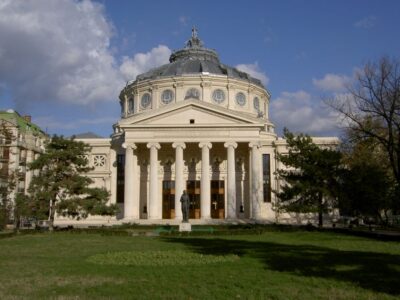
- The Romanian Athenaeum and the Idea of National Pride
- The Old Slave Market Stop: The Hardest Chapter, Grounded in Place
- Cismigiu Park: Myths, Truths, and a Breather in the Oldest Gardens
- Holocaust Memorial Stop: Respectful Remembrance in a City That Remembers
- Piața Kogălniceanu and the Streets Between Eras
- Revolution Square Pass-By: Seeing Power Without Needing to Stop
- Mesteshukar ButiQ (MBQ): The Optional Jewelry Workshop That Makes It Real
- Price and Value: What $30 Buys in Real Education Time
- Who This Tour Fits Best (and Who Might Want to Skip It)
- Should You Book This Roma Culture, Realities and Slavery History Walking Tour?
- FAQ
- How long is the walking tour?
- Where do I meet the guide?
- Is the tour in English?
- What does the tour cost?
- What stops are included during the walk?
- Is food or drinks included?
- Does the tour include a jewelry workshop?
- Where does the tour end?
- Can I cancel or change my plans?
Key moments you’ll remember
- Old slave market stop: a haunting reminder of Bucharest’s history with Roma bondage and trade
- Athenaeum architecture talk: why art and national pride have shaped Roma perceptions over time
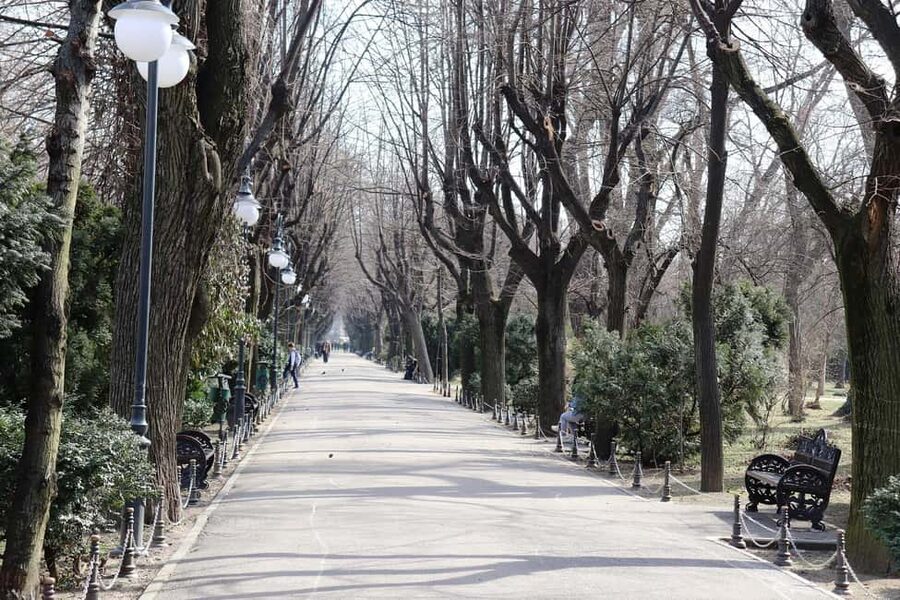
- Cismigiu Park break in the story: oldest and largest Bucharest gardens as you discuss myths vs truth
- Holocaust memorial photo stop: a direct, respectful pause for Roma victims in Romania’s genocide
- Communist-era street traces: how the regime changed daily life and Roma experience
- Optional Roma jewelry workshop at MBQ: craft time with a traditional Roma maker
On foot through the city, more routes
- Bucharest: City Highlights Guided Walking Tour★ 4.9 · 1,482 reviews
- Bucharest: Communism and History Guided City Walking Tour★ 4.9 · 918 reviews
- Bucharest Highlights Walking Tour★ 5.0 · 469 reviews
- Bucharest: Hidden Markets Walking Tour with Tastings★ 4.9 · 329 reviews
Roma History in Bucharest: Why This Walk Feels Different
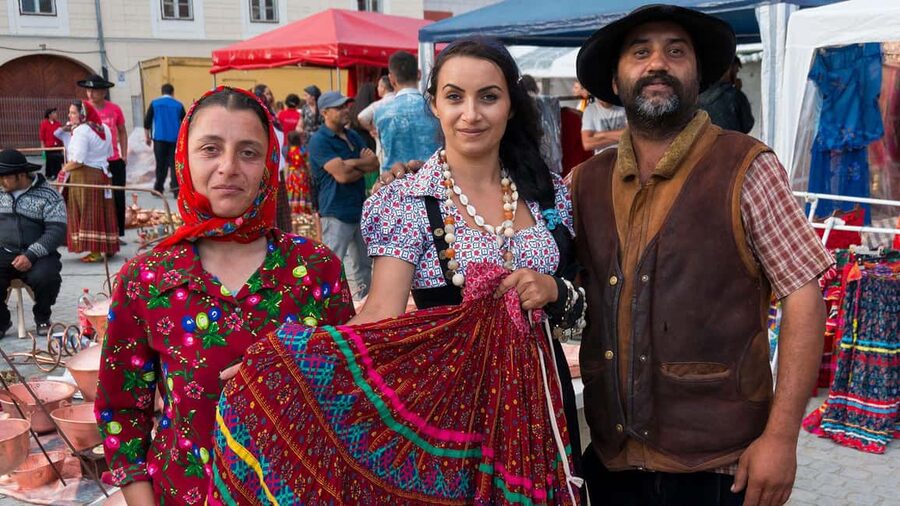
This tour works because it does not treat Roma culture like a sideshow. You get context for how history, discrimination, and stereotypes formed side by side, and how those forces show up in Bucharest streets and public memory.
I like that the tour keeps a steady balance: it talks about suffering, but it also highlights resilience and the creativity that has influenced wider Romanian society. You’ll also get practical clarification on what people say versus what facts suggest—often the difference is the whole point.
Yes, the tour includes very serious topics like slavery and genocide. If you prefer cheerful sightseeing only, this may feel like a lot. But if you want to understand Bucharest beyond postcards, it’s exactly the kind of story that makes the city click.
Starting at Teatrul Ion Creangă: The 3 Hours That Actually Go Somewhere
You meet at the small square in front of Teatrul Ion Creangă (Ion Creangă Theatre), just a few minutes’ walk from Piata Romana metro station. That’s a smart starting point. It means you can get there easily without building a whole day around logistics.
From there, the group follows a clear walking rhythm: short guided segments, quick “secret stop” pauses that add context, then more moving time. You’re not stuck listening the whole way—there’s room for questions, and the pacing matters because some parts of the story are emotionally intense.
A big practical plus: the tour includes a café break (about 15 minutes). That small reset helps you keep absorbing details without burning out early.
The Romanian Athenaeum and the Idea of National Pride
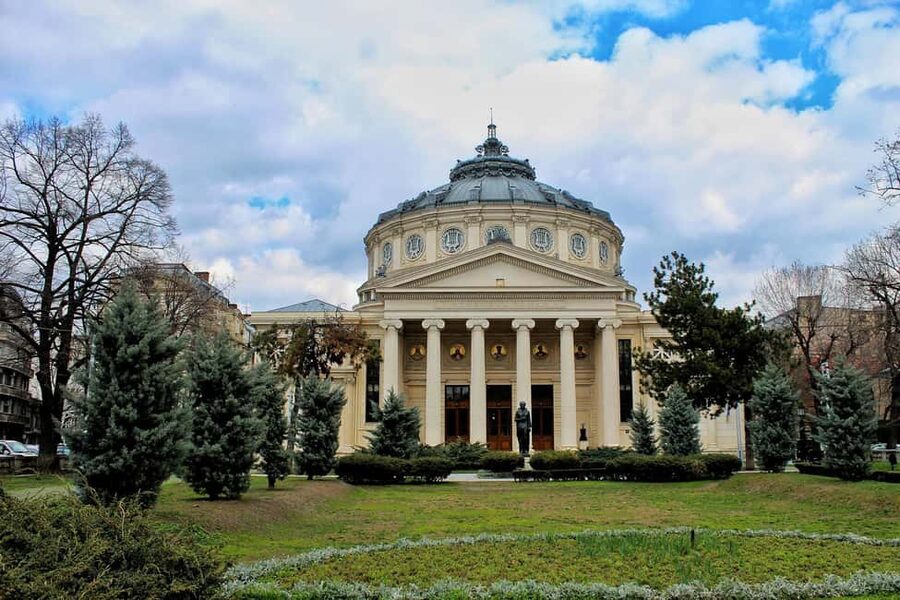
One of the first major visual landmarks you pass is the Romanian Athenaeum. It’s not just a pretty building. The guide uses its cultural status as a springboard to talk about how arts, national identity, and public prestige have influenced the way Roma people have been perceived through history.
This stop is valuable because it shows you that “culture” isn’t neutral. When a society builds a national story around certain images, groups can get pushed into boxes—sometimes romanticized, sometimes blamed, often simplified. The tour makes you look at the building and then think about who it represents, and who it leaves out.
Even if architecture is not your thing, you’ll appreciate the frame. It helps you connect later stops—like the park, the memorial, and the communist-era traces—into one consistent understanding.
The Old Slave Market Stop: The Hardest Chapter, Grounded in Place
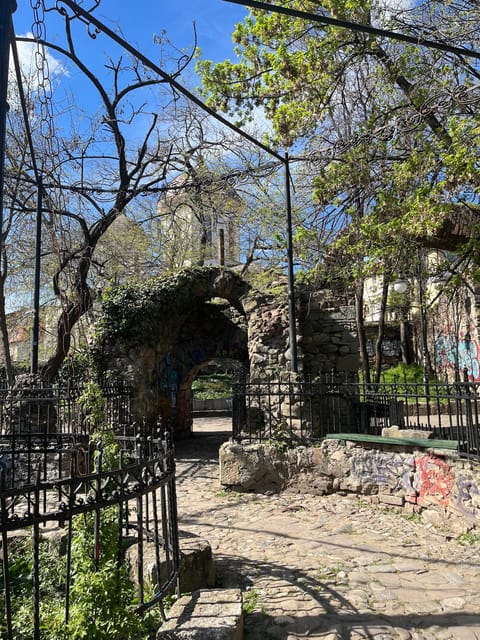
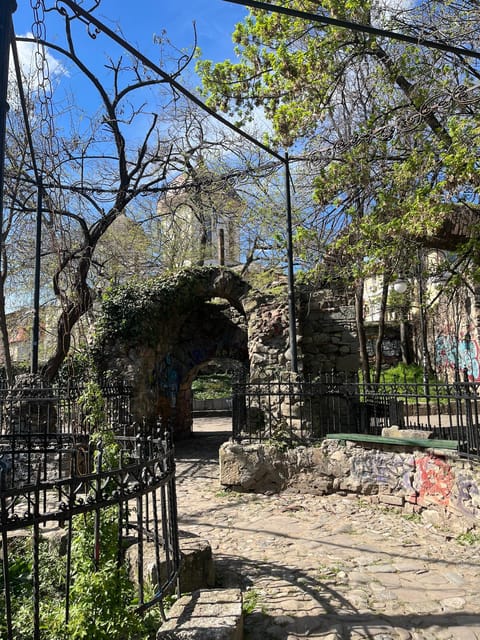
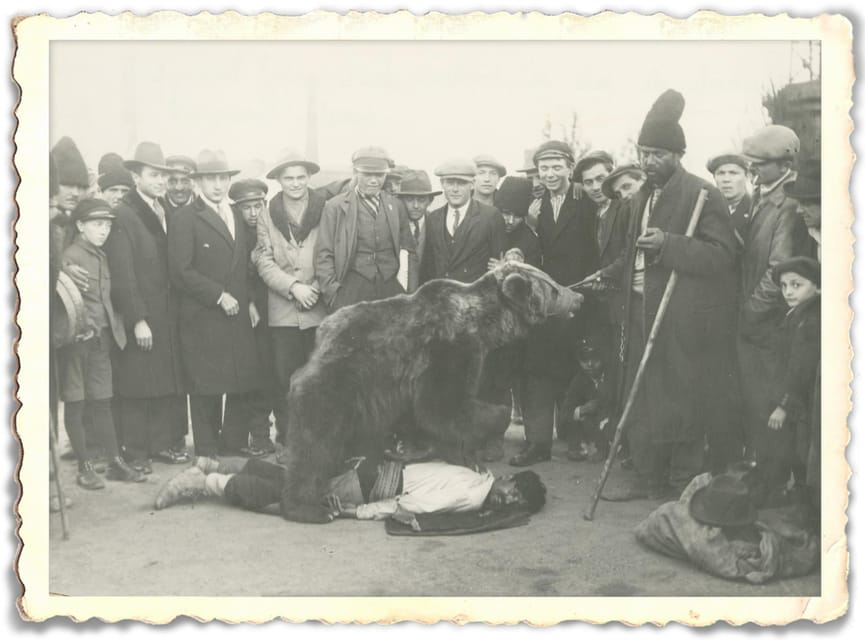
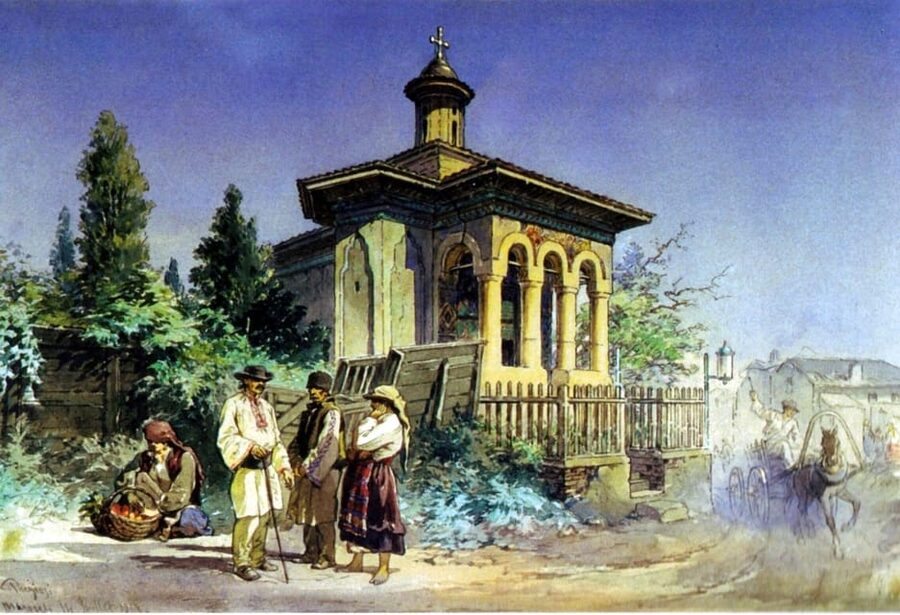
The tour begins by sending you to the site of a former slave market. This is the “start of the story” stop, and it’s the kind of place that changes your tone instantly. You’re standing in Bucharest while learning how human lives were bought and sold, and how that system left long-term marks on identity and community memory.
The guide’s focus on context is what makes this stop more than shock value. You learn the historical background behind the trade in human lives, and you also hear how the legacy can echo through generations—socially, politically, and in daily treatment.
One consideration: this part is not light. Plan your emotional energy accordingly. If you tend to compartmentalize, try not to. Let the place do what it does—because the rest of the tour becomes easier to understand after you’ve faced this reality.
Deeper into old Bucharest

Cismigiu Park: Myths, Truths, and a Breather in the Oldest Gardens
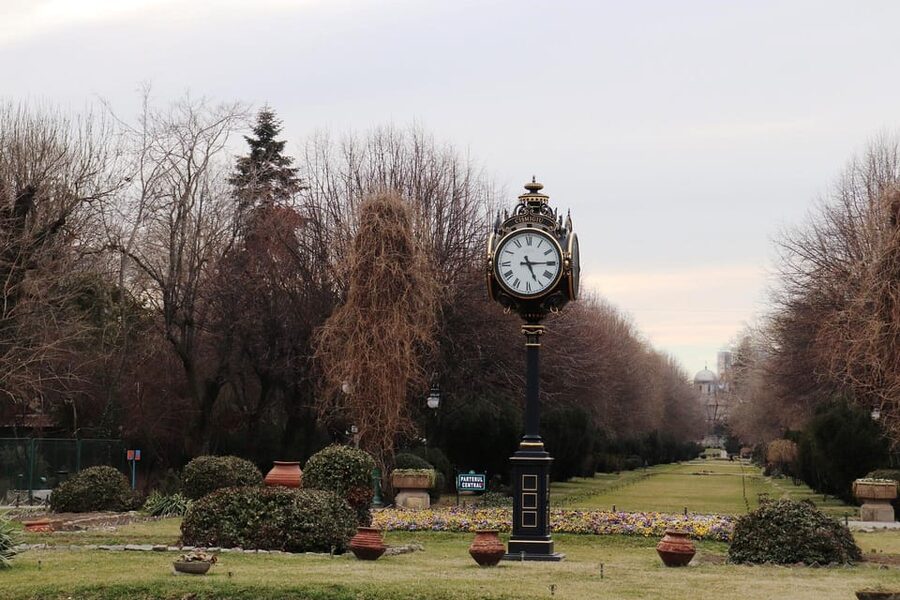
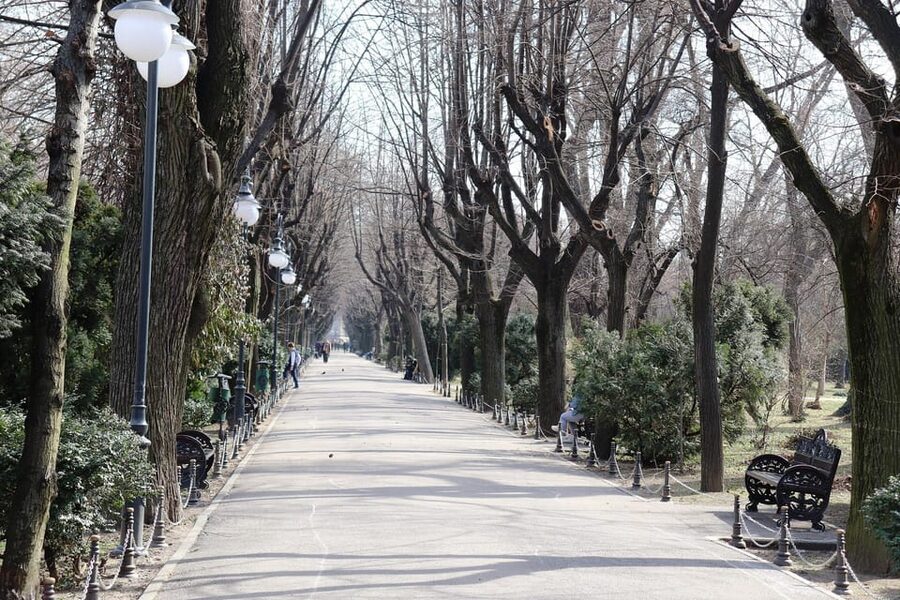
After the heavier themes, the route takes you through Cismigiu Gardens, the oldest and largest garden in Bucharest. It’s a great setting for a walking tour because it offers greenery and space when your brain is full.
Here, the guide turns to myths and truths about Roma culture and traditions. That is not trivia. It’s a practical skill for travelers: you start noticing how stereotypes work—where they come from, how they spread, and why “common knowledge” can still be wrong.
I like that this stop includes a change of scenery. In a city built of stone and history, having a park segment gives you breathing room while still keeping the learning thread alive. It also makes the tour feel less like a lecture and more like a guided walk through real Bucharest life.
Holocaust Memorial Stop: Respectful Remembrance in a City That Remembers
You also stop at an important Holocaust memorial in Romania, with time for a photo stop and a guided explanation. This pause matters because the story of persecution is not only part of European history in general—it includes Roma victims in Romania’s genocide.
The value here is the direct connection between memory and place. When you stand at a memorial, the details become less abstract. You’re also reminded that Roma history isn’t separate from Romania’s 20th-century story—it is woven into it.
If you want to be a better traveler, this stop is one of the ways. You leave with a clearer understanding of what was done, who was targeted, and why that should shape how you interpret Bucharest’s public spaces today.
Piața Kogălniceanu and the Streets Between Eras
As the route continues, you pass and learn around Piața Kogălniceanu. This kind of stop is useful because it links the big named landmarks to the everyday street geometry of the city. You begin to recognize how the city layout can reflect different historical phases.
The tour also includes a couple of quick “secret stops.” Those brief pauses often help the guide highlight smaller context—little pivots that prevent you from seeing Roma history as a single isolated chapter. Instead, you get it as part of the city’s ongoing story.
You’ll also walk through areas where traces of Romania’s communist past show up. The guide connects that period to the challenges faced by the Roma community. You learn how political systems can shape who has access to security, opportunity, and dignity.
It helps to know that communism is not treated here as a vague background topic. It’s tied to Roma lived experience—so the explanation becomes more than a timeline lesson.
Revolution Square Pass-By: Seeing Power Without Needing to Stop
You end the main historic sweep with a pass-by of Revolution Square. This is not the kind of stop where you linger for long. It’s more like a visual bookend that frames the modern city.
I like this structure. It prevents the tour from trying to stop at everything. You get enough time to absorb the Roma-focused story, and then you close the loop with a quick look at Romania’s broader political landscape.
Mesteshukar ButiQ (MBQ): The Optional Jewelry Workshop That Makes It Real
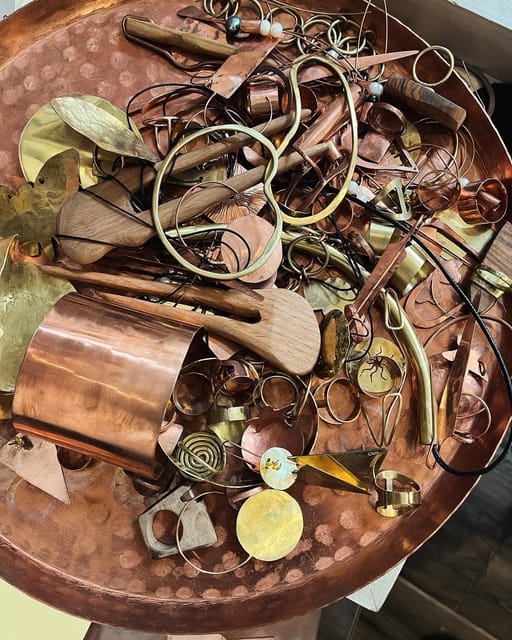
The tour finishes at Mesteshukar ButiQ (MBQ), and this is where the experience can shift from “learning about history” to “meeting craft traditions in the present.”
If you choose the optional jewelry workshop, you’ll craft your own piece with an authentic Roma craftsman in a traditional workshop setting. Even if you only have basic manual skills, this part is still worth it because it turns culture into something you can touch.
This is the main reason I think the workshop option is strong value: you’re not only hearing about Roma traditions. You’re working in the space where those skills live. That connection can make the rest of the tour feel more balanced.
A small heads-up: the tour does not include food or drinks. Since you already have a brief café break, you’ll still want to bring water or plan for whatever you’ll buy on your own.
Price and Value: What $30 Buys in Real Education Time
At $30 per person for 3 hours, this tour is priced like a budget-friendly walking experience—but it delivers more depth than many “high-level” city tours.
Here’s why the value works:
- You get a focused theme: Roma history in Bucharest, not a general overview
- The route includes multiple high-impact stops (slave market site, Holocaust memorial, Athenaeum, Cismigiu Gardens)
- The guide is central to the experience. The tour relies on interpretation and careful myth-vs-truth framing, not just sightseeing
- The optional jewelry workshop adds extra hands-on value if you want it
Compared with paying for separate museum tickets and guide time, this approach is efficient. You’re paying for guided understanding and city context in a compact time block—ideal if you have limited days in Bucharest.
Who This Tour Fits Best (and Who Might Want to Skip It)
This is a great fit if you:
- Want a deeper look at Bucharest that goes past palaces and parks
- Care about history and how it shapes stereotypes and social treatment
- Like guides who can explain what’s true, what’s myth, and why it matters
It might be a harder fit if you:
- Prefer lighter sightseeing and minimal emotional heaviness
- Don’t want to discuss slavery and genocide-related history
Also, if you’re the type who asks questions often, this tour is set up for that. The pacing includes stops where discussion makes sense, and the story is structured around places rather than abstract talking points.
Should You Book This Roma Culture, Realities and Slavery History Walking Tour?
I’d book it if your goal is to understand Bucharest as a real city with real people and real historical consequences. The mix of slave market context, Holocaust remembrance, and myth-vs-truth Roma culture lessons is exactly what turns a city walk into education you can actually use.
If you’re sensitive to heavy topics, you can still choose it—just go in with the right mindset. Bring water, take the café break seriously, and give yourself permission to feel what the memorial and the slave market stop bring up.
If you’re on the fence about the optional workshop, consider your travel style. If you like learning through doing, the MBQ jewelry workshop is a meaningful ending rather than an extra add-on.
FAQ
How long is the walking tour?
The tour lasts 3 hours.
Where do I meet the guide?
Meet in the small square in front of the Ion Creangă Theatre (Teatrul Ion Creangă), about a 3-minute walk from Piata Romana metro station.
Is the tour in English?
Yes, the live tour guide speaks English.
What does the tour cost?
The price is $30 per person.
What stops are included during the walk?
You’ll see key Bucharest landmarks and sites, including the Romanian Athenaeum, Cismigiu Gardens, a Holocaust memorial in Romania, and an area connected with a former slave market. You also pass Revolution Square and stop around Pița Kogălniceanu.
Is food or drinks included?
No. Food and drinks are not included, though there is a break at a local café.
Does the tour include a jewelry workshop?
The tour includes a jewelry workshop if you select the option. You’ll craft your own piece with a traditional Roma craftsman at Mesteshukar ButiQ (MBQ), and transportation is included for the workshop option.
Where does the tour end?
The tour ends at Mesteshukar ButiQ (MBQ).
Can I cancel or change my plans?
You can cancel up to 24 hours in advance for a full refund. You can also reserve now and pay later.
Old Bucharest, Properly Walked
- Bucharest: Communism and History Guided City Walking Tour
★ 4.9 · 918 reviews - Bucharest: Small Group History, Art & Secrets Tour
★ 4.7 · 152 reviews - Guided Walking Tour of Historical Bucharest
★ 5.0 · 84 reviews - Bucharest Jewish Heritage | Holocaust Memorial | Private Car Tour
★ 5.0 · 38 reviews - Private Bucharest: History & Food with Traditional Meal
★ 5.0 · 34 reviews - Bucharest Historical Food Tour in Old Center
★ 5.0 · 21 reviews
More Tour Reviews in Bucharest
- Bucharest: Dracula’s Castle, Peles Castle, & Brasov Old Town
★ 4.5 · 17,858 reviews - Bucharest: Dracula Castle, Peles Castle & Brasov Old Town
★ 4.6 · 10,891 reviews - Bucharest: Dracula’s Castle, Peleș Castle & Brașov Day Trip
★ 4.4 · 6,100 reviews - Bucharest: Palace of Parliament Tickets and Guide
★ 4.3 · 3,182 reviews - Bucharest: Day Trip to Dracula Castle, Peles Castle & Brașov
★ 4.4 · 3,049 reviews - Bucharest to Dracula Castle, Peles Castle and Brasov Guided Tour
★ 4.5 · 2,933 reviews
Bucharest on Foot, Continued
- Bucharest: City Highlights Guided Walking Tour
★ 4.9 · 1,482 reviews - Bucharest: Communism and History Guided City Walking Tour
★ 4.9 · 918 reviews - Bucharest Highlights Walking Tour
★ 5.0 · 469 reviews - Bucharest: Hidden Markets Walking Tour with Tastings
★ 4.9 · 329 reviews - Bucharest: Ghost Stories & Romanian Mythology Walking Tour
★ 4.9 · 287 reviews - Bucharest: Guided Walking Tour with Romanian Snack
★ 4.9 · 228 reviews
Just In: The Latest Bucharest Reviews

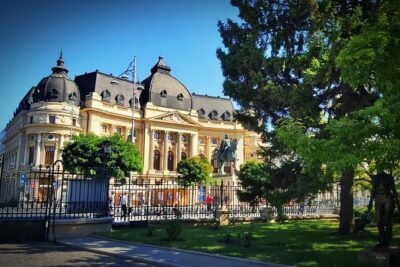
Bucharest Walking Tours, compared.
 ★ 4.9City Highlights Guided Walking TourFrom $211,482 reviews
 ★ 4.9Communism and History Guided City Walking TourFrom $31918 reviews
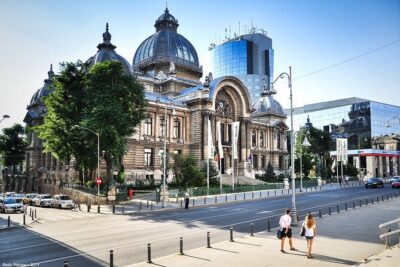 ★ 5.0Bucharest Highlights Walking TourFrom $21469 reviews
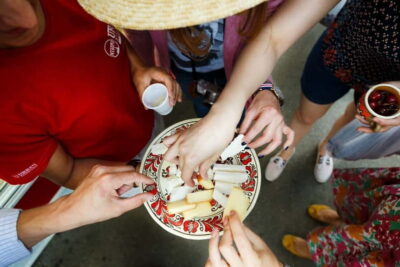 ★ 4.9Hidden Markets Walking Tour with TastingsFrom $100329 reviews
 ★ 4.9Ghost Stories & Romanian Mythology Walking TourFrom $35287 reviews
 ★ 4.9Guided Walking Tour with Romanian SnackFrom $45228 reviews
 ★ 5.0Best of Bucharest | Private Walking TourFrom $314199 reviews
 ★ 5.0Walking Tour- Delightful Bucharest (Highlights, Stories, Sights)From $22145 reviews
Browse the lists this tour appears in