
REVIEW · BUCHAREST PRIVATE TOURS
10 Days Private Tour in Romania from Bucharest
Ten days, and Romania feels close. This private, English-guided route strings together big-city history, medieval strongholds, and Carpathian road trips in a way that feels practical, not rushed. I love two things most: the private car just for your group (so you can move on your schedule) and the lineup of places that explain Romania from different angles, from the Palace of Parliament to the painted monasteries of Bukovina. The main consideration is also a simple one: accommodation and most entrance fees are not included, so you’ll want to budget a bit beyond the tour price and confirm what’s covered at each stop.
You’re not stuck on a fixed bus tour here. Your licensed guide/driver (Nicolas Experience Tours, with Nicolas named in guest feedback) is with you throughout the trip, and the company highlights flexibility to adjust daily timing even after you start. I also like that the car includes complimentary wireless internet, which is handy when you’re crossing long distances and want to stay connected.
One more note: this is a fast, multi-region loop (Wallachia, Transylvania, Maramureș, Bukovina, Moldavia-adjacent areas, then back toward Brasov). You’ll see a lot, but it also means you’ll be doing real sightseeing days—expect walking inside historical sites and time on the road between them.
In This Review
- Key things to know before you go
- Bucharest’s big statements: Parliament, Village Museum, and Revolution Square
- Wallachia to the Carpathians: Curtea de Argeș, Poienari, and the Transfăgărășan Road
- Castles and Dacian power: Corvin Castle, Densuș, and Sarmizegetusa Regia
- Transylvania specialties: Turda Salt Mine, Cluj botanical time, and Surdesti’s wooden church
- Maramureș and Bukovina vibes begin: Merry Cemetery, communism memory, Barsana, Tihuța
- Bukovina’s painted monasteries: Voroneț blue, Humor fortified church, Sucevița and Moldovița
- Museums, Bicaz Gorges, and the medieval towns that keep going
- Brasov’s medieval center, Dracula stops, and royal time at Peleș
- Price and logistics: is $3,472.81 per person good value?
- Should you book this private 10-day Romania tour?
- FAQ
- Is this a private tour or a group tour?
- Does the tour include pickup from Bucharest?
- Is a guide included, and do they speak English?
- Are accommodation and meals included for me?
- Are entrance fees included?
- Do you provide transportation during the trip?
- Is there free cancellation?
Key things to know before you go
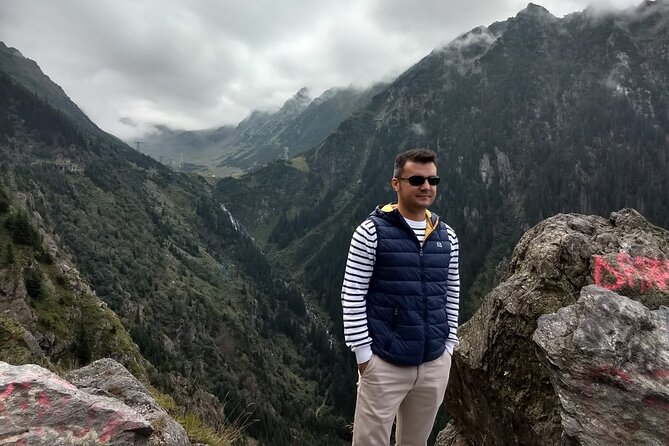
- Private car for just your group: No sharing seats or waiting on strangers.
- Nicolas Experience Tours guide/driver included: Licensed and English-speaking for the whole trip.
- Flexible itinerary changes: You can shift the day’s plan after it begins.
- A mix of what Romania feels like: Town history, religious art, fortifications, and mountain scenery all get time.
- Site admission coverage may vary: Many stops list tickets included in the plan, but entrance fees are also shown as not included overall—double-check before paying.
Only your group, at your own speed
- Castles of Transylvania: Private Day Trip from Bucharest★ 4.5 · 248 reviews
- Dracula’s Castle, Peles Castle and Brasov – Private Day Trip from Bucharest★ 5.0 · 211 reviews
- Best of Bucharest | Private Walking Tour★ 5.0 · 199 reviews
- Bucharest Panoramic Sightseeing – Private City Tour★ 5.0 · 128 reviews
Bucharest’s big statements: Parliament, Village Museum, and Revolution Square
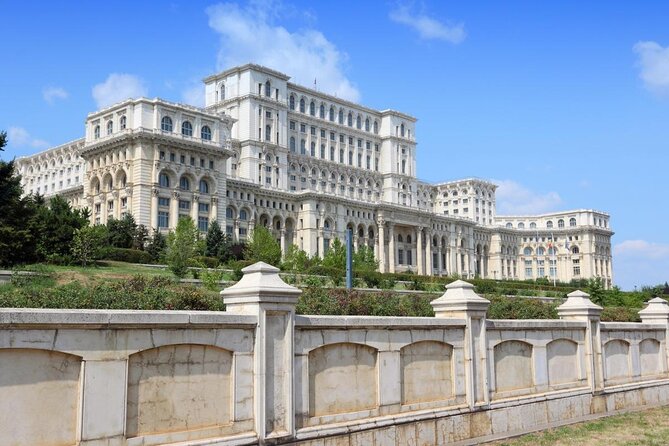
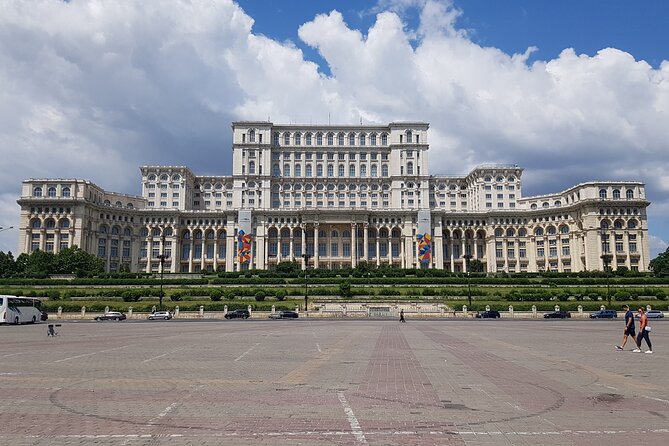
Bucharest can feel like a movie set of contrasts, and this day leans into that. You start with the Palace of Parliament, the People’s House, a building so huge it makes you stand there looking up, then looking for your bearings again. The tour frames it as more than architecture—it’s presented as a warning about totalitarian power and the damage it does when one system swallows everything.
Next is the Bucharest National Village Museum (Dimitrie Gusti), which is a surprisingly smart choice for a first day. You get Romanian traditions in one place, and the museum setting emphasizes the simple, practical way village life used to work with its surroundings. It also helps you shift your brain from political history to daily life—exactly the kind of reset that makes a long trip feel bearable.
Then comes the Romanian Athenaeum, one of the city’s cultural symbols. If you like architecture and civic pride, you’ll appreciate how the tour places it on Calea Victoriei as part of Bucharest’s identity, not just as a quick photo stop. You also get European Heritage listed context in the stop description, which helps you understand why this building matters.
The day ends with the Revolution Square area, including the buildings tied to the December 1989 uprising. It’s serious history, but the guide’s job is to make the layout understandable: where power sat, where events unfolded, and why Romania still talks about those details. You also get time in the Old Town, with a walk through historic streets and a stop at Hanul lui Manuc, the big fortified inn built around 1806—an easy way to understand how trade and communities once worked around inns and courtyards.
Practical tip: Bucharest days can be emotionally heavy when you hit communist-era sites. I’d keep your evening plans low-key. You’ll want time to decompress after the Revolution Square history.
Wallachia to the Carpathians: Curtea de Argeș, Poienari, and the Transfăgărășan Road
On day two, the trip pulls you out of the capital and into Wallachia’s royal and fortress world. You start at Curtea de Argeș Monastery, presented as a site connected to royal tombs and the older princely court ruins. The stop combines the royal church and the Argeș Monastery story, including that sense of tragedy that hangs around some medieval foundations.
Then you head to Poienari Castle, high on a cliff above the Argeș River. The tour frames it through the legends tied to Vlad the Impaler, with the story of escape via a secret passageway when the Turks attacked. Even if you don’t care about the Dracula-related side, the location itself is worth it: you’re looking down from above, with the mountains closing in behind you.
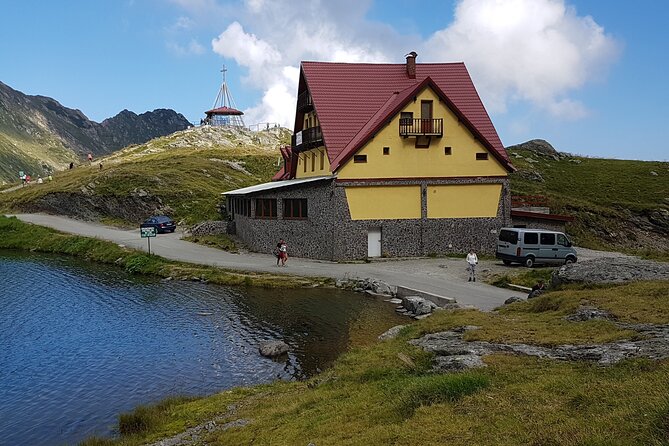
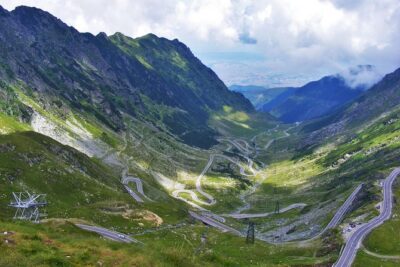
After that, you drive one of Romania’s most famous stretches: the Transfăgărășan Highway. The key detail here is seasonal. The road is noted as fully open only from June to October, so timing matters. You’ll hear about the highest point (2042 meters) and the Balea Lac area, including the tunnel linking the northern and southern sides.
The last stop of the day shifts you toward Transylvania’s town atmosphere with Big Square (Piața Mare) and the surrounding historic center of Sibiu, including references to major landmarks like the Evangelical Cathedral. This is a good end-of-day choice: after cliff views and highway scale, it’s a calmer environment where you can breathe and re-center.
Drawback to plan for: This stretch is a lot of “big distance, big payoff.” If your group wants long museum-style stays instead of viewpoints and drives, you might feel the pacing. The good news is that the tour’s flexibility is built in, so you can usually adjust the balance with your guide.
Castles and Dacian power: Corvin Castle, Densuș, and Sarmizegetusa Regia
Day three is for people who like their history with walls. You visit Corvin Castle (also called Hunyadi Castle/Hunedoara Castle), described as a Gothic-Renaissance castle and one of the largest castles in Europe, linked to the Seven Wonders of Romania. It’s the kind of place where even a short circuit of rooms and courtyards makes you feel the scale of medieval defense and noble power.
Then you switch to something older and stranger: Densuș Church. The stop description calls it the oldest stone church in Romania, built in its present form in the 13th century, but set on a site with a Roman temple layer underneath. Inside, the murals become the big “wait, what?” moment: the paintings show Jesus wearing Romanian traditional clothing, and the tour mentions additions by different artists across centuries. That blend—religion, local identity, and layered time—hits harder in person.
The final stop is Sarmizegetusa Regia, the Dacian capital and political-religious center before the wars with Rome. It’s located on top of a 1200-meter mountain and described as part of a strategic defensive system with multiple citadels. You don’t just see remnants—you understand why this place mattered: the setting itself supports defense and control.
What I like about this day’s structure: You get a medieval noble stronghold, then an older spiritual site, then a Dacian power center. It’s an effective way to show Romania as layered, not as one single storyline.
Transylvania specialties: Turda Salt Mine, Cluj botanical time, and Surdesti’s wooden church
Day four mixes “hands-on nature” with church craftsmanship and city charm. You start with Salina Turda (Turda Salt Mine), highlighted as one of Transylvania’s most interesting places to visit. The tour description also notes the benefit of the saline air—especially for allergies or asthma—so if anyone in your group likes the idea of a breathable break, this is a smart stop.
Next is Gradina Botanica Alexandru Borza, connected to the Cluj-Napoca city experience. The plan frames it as a chance to see a historic old center with Baroque, Renaissance, and Gothic-style buildings and restaurants that may require patience if you arrive around peak times. Even if you don’t plan a long sit-down meal, it’s a nice way to break the day into something calmer than castle-and-fortress sightseeing.
Then you head to Surdesti Wooden Church, described as an architectural masterpiece built in 1721. What stands out is the scale: the church’s towers measure 54 meters, and it’s listed as a major wooden construction achievement. If you’re the kind of traveler who notices craftsmanship, you’ll appreciate how the tour focuses on warmth and building skill, not just the fact that it exists.
Practical tip: Wooden churches and mines both benefit from comfortable shoes. Even when the walking seems short on paper, uneven surfaces and steps are common in historic settings.
Maramureș and Bukovina vibes begin: Merry Cemetery, communism memory, Barsana, Tihuța
Day five introduces a very Romanian emotional mix—humor, then hard history. You go to Merry Cemetery in Sapanta, where you’ll see colorful crosses and tombstones with humorous poems about the deceased. The point of the stop is clear: funerals and life rituals in this region can be treated with wit, not only sorrow.
Then you visit the Memorial of the Victims of Communism and of the Resistance. The tour frames this as the place that helps you understand how totalitarianism shaped lives quickly, bringing suffering in a short time. This contrast with the Merry Cemetery is jarring in the best way—it forces you to hold multiple truths about Romania.
Day six turns scenic and spiritual at the same time. You start with Barsana Monastery, described as one of the tallest wooden churches in Romania at 57 meters. The stop description emphasizes the barefoot, courtyard experience as a way to create a bodily sense of connection to the land and sky—less “look at a building,” more “step into a place.”
You continue to Tihuța Pass, tied to the Dracula story through Bram Stoker’s novel. The tour notes the location is linked to the Borgo Pass name used in the story, and it mentions that Stoker likely found the name on a map without visiting the area. At the pass, you’ll also hear about Hotel Castel Dracula at 1,116 meters, built in 1976 and renamed after the Dracula association.
Then you finish with Ciocănești, known for its merry painted houses and traditional motifs, set near the Golden Bistrița River with spruce forests and meadows. It’s a great end to the day because it feels like living heritage—color on streets, design on homes, and a sense of community identity.
Who this works best for: If you like regional culture—rituals, memorials, church traditions, and how villages look—this segment will feel like the soul of the trip.
Bukovina’s painted monasteries: Voroneț blue, Humor fortified church, Sucevița and Moldovița
Day seven is the “painted monasteries” day, and it earns its reputation with a simple reason: you’re not just looking at walls, you’re learning why these monasteries were made and how they survived.
You start with Voroneț Monastery, built by Stephen the Great in 1488 to commemorate the victory at the Battle of Vaslui. The tour describes the frescoes and their intense blue shade, called Voroneț blue, and repeats the comparison to the Sistine Chapel of the East to help you grasp the scale of the artwork.
Next is Humor Monastery, presented as a fortified monastery that endured despite repeated destruction. The stop emphasizes how people built places of worship away from danger—hidden in woods or tucked into rock settings. It’s a good reminder that survival shaped architecture here.
Then you visit Sucevița Monastery, described as one of Romania’s most beautiful monasteries and part of UNESCO-linked heritage. The tour highlights how biblical scenes and icons help visitors understand Christian history even without reading the Bible. You end day seven at Moldovița Monastery, built in 1532, with a fortified church mix of Byzantine, Gothic, and Moldavian style. The tour also notes that mural artwork appears both inside and outside, so you get more than one angle on the visual storytelling.
How to enjoy this day: Plan for visual fatigue. By the last monastery, you’ll want to pause and let your eyes rest. The guide’s pacing matters here, and the private setup gives you a better chance of getting that pause.
Museums, Bicaz Gorges, and the medieval towns that keep going
Day eight adds small, personal stops and one big natural walk. You begin with the Muzeul International al Oualor Lucia Condrea, a museum connected to the artist Lucia Condrea. The plan says it opened in Moldovița in 1993 and contains over 5,500 exhibits arranged in 56 display cases over two levels. That’s a lot of eggs, but the real value is how it turns folk craft into museum-level attention.
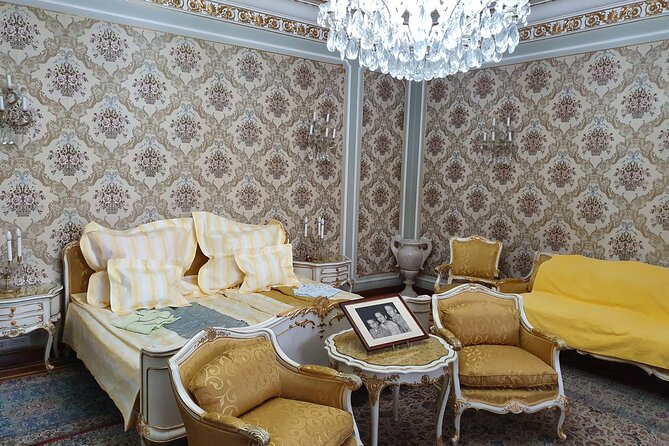
Next is The Popa Museum, the home-based museum of sculptor Nicolae Popa. The tour description includes his story: he was wounded in WWII, imprisoned by communists for resisting the regime, and returned without possessions except his house—then devoted himself to art again. That background gives weight to what you see in the rooms.
Then you head for scenery at Bicaz Gorges, with a walk along the river banks where the river has cut through mountains and virgin forests. The plan notes no entrance fees for this part, so it’s a good “stretch your legs” counterbalance after museum-heavy time.
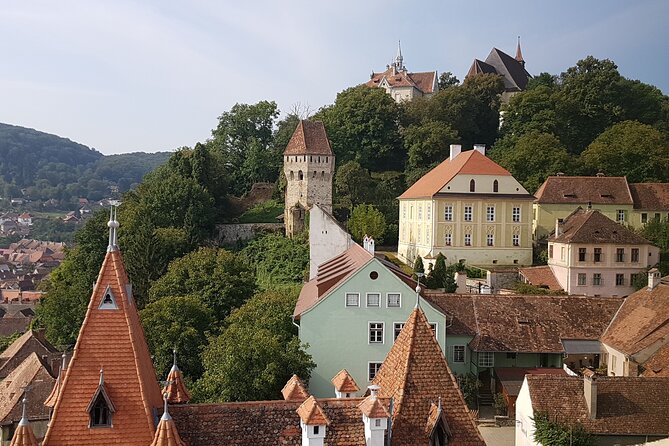
Day nine turns back to medieval towns. You visit Sighișoara Clock Tower and the Arms museum. The plan describes Sighișoara as a medieval town and Vlad the Impaler’s birthplace area, with the Citadel built in 1280 and still inhabited for over 700 years. Even if you skip the extra details, the idea of living medieval walls is what makes Sighișoara feel different from a museum town.
Then you move to Biertan Fortified Church, noted as a UNESCO World Heritage site and a Transylvanian Saxon monument. The tour emphasizes its hilltop position and defensive walls: three defensive walls and seven bastions. It’s fortification you can literally map with your eyes as you walk the edges.
Brasov’s medieval center, Dracula stops, and royal time at Peleș
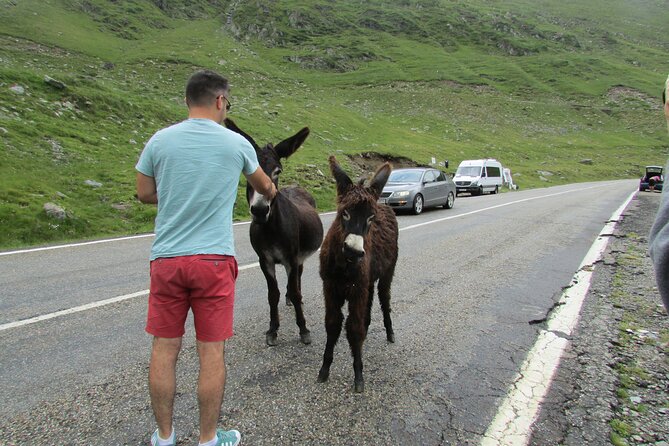
Day ten combines atmosphere with three famous names. You start in Brasov, with a walking tour of the Old Town and time around the Black Church (Biserica Neagră), the Old Town square, and the city walls. The plan also gives you free time in Brasov’s cafés, which is a smart addition near the end of the trip when you’ll appreciate a slower moment.
Then you go to Bran Castle, commonly called Dracula’s Castle. The tour keeps it balanced between myth and history, pointing out how the fictional portrayal matches popular expectations. It also includes food tasting ideas around the castle area: handmade cheeses, pálinka (plum and pear brandy), and traditionally produced ham and sausages. Even if you don’t go for every bite, this stop is a fun, flexible break from churches and fortifications.
Finally, you visit Peleș Castle, the Romanian royal family’s summer residence. The stop description leans into the idea that it’s one of Europe’s most beautiful castles, with thousands visiting specifically for its beauty. If your group likes ornate interiors, this is the kind of ending that feels like a reward after days of stone walls and frescoes.
Small pacing thought: After Bran, you may feel “castle fatigue.” If that’s you, use the Peleș time as a more relaxed interior visit rather than trying to sprint through every room.
Price and logistics: is $3,472.81 per person good value?
At $3,472.81 per person for a roughly 10-day private tour, you’re paying for three big things: private transport, a guide/driver throughout, and a route that stitches together multiple regions without forcing you into constant self-planning.
Here’s where the value makes sense. You don’t just get a driver; you get a licensed English-speaking guide/driver who can explain what you’re seeing and keep the flow moving. Add the private car (tourism or minibus) only for you, plus all car costs like gas, parking, and road tolls, and the total cost stops looking like a “tour tax” and starts looking like actual full-service travel.
The watch-out is budgeting beyond the stated price. The tour information explicitly lists accommodation, meals, beverages as not included. It also states entrance fees as per the itinerary are not included, yet the stop descriptions repeatedly mark admission tickets as included for many sights. That mismatch means you should treat entrance fees as a question to confirm directly with the operator for the exact dates and your final booking.
If you travel as a couple or small group, this model often feels fair because private routing cuts down on wasted time. If you’re traveling solo and can only compare against group buses, it can feel expensive—so the real question becomes: do you want the independence and tailored pacing that a private loop brings?
Should you book this private 10-day Romania tour?
I’d book this if you want a serious Romania sampler with a guide who keeps the story coherent: communist-era memory in Bucharest, royal and fortress sites in Wallachia, Dacian power on mountaintops, wooden church craft in the north, painted monasteries in Bukovina, then medieval towns and famous castles near Brasov.
I wouldn’t book it (or I’d ask hard questions first) if your group relies heavily on included-site costs and you hate uncertainty about ticket coverage. Also, if you want lots of free days to linger in one place, this route is more “move with intention” than “slow travel.”
If you do book, go in with one mindset: you’re not just collecting sights. You’re learning how Romania layers its identity—stone walls, painted faith, folk craft, and political scars—across regions that feel very different from each other.
FAQ
Is this a private tour or a group tour?
It’s a private tour/activity, and the car is only for you and your friends/family.
Does the tour include pickup from Bucharest?
The details say pickup is offered, and the tour location is Bucharest, Romania.
Is a guide included, and do they speak English?
Yes. You get a private, licensed English speaking guide/driver available throughout the tour. Guide accommodation/meals/entrances are listed as included.
Are accommodation and meals included for me?
No. Accommodation, meals, and beverages are listed as not included.
Are entrance fees included?
Entrance fees are listed as not included as per the itinerary, even though many stops in the plan show admission tickets as included. It’s worth confirming which specific sites are covered for your dates.
Do you provide transportation during the trip?
Yes. You get a private car (tourism or minibus), and car expenses such as gasoline, parking, and road tolls are listed as included.
Is there free cancellation?
Yes, there is free cancellation up to 24 hours in advance for a full refund.
More Tour Reviews in Bucharest
- Bucharest: Dracula’s Castle, Peles Castle, & Brasov Old Town
★ 4.5 · 17,858 reviews - Bucharest: Dracula Castle, Peles Castle & Brasov Old Town
★ 4.6 · 10,891 reviews - Bucharest: Dracula’s Castle, Peleș Castle & Brașov Day Trip
★ 4.4 · 6,100 reviews - Bucharest: Palace of Parliament Tickets and Guide
★ 4.3 · 3,182 reviews - Bucharest: Day Trip to Dracula Castle, Peles Castle & Brașov
★ 4.4 · 3,049 reviews - Bucharest to Dracula Castle, Peles Castle and Brasov Guided Tour
★ 4.5 · 2,933 reviews
Just the Party You Came With: More Private Days
- Castles of Transylvania: Private Day Trip from Bucharest
★ 4.5 · 248 reviews - Dracula’s Castle, Peles Castle and Brasov – Private Day Trip from Bucharest
★ 5.0 · 211 reviews - Best of Bucharest | Private Walking Tour
★ 5.0 · 199 reviews - Bucharest Panoramic Sightseeing – Private City Tour
★ 5.0 · 128 reviews - THERME “Take It Easy” Pack: Full Spa Access + Private Transfers
★ 4.0 · 117 reviews - 4h Bucharest Private Tour (2h by Car and 2h Walking in Old Town)
★ 5.0 · 90 reviews
Just In: The Latest Bucharest Reviews

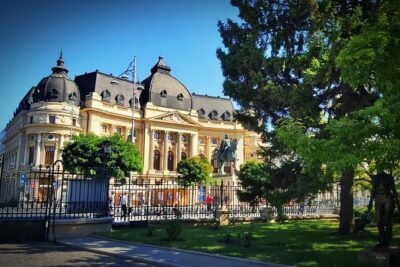
Bucharest Private Tours, compared.
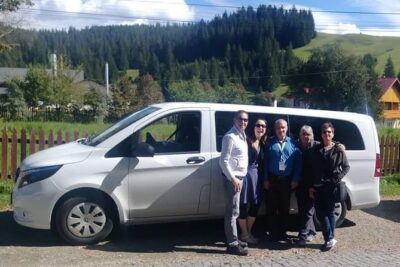 ★ 4.5Castles of Transylvania: Private Day Trip from BucharestFrom $151248 reviews
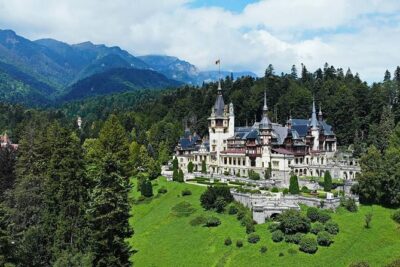 ★ 5.0Dracula’s Castle, Peles Castle and Brasov – Private Day Trip from BucharestFrom $199211 reviews
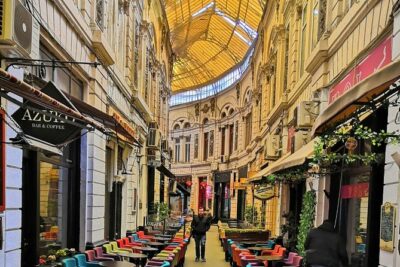 ★ 5.0Best of Bucharest | Private Walking TourFrom $314199 reviews
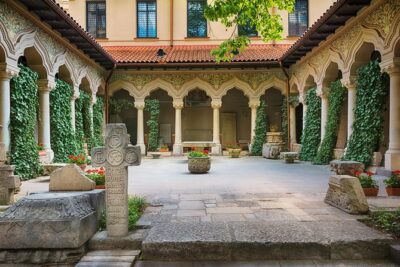 ★ 5.0Bucharest Panoramic Sightseeing – Private City TourFrom $101128 reviews
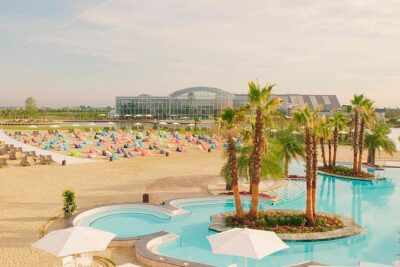 ★ 4.0THERME “Take It Easy” Pack: Full Spa Access + Private TransfersFrom $118117 reviews
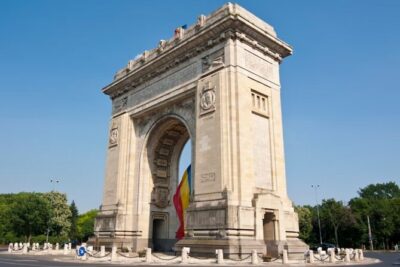 ★ 5.04h Bucharest Private Tour (2h by Car and 2h Walking in Old Town)From $10090 reviews
 ★ 5.0Discover Bucharest: Private Highlights and Traditional Food TourFrom $14386 reviews
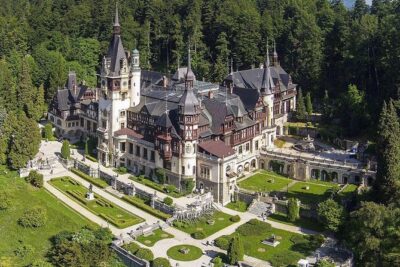 ★ 5.0Dracula Castle, Peles Castle & Brasov-Private Tour from BucharestFrom $16580 reviews
Browse the lists this tour appears in