
REVIEW · BUCHAREST WALKING TOURS
Bucharest: Hidden Markets Walking Tour with Tastings
One street at a time, this tour feeds you history and food.
It’s a 5 to 5.5-hour walk that mixes Bucharest’s past and present with real Romanian tastings, guided by locals like Angelica, Daniel, Bogdan, and Alex. You’ll roll through neighborhoods that tourists usually skip, from the National Theatre area to the Armenian Quarter and onward to Obor Market.
I especially like the way the tour uses public transit. The tram ride helps you see Communist-era Bucharest without turning it into a museum stop. And the food sequence is built for variety: you start with a tuica shot and a peasant-style platter, then move through cheeses, mici with mustard, cold beer, and finish with a sweet warm Wallachian doughnut.
One thing to consider: you’ll walk a fair bit, and it’s not a light-snack tour. If you’re sensitive to alcohol (or prefer not to taste it), plan ahead—tuica and beer are part of the included experience, and children under 6 aren’t permitted.
In This Review
- Key highlights at a glance
- Starting at Teatrul Național București: history first, snacks soon after
- Biserica Batiștei and Strada Batistei: the American embassy that forgot itself
- Armenian Quarter architecture: European lines meet Ottoman shapes
- Tram ride to Obor Market: seeing the city’s food engine up close
- The tastings that matter: tuica, peasant platter, cheeses, mici, doughnut
- A quick practical read on the drinking
- Pace, group size, and why small beats crowded
- Price and value: what you’re really paying for
- Who should book this Bucharest hidden markets tour
- FAQ
- FAQ
- Where do I meet the guide?
- How long is the Bucharest Hidden Markets walking tour?
- What group size is this?
- What food and drink tastings are included?
- Do we use public transport during the tour?
- Can the tour handle vegetarian/vegan or gluten intolerance?
- Is the tour suitable for children?
- Should you book it?
Key highlights at a glance
- Tram ride through everyday Bucharest, not just the postcard center
- Armenian Quarter architecture with a European and Ottoman mix around the Armenian church
- Obor Market peasant-market energy, including seasonal produce moments
- Real Romanian tastings: tuica, cheeses, mici, and a warm Wallachian doughnut
- Small group feel with a maximum of 12 people and personalized attention
On foot through the city, more routes
- Bucharest: City Highlights Guided Walking Tour★ 4.9 · 1,482 reviews
- Bucharest: Communism and History Guided City Walking Tour★ 4.9 · 918 reviews
- Bucharest Highlights Walking Tour★ 5.0 · 469 reviews
- Bucharest: Hidden Markets Walking Tour with Tastings★ 4.9 · 329 reviews
Starting at Teatrul Național București: history first, snacks soon after
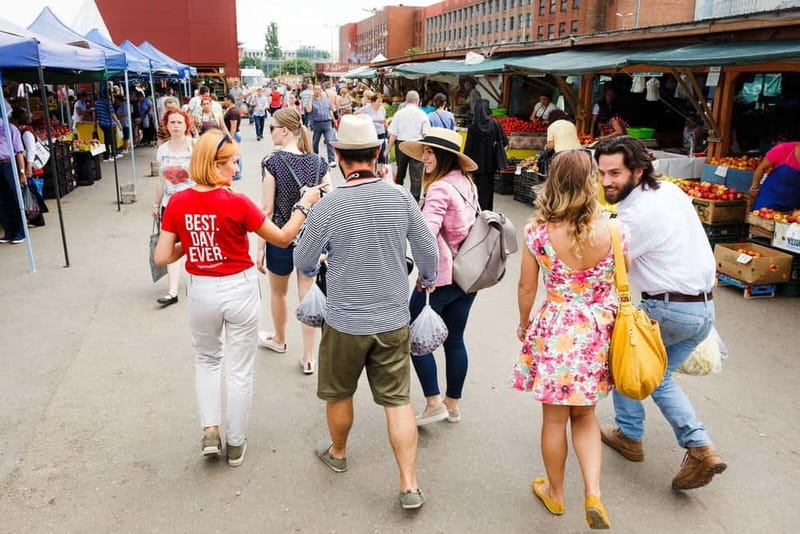
The tour begins at Teatrul Național București, an easy landmark to find and a fitting starting point because it puts you at the center of Bucharest’s cultural life. From the first minutes, you’re not just strolling—you’re learning how the city’s stories overlap: old power, newer identity, and the everyday rhythm of residents moving through the streets.
If you like context, this start matters. You’ll get a quick grounding in Romanian political and social history, but it’s tied directly to what you’ll see walking ahead. That makes later stops feel less random. You also won’t be stuck only in the “old town” bubble. Instead, you’re guided toward neighborhoods that show daily life more clearly.
The best practical tip here is simple: don’t show up stuffed. Even if you ate breakfast, you’ll likely still be offered plenty throughout the tour. One guide-led day can fill you quickly, and the pace is steady rather than rushed.
And because the operator is carbon neutral and run by a B Corp certified company, the experience is presented with a sustainability-minded approach—good to know when you care about travel that tries to do less harm.
Biserica Batiștei and Strada Batistei: the American embassy that forgot itself
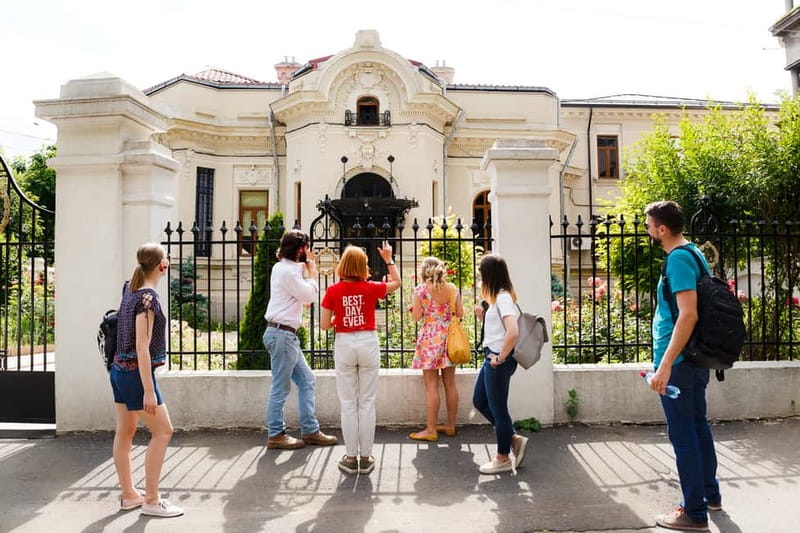
Next comes Biserica Batiștei, which sets the tone for the walking part: short, focused stops where the guide points out details you’d normally miss. The church area is a quiet anchor, and it helps you shift from the main public squares into smaller lanes where history is layered.
Then you head to Strada Batistei. This street is one of those Bucharest names that sparks curiosity because it’s described as the city’s St Germain—so think of it as a former social hub with a more cosmopolitan past. You’ll also see the old American embassy building, now treated like a background character instead of a headline. That contrast is part of the value: you’re learning how Bucharest changes roles over time, and how big institutions can fade into the city’s everyday scenery.
The route here also helps you build spatial sense. After this early section, you’ll start recognizing the neighborhoods more easily later—especially when you reach the Armenian Quarter and then move toward the market district. It’s an efficient way to get bearings fast, without feeling like a checklist tour.
One more practical note: keep your feet ready. This is mostly urban walking on streets and sidewalks, and while the terrain is manageable, it’s still a full afternoon. Comfortable shoes aren’t optional.
Armenian Quarter architecture: European lines meet Ottoman shapes
The Armenian Quarter is where the tour’s design clicks. You’re guided through an area known for architectural variety, especially around the Armenian church where you’ll see a mix of European and Ottoman influences. The point isn’t just to admire buildings—it’s to understand why the city looks the way it does.
As you walk through, the guide ties architectural styles to the deeper story of communities and changing eras in Bucharest. That’s how the stop stops feeling like a photo moment. You learn to read facades: arches, details, and the overall “language” of each building type.
This part also helps break up the later food-heavy segment. By the time you reach the market area, your brain isn’t only craving calories; it’s already switching gears between culture and cuisine. That balance is one of the reasons this tour works well for first-timers. You get a broad view without feeling like you’re sprinting between attractions.
If you’re the type who asks questions, you’ll likely enjoy this stretch. Many guides on this tour are good at fielding curiosity—everything from why certain neighborhoods developed to what daily life looks like outside the center.
Tram ride to Obor Market: seeing the city’s food engine up close

From the Armenian Quarter you hop on a tram toward Obor Market, Bucharest’s largest peasant market. This is more than transport. The tram ride is an easy way to watch the city in motion—people, street life, and architecture passing by in a way walking alone can’t deliver.
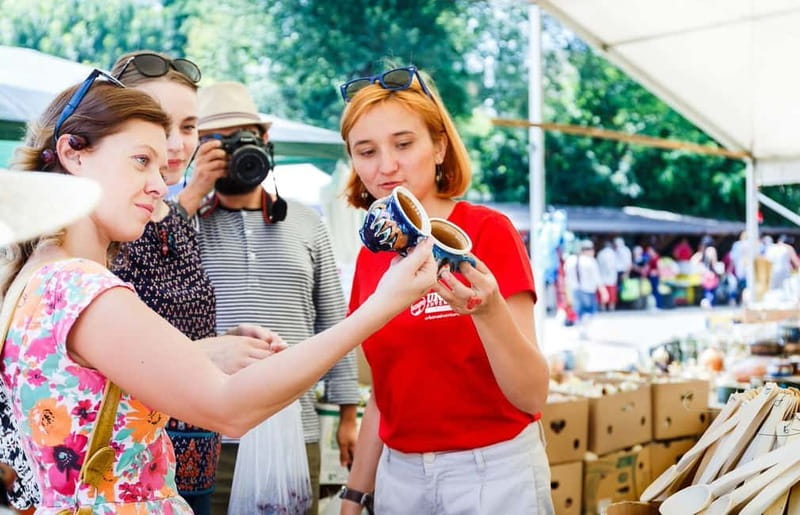
Obor itself gives you something different from a “tourist market.” It’s tied to everyday shopping and seasonal produce. Even if you’re not buying anything, the atmosphere is a kind of education: you see how food is presented, how vendors display goods, and how the market functions as a social place, not only a place to buy ingredients.
You’ll start the food portion here, which is smart timing. You arrive ready and curious, and the first tastings land with less effort. The tour also keeps you moving at a realistic pace, with stops planned so you can taste without constantly waiting in line.
One more transport detail worth knowing: you’ll have tram tickets included, and on some departures you may also use other public transit like the subway. Either way, the emphasis is on public transport because that’s where Bucharest looks and feels most real.

The tastings that matter: tuica, peasant platter, cheeses, mici, doughnut
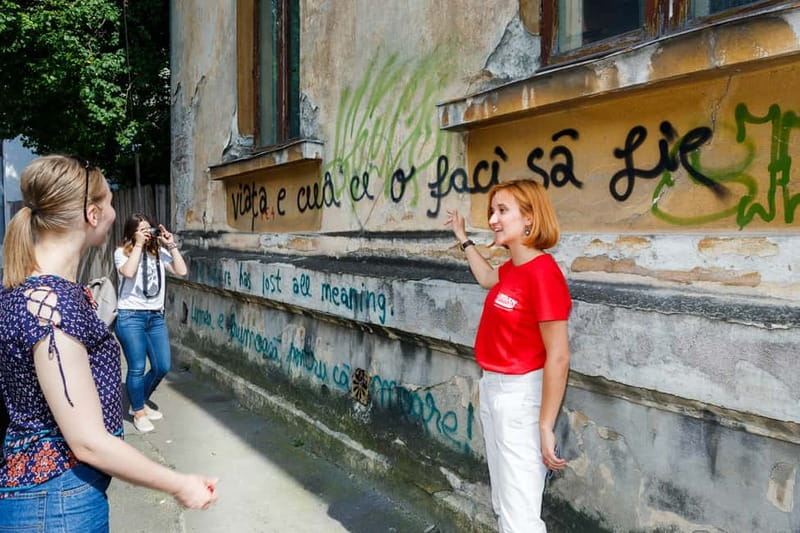
This is a food tour that doesn’t hide what you’ll eat. You’re offered a sequence designed to cover salty, creamy, meaty, and sweet—plus multiple drink moments.
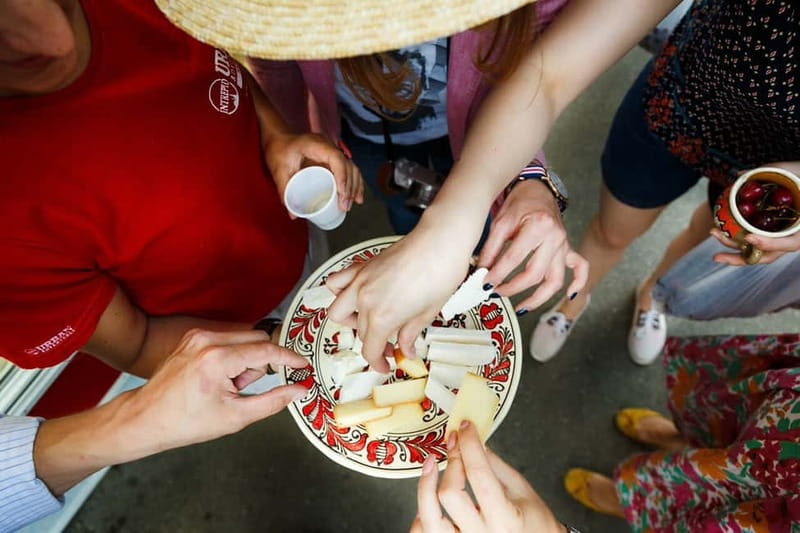
First, you’ll get a shot of tuica, a Romanian brandy. It’s usually the strongest taste early on, which is exactly when it’s best—before you’re too full for the flavors to register. Then you’ll have a peasant platter that brings in the basics of Romanian home cooking: dips, sausages, local cheeses, seasonal vegetables, and homemade bread. This platter matters because it frames Romania’s flavors as practical, not fancy.
Next comes a round of Romanian cheese samples and produce. Cheese in this context isn’t “just cheese.” The guide helps you understand why these products show up so often in local meals and how people think about flavor and pairing.
Then you reach the iconic part: mici. These grilled sausage bites are served with bread and mustard, and you’ll pair them with cold beer. Mici are often the moment where people realize Romanian food isn’t about one signature dish—it’s about how comfort foods create identity.
Finally, you end with a warm sweet treat: a Wallachian doughnut. It’s not a tiny afterthought. It’s a finishing note that keeps the tour from feeling like a long string of heavy tastes.
A quick practical read on the drinking
You’ll receive 3 beers (or soft drinks and coffee/tea) included, plus the tuica shot. If you don’t drink alcohol, tell your guide ahead of time and you’ll have non-alcoholic options as part of the included choices. If you do drink, sip intentionally. The tour also has walking time between tastings, so you’ll want your energy for the route.
Pace, group size, and why small beats crowded
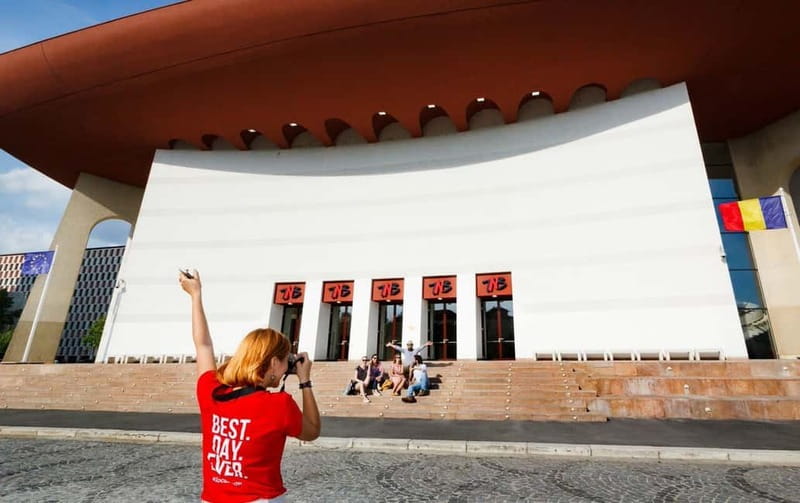
This tour caps at 12 people, and that small size is one of the best reasons to choose it. It’s easier to hear the guide, harder to get lost in the crowd, and you’re more likely to get personalized answers when you ask questions.
Many guests mention how the time flies, and that usually comes from a good rhythm: short walking stretches, clear stops, then food tastings without long waits. It’s not a strenuous hike. One key detail from real tour days is that the route stays fairly flat, and that helps keep the afternoon comfortable even though it lasts about five hours.
Also, the guide-host style can really affect this kind of day. On this tour, guides like Angelica and Michaela are noted for friendly, well-paced explanations and for being willing to answer the random questions that always pop up when you’re out in neighborhoods rather than at famous monuments.
One small piece of advice that keeps things enjoyable: if you can, skip a big breakfast before meeting. You’ll likely be offered more food than you expect, and you don’t want the doughnut to feel like punishment.
Price and value: what you’re really paying for
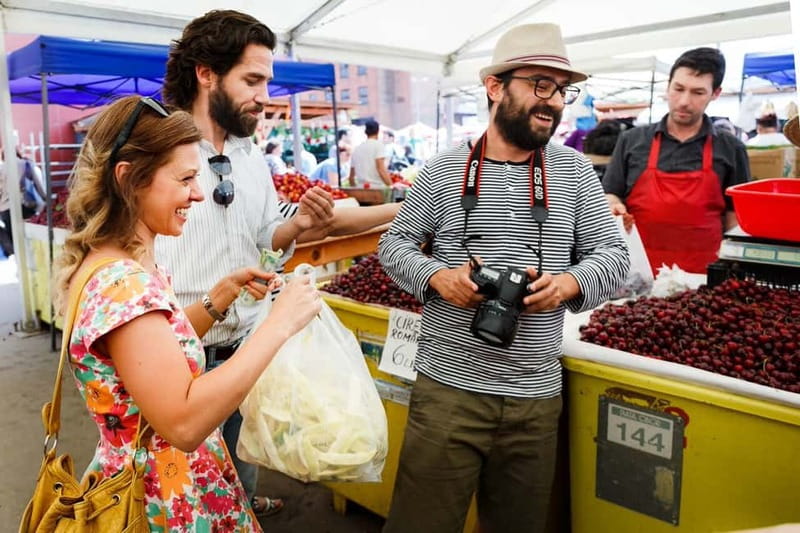
At around $100 per person, this tour sits in the midrange for Bucharest. The value isn’t only in food volume—it’s in what the day packages together.
Here’s the honest breakdown of what you get for that price:
- A guided walking route across several neighborhoods (not just the center)
- Multiple food stops with tastings, including tuica, mici, cheeses, and a warm doughnut
- Included drinks (beer or non-alcoholic choices, plus the tuica shot)
- Public transport assistance via tram tickets
- A small group size that makes the experience feel personal rather than crowded
What makes it feel like value is that you’re not planning anything yourself. You’re handed a sequence that flows: history stop → architecture explanation → transit → market culture → tasting progression → sweet finish. For many first-time visitors, that saves time and prevents the common mistake of eating at random places without local guidance.
And because there’s an option to accommodate dietary needs like vegetarian/vegan and gluten intolerant guests (with at least 24 hours’ notice), the day remains practical for different diets. That’s part of the real value too—less hassle for you.
Who should book this Bucharest hidden markets tour
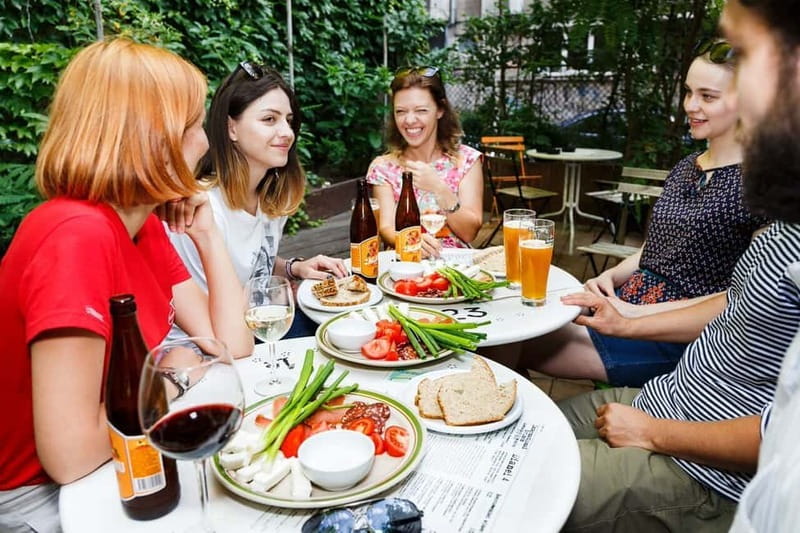
This tour is a strong fit if you want:
- A food-and-history pairing that stays grounded in daily life
- A route that goes beyond the main Bucharest lanes
- Plenty of tastings rather than one or two token bites
- A small-group experience with a guide who explains what you’re seeing
It’s also ideal for your first or second day in the city. You’ll get street-level context fast, plus a market you can return to later if you want to explore on your own.
Consider skipping or adjusting expectations if:
- You don’t want any alcohol tasting at all (tuica and beer are part of what’s included)
- You prefer very short walks and minimal standing (this is a 5-to-5.5-hour outing)
FAQ
FAQ
Where do I meet the guide?
You meet on the stairs of the National Theatre in front of the main entrance (Nicolae Bălcescu 2, Bucureşti). If you’re using Uber, use Bd. Nicolae Bălcescu 2.
How long is the Bucharest Hidden Markets walking tour?
The tour lasts about 5 to 5.5 hours.
What group size is this?
It’s a small group with a maximum of 12 participants.
What food and drink tastings are included?
You’ll receive a tuica shot, a peasant platter with dips, sausages, cheeses, seasonal vegetables and homemade bread, a cheese selection, mici (served with bread and mustard), a warm Wallachian doughnut, and 3 beers (or soft drinks and coffee/tea). There are also additional street snack items included.
Do we use public transport during the tour?
Yes. You’ll ride a tram to the Obor Market area, and tram tickets are included.
Can the tour handle vegetarian/vegan or gluten intolerance?
Yes. The operator can cater to dietary needs such as vegetarian/vegan and gluten intolerant, but you must notify them at least 24 hours in advance about allergies or sensitivities.
Is the tour suitable for children?
Children below age 6 aren’t permitted on this tour.
Should you book it?
I’d book it if you’re hungry for more than monuments—this is a day that uses markets, tram rides, and real Romanian tastings to explain how Bucharest works. The combination of small-group attention and a structured food progression (tuica → platter → cheeses and mici → doughnut) makes it feel efficient, fun, and genuinely local.
If you’re excited by the idea of tasting things you can’t easily recreate at home, and you’re okay with walking for a full afternoon, this is one of the best ways to spend your time in Bucharest.
More Tour Reviews in Bucharest
- Bucharest: Dracula’s Castle, Peles Castle, & Brasov Old Town
★ 4.5 · 17,858 reviews - Bucharest: Dracula Castle, Peles Castle & Brasov Old Town
★ 4.6 · 10,891 reviews - Bucharest: Dracula’s Castle, Peleș Castle & Brașov Day Trip
★ 4.4 · 6,100 reviews - Bucharest: Palace of Parliament Tickets and Guide
★ 4.3 · 3,182 reviews - Bucharest: Day Trip to Dracula Castle, Peles Castle & Brașov
★ 4.4 · 3,049 reviews - Bucharest to Dracula Castle, Peles Castle and Brasov Guided Tour
★ 4.5 · 2,933 reviews
Bucharest on Foot, Continued
- Bucharest: City Highlights Guided Walking Tour
★ 4.9 · 1,482 reviews - Bucharest: Communism and History Guided City Walking Tour
★ 4.9 · 918 reviews - Bucharest Highlights Walking Tour
★ 5.0 · 469 reviews - Bucharest: Ghost Stories & Romanian Mythology Walking Tour
★ 4.9 · 287 reviews - Bucharest: Guided Walking Tour with Romanian Snack
★ 4.9 · 228 reviews - Best of Bucharest | Private Walking Tour
★ 5.0 · 199 reviews
Just In: The Latest Bucharest Reviews



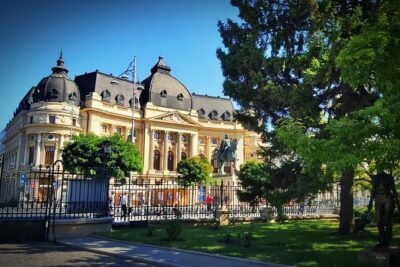
Bucharest Walking Tours, compared.
 ★ 4.9City Highlights Guided Walking TourFrom $211,482 reviews
 ★ 4.9Communism and History Guided City Walking TourFrom $31918 reviews
 ★ 5.0Bucharest Highlights Walking TourFrom $21469 reviews
 ★ 4.9Ghost Stories & Romanian Mythology Walking TourFrom $35287 reviews
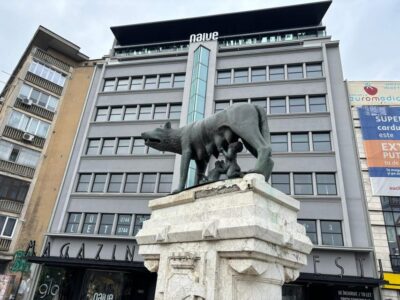 ★ 4.9Guided Walking Tour with Romanian SnackFrom $45228 reviews
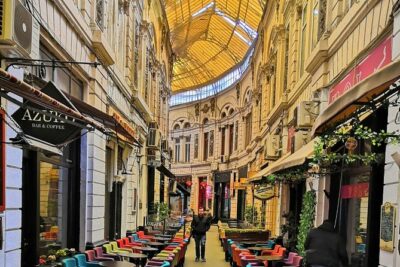 ★ 5.0Best of Bucharest | Private Walking TourFrom $314199 reviews
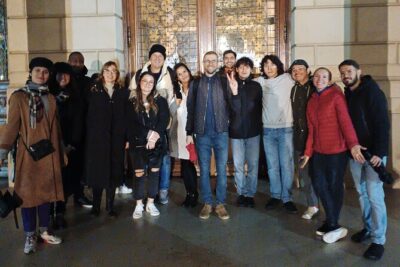 ★ 5.0Walking Tour- Delightful Bucharest (Highlights, Stories, Sights)From $22145 reviews
 ★ 5.04h Bucharest Private Tour (2h by Car and 2h Walking in Old Town)From $10090 reviews
Browse the lists this tour appears in