
REVIEW · COMMUNISM & CEAUșESCU TOURS
Bucharest: Entry ticket at the Museum of Communism
Communism feels real here, fast. The Museum of Communism in Bucharest turns decades of Ceaușescu-era life into something you can touch, read, and question—right in the Old Town where you’re already wandering. You’ll spend your time inside a tightly focused experience, with a guide available for questions as you go.
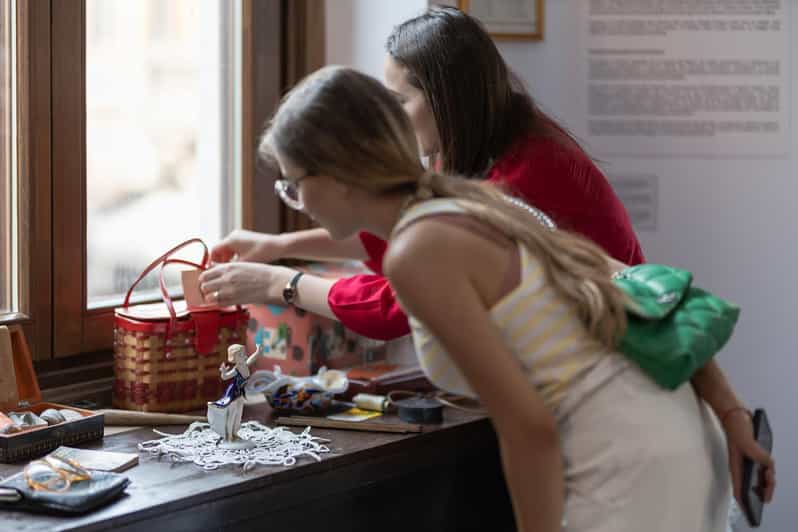
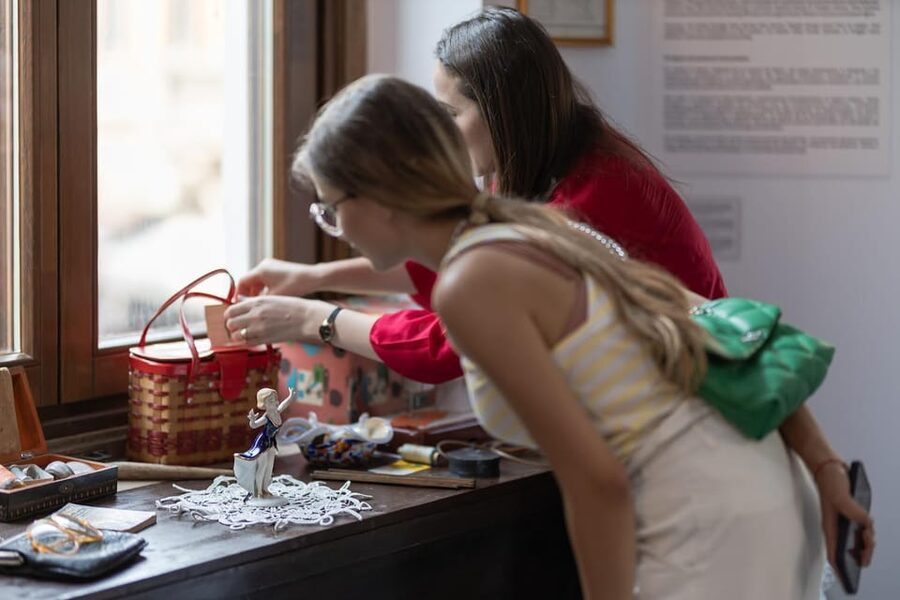
I especially like the interactive exhibits. You can try on period items and handle objects like you’re browsing a carefully staged time capsule, including old books to leaf through.
One thing to weigh: it’s on the smaller side, so if you’re expecting a huge, room-after-room timeline of everything that happened across communist Romania, you may want more depth.
In This Review
- Key things to know before you go
- Museum of Communism Bucharest: what this experience really is
- Old Town location and the easiest way to enter
- Hands-on exhibits: clothes, old books, and “wait, I can touch this?”
- Following the timeline through Ceaușescu and daily life
- The guide experience: ask questions, get clarity
- Sensory details and “feel/taste” touches: why they matter
- Coffee, drinks, and that house beer stop downstairs
- Ticket price and value: is $9 a fair deal?
- Who should book this museum (and who might skip)
- Practical timing: how to plan your Bucharest day around it
- Should you book the Museum of Communism in Bucharest?
- FAQ
- How much does the entry ticket cost?
- How long is the experience?
- Where do I enter and show my ticket?
- Is a guided tour included?
- Can I interact with the exhibits?
- Are drinks available inside the museum?
- Is the museum wheelchair accessible?
- Can I cancel for a full refund?
Key things to know before you go
- Try-on and hands-on displays: You can interact with several objects rather than just stand back.
- Guide available for questions: You won’t be left to guess what you’re seeing.
- Built around Ceaușescu’s era: The story runs through the period that most people come to understand.
- Sensory touches and real-era objects: The museum aims to make daily life feel tangible.
- Downstairs drinks stop: There’s a café and even a house beer with a distinctive label.
The communist decades, walked and explained
- The Real tour of Communism★ 5.0 · 666 reviews
- Life under Communism★ 5.0 · 358 reviews
- 3-Hour Guided Tour of Communist Bucharest★ 4.9 · 303 reviews
- Bucharest: Parliament, Ceausescu House & Village Museum Tour★ 5.0 · 208 reviews
Museum of Communism Bucharest: what this experience really is
This isn’t a passive museum where you read placards from across the room. The Museum of Communism in Bucharest is designed as a guided-yourself walkthrough with built-in moments that pull you in—objects you can handle, displays you can explore, and enough context to keep the story from feeling like random propaganda posters.
The setting matters too. Because it’s in Bucharest’s Old Town, it fits naturally into a day that already includes churches, courtyards, and late-afternoon café stops. You’re not hauling across town for a one-off museum visit.
And the overall tone is practical. It’s about life under the system—how it shaped what people wore, read, and used. If your curiosity runs toward daily reality rather than abstract politics, this museum hits the mark.
Old Town location and the easiest way to enter
The museum’s location in the Old Town is one of the smartest parts of the whole plan. You can pair it with a morning or afternoon wandering session without forcing your schedule into complicated transport.
When you arrive, your entry point is simple: enter and show your online ticket at the bar. That’s the kind of clarity that saves you time when you’re juggling other sights.
Since the ticket is valid for 1 day, I’d treat it like a flexible stop. Fit it when your brain can handle heavier topics—either earlier when you’re fresh, or later when you can process it slowly over dinner.
Hands-on exhibits: clothes, old books, and “wait, I can touch this?”
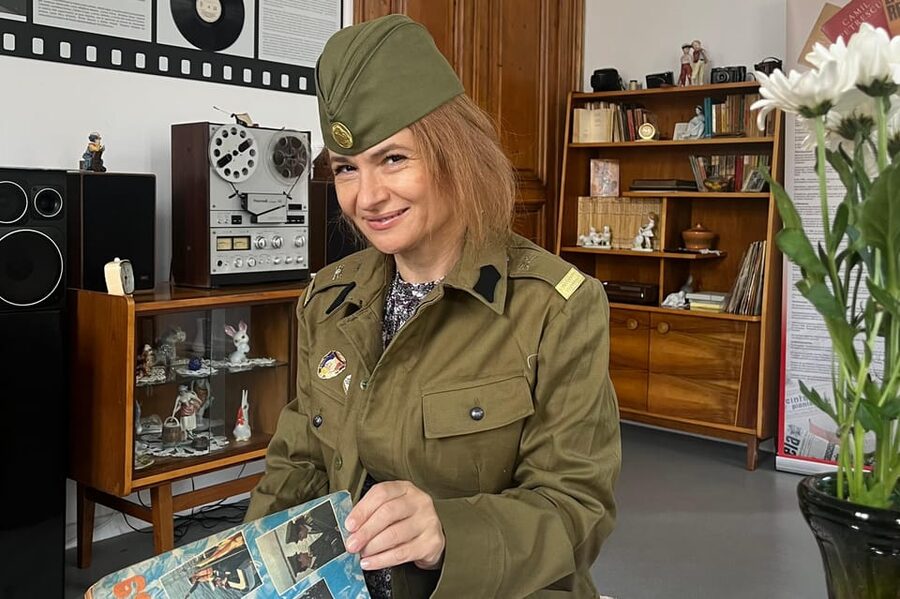
The best moments here are the interactive ones. I like museums that break the spell of distance, and this one does that repeatedly. One of the core attractions is the chance to try on clothing from the era—small but meaningful, because your body understands the difference in materials and fit faster than any text can.
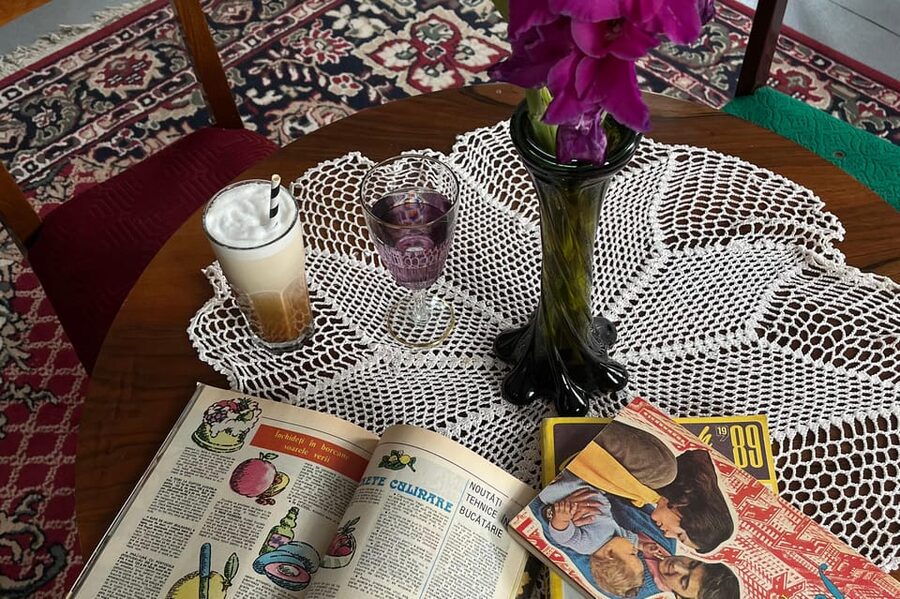
You’ll also find old books you can read. That matters more than it sounds. Books aren’t just “stuff from history.” They hint at what people were exposed to, what was promoted, and what daily reading could look like when the state had its hands on culture.
In other areas, you’ll see objects from communist Romania that help you build a mental map of the time. The museum pushes you to ask questions as you look: What’s this used for? How common was this? Who had access?
The upside of hands-on design is that it keeps the experience from turning into a slideshow. The downside is exactly what you might expect: the museum can feel like a sequence of strong interactive hits rather than a long, exhaustive exhibit marathon. If you want to spend hours, you may need to come with that expectation.
Following the timeline through Ceaușescu and daily life

A big reason people come is the period connected to Ceaușescu. The museum’s narrative guides you through the decades of communist Romania, but it doesn’t try to be everything for everyone.
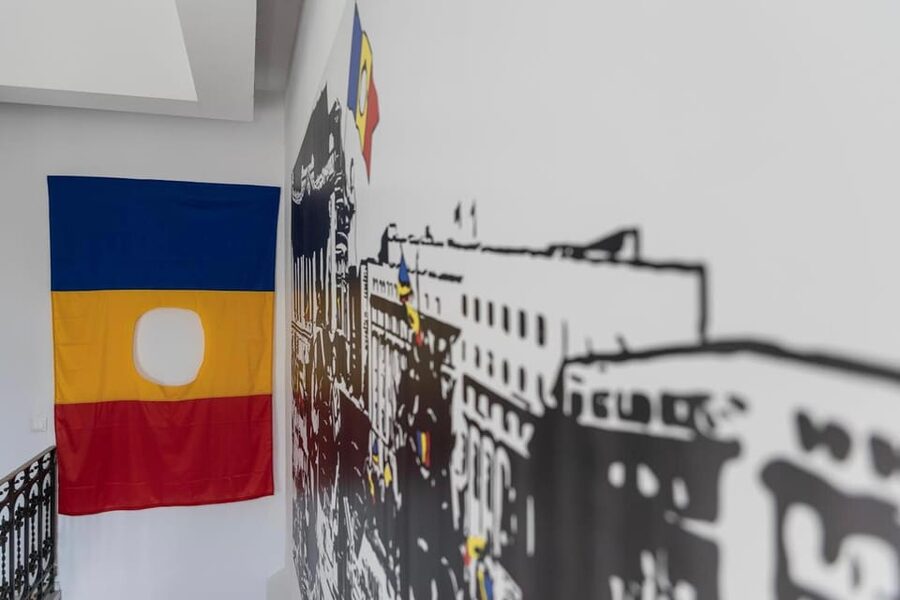
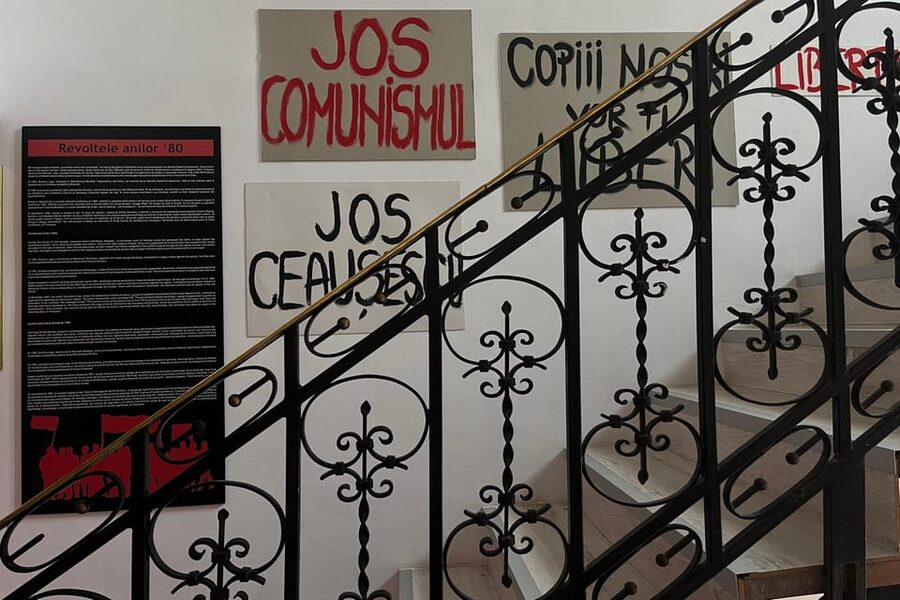
You’ll move from broad historical landmarks and evocative images of key moments into exhibits showing everyday life under communism. Think of it like shifting from “what happened” to “what it meant.” That transition is where many visitors get their biggest payoff, because understanding policy is one thing; seeing how it shows up in daily routines is another.
The museum also works because you can linger. You’re not just walking past. You’re reading old materials, looking at displayed objects closely, and deciding what to focus on. Add the fact that a guide is present for questions, and you can correct your own assumptions in real time.
Still, one consideration: if you’re expecting a huge amount of content across many decades, you might feel the collection is tight. Some visitors have described it as smaller than they expected compared to how long communism lasted in Romania.
More Bucharest halls, out of the weather




The guide experience: ask questions, get clarity

One of the best practical features is that there’s a guide available during your visit. This is the kind of museum where questions pop up constantly, especially if you’re trying to understand why certain things looked the way they did or how a system influenced daily routines.
I’d use the guide strategically. Don’t ask only broad questions like what communism was. Ask about specific details you’re seeing:
- What was the point of this kind of object?
- Was this common or more staged?
- How did daily life change across different years?
That’s where the guide support becomes more valuable than reading alone. It helps you interpret displays without losing your momentum.
Also, because the guide can answer curiosities about the political regime and everyday life, you’re less likely to leave with only surface-level impressions. You’ll have a few solid anchors you can carry into the rest of your Bucharest day.
Sensory details and “feel/taste” touches: why they matter
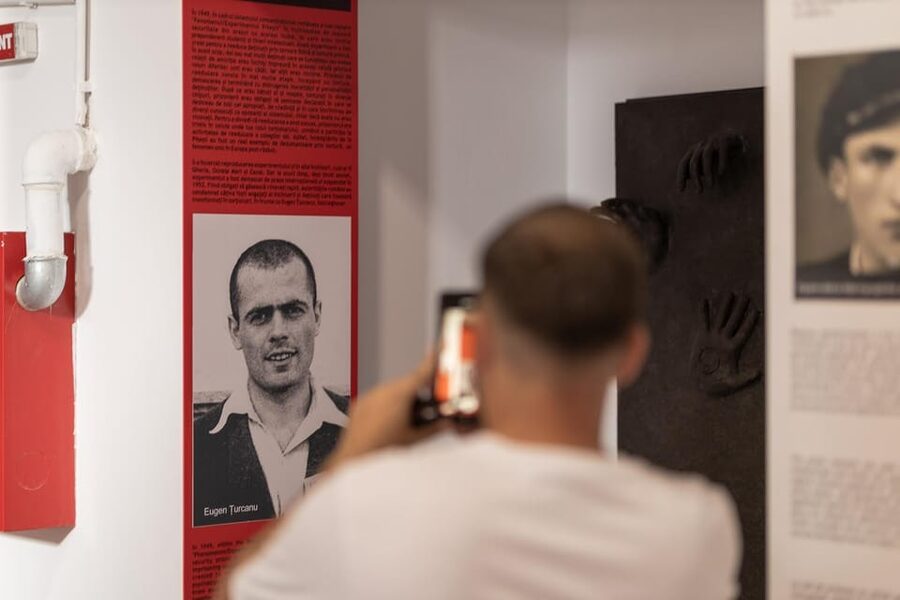
The museum doesn’t just show information—it tries to make the era feel physical. You’ll encounter exhibits and objects that aim to help you feel and taste the flavors of those times, not in a literal “food tour” way, but through the way the museum stages daily life and daily culture.
This is a smart approach for a topic that can otherwise stay cold and distant. Communist history can be talked about like a lecture. Here, the goal is closer to empathy: understanding through tangible cues—objects, settings, and the everyday vibe of what people encountered.
Even when you’re not sure you agree with a display’s framing, the physicality helps. You notice textures, the “why” behind items, and the effort involved in daily routines. It’s hard to reduce that to a quick photo caption.
If you’re the type who likes museums that make you slow down and pay attention, these sensory touches can be a big reason to go.
Coffee, drinks, and that house beer stop downstairs
Don’t underestimate the value of having food-and-drink flexibility inside your museum visit. The museum has a small coffee shop downstairs where you can buy drinks at your own expense.
Options include specialty coffee and soft drinks, plus traditional alcoholic drinks. One highlight mentioned is the house beer with a very original label. It’s not the main reason to visit, but it’s a nice reset button after absorbing heavier content.
I like planning this kind of stop because it breaks the day into chapters. You can treat the museum as the “learning block,” then end with a calmer moment before you head back out into Bucharest.
If you’re planning to drive or you’re sensitive to alcohol, keep it simple: coffee or a soft drink works just fine and still gives you that pause.
Ticket price and value: is $9 a fair deal?
At about $9 per person, this museum sits in the “reasonable spend” category, especially for a Bucharest Old Town visit. You’re paying for interactive exhibits, a guide available for questions, and a structured walkthrough that covers the communist era through key decades and into the Ceaușescu period.
What makes the value tricky is size. If you’re expecting a massive museum with endless rooms, the cost may feel small but the time might feel short. If you go with the right expectation—hands-on highlights plus context—then the price feels fair because you’re not just paying for walls and labels.
I think it’s a good value for travelers who:
- Want context without signing up for a full guided tour format
- Prefer interactive elements over just reading
- Like museums that can be fit into a half-to-full day without stress
Who should book this museum (and who might skip)
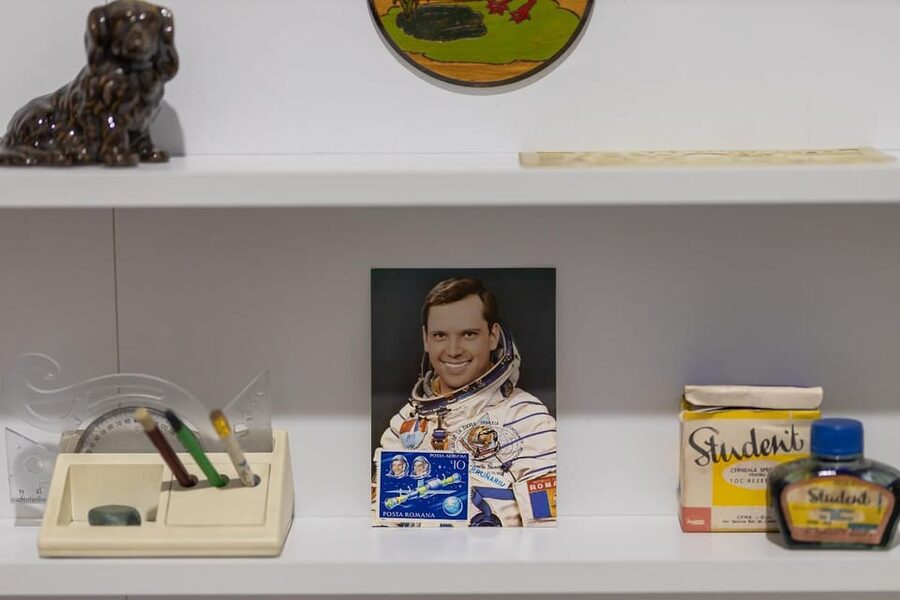
This is a strong pick if you’re curious about what systems did to ordinary life: clothing, reading materials, daily routines, and the way major events shaped the experience of people on the ground. It’s also a good fit if you like interactive exhibits and you enjoy asking questions as you look.
It may be less ideal if you need accessibility features. The museum is not suitable for wheelchair users, so plan accordingly.
If you’re traveling with people who hate politics and only want light topics, this might feel too heavy. But if your group can handle history with a human lens, it works well as an “education with texture” stop.
Practical timing: how to plan your Bucharest day around it
You have a 1-day ticket, so timing is flexible. I’d plan it as a focused stop rather than a background activity. Go when you can slow down enough to read some of the materials and use the interactive exhibits without rushing.
A smart way to do it:
- Do the museum after a lighter walking block, so you’re not mentally exhausted.
- Leave time after for coffee upstairs or dinner nearby in the Old Town area.
Because the museum can feel compact, rushing through will shrink your payoff. Give yourself room to touch, read, and ask a few questions.
Should you book the Museum of Communism in Bucharest?
Yes, I’d book it if you want a hands-on, guided-by-questions museum experience that helps you understand communist Romania beyond posters and dates. The interactive exhibits—especially the try-on items and old books—make the history more tangible than most museums of this type.
I’d think twice if you’re a “give me everything, forever” history collector. The museum is small, and some content may feel limited compared to how many years communism shaped Romania.
But for a budget-friendly Old Town stop with a guide available and a chance to interact, it’s an easy recommendation.
FAQ
How much does the entry ticket cost?
The price is listed as $9 per person.
How long is the experience?
The activity is valid for 1 day, so you can visit within that timeframe.
Where do I enter and show my ticket?
Please enter and show your online ticket at the bar.
Is a guided tour included?
A guided tour is not included. A guide is available during your visit to answer questions.
Can I interact with the exhibits?
Yes. The museum includes interactive displays where you can try on items and read old books.
Are drinks available inside the museum?
Yes. There is a coffee shop downstairs where you can buy coffee, soft drinks, and traditional alcoholic drinks (including house beer). Drinks are at your own expense.
Is the museum wheelchair accessible?
No. It is not suitable for wheelchair users.
Can I cancel for a full refund?
Yes. Free cancellation is available up to 24 hours in advance for a full refund.
More Tour Reviews in Bucharest
- Bucharest: Dracula’s Castle, Peles Castle, & Brasov Old Town
★ 4.5 · 17,858 reviews - Bucharest: Dracula Castle, Peles Castle & Brasov Old Town
★ 4.6 · 10,891 reviews - Bucharest: Dracula’s Castle, Peleș Castle & Brașov Day Trip
★ 4.4 · 6,100 reviews - Bucharest: Palace of Parliament Tickets and Guide
★ 4.3 · 3,182 reviews - Bucharest: Day Trip to Dracula Castle, Peles Castle & Brașov
★ 4.4 · 3,049 reviews - Bucharest to Dracula Castle, Peles Castle and Brasov Guided Tour
★ 4.5 · 2,933 reviews
Bucharest Indoors: More Museums
- Bucharest: Museum of Senses Entry Ticket
★ 4.3 · 627 reviews - Bucharest: Parliament, Ceausescu House & Village Museum Tour
★ 5.0 · 208 reviews - Communism in Bucharest – Landmarks, Museum & Communist Appetizers
★ 5.0 · 111 reviews - Bucharest: Reptiland Bucharest Entry Ticket
★ 4.6 · 56 reviews - Bucharest: Museum of Communism Ticket with Communist Coffee
★ 4.6 · 52 reviews - Bucharest: Dinner+Tour at Museum of Communism after closing
★ 4.9 · 46 reviews
The Communist Years, Up Close
- Bucharest: Communism and History Guided City Walking Tour
★ 4.9 · 918 reviews - The Real tour of Communism
★ 5.0 · 666 reviews - Life under Communism
★ 5.0 · 358 reviews - 3-Hour Guided Tour of Communist Bucharest
★ 4.9 · 303 reviews - Bucharest: Parliament, Ceausescu House & Village Museum Tour
★ 5.0 · 208 reviews - Bucharest Essential Tour: Old Town, Calea Victoriei & Communism
★ 5.0 · 142 reviews
Just In: The Latest Bucharest Reviews





Communism & Ceaușescu Tours, compared.
 ★ 4.9Communism and History Guided City Walking TourFrom $31918 reviews
 ★ 5.0The Real tour of CommunismFrom $32666 reviews
 ★ 5.0Life under CommunismFrom $42358 reviews
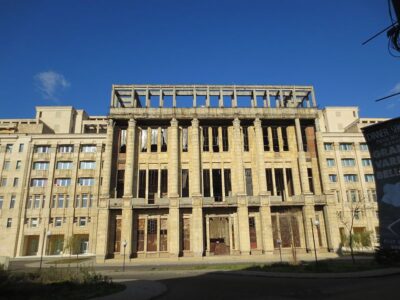 ★ 4.93-Hour Guided Tour of Communist BucharestFrom $29303 reviews
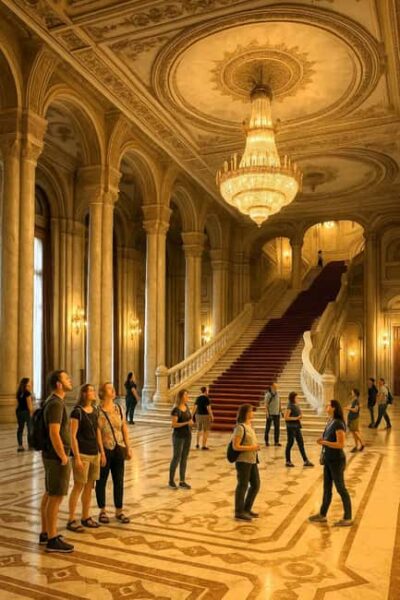 ★ 5.0Parliament, Ceausescu House & Village Museum TourFrom $1208 reviews
 ★ 5.0Bucharest Essential Tour: Old Town, Calea Victoriei & CommunismFrom $24142 reviews
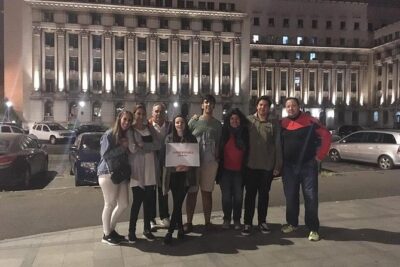 ★ 5.0Communism in Bucharest – Landmarks, Museum & Communist AppetizersFrom $48111 reviews
 ★ 4.9Palace of Parliament, Ceausescu House & Village MuseumFrom $186 reviews
Browse the lists this tour appears in