
REVIEW · COMMUNISM & CEAUșESCU TOURS
3-Hour Guided Tour of Communist Bucharest
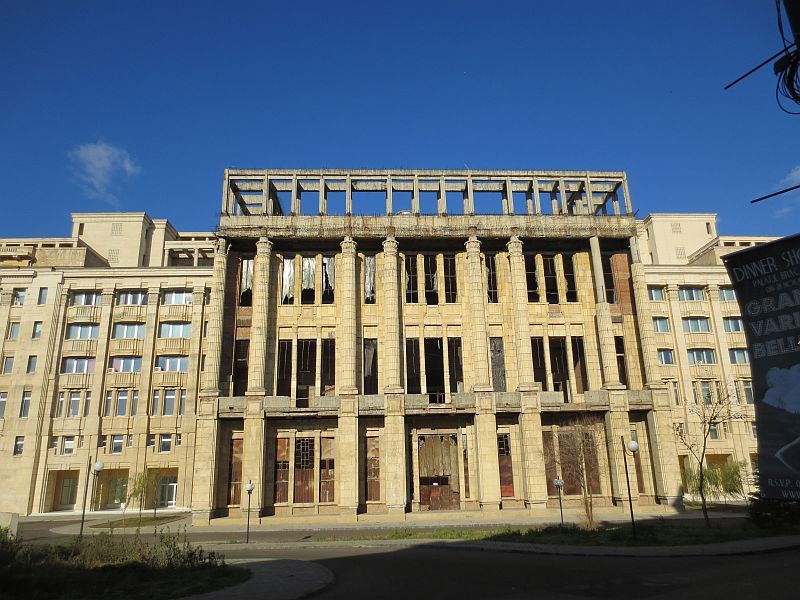
Communism still shapes Bucharest’s skyline today, and this 3-hour guided walk explains how it got there. You’ll see how two eras collided in the streets: inter-war Bucharest that felt modern and lived-in, then a communist state that tried to reshape everything—people, neighborhoods, even how buildings looked. The result is a city full of contrasts you can actually read on the ground. Ceausescu’s rise and fall sits behind it all, along with the 1989 revolution sites that broke the system.
Two things I really like: first, the way the tour uses architecture as evidence, not just sightseeing. You’re not only looking at buildings; you’re learning why the regime built the way it did, and what was lost when it demolished homes. Second, guides such as Cristina bring the story to life with photos and personal family anecdotes, so daily life under communism feels human, not abstract.
One drawback to plan for: it’s still a walking tour, and on very hot days you may spend time standing while explanations happen. Bring water if it’s warm, and wear comfortable shoes so the pace feels easy rather than exhausting.
In This Review
- Key highlights you’ll care about
- Communist Bucharest in Three Hours: What You’re Actually Learning
- Meeting by the Red-Brick Bell Tower: Start Smart Near Piata Unirii
- Ceausescu’s Rise and Fall on City Streets
- Architecture as Propaganda: Spotting the Communist Style
- The Inter-War Neighborhoods You Can Still Walk Through
- 1989 Revolution Memorials: Understanding Why It Happened Here
- Café Break Reality: Snacks Included, Drinks at Your Own Expense
- Price and Value: Getting More Than a Quick Sightseeing Loop
- Who Should Book This Communist Bucharest Tour
- Should You Book This Tour
- FAQ
- How long is the 3-Hour Guided Tour of Communist Bucharest?
- Where do I meet for the tour?
- Is the tour in English?
- What’s included in the price?
- Will I enter the Palace of the Parliament?
- Is there a café stop during the tour?
Key highlights you’ll care about
- Ceausescu’s timeline tied to real streets (power, control, and collapse)
- Communist architecture explained in plain language so you can spot the design choices
- Daily life under communism told through human details, not slogans
- 1989 revolution memorial stops that connect the city to political change
- Inter-war neighborhoods plus Uranus remains, showing what survived and what didn’t
- A short café break for drinks/snacks on your own tab, plus small snacks included
The communist decades, walked and explained
- The Real tour of Communism★ 5.0 · 666 reviews
- Life under Communism★ 5.0 · 358 reviews
- 3-Hour Guided Tour of Communist Bucharest★ 4.9 · 303 reviews
- Bucharest: Parliament, Ceausescu House & Village Museum Tour★ 5.0 · 208 reviews
Communist Bucharest in Three Hours: What You’re Actually Learning
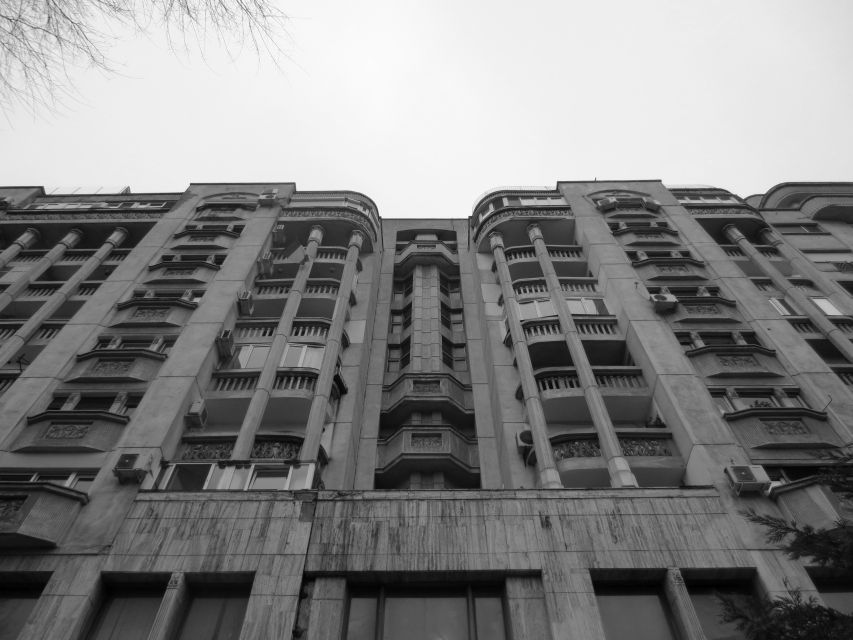
This tour is built around a simple idea: Bucharest doesn’t just have communist-era landmarks. It shows you the conflict between two worlds—one that tried to modernize through inter-war progress, and another that tried to control everything through fear, planning, and propaganda.
In just three hours, you’ll get the big story of the Romanian dictator Nicolae Ceausescu—how his regime rose, tightened the grip, and eventually fell. But the tour goes further than politics. You’ll learn how the communist state used architecture to project power, and how nationalization and forced demolition tore through real communities. That’s what makes this more than a list of sights.
You’ll also get the post-communist shock in context. The 1989 revolution isn’t treated like a distant textbook event. Instead, it’s linked to memorials and sites that mattered when the Iron Curtain started breaking, so you understand what was at stake right where you’re standing.
Meeting by the Red-Brick Bell Tower: Start Smart Near Piata Unirii
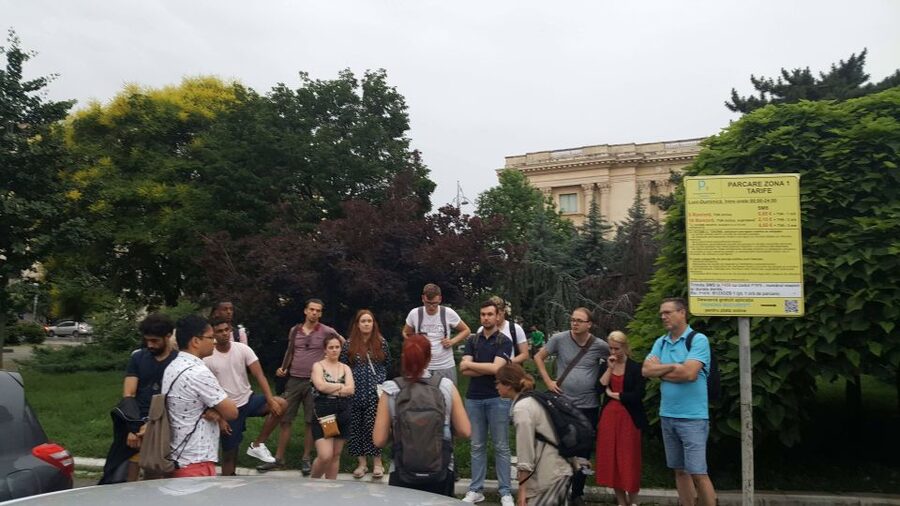
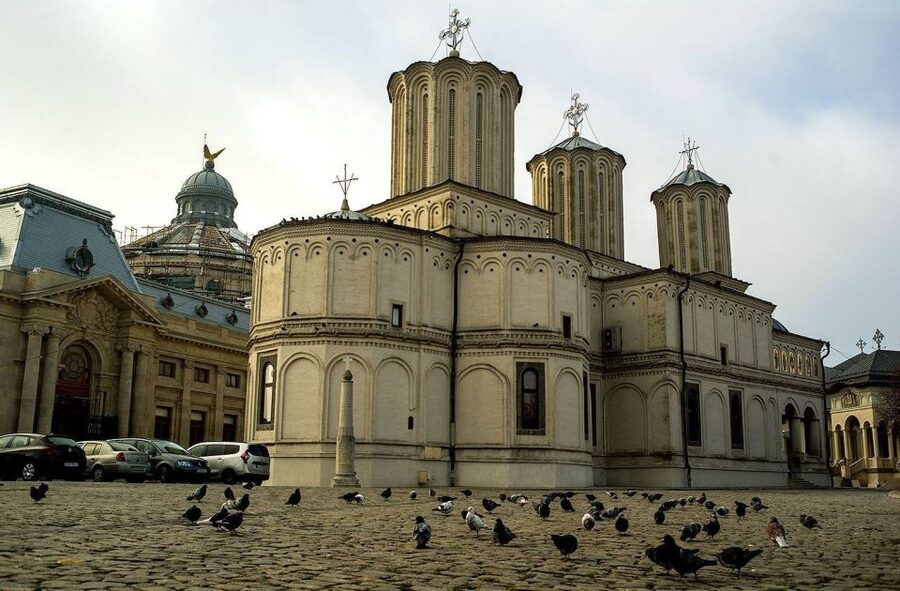
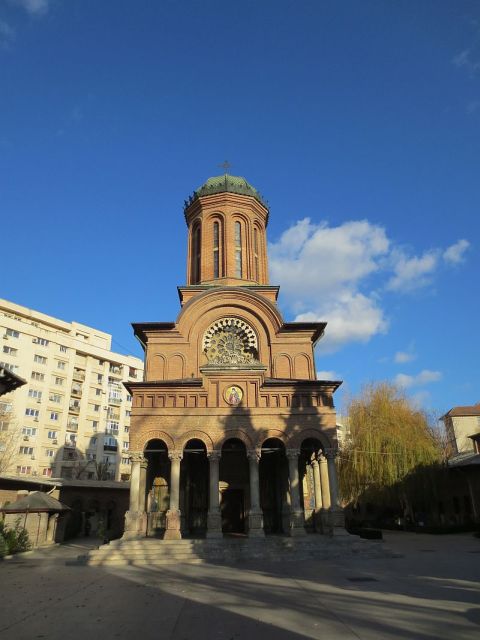
Your tour begins near the red-brick bell tower of the Patriarchy, close to Piata Unirii (Aleea Dealul Mitropoliei 19). This matters because it puts you in central Bucharest without making you hunt across the city for the start.
Once you’re with your guide, the first minutes typically help you get your bearings fast: what neighborhood you’re in, what era shaped it, and what to watch for as you walk. The route is designed to connect history to geography. You’ll notice how the city changes as you move—subtle at first, then very obvious once you understand the patterns behind the buildings.
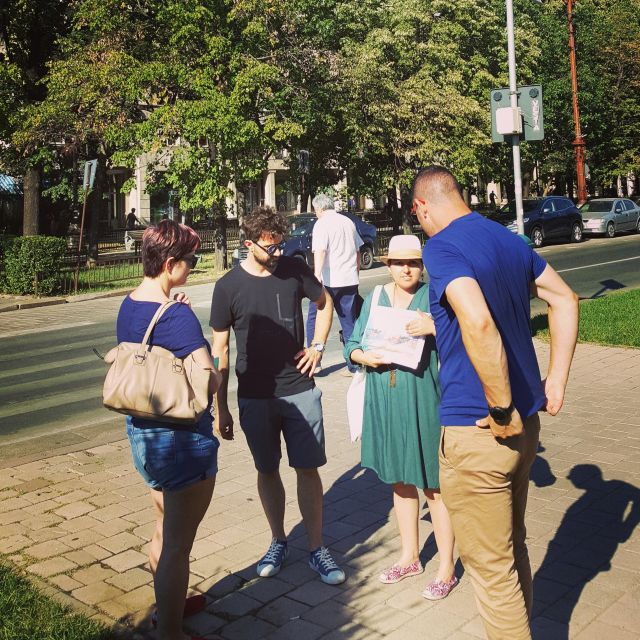
Comfort tip: even if the walk doesn’t feel long, you’ll likely be standing at multiple stops. The tour data specifically asks for comfortable shoes, and that’s exactly right. If you’re visiting in warm weather, I’d also bring water, since explanations can happen outside and time adds up.
Ceausescu’s Rise and Fall on City Streets
Ceausescu is the tour’s spine. You’ll hear how the communist regime took control and why that control turned violent from the start. The story includes the nationalization of property and the forced demolition of homes—details that help explain why some parts of Bucharest feel planned and monumental, while other areas feel scarred by disruption.
What I like is the way the tour doesn’t just name events. It connects them to visible outcomes. When you learn why people were displaced, the architecture you see later isn’t just impressive. It becomes uncomfortable evidence of a system that prioritized the state over ordinary life.
You’ll also hear about the Ceausescu family and the darker side of the regime. In practice, this is one of those tours where the facts land harder because your surroundings are the same ones where people once had to live. That’s why this tour works even if you’re not a history fanatic. You can still follow the narrative because the city keeps giving you visual clues.
Architecture as Propaganda: Spotting the Communist Style
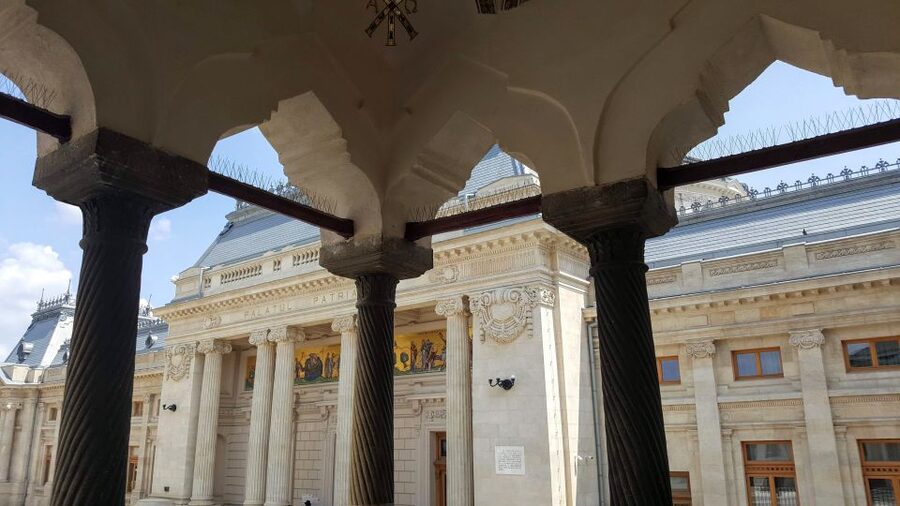
Communist architecture in Bucharest is not neutral. It’s a message. As you move through landmark areas, your guide will explain the regime’s distinctive style and why it looked the way it did—big statements, strong symmetry, and buildings designed to dwarf the individual.
Then comes the useful part: you’ll see the contrast with earlier layers of the city. Inter-war Bucharest had a different rhythm—more human scale, more varied styles, and neighborhoods that developed with daily life in mind. When those inter-war spaces meet communist redevelopment, you feel the break.
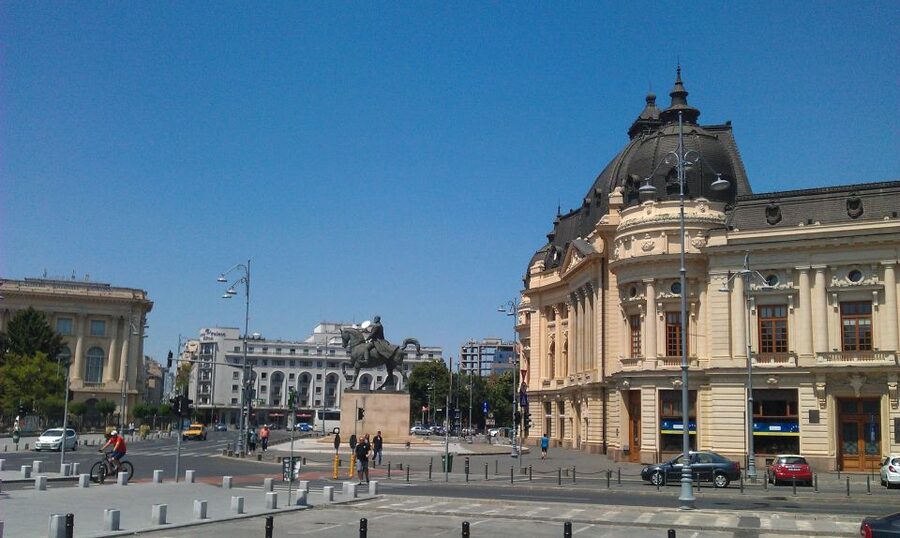
The standout stop for most visitors is the Palace of Parliament. You’ll see the palace as part of the tour, and your guide will tell you what it represents. Just note the practical detail: the tour includes seeing it, but you do not go inside. If you want museum interiors or deeper access, you’ll need to plan that separately.
Worth a look before you lock in this Bucharest tour:



The Inter-War Neighborhoods You Can Still Walk Through
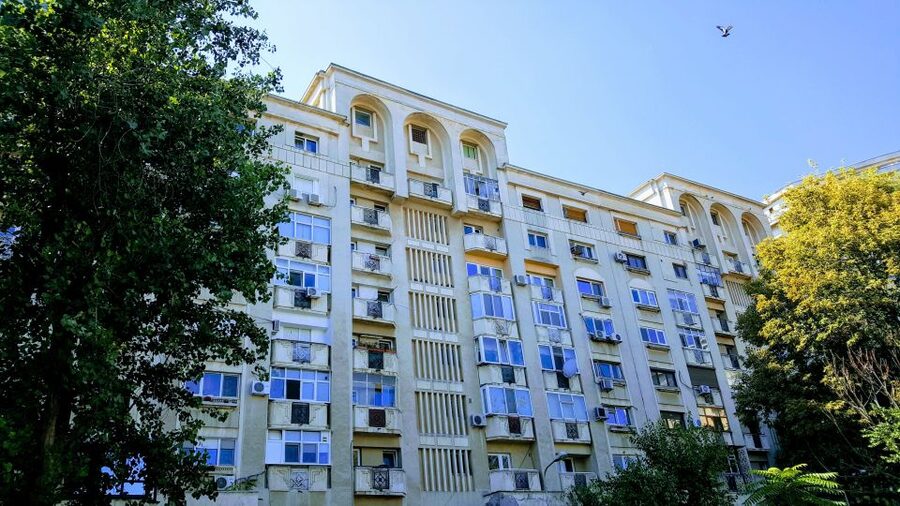
One reason this tour gets recommended is that it doesn’t only focus on the dramatic monuments. You’ll spend time in smaller, more charming inter-war neighborhoods that were saved from communist urban re-modelling. That’s where the story stops being only about power and becomes about survival.
These areas help you understand what the regime tried to replace. When you see streets that retain an older character, you grasp that communist redevelopment wasn’t inevitable progress. It was a choice—one that reshaped lives and erased parts of the city’s social fabric.
You’ll also visit the remains of the Uranus neighborhood, which helps explain the physical cost of modernization-by-force. Even if you don’t catch every detail on your first walk through, the point is clear: the city has gaps, and the gaps have names and reasons.
If you enjoy reading a city through its layers—like you’re decoding a map built out of politics—this section is where the tour starts to feel personal.
1989 Revolution Memorials: Understanding Why It Happened Here
The tour’s final emotional push connects communist rule to the events of 1989. You’ll visit political memorials and sites tied to the uprising that helped bring the system down.
This part matters because 1989 is often reduced to a single date. Here, it’s treated like a turning point shaped by years of repression. Your guide connects the dots between daily life under the regime, public frustration, and the energy that led to change.
You’ll likely spend time listening at each stop, and this is where the guide style really shows. In the best cases, guides use photos and stories so the sites make sense. Some guides, including Cristina in multiple accounts, bring in personal family anecdotes, which helps you understand how political events echoed into households.
One practical note: since you’ll be outside at several locations, pace yourself. If you need frequent photos breaks, this kind of tour is best when you don’t rush the human parts of the story.
Café Break Reality: Snacks Included, Drinks at Your Own Expense
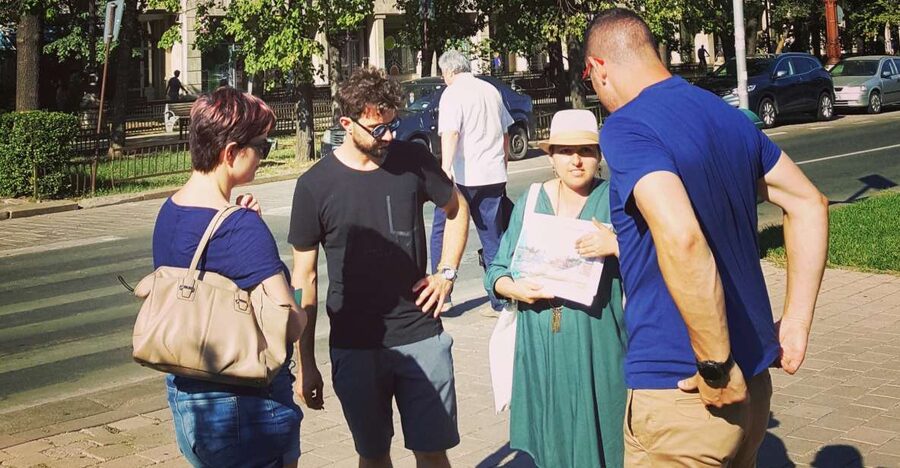
The tour includes a short café break. This is for sanity more than sightseeing. You can grab drinks or snacks, but you pay at your own expense.
You also get small snacks included with the tour. In a few accounts, guides brought something extra for the group, which adds a gentle, local touch to a topic that can feel heavy. The small snacks are helpful because three hours can feel longer than you expect once you’re walking and listening.
If you’re the type who likes to stay fueled, this is a good setup: snack coverage from the tour, plus the option to buy whatever you want at the café. On hot days, plan to use the café break as your recovery checkpoint, and consider bringing water from the start if you tend to get thirsty quickly.
Price and Value: Getting More Than a Quick Sightseeing Loop
At $29 per person for three hours, this tour is priced like a smart “history and orientation” experience rather than a premium deep-access museum day. You’re paying for a guide, time-efficient routing through key zones, and the storytelling that turns landmarks into meaning.
A couple of cost-related limits are worth understanding. Museum fees are not included, and you won’t visit inside the Palace of Parliament. That means you’re paying for the guided walk and stop explanations, not for full indoor attraction time. If you want to go inside museums afterward, you’ll need to budget that separately.
Still, for the core experience—Ceausescu’s era, communist architectural messaging, everyday life under the regime, and 1989 revolution sites—this price feels reasonable. The guide is the main ingredient, and the accounts consistently highlight how entertaining and engaging the storytelling can be, with room for questions and explanations that help you form your own impressions.
Also worth noting: the tour is English-language, with live guidance throughout. That makes the structure of the three hours feel coherent, even if you don’t know much Romanian history beforehand.
Who Should Book This Communist Bucharest Tour
This tour is a strong fit if you:
- Want to understand the city beyond photos, using architecture and politics together
- Like guided storytelling that includes real-life context, not only dates and names
- Plan a short visit and want a compact way to grasp Ceausescu-era Bucharest and 1989
You might want to choose something else if you:
- Hate walking tours or struggle with standing in heat
- Want full museum access or guaranteed entry inside the Palace of Parliament
A good strategy is to pair this with one or two self-guided hours afterward. When you’ve got the historical “why” from the guide, you’ll notice details you’d miss on your own.
Should You Book This Tour
Yes, I’d book it—especially if you care about how political systems shape the places where people live. The tour gives you a clear narrative, and it does it in a way that connects landmarks to the human cost of the regime. The focus on contrast—inter-war Bucharest vs communist redevelopment—and the inclusion of 1989 revolution sites makes the whole walk feel purposeful.
If you’re worried about the standing time, handle it the smart way: wear supportive shoes, bring water in warm weather, and use the café break to reset. For most visitors, that turns the only real drawback into a minor inconvenience.
If you want one guided experience that helps you read Bucharest like a story, this is one of the best bets in a tight schedule.
FAQ
How long is the 3-Hour Guided Tour of Communist Bucharest?
The tour lasts 3 hours.
Where do I meet for the tour?
You meet near the red-brick bell tower of the Patriarchy, within walking distance from Piata Unirii, at Aleea Dealul Mitropoliei 19, București 030167, Romania.
Is the tour in English?
Yes, it’s offered in English with a live tour guide.
What’s included in the price?
The tour includes the guided tour and small snacks.
Will I enter the Palace of the Parliament?
No. You’ll visit and see the Palace of Parliament, but you will not go inside.
Is there a café stop during the tour?
Yes. There’s a short break at a café, but drinks and snacks there are at your own expense.
More 3-Hour Experiences in Bucharest
- Bucharest: Alternative Sightseeing 2.5-3h-Hour Guided Tour
★ 4.9 · 80 reviews - Bucharest: Relics of Communism 3-Hour Walking Tour
★ 4.9 · 77 reviews - Alternative Bucharest: 2.5-3 Hours Walking tour (Small groups)
★ 5.0 · 32 reviews - 3h Bucharest Private Walking Tour – only your group
★ 4.5 · 12 reviews - 3h Bucharest Private Tour by Car
★ 4.5 · 11 reviews - Private Transfer and 3H Tickets to Therme Bucharest
★ 4.5 · 10 reviews
More Tour Reviews in Bucharest
- Bucharest: Dracula’s Castle, Peles Castle, & Brasov Old Town
★ 4.5 · 17,858 reviews - Bucharest: Dracula Castle, Peles Castle & Brasov Old Town
★ 4.6 · 10,891 reviews - Bucharest: Dracula’s Castle, Peleș Castle & Brașov Day Trip
★ 4.4 · 6,100 reviews - Bucharest: Palace of Parliament Tickets and Guide
★ 4.3 · 3,182 reviews - Bucharest: Day Trip to Dracula Castle, Peles Castle & Brașov
★ 4.4 · 3,049 reviews - Bucharest to Dracula Castle, Peles Castle and Brasov Guided Tour
★ 4.5 · 2,933 reviews
The Communist Years, Up Close
- Bucharest: Communism and History Guided City Walking Tour
★ 4.9 · 918 reviews - The Real tour of Communism
★ 5.0 · 666 reviews - Life under Communism
★ 5.0 · 358 reviews - Bucharest: Parliament, Ceausescu House & Village Museum Tour
★ 5.0 · 208 reviews - Bucharest Essential Tour: Old Town, Calea Victoriei & Communism
★ 5.0 · 142 reviews - Communism in Bucharest – Landmarks, Museum & Communist Appetizers
★ 5.0 · 111 reviews
Just In: The Latest Bucharest Reviews



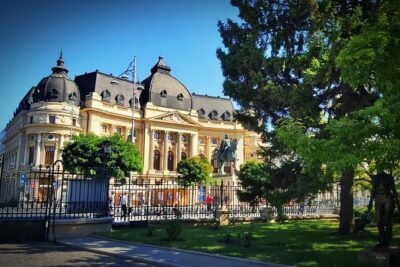
Communism & Ceaușescu Tours, compared.
 ★ 4.9Communism and History Guided City Walking TourFrom $31918 reviews
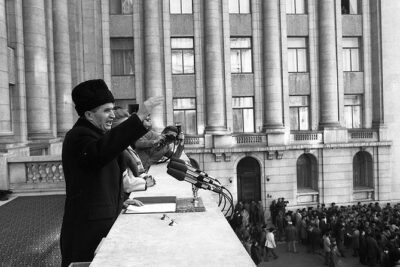 ★ 5.0The Real tour of CommunismFrom $32666 reviews
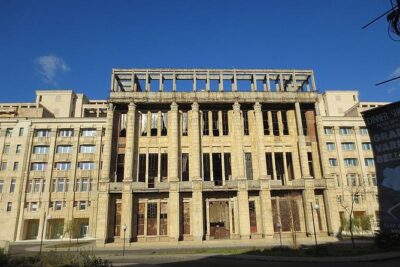 ★ 5.0Life under CommunismFrom $42358 reviews
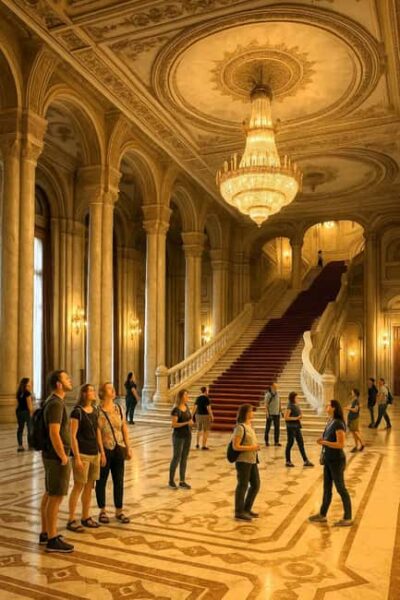 ★ 5.0Parliament, Ceausescu House & Village Museum TourFrom $1208 reviews
 ★ 5.0Bucharest Essential Tour: Old Town, Calea Victoriei & CommunismFrom $24142 reviews
 ★ 5.0Communism in Bucharest – Landmarks, Museum & Communist AppetizersFrom $48111 reviews
 ★ 4.9Palace of Parliament, Ceausescu House & Village MuseumFrom $186 reviews
 ★ 4.9Relics of Communism 3-Hour Walking TourFrom $4477 reviews
Browse the lists this tour appears in