
REVIEW · COMMUNISM & CEAUșESCU TOURS
Bucharest: Museum of Communism Ticket with Communist Coffee
A museum that makes you feel the era. The Museum of Communism in Bucharest is more than reading panels. I love how hands-on it is, and I also like the bonus of a cup of nechezol communist coffee served in a period living-room setup. One thing to consider: the museum is small, so if you expect wall-to-wall artifacts or a super academic tone, you might want to go in with the right expectations.
You’ll spend about 45 minutes to 1 hour inside, with plenty of chances to interact rather than just stand back and watch. A guide is available for questions while you move through the exhibits, and that Q&A time is where the experience can click fast. The main drawback is that some parts can feel a bit simplified, with general statements about everyday life during the communist period.
If you’re curious about how communism shaped daily life in Romania, this is a fun, low-cost way to get oriented. I’d call it a good stop for short attention spans and for people who like photo moments and hands-on activities.
In This Review
- Key things to know before you go
- Why this museum works: it’s built around participation
- How long to plan for (and when it fits best in your day)
- The communist living room and the taste of nechezol
- Asking questions in the museum: where the visit can turn from fun to meaningful
- Exhibit choices: what you’ll likely love, and what may feel basic
- Comfort details that matter more than you think
- Price and value: what you’re paying for at $10
- Who this museum suits best (and who should think twice)
- Should you book the Museum of Communism with communist coffee?
- FAQ
- What is included with the ticket?
- How long does the experience take?
- What language is available?
- Can I ask questions while I visit?
- Is the coffee included, and what is it?
- Is it wheelchair accessible?
- Can I reserve and pay later?
- FAQ
- Is there a free cancellation option?
- Do I need to pick a specific start time?
Key things to know before you go

- Interactive exhibits you can touch: type on an old typewriter, read original magazines, and try on old clothing.
- Ask questions during your visit: an English host/greeter and in-museum guidance are available.
- Nechezol coffee is part of the ticket: you taste it in an original cup from the museum living-room scene.
- Short visit by design: plan around an hour, not an all-day museum marathon.
- Small museum feel: there’s no gift-shop distraction, but the focus is on experience stations and period props.
- Not wheelchair-friendly: the ticket notes it’s not suitable for wheelchair users.
The communist decades, walked and explained
- The Real tour of Communism★ 5.0 · 666 reviews
- Life under Communism★ 5.0 · 358 reviews
- 3-Hour Guided Tour of Communist Bucharest★ 4.9 · 303 reviews
- Bucharest: Parliament, Ceausescu House & Village Museum Tour★ 5.0 · 208 reviews
Why this museum works: it’s built around participation
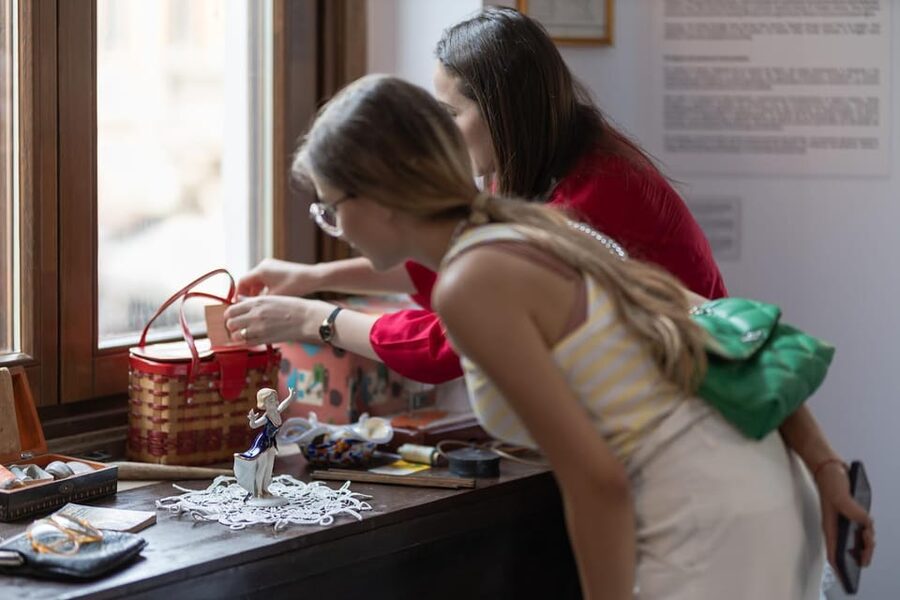
The Museum of Communism in Bucharest doesn’t rely on a giant “do not touch” vibe. A big part of the appeal is that you can actually use things. You can type on an old typewriter, browse through period publications like magazines, and try on old clothing. That turns history from a list of dates into something your hands understand.
You don’t have to pretend you’re an expert. You just need a willingness to play along for a short time. And when you do that, you start noticing details that you’d likely miss with only text—how objects look, what kinds of materials were common, and how everyday life was staged and remembered.
In a lot of museums, you walk, you read, you move on. Here, you get stations where the museum is actively trying to get you to react: take a photo, ask a question, wear something from the period, or press keys on a machine people used when information and entertainment were limited.
That’s also why this kind of ticket feels like it has value beyond “entry.” The experience isn’t just permission to look. It’s permission to participate.
How long to plan for (and when it fits best in your day)
This museum is short. One review described it as a quick stop, around 45 minutes to 1 hour. That makes it easy to slot into a Bucharest day without stressing your schedule.
I like that because it changes how you should plan. Instead of treating it like a full museum afternoon, treat it like a focused detour that helps you understand what you’ll see around the city afterward. If you’re pairing it with other sights, you won’t be stuck waiting for the visit to end.
Also, because it’s small, your mood matters. If you go when you’re tired and you just want facts, you might find parts move faster than you’d like. If you go with curiosity and a bit of humor, the interaction stations can feel like a clever way to learn.
If you’re visiting solo, you can still enjoy it. But if you’re with others, the photo moments and dressing-up pieces may feel more fun and less like a staged activity.
The communist living room and the taste of nechezol

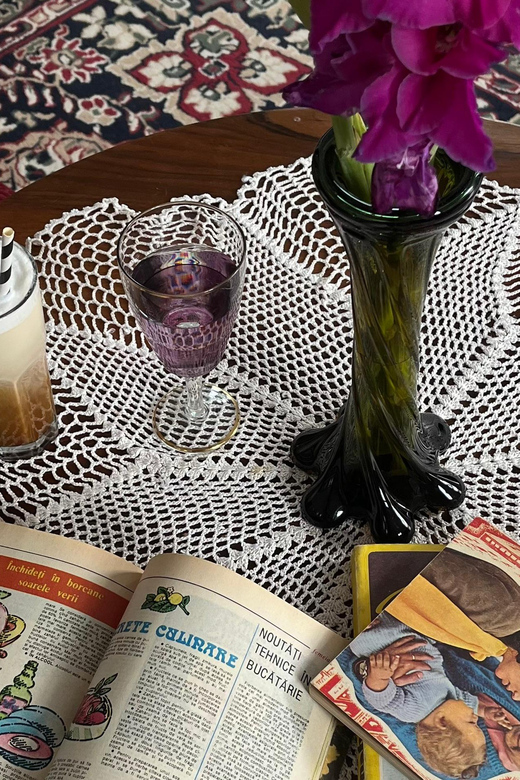
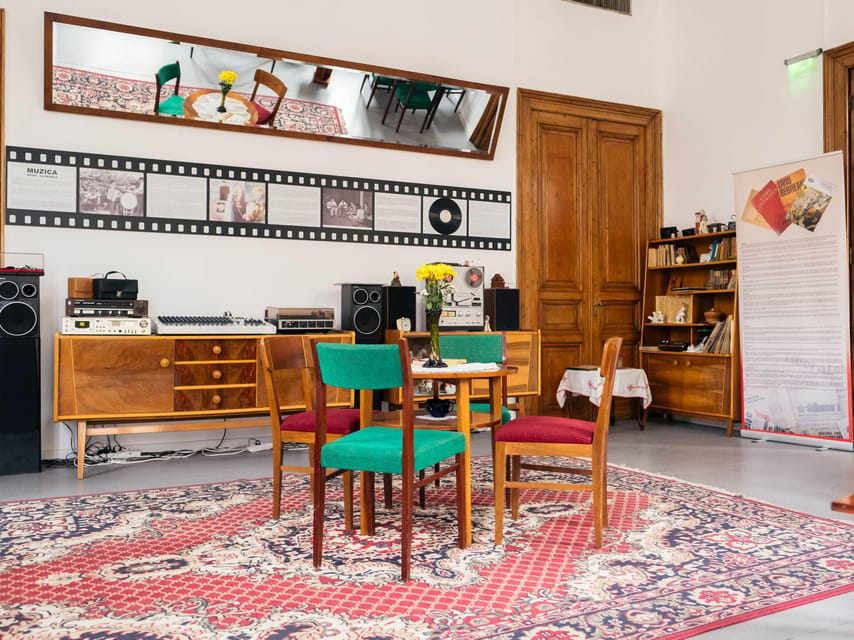
The biggest “ticket bonus” is the coffee. This package includes a cup of nechezol, the so-called communist coffee, served in the museum’s living-room set.
Here’s what makes that more than a novelty drink. The museum explains that, during the final years of communism, Romania imported coffee in very small amounts. Nechezol’s story is tied to scarcity—how people adapted when a beloved product wasn’t readily available the way you’d expect in a normal consumer economy.
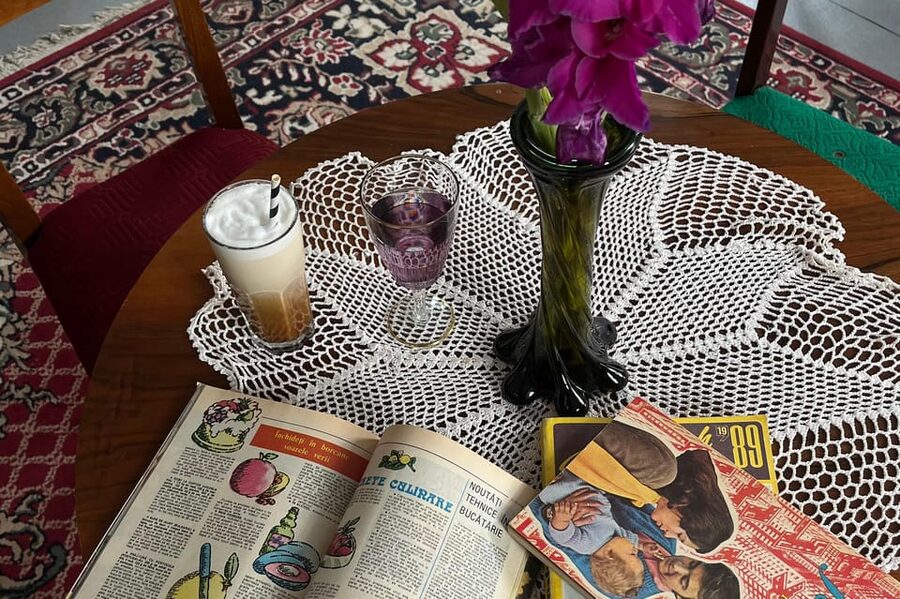
And then you get the payoff: you can drink it from an original old cup while sitting on a communist couch inside the museum’s living room. That combination—story first, then taste—helps the idea stick. You’re not just told something was different. You experience a small slice of what “different” might have felt like.
Flavor-wise, don’t expect a fancy craft coffee. Based on feedback, it’s been compared to mainstream instant coffee like Nescafe. If you like sweet, familiar coffee tastes, you’ll likely feel comfortable with it. If you only drink specialty coffee with strong preferences, treat it like a period-appropriate sample, not a barista’s masterpiece.
Asking questions in the museum: where the visit can turn from fun to meaningful
A lot of museums can feel like a one-way lecture. This one gives you a chance to get answers in the moment. An English host/greeter is available, and you can ask questions throughout your visit while you look at the exhibits.
I like this style because it makes your visit more personal. If you’re wondering about what propaganda looked like, how daily life changed, or why certain objects were common, you can steer the conversation. Instead of reading a panel, you can ask: what am I seeing here, and why does it matter?
Some feedback also highlighted guides as passionate and knowledgeable, with one review specifically mentioning staff member Bela for extra credit on the staff experience. Even when the exhibits are short and punchy, that kind of on-the-spot guidance can make the difference between a quick entertainment stop and a genuinely useful learning stop.
If you want the best experience, come ready with two or three questions. For example:
- What was the purpose of the objects I’m seeing?
- How did communist culture shape daily routines?
- What’s the most common misconception people have about Romania in this era?
You’ll get more out of the visit if you treat the Q&A like a conversation, not an interview.
More Bucharest halls, out of the weather




Exhibit choices: what you’ll likely love, and what may feel basic
The Museum of Communism experience seems to be designed around hands-on stations and photo-friendly moments. You’ll find interactive elements like typing, reading old magazines, trying on clothing, and period-style sets. One review also mentioned music and dressing-up opportunities, which fit the “experience” approach.
There’s also evidence the museum expects you to stay light-footed. The text can feel straightforward, and some phrasing may describe ordinary life in the 1950s–1990s as outright evils of communism without much nuance. That’s not necessarily wrong, but it can feel simplified if you’re the type who wants layered historical framing.
One review described the museum as having lots of posters to read and not as many objects as you might hope, with the experience feeling too similar to simply getting a book and reading at your own pace. Another comment, though, described the museum as interactive and fun, suggesting the quality depends on your preferences—whether you enjoy performance-like exhibits and quick interaction, or whether you want dense storytelling with expert-level context.
Here’s the practical takeaway: if your goal is quick orientation and you enjoy touching things, photo ops, and short guided explanations, you’ll probably enjoy it. If you’re chasing deep academic analysis or you expect the museum to behave like a large research collection, you might end up wanting more.
Comfort details that matter more than you think
This isn’t a sprawling museum, but the comfort bits still count. One review mentioned clean toilet facilities and noted a small bar area. There was also no gift shop, which sounds minor until you realize how it affects your pace. You won’t get pulled into browsing at the end of your visit—you just leave.
Because the visit is short, the bar area and coffee component become part of the flow. You won’t feel like you’re burning time waiting for a rest stop. You also won’t feel pressured to buy anything extra, since the main included item is already part of the ticket.
Price and value: what you’re paying for at $10
At $10 per person, you’re paying for:
- entry to the Museum of Communism
- a cup of nechezol coffee
That matters because the coffee is not an add-on. It’s built into the experience, served in a specific period living-room setup with an original cup and couch. So the ticket feels more like a “package” than just admission.
Value also depends on how you like to learn. If you enjoy interactive exhibits—touching objects, trying clothing, and doing photo moments—the $10 price feels easy to justify for a short visit.
If you prefer museums that are heavy on long reading and dense interpretation, you might end up asking whether you got your money’s worth. In that case, you’ll want to arrive with the mindset that this is a fast, experience-led stop.
The good news: even at 45 minutes to 1 hour, it’s not long enough to feel like a full-day commitment. It’s easier to accept that it’s intentionally short.
Who this museum suits best (and who should think twice)
This is a good fit if you:
- want an interactive museum instead of a quiet, purely informational one
- like short stops that still add context to a city visit
- enjoy photo-friendly, dress-up style elements
- are curious about the everyday impact of communism in Romania
It’s less ideal if you:
- expect a large collection of artifacts and very deep academic explanation throughout
- want a museum experience that’s focused on nuance and long-form analysis
- need wheelchair access (the ticket notes it’s not suitable for wheelchair users)
Also, consider timing and energy. Because it’s short, it’s best when you can pay attention for an hour or less. If you’re rushing, you may miss the interaction stations that make it different.
Should you book the Museum of Communism with communist coffee?
I’d book it if you want a quick, hands-on introduction to Romania’s communist era that includes a real taste of the nechezol story. The best version of this visit is when you treat it like an experience: touch things, ask questions in English, and enjoy the coffee scene as part of the learning.
Skip it if you’re looking for a large, academic museum marathon, or if you specifically need wheelchair access. Otherwise, at $10 with coffee included and a visit length that’s easy to plan, it’s one of those practical add-ons that can make your Bucharest day feel more complete.
FAQ
What is included with the ticket?
Your ticket includes entry to the Museum of Communism and a cup of nechezol communist coffee.
How long does the experience take?
You should plan for about 1 hour, with many visits fitting into a shorter stop.
What language is available?
The host/greeter is available in English, and the experience is listed with English language support.
Can I ask questions while I visit?
Yes. A guide is available in the museum so you can ask questions during your visit.
Is the coffee included, and what is it?
Yes. The ticket includes a cup of nechezol coffee, served in the museum’s living-room setting.
Is it wheelchair accessible?
No. The activity is not suitable for wheelchair users.
Can I reserve and pay later?
Yes. There is an option to reserve now and pay later to keep plans flexible.
FAQ
Is there a free cancellation option?
Yes, free cancellation is available up to 24 hours in advance for a full refund.
Do I need to pick a specific start time?
The ticket is valid for 1 day, and starting times depend on availability.
More Tour Reviews in Bucharest
- Bucharest: Dracula’s Castle, Peles Castle, & Brasov Old Town
★ 4.5 · 17,858 reviews - Bucharest: Dracula Castle, Peles Castle & Brasov Old Town
★ 4.6 · 10,891 reviews - Bucharest: Dracula’s Castle, Peleș Castle & Brașov Day Trip
★ 4.4 · 6,100 reviews - Bucharest: Palace of Parliament Tickets and Guide
★ 4.3 · 3,182 reviews - Bucharest: Day Trip to Dracula Castle, Peles Castle & Brașov
★ 4.4 · 3,049 reviews - Bucharest to Dracula Castle, Peles Castle and Brasov Guided Tour
★ 4.5 · 2,933 reviews
Bucharest Indoors: More Museums
- Bucharest: Museum of Senses Entry Ticket
★ 4.3 · 627 reviews - Bucharest: Parliament, Ceausescu House & Village Museum Tour
★ 5.0 · 208 reviews - Communism in Bucharest – Landmarks, Museum & Communist Appetizers
★ 5.0 · 111 reviews - Bucharest: Entry ticket at the Museum of Communism
★ 4.6 · 57 reviews - Bucharest: Reptiland Bucharest Entry Ticket
★ 4.6 · 56 reviews - Bucharest: Dinner+Tour at Museum of Communism after closing
★ 4.9 · 46 reviews
The Communist Years, Up Close
- Bucharest: Communism and History Guided City Walking Tour
★ 4.9 · 918 reviews - The Real tour of Communism
★ 5.0 · 666 reviews - Life under Communism
★ 5.0 · 358 reviews - 3-Hour Guided Tour of Communist Bucharest
★ 4.9 · 303 reviews - Bucharest: Parliament, Ceausescu House & Village Museum Tour
★ 5.0 · 208 reviews - Bucharest Essential Tour: Old Town, Calea Victoriei & Communism
★ 5.0 · 142 reviews
Just In: The Latest Bucharest Reviews




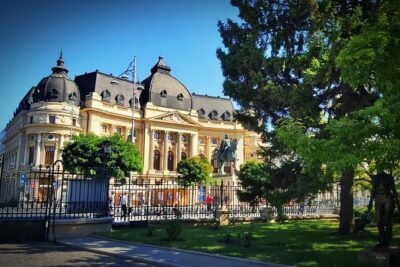
Communism & Ceaușescu Tours, compared.
 ★ 4.9Communism and History Guided City Walking TourFrom $31918 reviews
 ★ 5.0The Real tour of CommunismFrom $32666 reviews
 ★ 5.0Life under CommunismFrom $42358 reviews
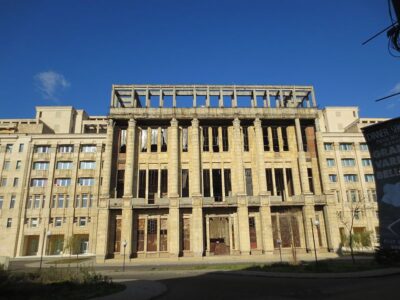 ★ 4.93-Hour Guided Tour of Communist BucharestFrom $29303 reviews
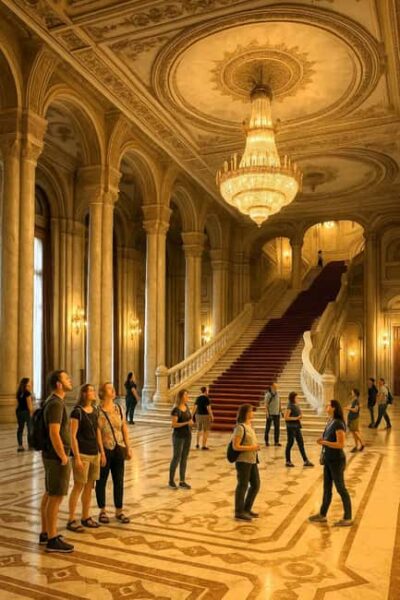 ★ 5.0Parliament, Ceausescu House & Village Museum TourFrom $1208 reviews
 ★ 5.0Bucharest Essential Tour: Old Town, Calea Victoriei & CommunismFrom $24142 reviews
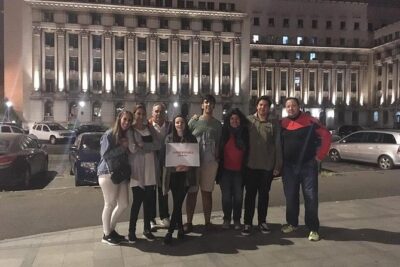 ★ 5.0Communism in Bucharest – Landmarks, Museum & Communist AppetizersFrom $48111 reviews
 ★ 4.9Palace of Parliament, Ceausescu House & Village MuseumFrom $186 reviews
Browse the lists this tour appears in