
REVIEW · VILLAGE MUSEUM & HERăSTRăU PARK
Traditions in Bucharest: Village Museum and Wine Tasting
A village museum in a city can feel weirdly perfect. You get steep-roofed peasant homes and Romanian wine tasting back-to-back, plus a stop at a craft shop full of real handmade work. I especially love how the National Village Museum turns architecture into stories you can walk through, and I like that the wine tasting is guided with specific local grape names; the only drawback is it’s a lot of time outdoors, so plan for sun and heat.
Your guide picks you up from your accommodation and runs a private, English-speaking experience (Romanian too if you prefer). The tour wraps near the Romanian Athenaeum, close enough to walk into the Old Town area on your own afterward.
In This Review
- Key points to know before you go
- A real Romanian village, reconstructed in Bucharest
- Pickup, private comfort, and why the pace matters
- The Dimitrie Gusti National Village Museum: architecture as a storybook
- What you’ll see inside the museum
- Why it feels like a time capsule (not just sightseeing)
- King Michael Park walk-through: what to do when it’s hot
- The Art&Craft Victoriei stop: real handmade Romanian culture
- Quick photo stop at the Romanian Athenaeum
- Wine tasting in Bucharest: 3 Romanian glasses with a guide
- Expect the names (and the reasons)
- Food pairing: cheese & charcuterie for context
- How the price makes sense for what you get
- Who should book this tour
- Should you book it or skip it?
- FAQ
- How long is the tour?
- Is pickup from my accommodation included?
- What does the wine tasting include?
- How many main stops are included?
- What language is the tour offered in?
- Can I cancel if plans change?
Key points to know before you go
- You’ll tour the National Village Museum with a real guided walk through recreated 18th–19th century village life
- Over 300 preserved buildings were brought from across Romania and reassembled in King Michael Park
- The craft stop is hands-on shopping, not a random tourist stall: ie blouses, Horezu pottery, painted eggs, glass icons
- Your wine tasting includes 3 glasses plus a cheese & charcuterie platter and water
- You’ll taste Romanian varieties such as Feteasca Neagra, Tamaioasa Romaneasca, and Negru de Dragasani
Wooden houses and the lake at Herastrau
- Bucharest: Parliament, Ceausescu House & Village Museum Tour★ 5.0 · 208 reviews
- Palace of the Parliament, Village Museum & Ceaușescu Mansion★ 4.9 · 31 reviews
- Private Bucharest city tour visit the Palace of the Parliament & Village Museum★ 4.5 · 21 reviews
- Hop-on Hop-off minibus Tour of Bucharest & Village Museum★ 4.9 · 10 reviews
A real Romanian village, reconstructed in Bucharest
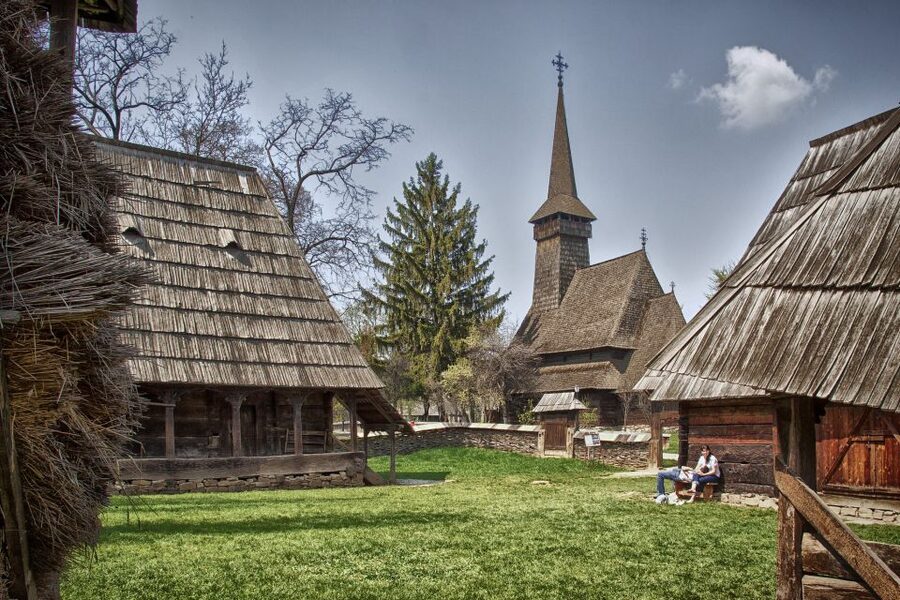
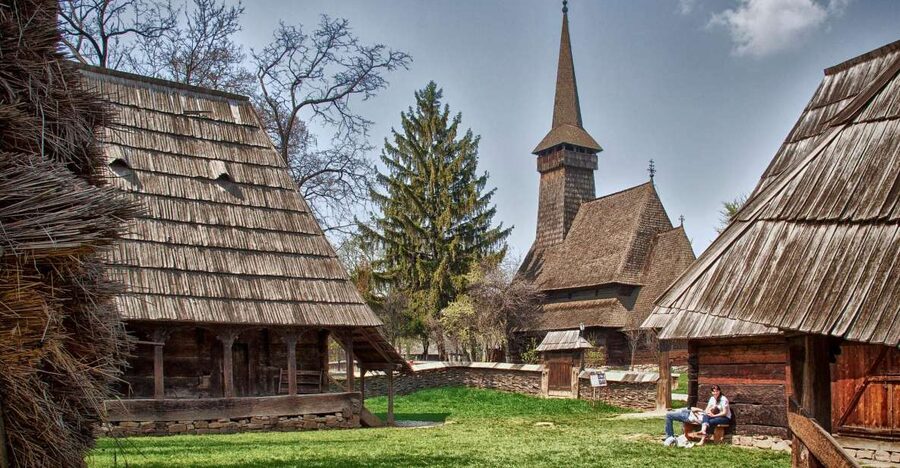
The National Village Museum in Bucharest is the kind of place that makes you slow down. The buildings aren’t models behind glass. They’re real structures—steep roofs, thatched barns, wooden churches—set up so you can wander like you’re moving through time.
The museum was built in 1936 inside King Michael Park, and it’s essentially a time capsule of Romanian village life from the 18th and 19th centuries. The scale is a big part of the payoff: there are over 300 buildings, and they were brought in from all across Romania and reassembled on site. In other words, you’re not just seeing one style of countryside—you’re walking through multiple regional identities.
I also like the way the guide connects buildings to culture. Architecture here isn’t decoration; it’s history you can point at. Matei Cantacuzino’s idea fits: the way a country builds is one of its most accurate expressions of its past.
One practical note: because so much of the museum is outdoors, your comfort will depend on the weather. If you’re visiting in summer, bring sunscreen and a hat, and don’t plan a second marathon day right after.
Pickup, private comfort, and why the pace matters
This is a private-group tour, and you start with pickup from your accommodation in Bucharest. The guide meets you in the hotel lobby by the reception desk, or downstairs at the entrance if your place doesn’t have a lobby. Then you’re driven to the museum—this matters because Bucharest traffic can be its own adventure.
The total duration is about 4.5 hours, and that time feels well balanced: you’re not rushing through the museum just to reach the wine. And it’s not just a quick drive-by. Your museum stop includes a guided visit and walking time, which is where the experience earns its value.
Based on how guides handle real conditions, I’d expect the pace to be adjusted when it’s extremely hot. So if you feel yourself getting fried by the sun, say so early and ask for a slower rhythm. It’s the easiest way to turn a warm day into a comfortable one.
The Dimitrie Gusti National Village Museum: architecture as a storybook
Your first main stop is the Dimitrie Gusti National Village Museum. It’s often described as one of the biggest open-air museums in Europe, and the key word here is preserved. These buildings aren’t new copies with vague resemblance. They’re highly preserved and arranged so you can understand regional differences.
What you’ll see inside the museum
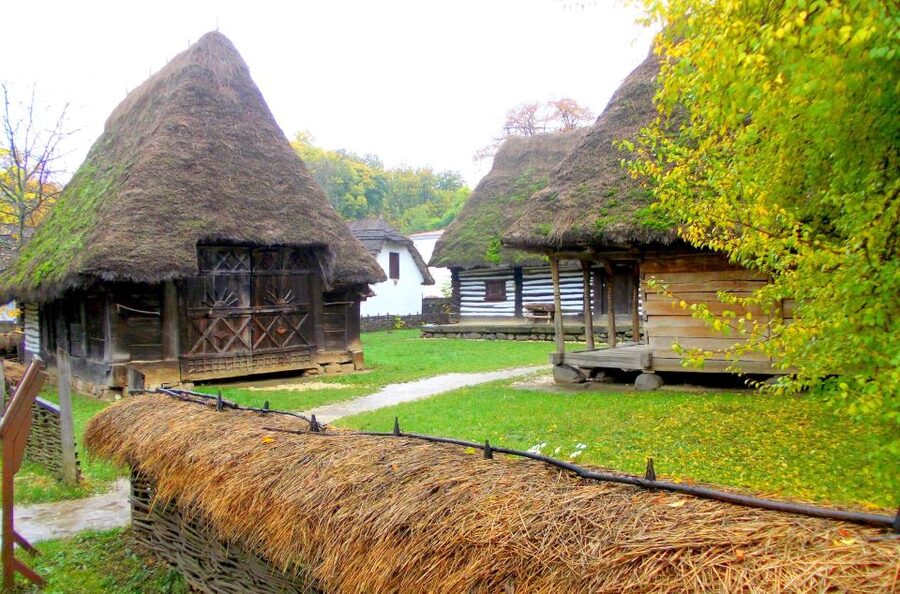
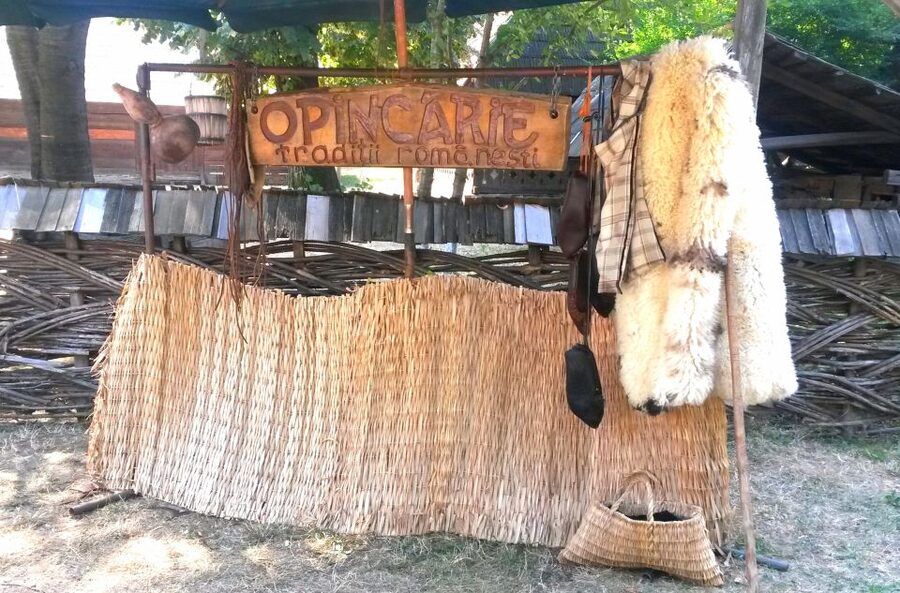
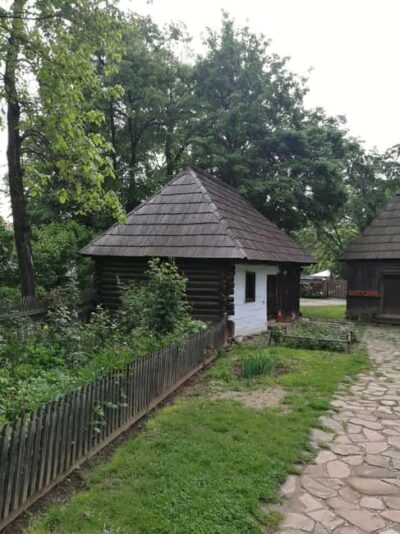
You can expect steep-roofed peasant homes, wooden structures, thatched barns, and wooden churches. There are also village elements that make the place feel lived-in—like the different forms of storage and farm buildings that show how people adapted to local conditions.
The tour is designed to compare regions across Romania. You’ll encounter architectural styles tied to different parts of the country, including:
- Transylvania: wooden churches and mountain cabins
- Wallachia and Moldavia: large inns and mansions
- Danube Delta (and near the Black Sea): windmills and thatched roof houses
This is where the guided part pays off. Without context, a village of buildings can turn into a scenic blur. With a guide, you start noticing details that explain why these structures look the way they do.
More Bucharest halls, out of the weather


Why it feels like a time capsule (not just sightseeing)
The museum was created by bringing buildings together into one place, so you’re effectively watching Romania’s village variety under one sky. It’s a smart way to learn, because you can compare styles within minutes rather than spending days traveling between regions.
I also like that you learn folklore through objects and clothing as well as structures. The goal isn’t just to look at walls and roofs—it’s to connect people, crafts, and traditions.
King Michael Park walk-through: what to do when it’s hot
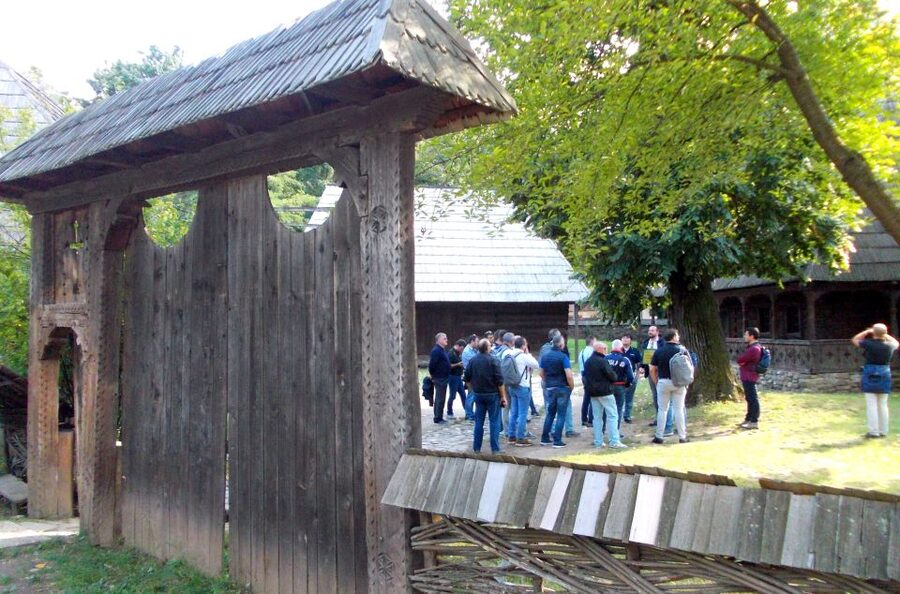
King Michael Park is green, but open-air museums can still feel exposed. If you’re going in warmer months, plan your outfit accordingly: breathable layers, water, and shoes you can walk in for real.
A helpful strategy: treat the museum like chapters. Don’t try to absorb everything in one go. Focus on a few building types first—like churches and homes—then use the craft-related details later at the art shop to connect what you saw.
Also, you’ll appreciate that your visit is timed and guided. The museum is large, so having someone steer you to the most meaningful areas keeps you from wasting time circling the same pathways.
The Art&Craft Victoriei stop: real handmade Romanian culture
After the museum, you head to an art and craft shop called Art&Craft Victoriei. This isn’t about grabbing a magnet. It’s about seeing handmade Romanian traditions up close.
You’ll spend about 30 minutes shopping and looking around, and the range of items helps you understand what “folk art” really means in Romania: pieces made by hand, often tied to specific regions and holidays.
Here are examples of what you might see:
- traditional Romanian blouses called ie
- glass painted icons
- Easter painted eggs from Moldavia
- Horezu pottery from Wallachia
- wooden masks and small trinkets from Transylvania
- Dracula-themed souvenirs, books, and traditional sweets like knot cookies and chocolate nuts
One thing I like about this stop is that it gives you a logical bridge between the museum and the food and wine. After seeing how people lived—where they prayed, how they stored things—you start seeing what they made with their hands.
If you enjoy shopping, this is a chance to buy something tied to a real craft tradition. If you’re not a buyer, it’s still useful for learning what to look for later in Romanian markets.
Quick photo stop at the Romanian Athenaeum
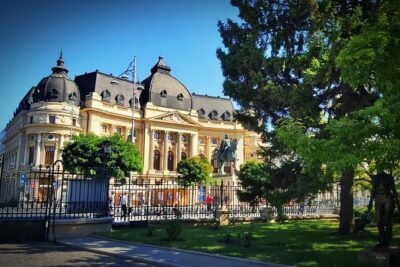
On the way back, you’ll pass by the Romanian Athenaeum for a short photo stop (around 10 minutes). It’s a good pause to reset after museum and shop time.
Then the tour ends near the Romanian Athenaeum, within walking distance of the Old Town area. That’s convenient because you can naturally keep the evening going without needing extra transport planning.
Wine tasting in Bucharest: 3 Romanian glasses with a guide
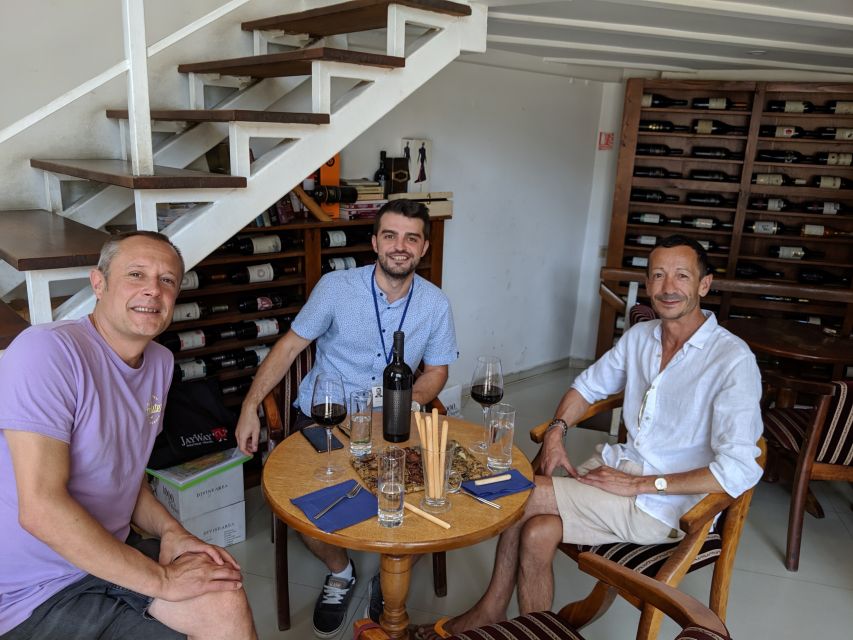
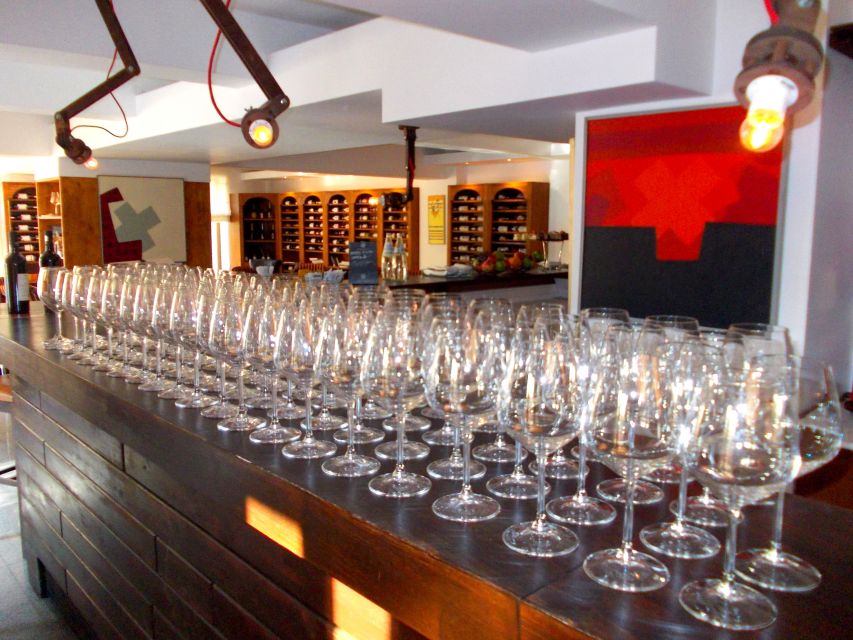
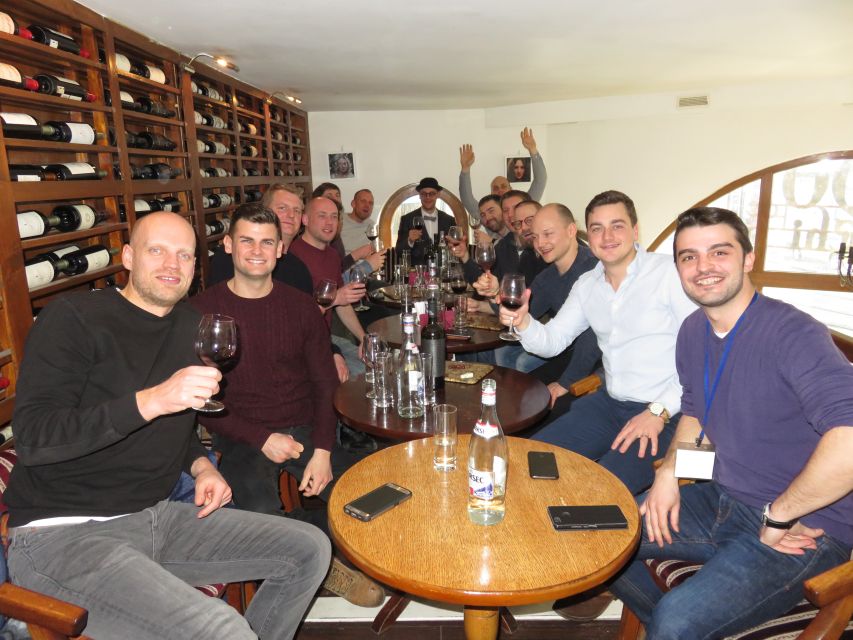
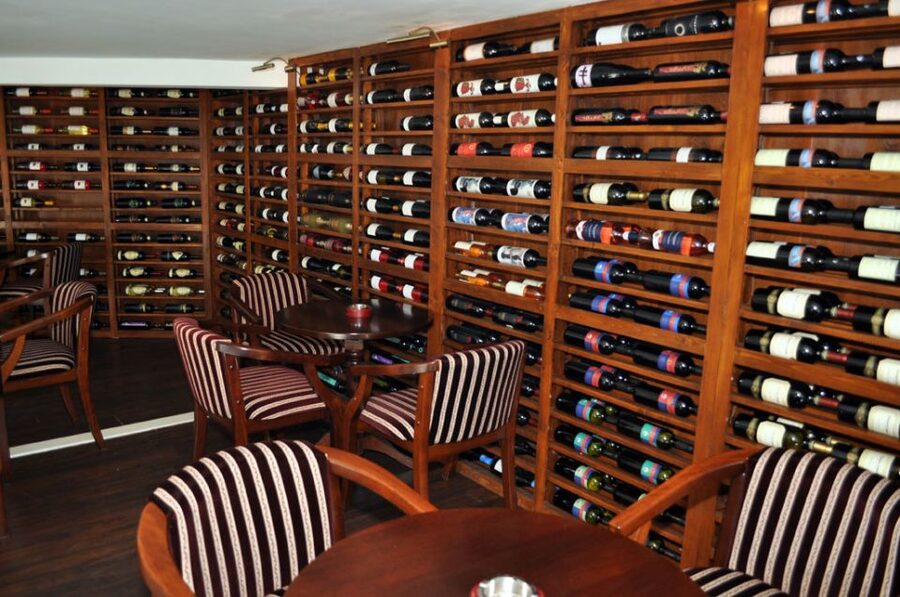
The final main stop is a local wine bar, where the focus shifts from village life to grape varieties and local terroir. Your tasting includes 3 glasses of Romanian wines, plus a small plate with cheese & charcuterie and 1 water.
This part is especially good if you don’t know much about Romanian wine yet. The guide helps connect wine to place—talking about the history of the industry, its revival in recent decades, and how local growing regions shape flavor.
Expect the names (and the reasons)
You’ll hear about Dealu Mare, and you’ll also taste Romanian varieties such as:
- Feteasca Neagra
- Tamaioasa Romaneasca
- Negru de Dragasani
If you’re the type who likes to order wine based on what it is, not just what it tastes like, this guided structure gives you a vocabulary for what you’re drinking.
Food pairing: cheese & charcuterie for context
The cheese and charcuterie platter is more than a snack. It helps you taste alongside something salty and savory, which can make fruitier wines feel brighter and more balanced. It also turns the tasting into a relaxed end to the day, rather than a rushed sampling.
A practical tip: pace yourself across the three glasses, and use the water. It keeps the experience pleasant and makes it easier to walk afterward.
How the price makes sense for what you get
At $153 per person for about 4.5 hours, you’re paying for more than just the museum ticket. You get:
- hotel pickup and private transport
- a guided tour at the museum
- museum entrance fees
- the craft shop stop
- the wine tasting (3 glasses, water, and a cheese & charcuterie platter)
- a licensed tour guide
In places where you’d otherwise pay separately for transport, museum entry, and a guided experience, this bundle is a sensible deal—especially since you’re also getting the wine component with guided explanations.
What justifies the price most is the private nature and the fact that the wine tasting and museum aren’t standalone. They’re linked by a story: how people lived (village buildings), what they made (hand crafts), and what they drank (regional grapes).
Who should book this tour

This is a strong fit if you:
- want more than city sights and want to understand Romanian culture in a single afternoon
- like guided context while walking, not just standing in a room
- enjoy wine tastings but want to learn the names and origins, not only taste blindly
- want a private tour format so you can move at a comfortable pace
It may be less ideal if you’re someone who hates outdoor walking, since the museum visit takes place in an open-air setting. It’s also not suitable for children under 3 or wheelchair users, based on the tour’s stated limits.
Should you book it or skip it?
Book it if you want a practical cultural day: village architecture, craft traditions, and wine all in one smooth run, with a guide to connect the dots. The guided museum walk and the structured wine tasting are the two parts that make the time feel worth it.
Skip it if your idea of a great day is mostly in museums with minimal walking, or if you’re not interested in Romanian crafts or wine at all. In that case, you might prefer a city-focused itinerary.
If you’re visiting Bucharest and you want a memorable taste of rural Romania without leaving the city—this is one of the cleaner, better-structured ways to do it.
FAQ
How long is the tour?
The tour lasts about 4.5 hours.
Is pickup from my accommodation included?
Yes. Pickup is included in Bucharest, and the guide meets you in the hotel lobby or downstairs at the entrance.
What does the wine tasting include?
You get 3 glasses of Romanian wine, 1 water, and a small cheese & charcuterie platter.
How many main stops are included?
The tour includes 3 main stops: the National Village Museum, a craft shop (Art&Craft Victoriei), and a local wine bar, with a short photo stop at the Romanian Athenaeum along the way.
What language is the tour offered in?
The tour is available in English and Romanian.
Can I cancel if plans change?
Yes, you can cancel up to 24 hours in advance for a full refund.
Eat Bucharest: More Food Walks
- Taste Bucharest: A Food Lover’s Tour of Markets & Neighbourhoods
★ 5.0 · 689 reviews - Street Food’n’Culture Tour
★ 5.0 · 209 reviews - Wine Tasting in Bucharest
★ 5.0 · 183 reviews - Discover Bucharest: Private Highlights and Traditional Food Tour
★ 5.0 · 86 reviews - Bucharest: Romanian Wine Tasting Experience at Corks
★ 4.6 · 84 reviews - Bucharest Beer and Culture Tour with a Local
★ 5.0 · 47 reviews
Bucharest Indoors: More Museums
- Bucharest: Museum of Senses Entry Ticket
★ 4.3 · 627 reviews - Bucharest: Parliament, Ceausescu House & Village Museum Tour
★ 5.0 · 208 reviews - Communism in Bucharest – Landmarks, Museum & Communist Appetizers
★ 5.0 · 111 reviews - Bucharest: Entry ticket at the Museum of Communism
★ 4.6 · 57 reviews - Bucharest: Reptiland Bucharest Entry Ticket
★ 4.6 · 56 reviews - Bucharest: Museum of Communism Ticket with Communist Coffee
★ 4.6 · 52 reviews
The Village Museum and Herastrau
- Bucharest: Parliament, Ceausescu House & Village Museum Tour
★ 5.0 · 208 reviews - Palace of the Parliament, Village Museum & Ceaușescu Mansion
★ 4.9 · 31 reviews - Traditions in Bucharest: Village Museum and Wine Tasting Tour
★ 5.0 · 27 reviews - Private Bucharest city tour visit the Palace of the Parliament & Village Museum
★ 4.5 · 21 reviews - Hop-on Hop-off minibus Tour of Bucharest & Village Museum
★ 4.9 · 10 reviews - Bucharest city tour: Village Museum visit & Panormaic tour
★ 4.8 · 7 reviews
Just In: The Latest Bucharest Reviews


Village Museum & Herăstrău Park, compared.
 ★ 5.0Parliament, Ceausescu House & Village Museum TourFrom $1208 reviews
 ★ 4.9Palace of Parliament, Ceausescu House & Village MuseumFrom $186 reviews
 ★ 4.9Palace of the Parliament, Village Museum & Ceaușescu MansionFrom $4531 reviews
 ★ 5.0Ceaușescu Mansion , Parliament & Village MuseumFrom $130 reviews
 ★ 5.0Traditions in Bucharest: Village Museum and Wine Tasting TourFrom $14827 reviews
 ★ 4.5Private Bucharest city tour visit the Palace of the Parliament & Village MuseumFrom $23521 reviews
 ★ 4.9Hop-on Hop-off minibus Tour of Bucharest & Village MuseumFrom $6410 reviews
 ★ 4.8Bucharest city tour: Village Museum visit & Panormaic tourFrom $557 reviews
Browse the lists this tour appears in