
REVIEW · VILLAGE MUSEUM & HERăSTRăU PARK
Traditions in Bucharest: Village Museum and Wine Tasting Tour
Bucharest can feel noisy. This tour slows things down with open-air rural heritage at the Dimitrie Gusti National Village Museum, then mixes in a real taste of Romanian everyday life through crafts and wine. You get a private guide who links buildings, traditions, and regional culture into one clear story, and it’s all wrapped in a comfortable, timed city outing.
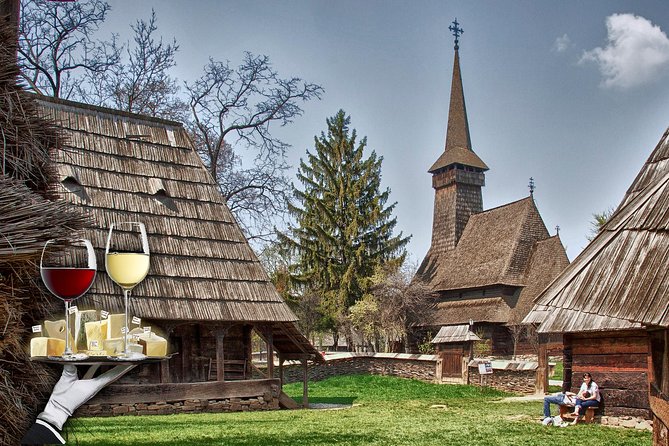
What I like most is the Village Museum itself: you’ll walk through reconstructed houses, churches, and farm structures that represent multiple Romanian regions, including thatched barns, wooden churches, watermills, windmills, and carved facades. I also like the last stop: a focused wine tasting with 3 glasses plus cheese and charcuterie, guided by what makes the Dealu Mare area distinct.
One consideration: it’s a museum day outdoors, so plan for some steady walking (less than 1 mile), and wear comfortable shoes.
In This Review
- Key highlights you’ll actually care about
- A 5-hour traditions tour that ties Bucharest to the countryside
- Hotel pickup and the Athenaeum start point (why it’s easier than it sounds)
- Stop 1: Dimitrie Gusti National Village Museum and Romania’s house styles
- Stop 2: Handmade Romanian culture on Calea Victoriei (what to look for)
- Stop 3: Dealu Mare wine tasting with 3 glasses, cheese, and sausage
- Why the three stops work together (and not just as separate activities)
- The guide experience: what you’re paying for beyond the itinerary
- Price and value: what $148.19 buys you in real terms
- Who this tour is best for (and who should pick something else)
- A practical game plan before you go
- Should you book Traditions in Bucharest: Village Museum and Wine Tasting?
- FAQ
- How long is the tour?
- What are the main stops?
- Is hotel pickup included?
- What’s included in the wine tasting?
- Is the Village Museum ticket included?
- What language is the tour offered in?
- How much walking is involved?
- What’s the minimum drinking age?
- Can I cancel for a full refund?
Key highlights you’ll actually care about
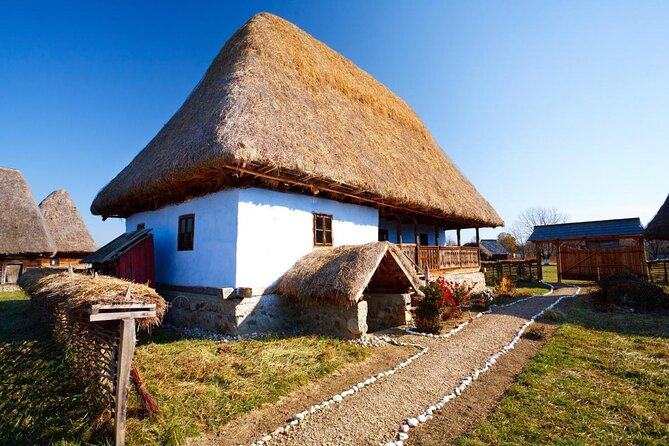
- Dimitrie Gusti National Village Museum, regional by regional: Danube Delta houses, Moldavia and Wallachia styles, and Transylvanian woodwork in one place.
- A private licensed guide with English: you’re not stuck reading labels—expect explanations tied to culture and architecture.
- Handmade craft shopping time on Calea Victoriei: look for Romanian items like ie blouses, Horezu pottery, and painted Easter eggs.
- Wine tasting that’s structured, not random: 3 glasses plus a cheese and sausage plate, centered on Romanian grapes and Dealu Mare terroir.
- Comfort-first logistics: free hotel pickup, air-conditioned vehicle, and a drop-off that puts you close to Old Town.
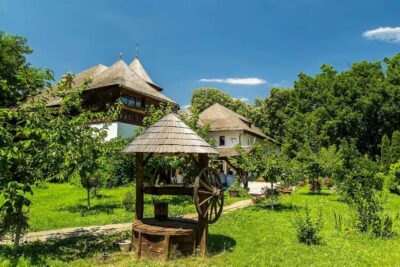
Wooden houses and the lake at Herastrau
- Bucharest: Parliament, Ceausescu House & Village Museum Tour★ 5.0 · 208 reviews
- Palace of the Parliament, Village Museum & Ceaușescu Mansion★ 4.9 · 31 reviews
- Private Bucharest city tour visit the Palace of the Parliament & Village Museum★ 4.5 · 21 reviews
- Hop-on Hop-off minibus Tour of Bucharest & Village Museum★ 4.9 · 10 reviews
A 5-hour traditions tour that ties Bucharest to the countryside
This is the kind of Bucharest outing that gives you context. You start with rural architecture at the National Village Museum, then you switch gears to handmade craft culture, and finish with wine—because in Romania, those things connect more than you might expect.
The timing matters too. At about 5 hours, you get a full afternoon without turning your day into a long slog. It’s also practical if you’re planning a first trip: you’ll leave with better mental maps for what you’ll see later, whether you head toward Old Town next or stay close to the city center.
Hotel pickup and the Athenaeum start point (why it’s easier than it sounds)
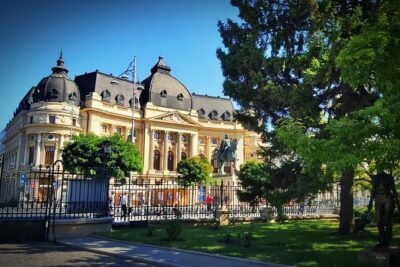
The tour starts near the Romanian Athenaeum at Strada Benjamin Franklin 1-3, Bucharest. That’s a smart meeting area because it’s central, walkable, and close to major sights, so it’s easier to line up with your other plans.
If you choose hotel pickup, it’s included and free anywhere within Bucharest city limits. Your private guide meets you in the hotel lobby next to reception, and you travel by air-conditioned private vehicle. In heavy Bucharest traffic, this kind of door-to-door setup is a real time-saver, and it reduces the stress of figuring out the fastest way to a meeting point.
The end point is also convenient: the tour finishes at a wine bar on Victory Avenue (a couple minutes on foot from the Athenaeum). Old Town is around a 15-minute walk from there, so you can keep going without needing another ride.
Stop 1: Dimitrie Gusti National Village Museum and Romania’s house styles
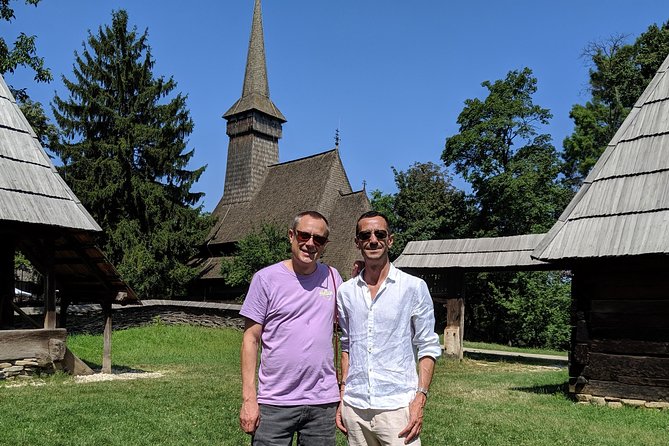
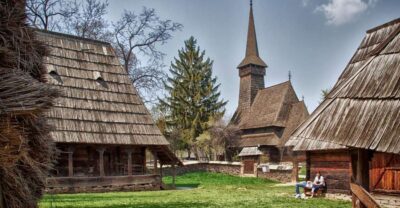
Your first major stop is the Dimitrie Gusti National Village Museum. This is an open-air reconstruction of a traditional Romanian village, designed to show how people actually lived—down to roofs, materials, and the way buildings relate to the land.
Here’s what makes this stop valuable: it’s not just “old buildings.” It’s architecture as a timeline. You’ll see structures associated with historical regions, including:
- Danube Delta reef-roofed houses
- Moldavia and Wallachia styles (described as simple yet elegant in the tour framing)
- Transylvanian homes with intricately wooden carved facades
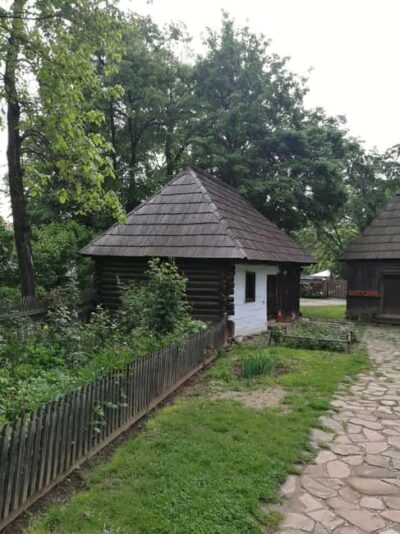
- Peasant homes with steep roofs, plus thatched barns and log cabins
- Farm and working structures like watermills and windmills
- Wooden churches, oil presses, and road crucifixes
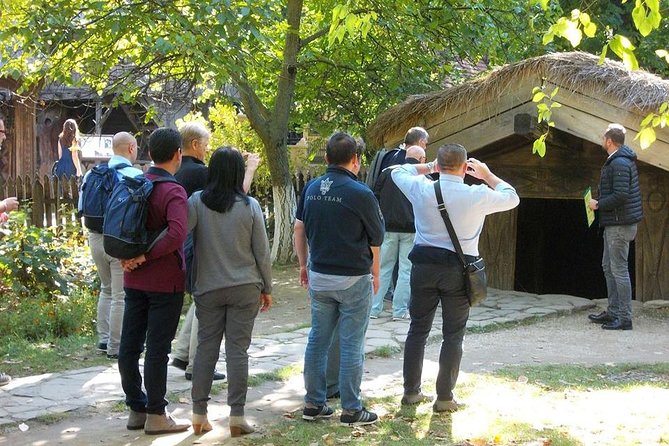
The way the guide explains these details is the difference between a quick walk-through and a meaningful visit. With a private guide in English, you can ask questions as you go, like why certain regions use specific building shapes or what those structures suggest about daily life.
A small drawback to plan around: the museum is open-air. That means you’ll want comfortable shoes and a little patience for outdoor walking. The tour notes less than a mile of walking overall, but the museum layout can still feel like more if you pause often to look.
Admission is included, so you can focus on the experience rather than ticket logistics.
Stop 2: Handmade Romanian culture on Calea Victoriei (what to look for)
After the museum, you head to an art and craft shop on Calea Victoriei. This is a short stop—about 30 minutes—but it has a clear purpose: to show you what Romanian regional identity looks like when it becomes an everyday object.
This shop is described as handmade, and you’ll have a chance to see items that represent different parts of the country. Look out for:
- Traditional Romanian blouses called ie
- Glass painted icons
- Easter painted eggs from Moldavia
- Horezu pottery from Wallachia
- Wooden masks and small Transylvanian trinkets
- Dracula-themed souvenirs (yes, they’re there)
- Books and traditional sweets like knot cookies and chocolate nuts
Practical tip: go in with a simple goal. If you want a gift, decide what kind first—something edible, something wearable like an ie blouse, or something like pottery or an icon. That keeps the stop from turning into endless browsing in a time-limited slot.
Also, remember this stop is short. If you’re hoping for a long shopping session, this isn’t it. The value here is cultural context and seeing recognizable regional crafts, not turning it into a half-day market detour.
More Bucharest halls, out of the weather



Stop 3: Dealu Mare wine tasting with 3 glasses, cheese, and sausage
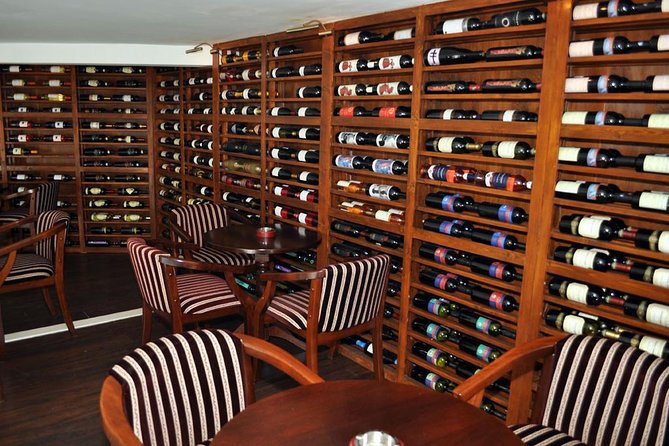
The final stop is a local wine bar, where the tour focuses on Romanian wine as part of cultural identity. The approach is tied to terroir, meaning the specific regional character that influences grape growing and flavor.
You’ll learn about the Dealu Mare area, which is framed as Romania’s most famous wine region. The guide also introduces Romanian grape varieties, including endemic names like Feteasca Neagra and Negru de Dragasani. Even if you’re not a wine expert, that naming gives you something to hang the experience on.
What you actually get is straightforward and well-defined:
- 3 glasses of wine per person
- A plate of traditional cheese and charcuterie (cheese and sausage)
This matters for value. Many tours offer a sip or two and call it tasting. Here you’re getting a real tasting portion, plus food that helps you enjoy the wines rather than just taste on an empty stomach.
One more practical thing: the minimum drinking age is 18. If you’re traveling with teens, this tour becomes a harder fit depending on age.
After the wine tasting, the tour ends, and you can stay longer on your own or ask for directions back toward your accommodation or toward Old Town.
Why the three stops work together (and not just as separate activities)
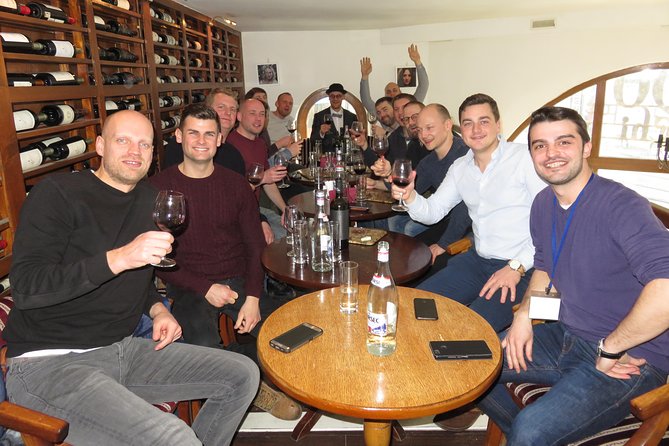
This tour makes sense because it builds one theme in three layers:
1) Architecture (how people shaped buildings based on region and life)
2) Crafts (how regional identity shows up in objects you can still buy and use)
3) Wine (how place shows up in agriculture and taste)
That combination is more coherent than it sounds. You’re not just collecting attractions. You’re learning how different regions express themselves—visually in houses and churches, physically in handmade goods, and then in the flavors of the grapes.
Also, because it’s a private tour, the guide can adjust the story to your interests. If you love history, they’ll likely lean into that. If you’re more food and drink focused, the wine portion will feel like part of the same narrative instead of a random add-on.
The guide experience: what you’re paying for beyond the itinerary
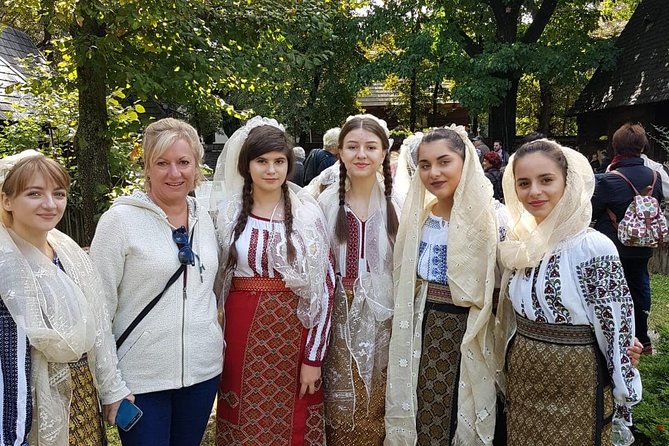
This tour is built around a private licensed guide. That matters because the Village Museum and wine bar can easily become passive experiences if you’re just there to look and sip.
From the guides named in participant feedback—people like Mihai Vataselu and Emma—you get a sense of what strong execution looks like in practice. Expect English that actually helps, explanations that connect buildings to daily life, and a pace that keeps you moving without feeling rushed.
Two details that show up repeatedly in the way the tour is described:
- The guide can support different comfort levels, including adjusting for gentle walkers.
- The guide may use supporting materials like printed maps or photos to make museum origins and wine production clearer.
There’s also a comfort factor. The tour uses an air-conditioned vehicle, and in a city with unpredictable traffic, a calm, careful driver is part of the “value you feel” even if it’s not the headline.
Price and value: what $148.19 buys you in real terms
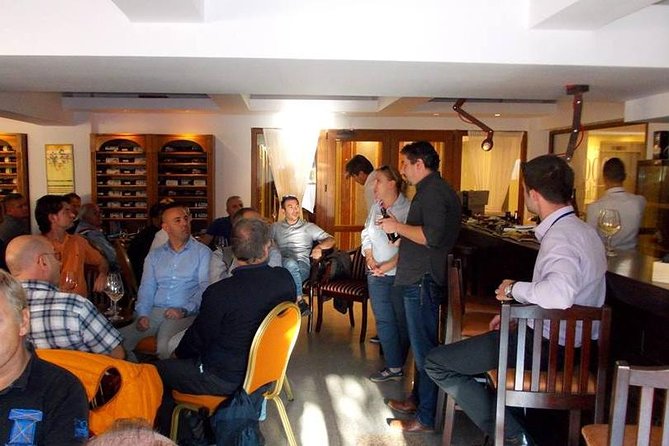
At $148.19 per person, this isn’t a budget stroll. But it also isn’t priced like a luxury day either. The key is what’s included:
- Private licensed tour guide
- Free hotel pickup and drop-off convenience via pickup service
- Private transportation by air-conditioned vehicle
- Village Museum admission fee
- Wine tasting: 3 glasses plus cheese and charcuterie
When you add those up, you’re paying for guided interpretation plus two paid components (museum entry and wine tasting) plus door-to-door transport in Bucharest. That’s why it tends to work well for couples, small groups, and anyone who wants a structured afternoon without spending time organizing each part.
One small note: additional food and drinks aren’t included unless specified. The wine tasting plate is included, but if you want a full meal after, you’ll pay separately.
Who this tour is best for (and who should pick something else)
This fits especially well if you:
- Want a first-time orientation to Romanian life beyond Bucharest streets
- Like architecture and want it explained with regional logic
- Enjoy wine and want a structured tasting rather than a random bar stop
- Prefer private guidance over wandering around with a guidebook
It may be less ideal if you:
- Want a long shopping time or a market-style experience (the craft stop is only 30 minutes)
- Don’t drink alcohol and aren’t interested in the tasting format
- Prefer fully indoor, minimal-walking tours (the museum is open-air)
A practical game plan before you go
If you want this to feel effortless, do three things:
- Plan for shoes: open-air museum walking is still walking, and it’s less than a mile overall but you’ll be on your feet.
- Have a light plan for food: you’ll get cheese and charcuterie with the wine, but anything beyond that is extra.
- Treat the craft stop like a quick highlight: decide what you want (gift, souvenir, edible sweet) so you don’t rush your own choices later.
Also, if you’re aiming for a specific day, note that this kind of tour gets booked far ahead on average. Booking early helps you lock in the schedule you want.
Should you book Traditions in Bucharest: Village Museum and Wine Tasting?
Book it if you want a memorable afternoon that connects three parts of Romania—architecture, craft, and wine—without requiring heavy planning on your end. The combination is focused, the included tastings are actually substantial (3 glasses plus a plate), and the private guide format makes the Village Museum more than a photo stop.
Skip it or compare alternatives if you want either a longer shopping session, a more relaxed museum pace with extra time, or an experience that doesn’t involve wine tasting at the end.
If your ideal Bucharest day includes learning something real while still having something delicious to drink, this is a strong choice.
FAQ
How long is the tour?
It’s listed as approximately 5 hours.
What are the main stops?
You visit the Dimitrie Gusti National Village Museum, a handmade art and craft shop on Calea Victoriei, and a local wine bar near Victory Avenue for the wine tasting.
Is hotel pickup included?
Yes. Free hotel pickup is offered anywhere in Bucharest within city limits, and your guide meets you in the hotel lobby by reception.
What’s included in the wine tasting?
You receive 3 wine glasses per person, plus a plate of cheese and charcuterie.
Is the Village Museum ticket included?
Yes. Admission to the Dimitrie Gusti National Village Museum is included.
What language is the tour offered in?
The tour is offered in English.
How much walking is involved?
A small amount of walking is involved, noted as less than 1 mile.
What’s the minimum drinking age?
The minimum drinking age is 18.
Can I cancel for a full refund?
Yes, free cancellation is available up to 24 hours in advance for a full refund. If you cancel less than 24 hours before the start time, the amount paid is not refunded.
Eat Bucharest: More Food Walks
- Taste Bucharest: A Food Lover’s Tour of Markets & Neighbourhoods
★ 5.0 · 689 reviews - Street Food’n’Culture Tour
★ 5.0 · 209 reviews - Wine Tasting in Bucharest
★ 5.0 · 183 reviews - Discover Bucharest: Private Highlights and Traditional Food Tour
★ 5.0 · 86 reviews - Bucharest: Romanian Wine Tasting Experience at Corks
★ 4.6 · 84 reviews - Bucharest Beer and Culture Tour with a Local
★ 5.0 · 47 reviews
Bucharest Indoors: More Museums
- Bucharest: Museum of Senses Entry Ticket
★ 4.3 · 627 reviews - Bucharest: Parliament, Ceausescu House & Village Museum Tour
★ 5.0 · 208 reviews - Communism in Bucharest – Landmarks, Museum & Communist Appetizers
★ 5.0 · 111 reviews - Bucharest: Entry ticket at the Museum of Communism
★ 4.6 · 57 reviews - Bucharest: Reptiland Bucharest Entry Ticket
★ 4.6 · 56 reviews - Bucharest: Museum of Communism Ticket with Communist Coffee
★ 4.6 · 52 reviews
The Village Museum and Herastrau
- Bucharest: Parliament, Ceausescu House & Village Museum Tour
★ 5.0 · 208 reviews - Palace of the Parliament, Village Museum & Ceaușescu Mansion
★ 4.9 · 31 reviews - Private Bucharest city tour visit the Palace of the Parliament & Village Museum
★ 4.5 · 21 reviews - Hop-on Hop-off minibus Tour of Bucharest & Village Museum
★ 4.9 · 10 reviews - Traditions in Bucharest: Village Museum and Wine Tasting
★ 5.0 · 8 reviews - Bucharest city tour: Village Museum visit & Panormaic tour
★ 4.8 · 7 reviews
Just In: The Latest Bucharest Reviews


Village Museum & Herăstrău Park, compared.
 ★ 5.0Parliament, Ceausescu House & Village Museum TourFrom $1208 reviews
 ★ 4.9Palace of Parliament, Ceausescu House & Village MuseumFrom $186 reviews
 ★ 4.9Palace of the Parliament, Village Museum & Ceaușescu MansionFrom $4531 reviews
 ★ 5.0Ceaușescu Mansion , Parliament & Village MuseumFrom $130 reviews
 ★ 4.5Private Bucharest city tour visit the Palace of the Parliament & Village MuseumFrom $23521 reviews
 ★ 4.9Hop-on Hop-off minibus Tour of Bucharest & Village MuseumFrom $6410 reviews
 ★ 5.0Traditions in Bucharest: Village Museum and Wine TastingFrom $1538 reviews
 ★ 4.8Bucharest city tour: Village Museum visit & Panormaic tourFrom $557 reviews
Browse the lists this tour appears in