
REVIEW · COMMUNISM & CEAUșESCU TOURS
Private Walking Tour of Communist Bucharest
Communist Bucharest has a way of sticking with you. This private tour uses the city’s landmarks to explain how the Communist Party rose, ruled, and then fell in 1989. You’ll move through the political heart of the capital, from the big government statements to the places that survived demolition.
I especially like the private guide format, because it makes the day feel personal instead of scripted. I also like that you get a flexible itinerary—your guide can adjust the order and pace so you can linger where your interests actually are.
One thing to plan for: two major sights (the Romanian Athenaeum and the Palace of Parliament) have entry fees that are not included, so you’ll want to budget for those tickets ahead of time.
In This Review
- Key highlights worth your attention
- Communist Bucharest still feels like politics, not museum glass
- How the private guide shapes your pace from 8:30 am
- Universității Square: the Revolution’s aftermath, right beside the action
- Piața Revoluției: royal past meets Communist dictatorship
- Ateneul Român: when Bucharest loved classical music
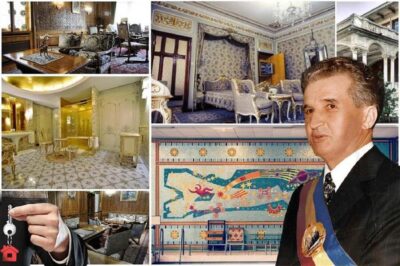
- Ceausescu Mansion: the dictator’s former residence
- Palace of Parliament (House of the People): the scale is the message
- Piața Constituției: the civic center built for authority
- Antim Monastery and Mihai Vodă Monastery: faith that survived the bulldozers
- Lunch timing: use the break to reset
- Price and value: what $92.19 gets you in real terms
- Should you book this Communist Bucharest private tour?
- FAQ
- How long is the Communist Bucharest private walking tour?
- What time does the tour start?
- Is the tour fully on foot?
- What’s included in the price?
- Which attractions require extra tickets?
- Do I need a passport?
- Can I cancel for free?
Key highlights worth your attention
- University Square + Revolution Square setting: how the 1989 clashes reshaped the map and memory of the city
- A guide with political science and tourism training: clear explanations that connect buildings to events
- Palace of Parliament scale: 1,000+ rooms plus marble and crystal details that feel almost unreal
- A mix of ideology and daily life: civic squares plus churches that were literally saved from demolition
- Smaller group pickup: hotel pickup for groups up to 3 people
- Two big indoor stops with separate tickets: plan for Ateneul Român and the Palace
The communist decades, walked and explained
- The Real tour of Communism★ 5.0 · 666 reviews
- Life under Communism★ 5.0 · 358 reviews
- 3-Hour Guided Tour of Communist Bucharest★ 4.9 · 303 reviews
- Bucharest: Parliament, Ceausescu House & Village Museum Tour★ 5.0 · 208 reviews
Communist Bucharest still feels like politics, not museum glass
Bucharest can look like a normal European capital until you slow down and pay attention. That’s the point of this kind of full-day tour: the city is doing the explaining for you. The story isn’t just about posters and slogans. It’s about power shown in stone—plus the damage power did to everyday life.
You’ll see how the 1989 Revolution unfolded in key public spaces and how that same geography still holds the tension between old Romania and the Communist era that tried to replace it. And because this is a private experience, the guide can answer the questions that matter to you, whether you’re curious about leadership, architecture, or what changed after the fall.
Expect a day that’s both visual and political. If you want facts, places, and context—without a stiff lecture vibe—this format fits well.
How the private guide shapes your pace from 8:30 am
The day starts at 8:30 am, which I like because you beat some of the crowds and you get more useful daylight for the big exteriors. You’ll also get hotel pickup for groups of up to three, which cuts down on the stress of getting across town before the tour really begins.
This tour is private, so you’re not sharing the route with strangers who move at a different speed. Some parts run on private vehicle, so it’s not a punishing all-on-foot trek. The walk portions are still real, though—keep that moderate fitness requirement in mind.
The guides leading this tour have degrees in political science and tourism, and that shows in the way they connect events to specific locations. In the past, guides like Laura and Diana were singled out for being friendly, professional, and good at navigation around Bucharest. One review even mentioned the guide refusing a tip at the end—always a good sign of pride in the work.
Universității Square: the Revolution’s aftermath, right beside the action
Your first stop is Universității Square, set next to Revolution Square. This is one of the memorial spaces tied to the violent events that led to the fall of Communist rule in December 1989. Even if you’ve read about 1989 before, seeing it in the city layout helps the timeline click into place.
What I like about starting here is that it frames everything you’ll see next. You’re not just sightseeing. You’re learning how public space turned into political theater—and later into memory.
The stop is short—about 30 minutes—and admission is free. That means you can use the time wisely: look around, ask your guide what you should focus on, and then move on with momentum. If you’re the type who likes to photograph first and ask questions later, I’d flip that order once or twice so you capture the meaning, not just the scene.
Piața Revoluției: royal past meets Communist dictatorship
Revolution Square (Piața Revoluției) is the centerpiece for 1989, but what makes it more interesting is how it shows two eras living side-by-side in the same frame. This stop is where the royal past and the Communist dictatorship clash visually and historically.
You’ll spend around 30 minutes here, with no admission ticket required. Your guide’s job is to translate what you see into what it represents—so the square stops being just a big open space. Instead, it becomes a stage for political change, including the violent turn in December 1989.
A practical note: squares can feel windy and exposed. If it’s a breezy morning, take a moment to plan your clothing. And because it’s early, it’s a good place to get your bearings fast—so the rest of the day feels like an organized walk through a coherent story.
On foot through the city, more routes

Ateneul Român: when Bucharest loved classical music
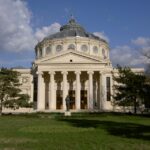
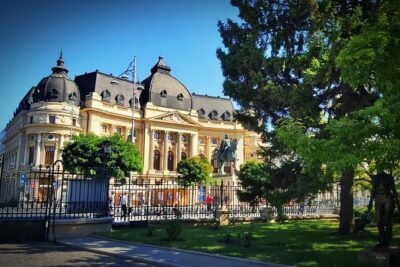
Next up is the Romanian Athenaeum, a 19th-century monument that signals a different side of Bucharest—its love for classical music and cultural pride. This isn’t a purely Communist-era stop, which is exactly why it works in the middle of the day.
You’ll get about 30 minutes here. The big visual takeaway is the impressive fresco in the concert hall—reported here as 75 meters—plus the sheer historical presence of the building itself. It’s not just architecture trivia; it’s the contrast that makes the Communist story sharper.
Admission for this stop is not included, so factor in that extra ticket cost. If you want to avoid last-minute decision fatigue, ask your guide beforehand whether you should handle tickets immediately or plan to buy later. Either way, consider this stop your breathing space: the politics around it is heavy, and the Athenaeum gives you a different emotional tone without leaving Bucharest’s core narrative.
Ceausescu Mansion: the dictator’s former residence
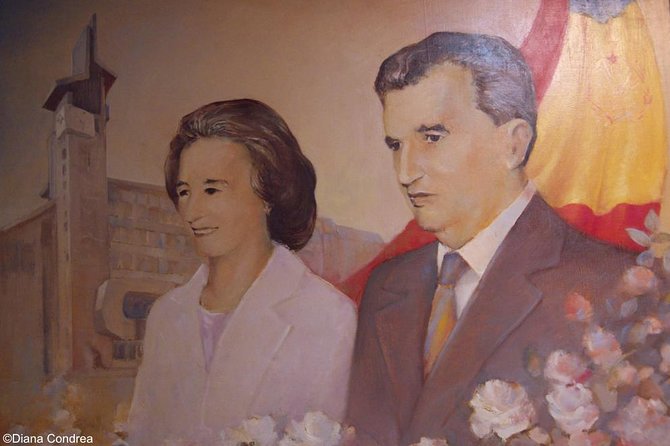
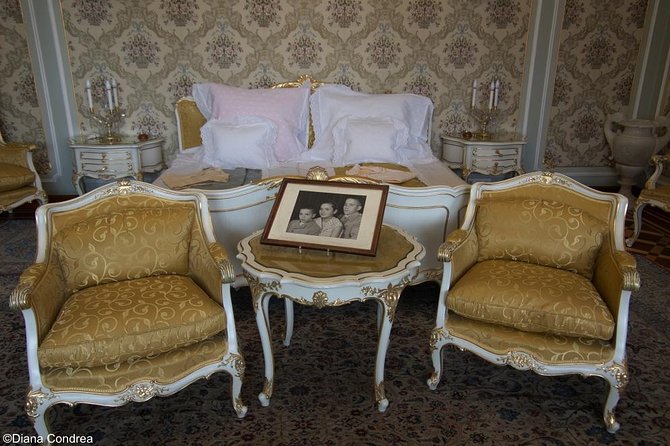
Then you shift into a more personal kind of power with the Ceausescu Mansion, the former residence of Nicolae Ceaușescu. You’ll spend around one hour here, and admission is listed as free.
The time is important because a former residence isn’t just a façade. It helps you picture how authority operated at close range. The symbolism shifts from public spectacle to private control, which is often where dictatorship feels most unsettling.
One drawback to keep in mind: because this is a residence tied to a brutal political era, you might want a guide who can handle sensitive topics with clarity. The good news is that this tour’s guides are trained in political science and tourism, and feedback has highlighted their professionalism. If you ask good questions—like how the country functioned under rule—this stop can become far more than a quick photo.
Palace of Parliament (House of the People): the scale is the message
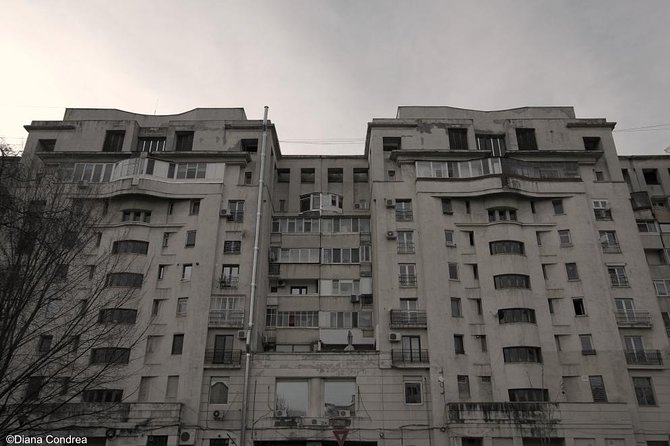
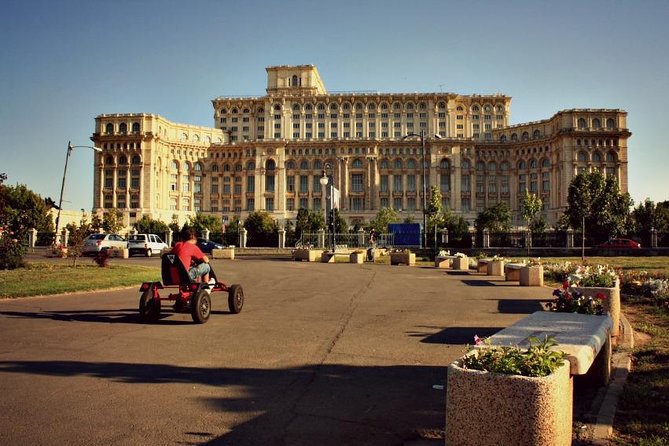
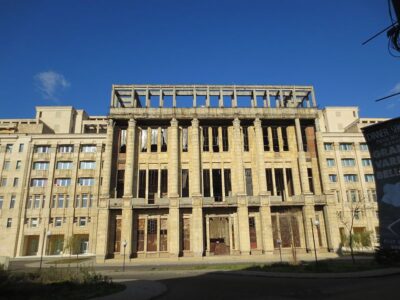
No Communist Bucharest route feels complete without the Palace of Parliament, known locally as the House of the People. This is described as the most famous landmark from the Communist period and also the second largest administrative building in the world—so even the approach can feel like you’re walking into a machine built to dominate space.
You’ll spend about 1 hour 30 minutes, and admission isn’t included here. That matters because this is one of the stops where you’ll likely want enough time to absorb both the exterior and the interior details without rushing.
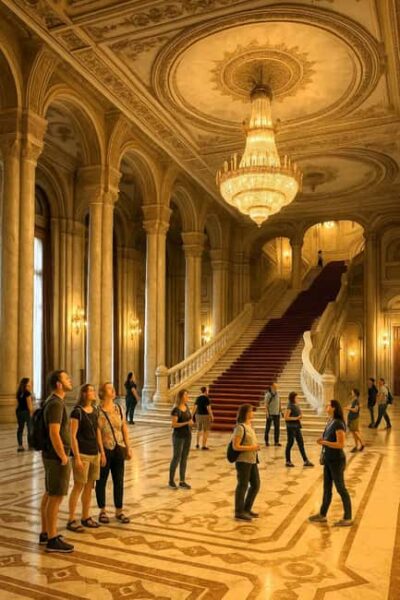
What really lands is the scale and cost-to-impress details: more than 1,000 rooms, hand-made decorations, 1 million cubic meters of marble, and 3.5 tonnes of crystal. These numbers aren’t just trivia. They explain the logic of the regime—spend massively, build visibly, signal permanence.
Potential consideration: if you’re short on time or sensitive to politically charged architecture, this could feel overwhelming. But if you enjoy buildings that tell you how power wanted to be seen, it’s the star of the day.
Piața Constituției: the civic center built for authority
After the Palace, you’ll head to Piața Constituției, described as the heart of the Communist civic center. This stop is shorter—about 20 minutes—and admission is free.
The value here is in how you connect the dots. The Palace represents government at maximum volume. The square is where civic life and ideology were meant to meet. It’s the kind of space designed for crowds, ceremonies, and messaging—so even if you don’t see events happening, you can imagine the intended purpose.
For photos, this is often a sweet spot because wide-open civic spaces let you capture the architecture’s proportions. If you want to get the most out of your visit, I’d pause and ask your guide what to look for: alignments, building massing, and how the square functions in relation to the surrounding monuments. That’s where the tour earns its keep.
Antim Monastery and Mihai Vodă Monastery: faith that survived the bulldozers
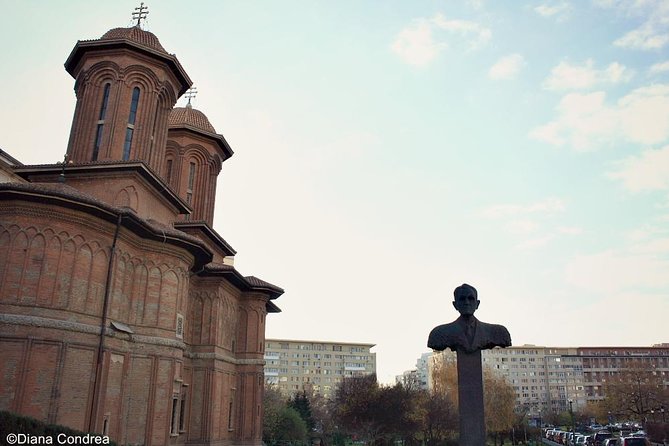
The last major stops are churches that were saved from Communist demolitions by being moved from their original locations. You visit Manastirea Antim, then Mihai Vodă Monastery, with about 20 minutes each and free admission.
Why I like these stops: they add a human-scale counterpoint. After hours of dealing with political power expressed in monumental buildings, you see what persistence looks like—heritage literally relocated to endure a different era.
The fact that both churches were moved is the kind of detail that helps you understand the regime’s impact beyond politics. It wasn’t only leaders and laws. It was physical change to the city and to the places people used to meet, pray, and remember.
Practical note: churches can vary in interior lighting. Bring your eyes, not just your camera, and let the guide point out what you should notice. Even in a fast stop, you can leave with a sense of how Bucharest’s cultural memory survived.
Lunch timing: use the break to reset
Midday includes a break for lunch at a city-center restaurant. Food and drinks aren’t included, so you’ll be deciding on your own where to eat.
This break is more than a meal slot. It’s your chance to reset mentally, especially after the Palace and the dictator-related stop. I’d use lunch to check how you’re feeling and whether you want to keep the pace or slow down slightly for the final monuments.
If you’re the type who likes to stay organized, take a quick look at your route before you sit down. The tour ends back at the meeting point, so you can plan your next stop in the afternoon without feeling rushed.
Price and value: what $92.19 gets you in real terms
At $92.19 per person for an approximately 7-hour private tour, you’re paying for a guide who can connect the story to the exact buildings you’re seeing. The value isn’t only the sites—it’s the ability to ask questions and get context that makes the architecture make sense.
You also get pickup for small groups (maximum 3 people), plus private vehicle transport for some parts. That combination matters in Bucharest, where spacing between major landmarks can turn a full day into an exhausting scramble if you’re traveling on your own.
Two key costs aren’t baked into the price: entry tickets for the Romanian Athenaeum and the Palace of Parliament. That’s not a deal-breaker, but it does mean your real total budget will be a bit higher than the base price once you choose to enter those spaces.
If you’re traveling with one other person, the private format can feel especially efficient: you’re basically buying time, logistics help, and high-context storytelling instead of just walking around alone.
Should you book this Communist Bucharest private tour?
Book it if you want a structured, full-day route through the political landmarks of Communist Bucharest, with a guide who can explain what you’re seeing in clear terms. It’s especially worth it if you care about the 1989 Revolution setting, enjoy architecture with a political message, and like having enough time to stop and think instead of racing from photo spot to photo spot.
Skip it if you only want a quick highlights loop, or if you strongly dislike politically heavy subject matter. Also be ready for extra entry costs at the Romanian Athenaeum and the Palace of Parliament.
For the rest of you—this is a smart way to understand the city beyond postcards.
FAQ
How long is the Communist Bucharest private walking tour?
It lasts about 7 hours.
What time does the tour start?
The start time is 8:30 am.
Is the tour fully on foot?
Not entirely. It’s a walking tour, but private vehicle transport is used on some parts of the itinerary.
What’s included in the price?
Included: a professional guide, private vehicle transport on some parts, and hotel pickup for groups of maximum 3. Food and drinks are not included.
Which attractions require extra tickets?
Admission is not included for the Romanian Athenaeum (Ateneul Român) and the Palace of Parliament (House of the People). Other stops listed are free.
Do I need a passport?
Yes, a current valid passport is required on the day of travel.
Can I cancel for free?
Yes. You can cancel up to 24 hours in advance for a full refund.
Just the Party You Came With: More Private Days
- Castles of Transylvania: Private Day Trip from Bucharest
★ 4.5 · 248 reviews - Dracula’s Castle, Peles Castle and Brasov – Private Day Trip from Bucharest
★ 5.0 · 211 reviews - Best of Bucharest | Private Walking Tour
★ 5.0 · 199 reviews - Bucharest Panoramic Sightseeing – Private City Tour
★ 5.0 · 128 reviews - THERME “Take It Easy” Pack: Full Spa Access + Private Transfers
★ 4.0 · 117 reviews - 4h Bucharest Private Tour (2h by Car and 2h Walking in Old Town)
★ 5.0 · 90 reviews
Bucharest on Foot, Continued
- Bucharest: City Highlights Guided Walking Tour
★ 4.9 · 1,482 reviews - Bucharest: Communism and History Guided City Walking Tour
★ 4.9 · 918 reviews - Bucharest Highlights Walking Tour
★ 5.0 · 469 reviews - Bucharest: Hidden Markets Walking Tour with Tastings
★ 4.9 · 329 reviews - Bucharest: Ghost Stories & Romanian Mythology Walking Tour
★ 4.9 · 287 reviews - Bucharest: Guided Walking Tour with Romanian Snack
★ 4.9 · 228 reviews
The Communist Years, Up Close
- Bucharest: Communism and History Guided City Walking Tour
★ 4.9 · 918 reviews - The Real tour of Communism
★ 5.0 · 666 reviews - Life under Communism
★ 5.0 · 358 reviews - 3-Hour Guided Tour of Communist Bucharest
★ 4.9 · 303 reviews - Bucharest: Parliament, Ceausescu House & Village Museum Tour
★ 5.0 · 208 reviews - Bucharest Essential Tour: Old Town, Calea Victoriei & Communism
★ 5.0 · 142 reviews
Just In: The Latest Bucharest Reviews



Communism & Ceaușescu Tours, compared.
 ★ 4.9Communism and History Guided City Walking TourFrom $31918 reviews
 ★ 5.0The Real tour of CommunismFrom $32666 reviews
 ★ 5.0Life under CommunismFrom $42358 reviews
 ★ 4.93-Hour Guided Tour of Communist BucharestFrom $29303 reviews
 ★ 5.0Parliament, Ceausescu House & Village Museum TourFrom $1208 reviews
 ★ 5.0Bucharest Essential Tour: Old Town, Calea Victoriei & CommunismFrom $24142 reviews
 ★ 5.0Communism in Bucharest – Landmarks, Museum & Communist AppetizersFrom $48111 reviews
 ★ 4.9Palace of Parliament, Ceausescu House & Village MuseumFrom $186 reviews
Browse the lists this tour appears in