
REVIEW · BRAșOV & TRANSYLVANIA
Transylvanian week
Transylvania can feel like a movie set. This 6-day guided week turns the legends into a workable route, with your transport handled and your guide keeping the story straight. I especially like the licensed guiding (including Vlad the Impaler context) and the private, air-conditioned driving that saves energy for real sightseeing. One thing to consider: you’ll be on the road a lot, so this is best if you enjoy day-long plans more than slow wandering.
The value here is practical, not just scenic. You get six nights in simple 3-star superior hotels or guesthouses with breakfast, plus a mix of included and free sights (Cozia Monastery, Sibiu old town, and more). The main tradeoff is that “meals not included” means dinner stops are on you, after a long but efficient touring day.
In This Review
- Key Highlights You’ll Care About
- Transylvania, Without the Planning Headaches
- Price and Logistics: Private Ride, Included Admissions
- Day 1: Cozia Monastery and Sibiu’s Council Tower Climb
- Day 2: Corvin Castle and Alba Iulia’s Cathedral Complex
- Day 3: Biertan, Malancrav Frescoes, and Sighisoara at Dusk
- Day 4: UNESCO Fortified Churches to Brasov’s Rope Street
- Day 5: Cable Car Views, Bran Castle Myths, and Black Church
- Day 6: Prahova Valley to Peles Castle and Bucharest’s Stavropoleos
- Guide Matters: Gelu’s Adaptability and People-First Approach
- Who This Tour Fits Best
- Should You Book This 6-Day Transylvania Loop?
- FAQ
- How long is the Transylvanian week?
- Where does the tour start?
- What type of transportation is used?
- What’s included in the price?
- What is not included?
- What sights have admission included or marked free?
- Do I get guided tours in the cities?
- Will this be just my group?
- Are there limits on who can join?
- What happens if I cancel?
Key Highlights You’ll Care About
- Private transportation in an air-conditioned vehicle keeps travel comfortable between far-flung sites.
- UNESCO-listed fortified churches show how Transylvania defended itself, not just how it looked.
- John Hunyadi and Vlad the Impaler threads connect castles, cathedrals, and legends across days.
- Comfortable 3-star stays with breakfast included for six nights, double-occupancy.
- Many admissions included means fewer surprises at each ticket booth.
- Gelu Trandafir’s style (from past groups) is repeatedly praised for being attentive and adaptable.
Deeper into Brasov and Saxon Transylvania
- Bucharest: Dracula’s Castle, Peles Castle, & Brasov Old Town★ 4.5 · 17,858 reviews
- Bucharest: Dracula Castle, Peles Castle & Brasov Old Town★ 4.6 · 10,891 reviews
- Bucharest: Dracula’s Castle, Peleș Castle & Brașov Day Trip★ 4.4 · 6,100 reviews
- Bucharest: Day Trip to Dracula Castle, Peles Castle & Brașov★ 4.4 · 3,049 reviews
Transylvania, Without the Planning Headaches
If the idea of Transylvania sounds fun but also stressful, this tour is built for you. You start in Bucharest (hotel or airport pickup), then move outward through a smart route: monasteries and old Saxon towns, fortified churches with UNESCO status, and castles tied to major medieval power. Instead of building your own day-by-day plan, you follow a guide who already knows where the time sinks are, where the short photo stops should happen, and how to connect each place to the bigger story.
What makes it work is the mix of famous and deeply local. You won’t only chase postcard castles. You’ll also see the church-fortress logic of the region—how communities turned worship spaces into defensive architecture—then circle back to the bigger names in the legends: Mircea the Elder (linked to Vlad’s family line) and Vlad the Impaler through places in and around Sighisoara.
Here’s the only drawback I’d flag: it’s a “see a lot” week. Even with private transport, you’ll spend meaningful time in the car. If your ideal trip is quiet and spontaneous, you might feel the schedule pressure. If you like having a plan that hits the key sites without the hassle, you’ll likely appreciate how much you pack in without the mental work.
Price and Logistics: Private Ride, Included Admissions
At about $2,166.68 per person for roughly 6 days, the sticker price is not small. But when you look at what’s bundled, it starts to make sense. You get:
- 6 nights in double occupancy in 3-star superior hotels or guesthouses, with breakfast included
- Private transportation in an air-conditioned vehicle
- Lunch included
- A guide and all fees and taxes
- Several attraction admissions marked included across the days
That “all fees and taxes” line matters more than it sounds. Many tours like this quietly shift costs to you at the entrance gates. Here, the schedule is set up so you’re not constantly doing math while trying to enjoy the view.
Still, read the exclusions carefully. Meals are not included beyond what’s specified (lunch is included). Photo fees aren’t included. And flight tickets are obviously on you. In real life, that means you should plan for dinner and drinks to be flexible, especially after days that end in older cities where it’s convenient to grab something nearby.
One more logistics point that affects comfort: the tour window is listed as 8:00 AM to 8:00 PM and the experience is confirmed at booking. You also get a mobile ticket and pickup offered from your Bucharest hotel or the airport. For many people, that reduces the usual “where do we meet” anxiety that can start a trip in a bad mood.
Day 1: Cozia Monastery and Sibiu’s Council Tower Climb
You begin with an immediate dose of medieval Romania. At the start of the driving day, you visit Cozia Monastery, founded in 1388 by Mircea the Elder. The connection to the wider Transylvania legend matters: Mircea the Elder is tied as a grandfather figure in the family background of Vlad the Impaler. Cozia isn’t huge time-wise—about 30 minutes—but it’s a strong tonal opener. Monasteries here are more than churches; they’re history in stone.
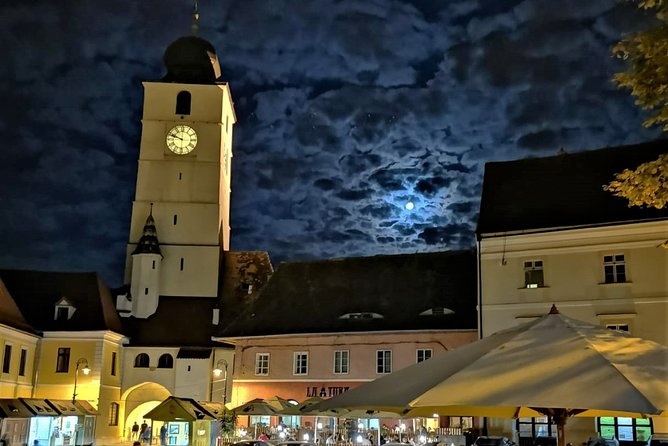
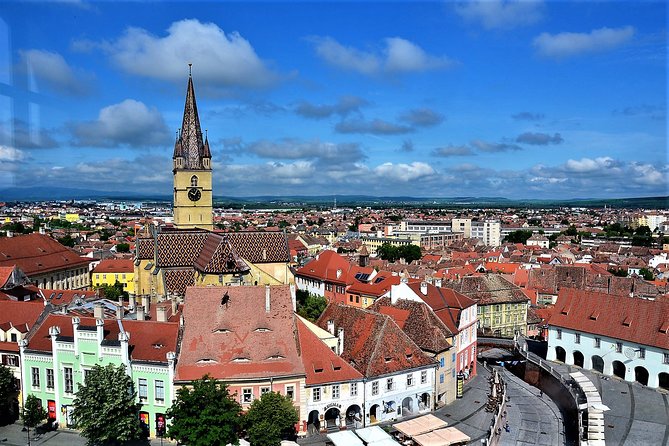
Then you swing into Sibiu for a guided old-town walk. The schedule gives you something practical: you’re not just wandering without landmarks. You’ll hit the Grand Square, Small Square, and Albert Huet Square (noted as dating back to the 12th century). You also visit the Orthodox Cathedral and the Evangelical Church, which helps you understand the mix of religious communities that shaped the region.
The “wow” moment is practical too: Sibiu has a viewpoint reward after climbing the medieval Council Tower stairs. It’s the kind of stop where the effort is visible in the result. If you’re someone who usually skips climbs, you might reconsider here because the city layout becomes easier to read from above.
Advisable tip: wear shoes that handle steps. You’ll do climbs more than once across the week, and fortified churches often mean uneven stone surfaces.
Day 2: Corvin Castle and Alba Iulia’s Cathedral Complex
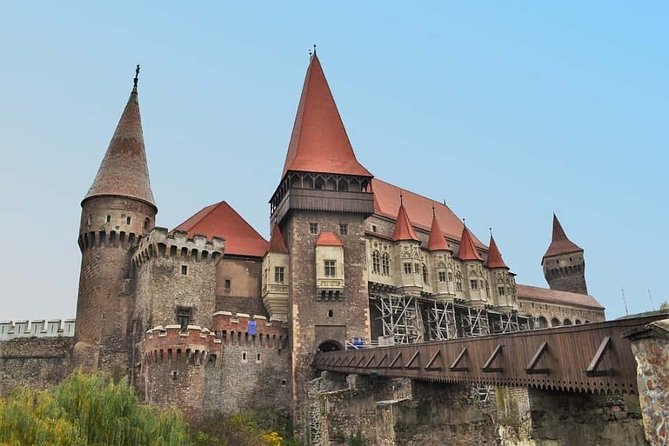
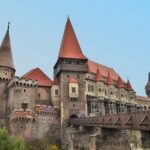
Day 2 is a power-history day, and it’s done in a way that doesn’t feel like homework. You start at Castelul Corvinilor (Corvin Castle) in Hunedoara, shaped by the story of John Hunyadi (also linked to the Corvin name). The guide thread runs through names like Voicu (Vojk) and the ennoblement by King Sigismund of Luxembourg, then pushes forward to John Hunyadi becoming regent of Hungary during unstable times.
The story doesn’t stay abstract. It points to real medieval stakes: John Hunyadi is credited with a major victory against Mehmed II in Belgrade. You’re not just seeing a castle façade; you’re seeing why military leaders mattered and how fortifications became political statements.
Next comes Alba Iulia, where the schedule includes the Alba Carolina fortress and Saint Michael Cathedral (construction noted as starting in 1004). This is the kind of place where you feel the weight of centuries: different rulers, different architectural layers, and multiple religious sites, including the Orthodox Coronation Cathedral. The itinerary also includes ruins of a Roman castrum linked to the 13th Gemina Roman Legion. It’s a reminder that Transylvania’s strategic value long predates the medieval era.
This day also includes the comfort of logistics: you return for a second overnight in Sibiu, which means you’re not constantly unpacking and repacking.
Possible drawback: history-heavy days can be mentally tiring if you’re also trying to take in every detail. The good news is the guide format usually keeps it moving, so you’re never stuck listening without breaks.
Worth a look before you lock in this Bucharest tour:
Day 3: Biertan, Malancrav Frescoes, and Sighisoara at Dusk
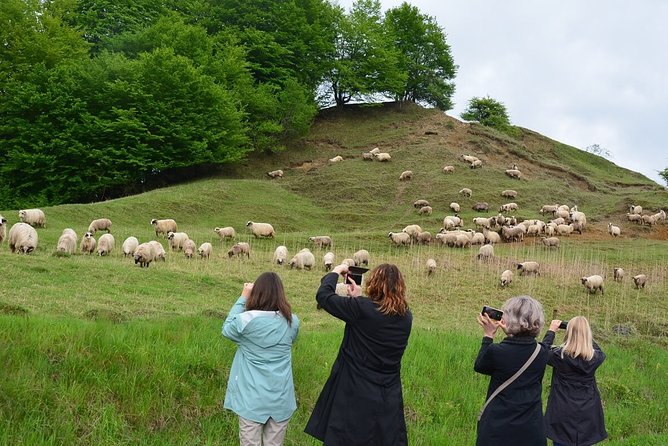
If Day 2 is about power, Day 3 is about place. You start from Sibiu and head toward Sighisoara via the Hartibaciu Valley, crossing old Saxon villages and passing through forested stretches. Even if you’re not big on scenery, the drive gives context: these fortified towns weren’t built in flat open fields for convenience. They’re part of a lived geography.
The first stop is the Fortified Church of Biertan, then you continue to Malancrav for the fortified Lutheran church. This is one of the most specific story stops on the schedule: Malancrav has what’s described as the largest Gothic church fresco in Transylvania. It was discovered in 1914 during restoration, beneath paint layers tied to the Lutheran Reformation. That survival story matters because it explains why the interior looks the way it does today—and why some religious art was protected, covered, and later revealed.
Then you end the day in Sighisoara, a UNESCO site. The stop includes visiting the Clock Tower, plus time in the citadel during late afternoon and evening. This timing helps: you’re in the area when it’s less hectic. The birthplace of Vlad the Impaler is part of the narrative, and the castle-and-courtyard feeling fits the legend in a very natural way.
Advisable tip: late-day hours are great for photos, but they also mean colder or darker conditions depending on the season. Bring a light layer you can handle during evening walks.
Day 4: UNESCO Fortified Churches to Brasov’s Rope Street
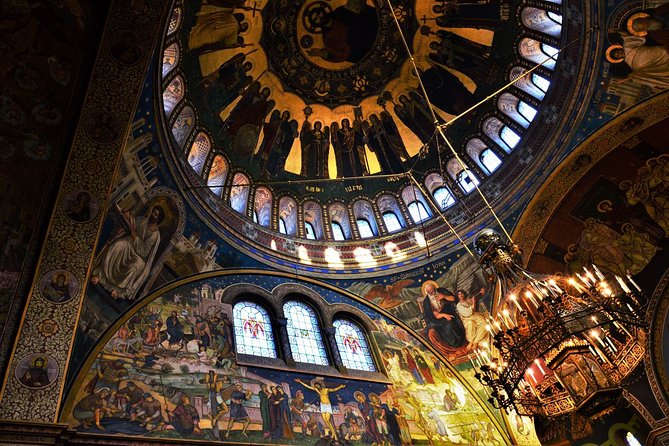
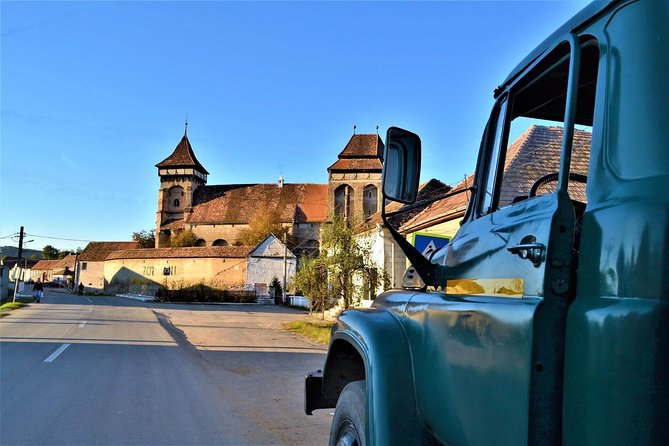
Day 4 links multiple UNESCO fortified church stops into one smooth route, then ends with Brasov, where you get city life again. On the way from Sighisoara to Brasov, the tour includes a quick look at Saschiz fortified church, a UNESCO World Heritage monument. It’s noted for a tower reminding you of the Clock Tower of Sighisoara, which is a nice way to tie the architecture together.
You also get a lunch break in Viscri, described as remote and connected to Prince Charles, who fell in love with the area and bought an old Saxon house (number 163, a blue house built in 1753). Even if you don’t care about royal trivia, this stop gives you a different pace: a village feel after days of fortified sites and strong defensive lines.
Then the drive includes sights like the Rupea fortress, noted as one of the oldest fortifications in Romania, built over preexisting Roman and Dacian fortifications. That’s the kind of throwaway line that becomes meaningful once you recognize how long this region has been contested.
In the afternoon you visit the Fortified Church of Prejmer. This is a key UNESCO stop because the itinerary explains the “why” behind it: Teutonic Knights were asked by a Hungarian king to defend the area against threats from the east, then the foundation was later shaped further by Saxon settlers after a quarrel. The result is one of the seven Saxon fortifications in Transylvania on the UNESCO list.
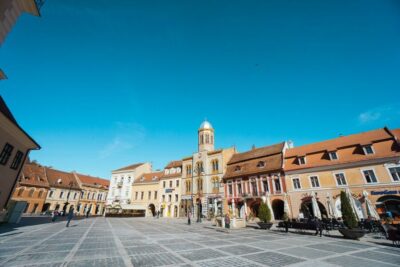
Finally, you check in to Brasov and do a guided historical center walk. The tour references Teutonic Knights establishing a fortress in 1211, later joined by German settlers, and you’ll visit the fortifications, bastions, and towers. The schedule also includes Rope Street, described as one of the narrowest in Europe. That street isn’t just a photo stop; it’s a reminder that medieval cities were built for defense and density, not cars.
Day 5: Cable Car Views, Bran Castle Myths, and Black Church
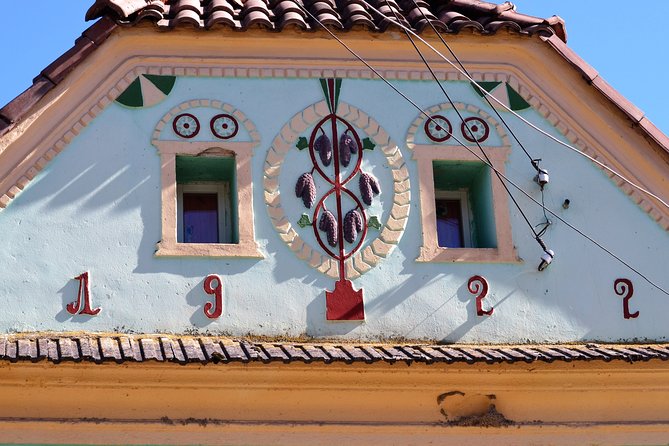
Day 5 shifts gears toward mountain views and the Dracula story people come for. You start with Poiana Brasov, riding a cable car up to around 1,722 meters near Postavaru Peak. The itinerary makes the weather conditional: if conditions are good, you’ll see impressive views over the Carpathians and Transylvanian plateau. This is where I’d use a practical mindset. If the weather is foggy or rainy, you still get the experience, but the view payoff may drop. Don’t let that ruin your day; use it as a reminder that Transylvania is real, not always cinematic.
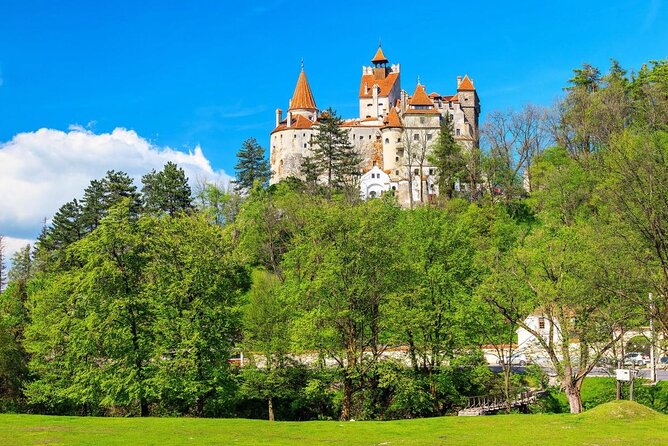
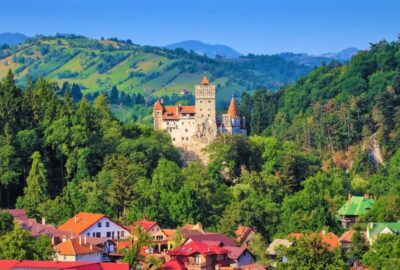
After Poiana Brasov, you connect the views back to Bran Pass, just above Bran Castle. The castle visit includes the context: it was built in the 14th century to guard a strategic commercial route between Wallachia and Transylvania. The description emphasizes its steep rock situation and a natural defensibility. Then comes the cultural layer: Bran Castle is quickly linked to Dracula legends.
A balanced thought: the Dracula association is part of why people get excited, but the castle is still worth it even if you treat the legend as folklore rather than fact. The real value is seeing how position and fortification mattered.
On the drive back toward Brasov, you admire Rasnov fortress from afar, described as a 13th-century fortification possibly linked to Teutonic Knights’ period in the region.
In the afternoon, you visit Black Church (Biserica Neagra), a Gothic church in Brasov. It’s a great counterpoint to castle drama: instead of fortifications at the edge of a precipice, you get a big, imposing church interior feel and the city’s religious architecture.
Day 6: Prahova Valley to Peles Castle and Bucharest’s Stavropoleos
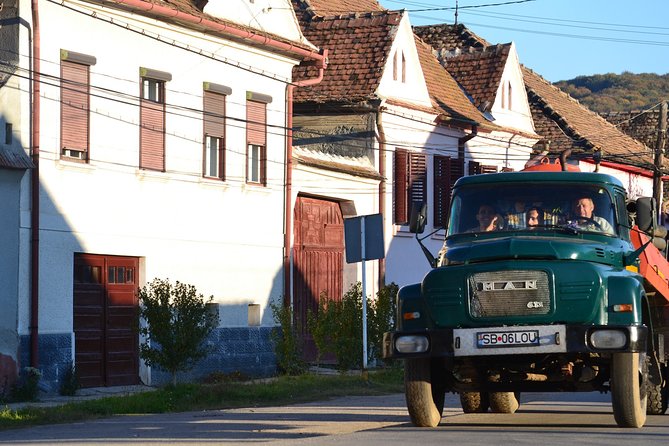
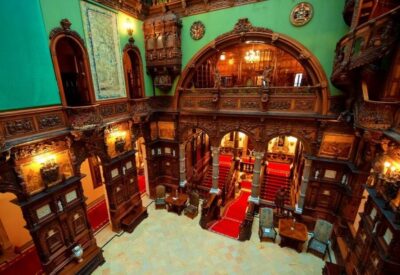
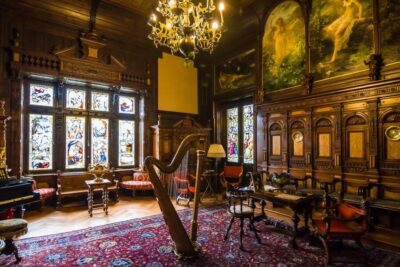
The last day is for contrast: you move south on the Prahova Valley from Brasov to Bucharest. Along the way, you stop at Peles Castle in Sinaia, built at the end of the 19th century. It’s described as a flamboyant castle, notably different from the more austere character of King Carol I. The guide link is clear: Carol I modernized Romania over a long reign, and the itinerary even includes the detail that his queen, Elisabeth, said he wore the crown even while he was sleeping. That little detail gives personality to what could otherwise be a date-and-fact stop.
After Peles, you continue to Bucharest for check-in. You also get a guided Bucharest evening tour and a visit to Stavropoleos Monastery (built in 1724) in the heart of the city. The “city monastery” concept is what makes this last stop feel grounded. You started with medieval fortress-world. You end in the real pulse of modern Romania’s capital, with something old tucked into the streets.
One thing to plan for: after a full week, you’ll likely want dinner on your own tonight. The schedule leaves room for you to settle impressions before the evening guidance starts.
Guide Matters: Gelu’s Adaptability and People-First Approach
This tour lives or dies by the guide, and the provided feedback points to a very consistent theme: the best part is how the licensed guide handles the details while staying flexible.
In past groups, Gelu Trandafir has been singled out as a guide who takes care of the plan from start to finish, including when people want a small detour. Another recurring point: adaptability. When plans get challenged, having someone who can shift routes or timing without losing the sense of the day makes a big difference.
There’s also a “human scale” element in the way the tour is run. Some accounts highlight introductions to kind Romanian people and the sense of traveling with a family-run operation atmosphere. That matters because Transylvania isn’t only buildings. It’s the way locals explain what you’re seeing—and why they treat history as something living.
Practical takeaway for you: if you have dietary needs or mobility limitations, this kind of adaptable guide is usually where you’ll feel supported. The listing also states that service animals are allowed and that most travelers can participate, but your comfort will depend on your own walking tolerance.
Who This Tour Fits Best
This “Transylvanian week” is a strong fit if you:
- Want a guided, high-signal route through major Transylvania highlights without the logistical headaches
- Enjoy fortified church architecture and how defense shaped everyday life
- Like connecting castles to real medieval figures like John Hunyadi and Vlad-related story lines
- Prefer private transportation and fixed timing over DIY public-transit juggling
It’s less ideal if you:
- Hate the idea of a packed schedule and long driving days
- Need lots of free time in each town to wander without returning to the group timeline
- Are expecting all meals to be included (lunch is included, but meals beyond that aren’t)
Should You Book This 6-Day Transylvania Loop?
I’d book it if you want the “best version” of Transylvania in one organized week: medieval monasteries, Saxon fortified churches with UNESCO weight, big-name castles, and then a clean finish in Bucharest. The combination of six nights with breakfast, private air-conditioned driving, and multiple attractions with included admissions is what makes the price feel less random.
I wouldn’t book it if you’re traveling mainly for solitude and slow strolling. This is not a gentle meander. It’s a guided route built for people who want to see a lot without constantly making decisions.
If you do book, plan for comfort: bring sturdy shoes, dress in layers for changing weather (especially for Poiana Brasov views), and treat dinner as part of the fun you control.
FAQ
How long is the Transylvanian week?
It’s listed as about 6 days.
Where does the tour start?
The tour is based in Bucharest, with pickup offered from your hotel in Bucharest or from the airport.
What type of transportation is used?
You travel by private transportation in an air-conditioned vehicle.
What’s included in the price?
Inclusions listed are lunch, 6 nights in a 3-star superior hotel or guesthouse with breakfast included (double room occupancy), air-conditioned vehicle, all fees and taxes, and private transportation. You also get a mobile ticket.
What is not included?
Meals are not included, photo fees are not included, and flight tickets are not included.
What sights have admission included or marked free?
Cozia Monastery and Sibiu are marked free, while many others (such as Castelul Corvinilor, Alba Iulia sites, Biertan/Malancrav/Sighisoara, Prejmer, and Black Church, plus Peles Castle) are marked as included. Poiana Brasov and Stavropoleos Monastery are marked free.
Do I get guided tours in the cities?
Yes. The schedule includes guided city visits, such as Sibiu’s old city and an evening guided tour of Bucharest, plus guided stops at major attractions.
Will this be just my group?
Yes. It’s described as a private tour/activity, meaning only your group will participate.
Are there limits on who can join?
The listing says most travelers can participate, and service animals are allowed.
What happens if I cancel?
The experience is non-refundable and cannot be changed for any reason. If you cancel or request an amendment, the paid amount is not refunded.
More 7-Day Experiences in Bucharest
- 4×4 Driving Experience at Flying Altitudes – 7 Days
★ 5.0 · 13 reviews - 7-Day Private Tour of Transylvania from Bucharest
★ 5.0 · 13 reviews - 7-Day Romania Tour -Transylvania and Painted Churches
★ 5.0 · 7 reviews - Amazing Romania – Seven day private tour from Bucharest
★ 5.0 · 7 reviews - 7 days Private Romania Grand Tour from Bucharest
★ 5.0 · 6 reviews - 7 Days Private Guided Tour in Romania from Bucharest
★ 5.0 · 4 reviews
More Tour Reviews in Bucharest
- Bucharest: Dracula’s Castle, Peles Castle, & Brasov Old Town
★ 4.5 · 17,858 reviews - Bucharest: Dracula Castle, Peles Castle & Brasov Old Town
★ 4.6 · 10,891 reviews - Bucharest: Dracula’s Castle, Peleș Castle & Brașov Day Trip
★ 4.4 · 6,100 reviews - Bucharest: Palace of Parliament Tickets and Guide
★ 4.3 · 3,182 reviews - Bucharest: Day Trip to Dracula Castle, Peles Castle & Brașov
★ 4.4 · 3,049 reviews - Bucharest to Dracula Castle, Peles Castle and Brasov Guided Tour
★ 4.5 · 2,933 reviews
Brasov and Saxon Transylvania
- Bucharest: Dracula’s Castle, Peles Castle, & Brasov Old Town
★ 4.5 · 17,858 reviews - Bucharest: Dracula Castle, Peles Castle & Brasov Old Town
★ 4.6 · 10,891 reviews - Bucharest: Dracula’s Castle, Peleș Castle & Brașov Day Trip
★ 4.4 · 6,100 reviews - Bucharest: Day Trip to Dracula Castle, Peles Castle & Brașov
★ 4.4 · 3,049 reviews - Bucharest to Dracula Castle, Peles Castle and Brasov Guided Tour
★ 4.5 · 2,933 reviews - Dracula’s Castle, Peles Castle and Brasov Day Trip from Bucharest
★ 4.5 · 1,804 reviews
Just In: The Latest Bucharest Reviews

Brașov & Transylvania, compared.
 ★ 4.5Dracula’s Castle, Peles Castle, & Brasov Old TownFrom $4017,858 reviews
 ★ 4.6Dracula Castle, Peles Castle & Brasov Old TownFrom $4010,891 reviews
 ★ 4.4Dracula’s Castle, Peleș Castle & Brașov Day TripFrom $366,100 reviews
 ★ 4.4Day Trip to Dracula Castle, Peles Castle & BrașovFrom $453,049 reviews
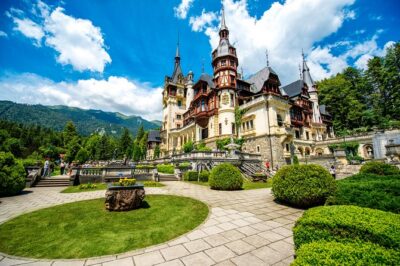 ★ 4.5Bucharest to Dracula Castle, Peles Castle and Brasov Guided TourFrom $332,933 reviews
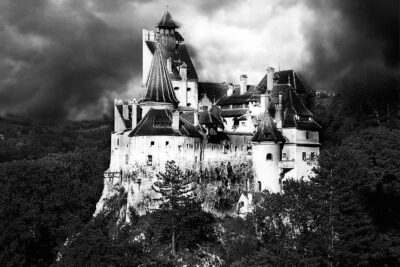 ★ 4.5Dracula’s Castle, Peles Castle and Brasov Day Trip from BucharestFrom $331,804 reviews
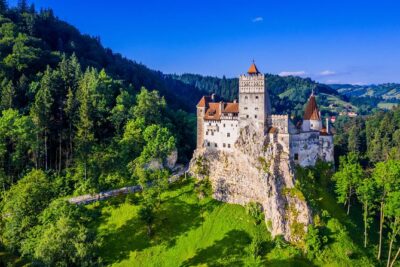 ★ 4.5Transylvania and Dracula Castle Full Day Tour from BucharestFrom $351,589 reviews
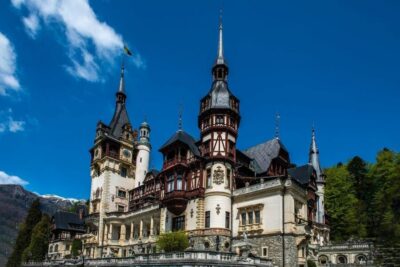 ★ 4.5From Bucharest: Brasov Peles & Dracula’s Castle Day TourFrom $651,244 reviews
Browse the lists this tour appears in