
REVIEW · BUCHAREST PRIVATE TOURS
7 days Private Romania Grand Tour from Bucharest
One tour. Four regions. Tons of wow moments. This private Romania Grand Tour strings together monasteries, medieval towns, and Dracula-world landmarks with the comfort of an air-conditioned minivan and a driver/guide who keeps the pace sane.
I especially like how the trip mixes famous sights with standout regional details, like UNESCO wooden churches in Maramures and the painted monasteries of Bucovina. Another big win for me is the private, door-to-door feel: hotel pickup and drop-off in Bucharest, then a full loop through Transylvania and beyond.
The main consideration: while some stops list free admission, many others list tickets as not included, so you’ll want to budget for entry fees (and you may have a single-room supplement if you’re traveling solo).
In This Review
- Key Points That Make This Tour Worth Your Time
- Why This 7-Day Private Route Works So Well From Bucharest
- Day 1: Cozia Monastery and Sibiu’s Three Squares
- Day 2: Alba Iulia’s Big Moment, Salina Turda Underground, and Cluj-Napoca
- Day 3: UNESCO Wooden Churches in Şurdeşti and Maramures
- Day 4: Merry Cemetery, Moldovita, Sucevita, and Marginea’s Black Ceramics
- Day 5: Piatra Neamţ, Bicaz Gorges, Red Lake, then Sighişoara at Night
- Day 6: Fortified UNESCO Sighişoara, Bran Castle’s Border Story, and Brasov
- Day 7: Peles Castle’s Royal Design and Bucharest’s Panoramic Finish
- Price and Tickets: How to Judge the Value in Real Terms
- Who Should Book This Private Grand Tour (and Who Might Want to Skip It)
- Should You Book It?
- FAQ
- How long is the Romania Grand Tour, and what’s included for lodging?
- Is pickup from Bucharest included?
- Are entrance fees included in the tour price?
- What about single travelers—are there extra costs?
- What transportation do we use during the tour?
- What if weather is bad or the minimum number of travelers isn’t met?
Key Points That Make This Tour Worth Your Time
- Private transportation in an air-conditioned minivan, with real time saved on moving between regions
- Hotel pickup and drop-off from Bucharest for an easier start and finish
- UNESCO stops tied to Romanian wooden architecture and the painted monasteries of Moldavia
- A Dracula-friendly route that still includes daily-life Romania, not just castles
- Short sightseeing blocks (often 30 minutes to a couple hours) that keep the day moving
Only your group, at your own speed
- Castles of Transylvania: Private Day Trip from Bucharest★ 4.5 · 248 reviews
- Dracula’s Castle, Peles Castle and Brasov – Private Day Trip from Bucharest★ 5.0 · 211 reviews
- Best of Bucharest | Private Walking Tour★ 5.0 · 199 reviews
- Bucharest Panoramic Sightseeing – Private City Tour★ 5.0 · 128 reviews
Why This 7-Day Private Route Works So Well From Bucharest
Starting in Bucharest matters. You’re not wasting time figuring out connections or hiring multiple drivers. With hotel pickup, then round-trip transport by private vehicle, you get to focus on the sights instead of logistics.
What makes this tour feel smart is the rhythm. You’re not stuck in one city for days. Instead, each day combines one “anchor” town or monument with a second stop that adds a different slice of culture. The result is a trip that feels like a full regional overview without turning into a nonstop marathon.
I also like that the tour is private—only your group—so your guide can shift timing if a stop runs long, or if someone needs a slower pace. In the real world, that’s often what makes a “great itinerary” actually work.
Day 1: Cozia Monastery and Sibiu’s Three Squares
You’ll start with the Olt Valley and a stop at Cozia Monastery, a Wallachian landmark dating back to the 14th century. It was founded by Mircea Il the Old, then restored in the 17th century. The façade has Armenian decorations, and the interiors are richly frescoed—exactly the kind of layered religious art that helps you understand why Romania’s Orthodox and regional influences look the way they do.
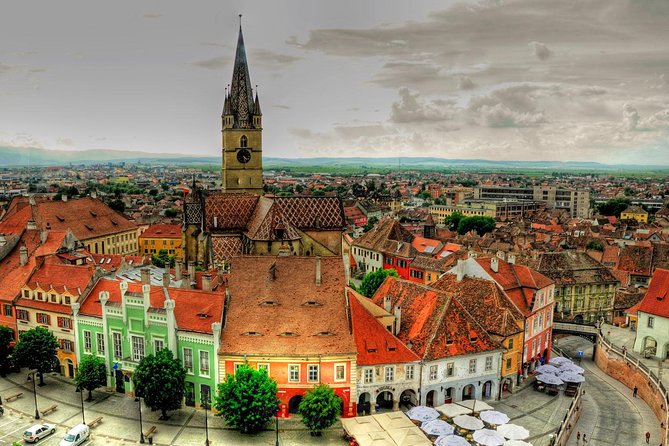
Then you head to Sibiu, one of Transylvania’s most satisfying medieval cities. I love the way Sibiu is built around its three squares—Big Square, Small Square, and Huet Square—so even if you only have a few hours, you still feel the “old town” layout immediately. You also get a practical history lesson: Romanians and Saxons living together for centuries, visible in the variety of religious monuments (Catholics, Orthodox, and Protestants).
If you’re planning your time, keep expectations flexible. Some Sibiu sights can be quick hits, but the city structure makes even a short visit feel complete. Also, entry is listed as free at this stop, so it’s a good day to spend your money on the later ticketed attractions.
Day 2: Alba Iulia’s Big Moment, Salina Turda Underground, and Cluj-Napoca
Day 2 moves into two different moods: national history, then underground fun, then a modern university city.
First up is Alba Iulia, where the Great Union of Romania was made on December 1st, 1918, right after World War I. Even if you don’t love monuments, this stop gives context. It helps you place later events—especially the cultural mix you’ll keep seeing across Transylvania—into something more than “tourist facts.”
Next is Salina Turda, the Salt Mine at Turda. This is one of those places that works for almost everyone because it’s part history, part weird science, and part entertainment park. You go down about 400 feet, then enter a space with an amphitheater, a bowling alley, an underground lake where you can row or paddle, and even a Ferris wheel. It’s not just a mine tour—it’s an underground world you can still enjoy even on a long trip.
Important money note: Salina Turda’s admission is listed as not included, so this is one of the bigger “plan for it” entries on the trip.
Finally, you’ll visit Cluj-Napoca, known for St. Michael’s Church and the statuary complex featuring King Mattia Corvino and his soldiers. Cluj also has a university scene with lectures in several languages, and it’s described as a key center for Hungarians—useful context if you’ve been thinking about Transylvania as “one culture.” It isn’t. It’s many.
Day 3: UNESCO Wooden Churches in Şurdeşti and Maramures
Day 3 is where the trip turns into something special for architecture lovers—wood, craftsmanship, and UNESCO recognition.
You’ll stop at Şurdeşti Wooden Church. It’s listed as UNESCO, and the numbers are impressive: the church was considered the tallest wooden church in Europe, with a tower around 54 m and a total height near 72 m (until a later church surpassed it). You also get details that make it more than a photo stop: it has a double-eaved roof, plus unique stacked rows of arches above the porch.
Then comes Barsana Monastery in Maramures. The tour describes it as a recently built complex with a convent of sixteen nuns, and it’s tied to the UNESCO World Heritage designation protecting stylized wooden architecture in the Maramures region. If you’ve been wondering why so many churches in this area are tall and spire-heavy, this is a good place to connect the visual style to the local building tradition.
Your day ends with Vadu Izei and a stop for the Romanian valtoare, a water-powered washing mechanism. The tour describes it as a simple device using a fast mountain stream, guiding water into a wooden gutter and bowl to wash laundry. It’s presented as originating in medieval times and described as the world’s first natural washing machine. Even if you treat the “world’s first” phrasing as promotional, the core idea is still fascinating: local people built solutions using what was already around them.
Worth a look before you lock in this Bucharest tour:
Day 4: Merry Cemetery, Moldovita, Sucevita, and Marginea’s Black Ceramics
Day 4 feels like three stories: memory and folk realism, then painted monastery artistry, then hands-on craft.
You’ll start at Cimitirul Vesel, the Merry Cemetery in Săpânţa. The description is unforgettable for a reason: over 800 wooden crosses carry life stories, including messy details and final moments, displayed with bright pictures and annotated with limericks. It’s a cemetery, but it’s also a cultural statement. The design makes the past feel close instead of stiff.
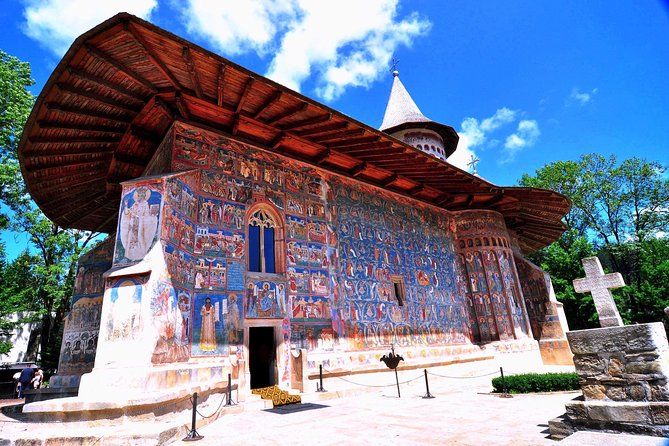
Next are the painted monasteries of Bucovina—first Moldovita Monastery, founded by Pietro Rares in the 16th century. The tour highlights frescoes inside and outside the church as the key draw. Then you’ll go to Sucevita Monastery, founded by the Movila brothers in the 17th century, described as blending Gothic and Byzantine elements into a Moldovan architectural style. The frescoes on the northern façade remain visible thanks to protective walls that were never demolished. That’s a great detail to remember because it explains why you can still see the art today.
Midday craft time is Marginea’s ceramic tradition, specifically black ceramic. You’ll visit local artisans and have the chance to enter a workshop to watch working phases of ceramic pots. It’s also a shopping moment for typical items like painted eggs and decorated pieces made with traditional Romanian techniques. This is one of the best ways to leave with something meaningful instead of yet another postcard.
Manastirea Voronet is also on this day as a painted monastery stop. Entry is listed as free here, so it’s another good “value” block in your schedule.
Day 5: Piatra Neamţ, Bicaz Gorges, Red Lake, then Sighişoara at Night
Day 5 is a classic road-trip day: mountain towns, dramatic natural features, then a medieval fortress town under the evening lights.
You begin with a short stop in Piatra Neamţ. It’s described as a ski resort that still preserves a citadel founded in Stephen the Great’s time in the 15th century, plus an 18th century synagogue. Even as a quick stop, it helps connect the trip’s theme: Romania’s layers show up not only in castles, but also in smaller civic and religious sites.
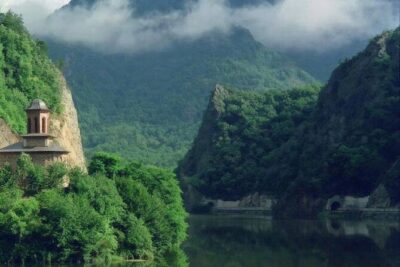
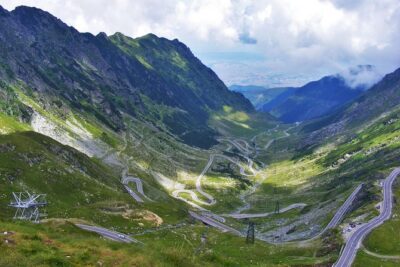
Then you head toward Bicaz Gorges. The tour describes the drive as flanked by a stream, with road views framed by thrilling cliffs. There’s also a market along the route for typical handicrafts and souvenirs, which is a practical way to stretch your legs without turning the day into a long hike.
After that you’ll visit Red Lake. The tour explains it formed after a landslide, and trunks of trees remain present in the lake, giving the site an evocative feel. You’ll also hear legends connected to the lake’s name—exactly the kind of local storytelling that makes a natural attraction feel like part of Romanian identity rather than just scenery.
Finally, you arrive late evening in Sighişoara, described as the birthplace of Vlad Dracula. Even if Dracula isn’t your main interest, the timing works. Arriving late helps the town feel atmospheric, and the medieval walls and colored houses tend to look best after the sun starts dropping.
Day 6: Fortified UNESCO Sighişoara, Bran Castle’s Border Story, and Brasov
Day 6 gives you two major “Dracula-adjacent” stops while still covering everyday Transylvania.
In Sighişoara’s historic center (UNESCO-listed), you’ll explore the fortified town. The route highlights the Tower of the Clock as the symbol of the city, and notes the town’s multicultural, multi-confessional feel. The tour also repeats a key fact: Vlad Dracula was born here in 1431. Even if you’ve heard it before, seeing how the town is laid out makes the legend feel anchored.
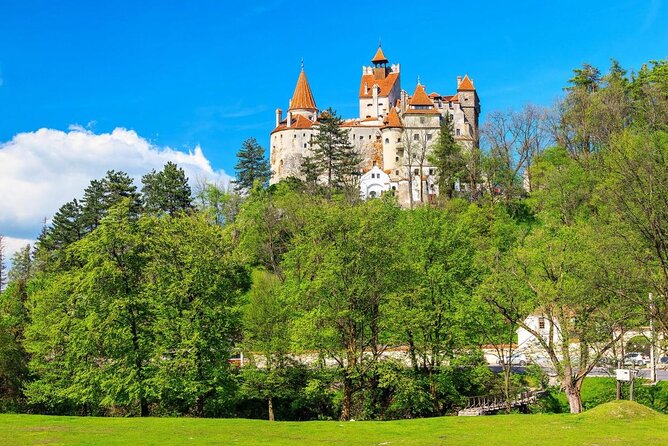
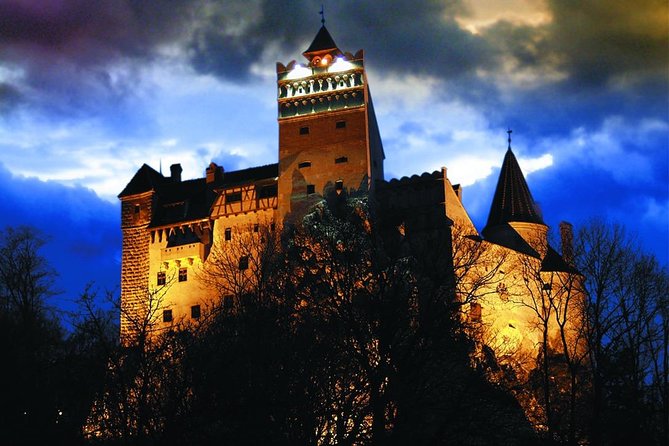
Then you move to Bran, where you’ll visit Bran Castle—often called Dracula’s Castle. The tour explains the deeper reason Bran mattered: in the Middle Ages, Bran sat on the border between Wallachia and Transylvania. Because of that, the people of Brasov built and preserved a defensive stronghold. That’s a reminder to look beyond the marketing. The castle is interesting as border architecture, not just pop-culture folklore.
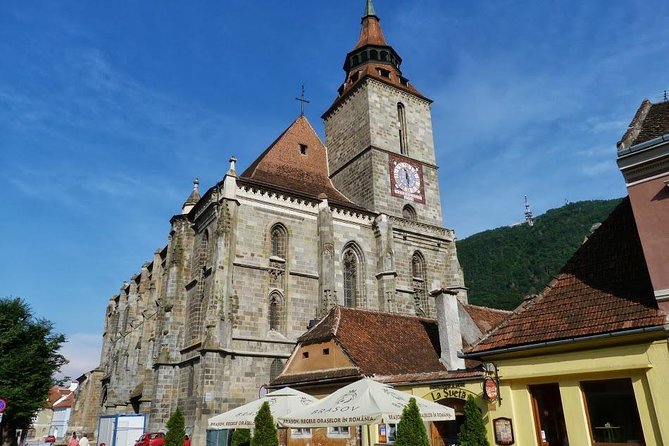
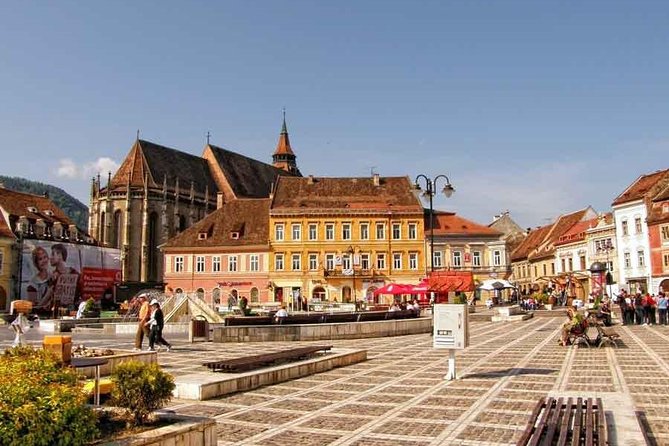
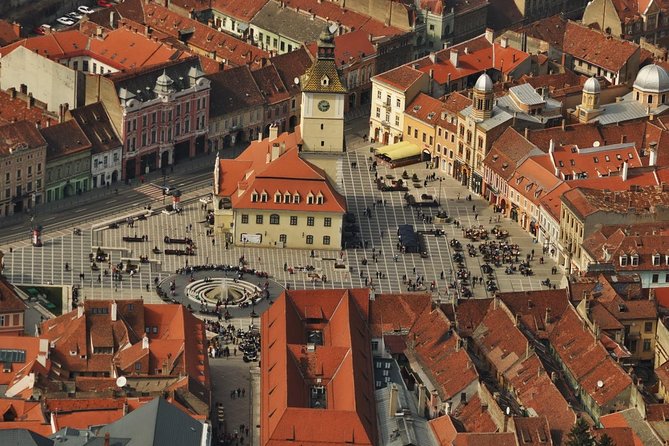
Next is Brasov Historical Center. The tour describes Brasov as once fully fortified and an important cultural, tourist, and commercial center. What I like here is the “layers in architecture” angle. You’ll see typically German architecture where Gothic, Baroque, and Renaissance styles intersect, plus sights like the First Romanian School in the Schei district.
The Schei district matters because it’s described as Romanian-only for a time, and the trip also mentions medieval entrances into the city through the Catherine’s and Schei Gate. If you want a quick sense of how cities functioned, gates and schools are the best clues.
Black Church is also included in the Brasov visit. The exact highlights aren’t listed in the details you provided, but it’s clearly part of the planned route.
Day 7: Peles Castle’s Royal Design and Bucharest’s Panoramic Finish
Your final day is a two-act ending: one of Romania’s most impressive castles, then a Bucharest overview.
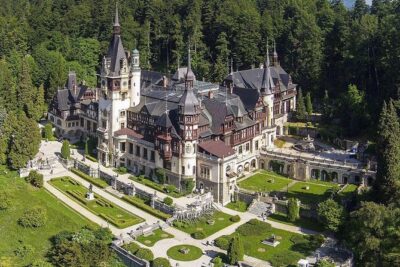
First is Peles Castle, described as the fabulous summer residence of the first King of Romania, King Charles I of Hohenzollern, of German origins. The tour notes that it was designed by a Czech architect and that it was among the most modern castles in Europe at the time of construction, between the 19th and 20th centuries. You’ll tour rooms that each have a unique style, and the itinerary calls out the Florentine room as adding an Italian and Renaissance atmosphere.
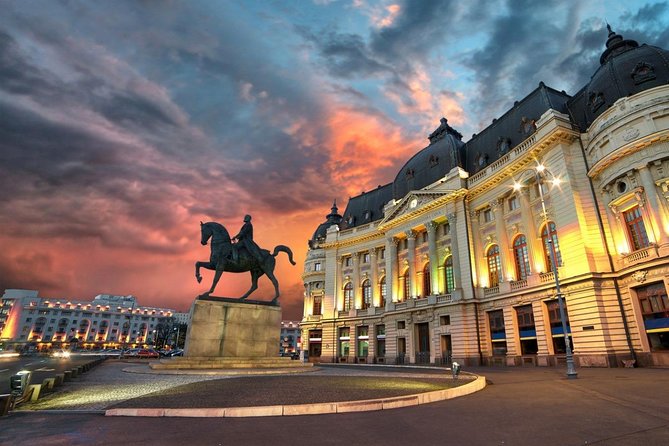
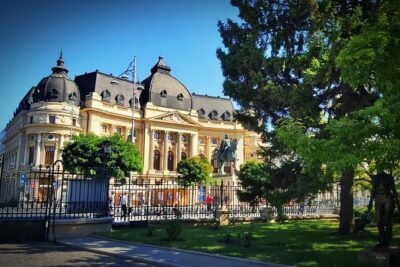
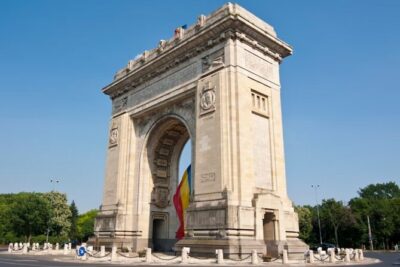
Then you head back to Bucharest for a short panoramic tour: Triumph Arch, Atheneum, Revolution Square, and Parliament Palace. This is the kind of final wrap-up that helps your brain file the trip under one story—Romania from the mountains and churches to the capital’s monuments.
One practical thought: many final-day castle visits list admission as not included, so plan your day with a little extra cash and time for ticket lines where needed.
Price and Tickets: How to Judge the Value in Real Terms
At about $1,719.59 per person, this is not a budget tour. But it’s also not a barebones bus ride.
What you get that often costs extra if you organize it yourself: private transportation, driver/guide service, and hotel pickup/drop-off in Bucharest. You also get 6 nights of accommodation and breakfast for 6 mornings, which matters because it reduces the “hidden cost” problem of late-night meals and constant hotel searching.
You do need to pay attention to the ticket situation. In the tour details you provided, entrance fees are listed as not included, and multiple stops specifically label admission ticket not included (like Salina Turda). At the same time, several stops are labeled admission free. So the real-world cost depends on which ticketed stops apply on the day and what you decide to spend time with.
If you’re traveling solo, there’s also a single room supplement listed at 150 euro, paid locally in cash or by credit card.
Tips for the guide/driver are also not included. That one you’ll have to plan for, like any private tour.
Who Should Book This Private Grand Tour (and Who Might Want to Skip It)
This tour makes a lot of sense if you want to cover a lot of Romania without turning it into homework.
- If you like guided context—why Wallachia and Transylvania borders mattered, what UNESCO means for wooden architecture, and what the painted monasteries communicate—this route is built for you.
- If you want a mix of big landmarks (Bran Castle, Peles Castle) and local details (Marginea black ceramics, Vadu Izei’s valtoare), you’ll likely appreciate the balance.
- If you’re trying to keep comfort high, the air-conditioned minivan and private pace help.
It may not be the best fit if your ideal trip is unstructured and slow. The days are active by design. You’re always moving from one highlight to the next, and sightseeing blocks are usually measured in minutes or a couple hours, not half a day to wander freely.
Should You Book It?
If you want a Romania overview that still feels human—good pacing, a local guide, and a route that hits UNESCO sites plus the Dracula circuit—this is a strong choice.
I’d book it if you value convenience (pickup, private vehicle, fewer logistics headaches) and if you’re excited by the idea that Romania’s identity shows up in churches, crafts, and town layouts, not just in castles. If you’re mainly looking for a lowest-cost trip, or you hate the idea of budgeting for entry fees at multiple stops, you might want to compare alternatives first.
Either way, I’d do one small thing before you commit: check which entrances are ticketed on your specific dates and budget for them. That keeps the tour feeling like the value it’s designed to be.
FAQ
How long is the Romania Grand Tour, and what’s included for lodging?
The tour is listed as approximately 7 days and includes 6 nights of accommodation. Breakfast is included for 6 days.
Is pickup from Bucharest included?
Yes. Hotel pickup and drop-off in Bucharest are included, and the tour starts at 9:00 am.
Are entrance fees included in the tour price?
Entrance fees are listed as not included, and the itinerary marks some stops as Admission Ticket Not Included. Some stops are listed as free admission.
What about single travelers—are there extra costs?
There is a supplement for a single room listed at 150 euro, paid locally in cash or credit card.
What transportation do we use during the tour?
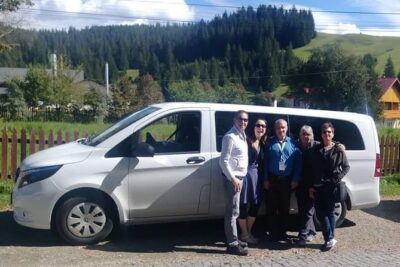
You travel by private vehicle, described as an air-conditioned minivan, for getting between towns and sights.
What if weather is bad or the minimum number of travelers isn’t met?
The experience requires good weather. If it’s canceled due to poor weather, you’ll be offered a different date or a full refund. It also requires a minimum number of travelers; if that minimum isn’t met, you’ll get a different option or a full refund.
More 7-Day Experiences in Bucharest
- 4×4 Driving Experience at Flying Altitudes – 7 Days
★ 5.0 · 13 reviews - 7-Day Private Tour of Transylvania from Bucharest
★ 5.0 · 13 reviews - Transylvanian week
★ 5.0 · 7 reviews - 7-Day Romania Tour -Transylvania and Painted Churches
★ 5.0 · 7 reviews - Amazing Romania – Seven day private tour from Bucharest
★ 5.0 · 7 reviews - 7 Days Private Guided Tour in Romania from Bucharest
★ 5.0 · 4 reviews
More Tour Reviews in Bucharest
- Bucharest: Dracula’s Castle, Peles Castle, & Brasov Old Town
★ 4.5 · 17,858 reviews - Bucharest: Dracula Castle, Peles Castle & Brasov Old Town
★ 4.6 · 10,891 reviews - Bucharest: Dracula’s Castle, Peleș Castle & Brașov Day Trip
★ 4.4 · 6,100 reviews - Bucharest: Palace of Parliament Tickets and Guide
★ 4.3 · 3,182 reviews - Bucharest: Day Trip to Dracula Castle, Peles Castle & Brașov
★ 4.4 · 3,049 reviews - Bucharest to Dracula Castle, Peles Castle and Brasov Guided Tour
★ 4.5 · 2,933 reviews
Just the Party You Came With: More Private Days
- Castles of Transylvania: Private Day Trip from Bucharest
★ 4.5 · 248 reviews - Dracula’s Castle, Peles Castle and Brasov – Private Day Trip from Bucharest
★ 5.0 · 211 reviews - Best of Bucharest | Private Walking Tour
★ 5.0 · 199 reviews - Bucharest Panoramic Sightseeing – Private City Tour
★ 5.0 · 128 reviews - THERME “Take It Easy” Pack: Full Spa Access + Private Transfers
★ 4.0 · 117 reviews - 4h Bucharest Private Tour (2h by Car and 2h Walking in Old Town)
★ 5.0 · 90 reviews
Just In: The Latest Bucharest Reviews

Bucharest Private Tours, compared.
 ★ 4.5Castles of Transylvania: Private Day Trip from BucharestFrom $151248 reviews
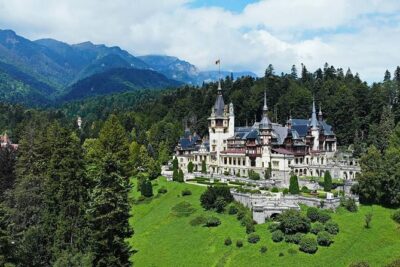 ★ 5.0Dracula’s Castle, Peles Castle and Brasov – Private Day Trip from BucharestFrom $199211 reviews
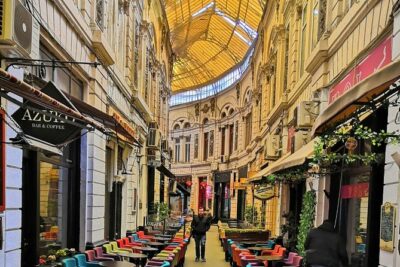 ★ 5.0Best of Bucharest | Private Walking TourFrom $314199 reviews
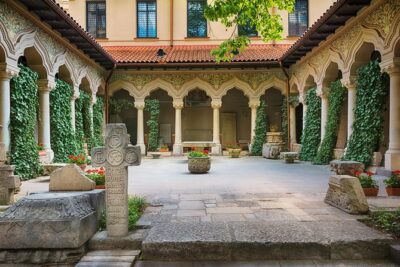 ★ 5.0Bucharest Panoramic Sightseeing – Private City TourFrom $101128 reviews
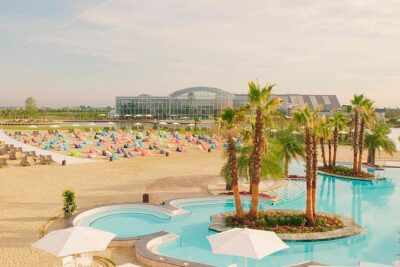 ★ 4.0THERME “Take It Easy” Pack: Full Spa Access + Private TransfersFrom $118117 reviews
 ★ 5.04h Bucharest Private Tour (2h by Car and 2h Walking in Old Town)From $10090 reviews
 ★ 5.0Discover Bucharest: Private Highlights and Traditional Food TourFrom $14386 reviews
 ★ 5.0Dracula Castle, Peles Castle & Brasov-Private Tour from BucharestFrom $16580 reviews
Browse the lists this tour appears in