
REVIEW · COMMUNISM & CEAUșESCU TOURS
Communist Era Bucharest Tour
Bucharest tells its communist story on foot. This 3-hour private tour is built around the city’s big, recognizable landmarks, so you see the regime’s impact in real streetscapes and not just in photos. I love that the guide brings first-hand Eastern Bloc context to everyday places like squares, banks, and theaters, and I also like the freedom to choose a morning or afternoon time slot. The main thing to consider is that it’s still a walking tour, so you’ll want comfortable shoes and a steady pace for a few blocks at a time.
What makes this one work is how the route connects architecture to lived experience. You’ll get a guide who can explain what these spaces meant then, and what their “afterlife” looks like now, including moments with strong photo potential around Revolution Square. One possible drawback: a small number of past guests noted that the delivery could be hard to follow at times, so if you prefer slower explanations, ask questions early and stay close so you can catch every detail.
You meet up in central Bucharest, walk as a group, and end back at the same spot. For many people, that simple loop is the win: you get structure, local interpretation, and a route that makes Bucharest feel coherent instead of like a pile of monuments.
In This Review
- Key Things You’ll Like About This Tour
- Start at Manuc’s Inn and Get Oriented Fast
- Unirii Square and Bulevardul Unirii: Where the City Rebranded Its Center
- Casa Poporului and the Regime’s Big-Stone Messages
- Revolution Square: The Moment the Streets Changed
- Iuliu Maniu and the Memorial of Rebirth: More Than One Kind of Memory
- How the Guide Turns Monuments Into Everyday Understanding
- Price and Logistics: Is It Worth $30.72 for a Private Guide?
- Who Should Book This Tour (And Who Might Skip It)
- Should You Book the Communist Era Bucharest Tour?
- FAQ
- How long is the Communist Era Bucharest Tour?
- Is this tour private?
- Do they offer pickup?
- What language is the tour in?
- Where does the tour start and end?
- Is the tour mostly walking?
- Are service animals allowed?
- Should I Book It
Key Things You’ll Like About This Tour
- A private guide for your questions: your group stays together and you can steer the conversation.
- Landmarks with immediate context: squares, avenues, banks, and the Parliament Building story all connect.
- Revolution Square photo stops: balcony details, memorials, and famous statuary along one practical route.
- Communist-era streets you can still shop on: walking the “what it felt like” parts of the city.
- Free admission listed at key stops: several major squares and memorial points are marked free for visitors.
- A guide with lived perspective: some guides share personal perspective from growing up in the era.
The communist decades, walked and explained
- The Real tour of Communism★ 5.0 · 666 reviews
- Life under Communism★ 5.0 · 358 reviews
- 3-Hour Guided Tour of Communist Bucharest★ 4.9 · 303 reviews
- Bucharest: Parliament, Ceausescu House & Village Museum Tour★ 5.0 · 208 reviews
Start at Manuc’s Inn and Get Oriented Fast
You start at Manuc’s Inn (Hanul lui Manuc), right in the Old Centre near Strada Franceză 62. If you’re staying nearby, pickup can be arranged at a centrally located hotel, but the common meeting point is outside the main entrance of Manucs Inn. It’s a good start because it’s central and easy to anchor your day: you’re not commuting across the city to begin your history lesson.
This is a private tour, so there’s no waiting on a busload of strangers. That matters on a subject like this, where you’ll probably want to ask follow-ups. You’ll also get English commentary and a mobile ticket, which keeps things simple on the day.
With about 3 hours on the clock, you’re not trying to “cover everything.” Instead, the schedule is tight enough to keep momentum, but generous enough for the guide to slow down and explain what you’re looking at. Some tours can run a bit longer if questions keep coming, which is often a sign the route is working.
Unirii Square and Bulevardul Unirii: Where the City Rebranded Its Center
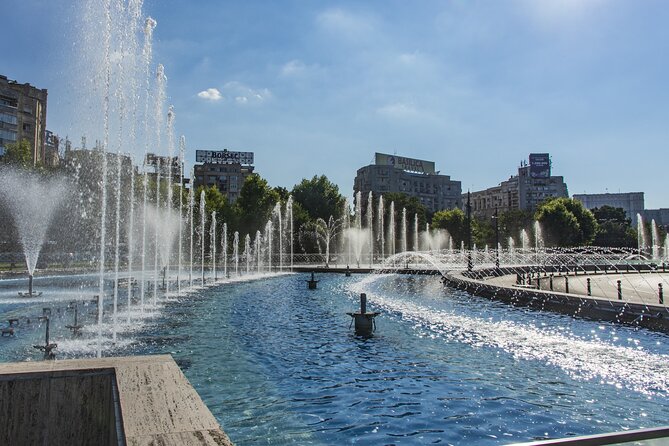
The tour begins with Piaka Unirii (Piața Unirii), the heart of Bucharest. The big idea here is how the square was shaped during Communist planned modernization, and how it was later regenerated into a modern focal point. The restored Unirii fountains are the visual payoff, but the point isn’t only pretty water. Your guide will frame the fountains and the square as part of a larger pattern: monumental planning, then a later reworking of what the place communicates.
Then you move to Bulevardul Unirii, formerly known as the Boulevard of Socialist Victory. This is where the tour gets fun and specific. You’ll hear about the “Champs-Élysées of Bucharest” comparison and about the 17 artesian fountains, decorated to represent the four seasons. Look closely at how the design uses symbolism, then notice how that changes your reading of the boulevard. It’s not just a long street now; it’s a long street with a programmed message baked into it.
Practical tip: these early stops are free and short, so they’re ideal for getting your bearings. If you want photos, this is a good section to warm up your camera settings because you’re starting with open space and clear lines.
Casa Poporului and the Regime’s Big-Stone Messages
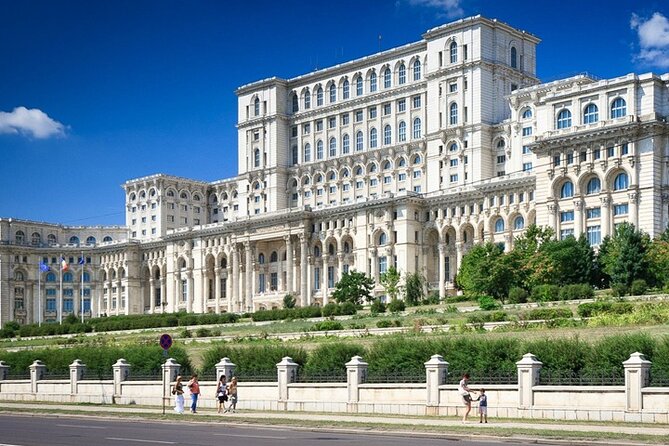
Next comes one of the most striking sights in central Bucharest: the massive Parliament Palace, Casa Poporului, tied to Nicolae Ceaușescu. The tour emphasizes the building’s sheer scale and the story behind why it was built to function as the house of people. You’ll also hear about its famous claim as the heaviest building in the world, which gives you a sense of how power was projected through construction.
Even if you’re seeing it from the outside, it’s still a meaningful stop. This kind of architecture tends to overwhelm your sense of time. That’s useful on a communist history tour, because it reinforces one of the era’s themes: the state didn’t just influence policy—it shaped the physical map you lived inside.
From there, you’ll walk along part of Victoria Avenue, lined with shops. That’s an important change of pace. Instead of only monuments, you’re learning what everyday streets could feel like in the Communist era. It’s also a reminder that regimes don’t operate only through palaces. They operate through the routes people take to work, shop, and meet friends.
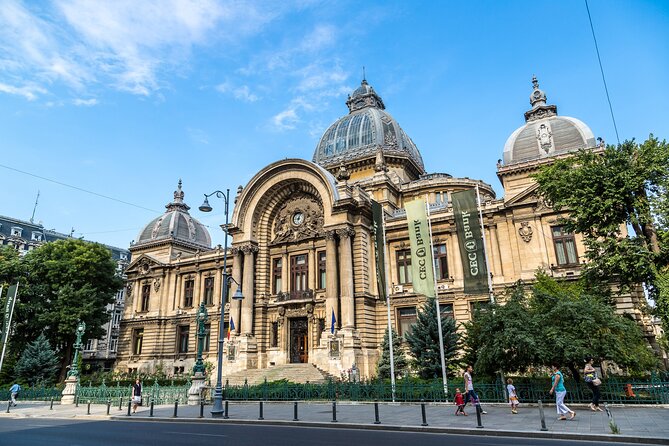
You’ll then pass through the financial-story layer of the city. The tour includes the CEC Bank, described as the bank of the people during Communist years. After that, you’ll see Romania’s National Bank and hear about its history. These stops are clever because banks are where policy meets daily life. Even without going inside, the buildings and their stories help you understand how institutions communicated authority.
Next up: University Square. You’ll see the oldest and largest university in Bucharest and hear about the Intercontinental Hotel Bucharest, completed and opened in 1971. That detail matters because it ties the era to the built environment people experienced—where visitors stayed, where conversations happened, and how Bucharest presented itself.
You’ll also pass the National Theatre of Bucharest, and you’ll get a story about how its design changed over time. The theatre stop is a quiet but effective reminder: cultural buildings often reflect political shifts, funding priorities, and the kinds of stories a society is allowed to tell.
Revolution Square: The Moment the Streets Changed
Piaka Revolukiei (Piața Revoluției) is the centerpiece for many people. This is the area where the 1989 revolution began, and the tour ties the square to multiple memorial elements you can’t help but notice.
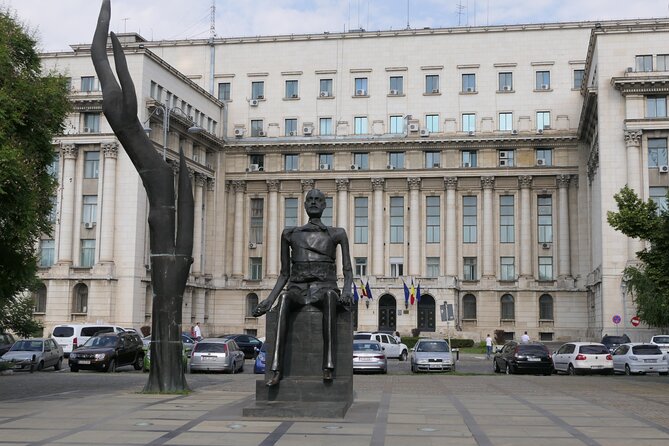
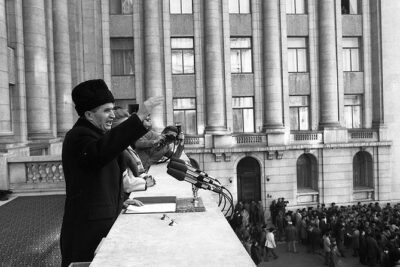
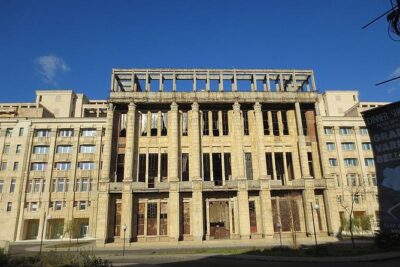
Expect to focus on the balcony where Nicolae Ceaușescu made his final speech. That’s the kind of detail that makes history feel suddenly close, because it moves the story from a textbook page into a specific view-line across the square. You’ll also encounter the former headquarters of the Communist party and hear how the surrounding space holds that “before and after” feeling.
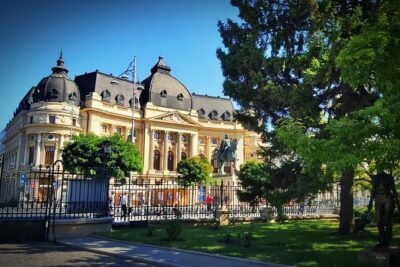
Other landmarks in the square include the Monument of National Rebirth, King Carol I’s equestrian statue, and the University library, along with more context points. The tour notes excellent photo opportunities here, and that’s accurate: it’s one of those places where multiple stories intersect in one frame.
Practical tip: if you care about photos, plan on slowing down here. This isn’t a stop you want to sprint through, because the value is in the angles—what you can see, where the balcony sits, and how the memorials “organize” your view of the scene.

Iuliu Maniu and the Memorial of Rebirth: More Than One Kind of Memory
After Revolution Square, you continue with smaller but meaningful stops.
First is the Iuliu Maniu Statue, described as tied to a three-time prime minister. The tour focuses on his struggle in the early years of Communism, which adds a different lens than the 1989-focused main event. It helps you see that resistance and political tension existed long before the dramatic end of the regime.
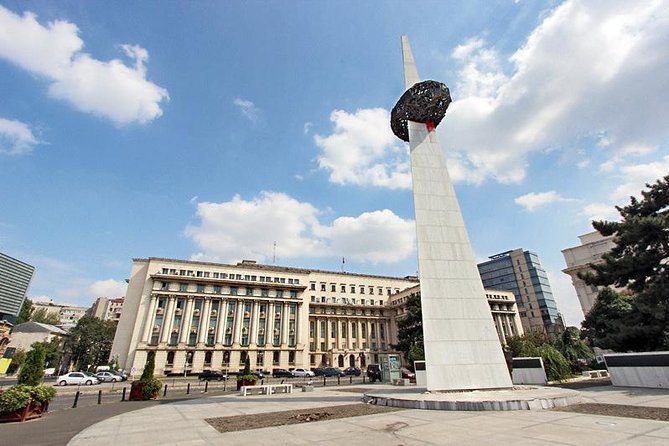
Then you’ll visit the Memorial of Rebirth, a 25-meter-high monument commemorating struggles and victims of the Romanian Revolution of Christmas 1989. A tall memorial changes how you stand and how you look. It’s not just a marker; it’s a forcing function that pulls your attention upward and makes the moment feel ceremonial.
The route also includes a final stop described as a historical place built for the people of Bucharest by the people of Bucharest, over 100 years ago, with beautiful gardens and excellent photo opportunities. You get a nice contrast here: the tour has been heavily centered on the Communist era and its aftermath, and this pause adds an older layer of civic life. It helps you remember that Bucharest didn’t start in 1940 and doesn’t end in 1989. It keeps evolving.
How the Guide Turns Monuments Into Everyday Understanding
The best part of a tour like this is when it stops being about buildings and starts being about decisions. That’s where the guide’s style makes a difference.
In this program, guides like Alina and Claire appear in past experiences, and the consistent theme is clear: the commentary connects the good, the bad, and the ugly. That balance is important. Communist eras weren’t one-note. Some people felt certain benefits or conveniences; others experienced repression, shortages, or fear. You’ll get help sorting out how those realities could exist side by side, and how the city’s layout reflects the power structure.
I also like how the route mixes “state power” landmarks with places that feel normal now. Victoria Avenue with its shops, the banks, the university area, and the theatre all help you see how political systems shaped ordinary life, and how Bucharest later adapted those spaces.
If you want to get even more out of it, come with a couple of questions you genuinely care about. For example: How did daily routine change? What did people do when they disagreed? How did public spaces signal what was expected of citizens? A good private guide will work with your curiosity, and you’ll leave with a clearer mental map.
Price and Logistics: Is It Worth $30.72 for a Private Guide?
At $30.72 per person for a tour that runs about 3 hours, this is often good value for what you get: a private walk, English commentary, and a structured route through the most meaningful communist-era sites in central Bucharest.
The real cost comparison isn’t just against another tour. It’s against doing this on your own with limited context. If you’re paying for a taxi to hop between monuments, costs can jump fast. A guided loop can be cheaper than multiple rides, and it saves you the time of figuring out what matters and why.
Also, the route includes multiple stops marked free for admission at the main squares and memorial points, so your money goes mostly to interpretation, not ticket fees. The tour itself stays within the center of the city and avoids complicated logistics. Pickup is available, and the starting location at Manuc’s Inn is central enough that you can connect easily with public transport.
One more practical note: since it’s popular and often booked about 35 days in advance, I’d lock in your preferred morning or afternoon slot early, especially if your trip dates are fixed.
Who Should Book This Tour (And Who Might Skip It)
This is a strong fit for you if:
- you like walking city centers and want a story that connects streets and politics
- you want a local perspective in plain language, not a museum-only experience
- you’re interested in 1989 but also want earlier context about how the Communist era took root
- you enjoy photography and want clear photo moments around Revolution Square
You might skip it if:
- you dislike walking, even moderate walking
- you only want a quick hit of famous sites and don’t want the explanation behind them
- you strongly prefer fixed museum-style entries (this is more of a street-and-landmark route)
Should You Book the Communist Era Bucharest Tour?
I think you should book if you want your Bucharest to make sense. This tour uses the city like a timeline: modernization and symbolism in the center, the regime’s architectural statements, and the 1989 revolution’s turning points in Revolution Square.
If you’re on the fence, here’s my simple decision rule: if you can enjoy history as a walk through real neighborhoods and you’ll actually use the guide’s explanations, this is worth it. If your history style is mostly passive, like reading a plaque with no questions, you’ll still see the sights—but you might not feel the value as strongly.
Book it when you want the city to talk back.
FAQ
How long is the Communist Era Bucharest Tour?
The tour is approximately 3 hours.
Is this tour private?
Yes. It’s a private tour, so only your group participates.
Do they offer pickup?
Pickup is offered. You can meet at your centrally located hotel, or meet at the meeting point outside the main entrance of Manucs Inn (Hanul lui Manuc), Strada Franceză 62.
What language is the tour in?
The tour is offered in English.
Where does the tour start and end?
It starts at Manuc’s Inn (Hanul lui Manuc), Str. Franceză 62, București 030167, Romania, and it ends back at the meeting point.
Is the tour mostly walking?
Yes. Comfortable walking shoes are recommended, and a moderate physical fitness level is suggested.
Are service animals allowed?
Yes, service animals are allowed.
Should I Book It
If you want a focused, guided walk through Bucharest’s Communist-era landmarks, this is a smart pick. It’s time-efficient, centered in key areas, and built to help you understand what you’re seeing—especially around Revolution Square and Casa Poporului.
More Tour Reviews in Bucharest
- Bucharest: Dracula’s Castle, Peles Castle, & Brasov Old Town
★ 4.5 · 17,858 reviews - Bucharest: Dracula Castle, Peles Castle & Brasov Old Town
★ 4.6 · 10,891 reviews - Bucharest: Dracula’s Castle, Peleș Castle & Brașov Day Trip
★ 4.4 · 6,100 reviews - Bucharest: Palace of Parliament Tickets and Guide
★ 4.3 · 3,182 reviews - Bucharest: Day Trip to Dracula Castle, Peles Castle & Brașov
★ 4.4 · 3,049 reviews - Bucharest to Dracula Castle, Peles Castle and Brasov Guided Tour
★ 4.5 · 2,933 reviews
The Communist Years, Up Close
- Bucharest: Communism and History Guided City Walking Tour
★ 4.9 · 918 reviews - The Real tour of Communism
★ 5.0 · 666 reviews - Life under Communism
★ 5.0 · 358 reviews - 3-Hour Guided Tour of Communist Bucharest
★ 4.9 · 303 reviews - Bucharest: Parliament, Ceausescu House & Village Museum Tour
★ 5.0 · 208 reviews - Bucharest Essential Tour: Old Town, Calea Victoriei & Communism
★ 5.0 · 142 reviews
Just In: The Latest Bucharest Reviews



Communism & Ceaușescu Tours, compared.
 ★ 4.9Communism and History Guided City Walking TourFrom $31918 reviews
 ★ 5.0The Real tour of CommunismFrom $32666 reviews
 ★ 5.0Life under CommunismFrom $42358 reviews
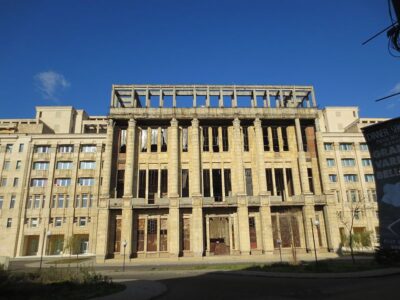 ★ 4.93-Hour Guided Tour of Communist BucharestFrom $29303 reviews
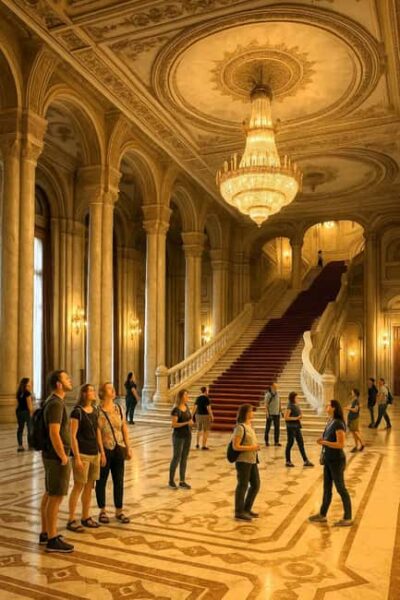 ★ 5.0Parliament, Ceausescu House & Village Museum TourFrom $1208 reviews
 ★ 5.0Bucharest Essential Tour: Old Town, Calea Victoriei & CommunismFrom $24142 reviews
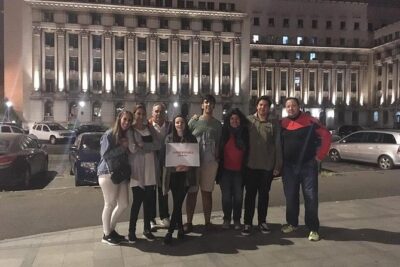 ★ 5.0Communism in Bucharest – Landmarks, Museum & Communist AppetizersFrom $48111 reviews
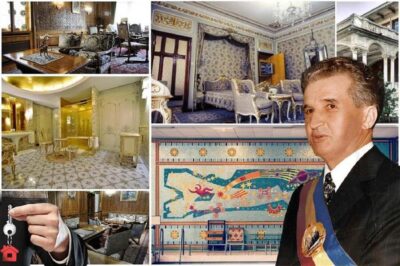 ★ 4.9Palace of Parliament, Ceausescu House & Village MuseumFrom $186 reviews
Browse the lists this tour appears in