
REVIEW · COMMUNISM & CEAUșESCU TOURS
Bucharest Under Communism: Life, Terror & Hope
Communism doesn’t feel like a textbook here. It turns into streets, buildings, and choices you can actually see in Bucharest. With a private guide such as Laura or Tamar, you’ll connect 45 years of communist rule to the landmarks that still shape the city today.
I especially like how the tour reads like a human story, not a lecture. Two big wins for me are the clear stop-by-stop explanations and the way the walk links dictator Nicolae Ceaușescu, everyday life under socialism, and the Romanian Revolution of 1989.
One drawback to think about: the themes are heavy. You’ll walk past sites tied to state power and protests that ended in real bloodshed, so it’s not a sit-back-and-smile kind of outing.
In This Review
- Key things to know before you go
- Communist Bucharest in street form, not theory
- Unirii Square and the Victory of Socialism Boulevard
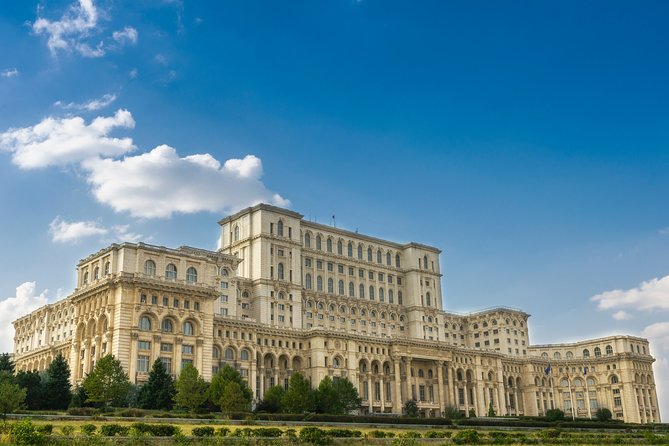
- The Palace of the Parliament: huge scale and the cost in shortages
- Mihai Voda Monastery: when religion survived the demolition frenzy
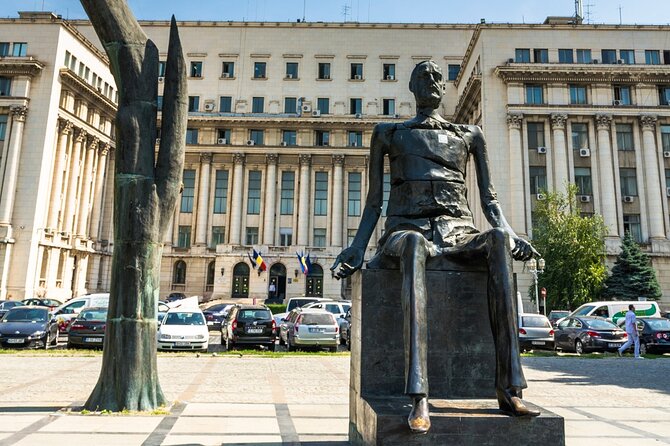
- Revolution Square: where Ceaușescu’s office and last speech meet the people
- University Square protests: the cost of belief in 1989
- Guides matter: Laura and Tamar bring the story to life
- Timing and walking plan for a 3.5-hour loop
- Price and value: $23.22, plus one notable extra ticket
- Where to meet and how the tour ends in a useful spot
- Should you book Bucharest Under Communism: Life, Terror & Hope?
- FAQ
- How long is the Bucharest Under Communism walking tour?
- Where does the tour start, and where does it end?
- What are the main stops on the route?
- Is the Palace of the Parliament admission included?
- Are any stops free?
- What group size should I expect?
- What should I do if the weather is bad?
Key things to know before you go
- Small group size (max 15) keeps the pace personal, not chaotic
- Major landmarks covered in about 3.5 hours, including Palace of the Parliament and Revolution Square
- A private guide brings the story to street level, with support materials like historical photos
- Some admissions vary by stop (Palace of the Parliament is not included)
- One weather-dependent walk, so plan for a day when Bucharest is cooperative
The communist decades, walked and explained
- The Real tour of Communism★ 5.0 · 666 reviews
- Life under Communism★ 5.0 · 358 reviews
- 3-Hour Guided Tour of Communist Bucharest★ 4.9 · 303 reviews
- Bucharest: Parliament, Ceausescu House & Village Museum Tour★ 5.0 · 208 reviews
Communist Bucharest in street form, not theory
This tour works because it forces you to look at architecture with new eyes. Bucharest under communism wasn’t just policy—it was priorities, shortages, propaganda, and fear, all printed into public space.
I like that the story doesn’t stop at the fall of socialism. It also connects what communism did to daily life, and why certain buildings became symbols—either of control, resistance, or both at once.
And yes, it’s a walking tour. So bring comfy shoes, because Bucharest rewards you when you move.
Unirii Square and the Victory of Socialism Boulevard
Unirii Square is a strong opener because it shows how communism tried to redesign civic life. The square was created in the final phase of Romania’s communist period, with splendid fountains and a direct line to the city’s grandest boulevard: the former Victory of Socialism Boulevard.
Walking along that avenue gives you a feel for the megalomaniac vision behind the planning. It’s not just a pretty streetscape. It’s scale meant to communicate power, straight down your spine as you walk.
This stop is also free, which helps keep the early portion of the tour light on costs while still packing meaning.
The Palace of the Parliament: huge scale and the cost in shortages
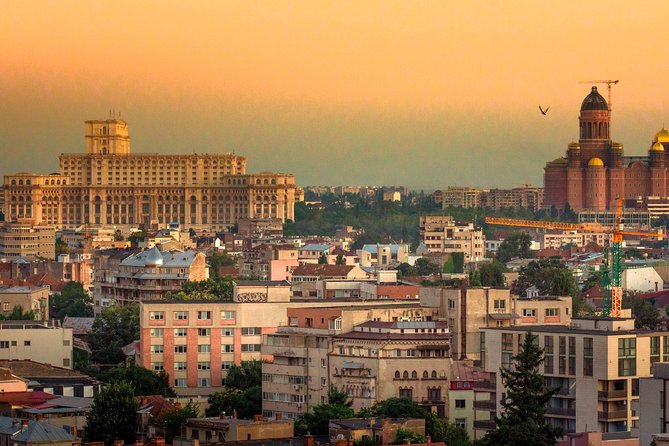
The Palace of the Parliament is the headline stop, and it lives up to that role. It’s described as the second-largest building in the world after the Pentagon and the most expensive administrative building—a lot of money, materials, and labor poured into one project.
What makes this stop more than sightseeing is the human price tied to its construction. In the 1980s, the building’s creation came alongside shortages of all kinds for ordinary people. That contrast lands differently once you’re standing near the walls rather than reading about them.
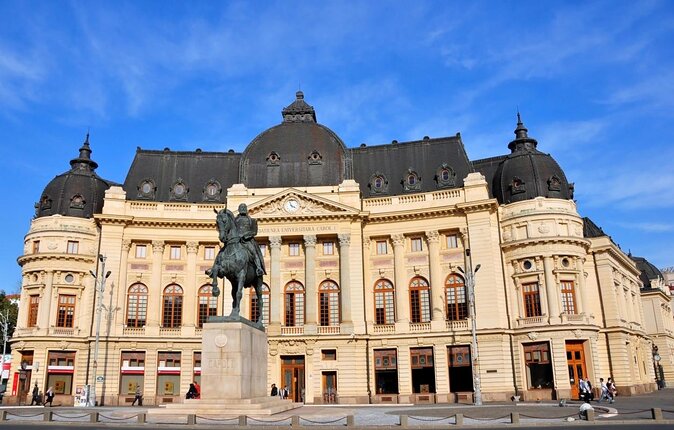
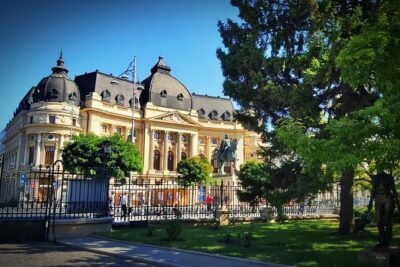
You’ll also hear how the dictator’s household intersected with the city’s plans. Across the palace sits the Academia Română building, built in a similar style, intended for use by Elena Ceaușescu. It’s a reminder that even “public” monumental projects often served private power.
Practical note: the 1-hour Palace of Parliament visit does not include admission. So factor in an extra ticket cost if you plan to go in, not just view from outside.
Mihai Voda Monastery: when religion survived the demolition frenzy
This stop changes the mood without turning it soft. Mihai Voda Monastery is where you see a different kind of survival—churches that were spared in the “demolition frenzy,” even when others were destroyed.
You’ll spot churches tucked behind utilitarian-looking buildings. The layout tells a story about how the communist party treated religion: not always frontal confrontation, but control through reshaping what could be visible and what could be tolerated.
The Mihai Voda Church is described as a Middle Ages religious place that thankfully survived. That timing matters, because you’re not only learning about the communist era—you’re seeing what was present before it, and what survived afterward.
This stop is free, so it’s an efficient, thought-provoking break from the parade of state architecture.

Revolution Square: where Ceaușescu’s office and last speech meet the people
Revolution Square is where Bucharest’s communist ending becomes concrete. This is the place where the communist regime began and where it also ended with protests during the Revolution of 1989.
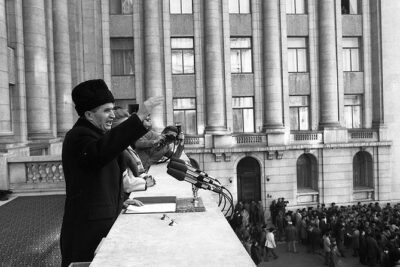
Here, the guide points out the key locations: the building that housed Ceaușescu’s office, the balcony where his last speech happened, and the areas connected to the first mass demonstration in Bucharest.
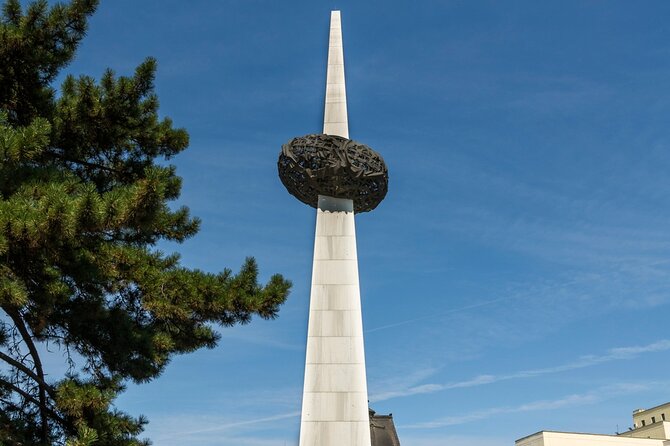
The tour doesn’t treat the revolution as a single moment with perfect lighting. You’ll understand what happened to those who protested against totalitarianism, including the story behind the monument dedicated to them and what came after.
This stop is free and lasts about 1 hour, giving you enough time to process what you’re seeing instead of rushing through.
University Square protests: the cost of belief in 1989
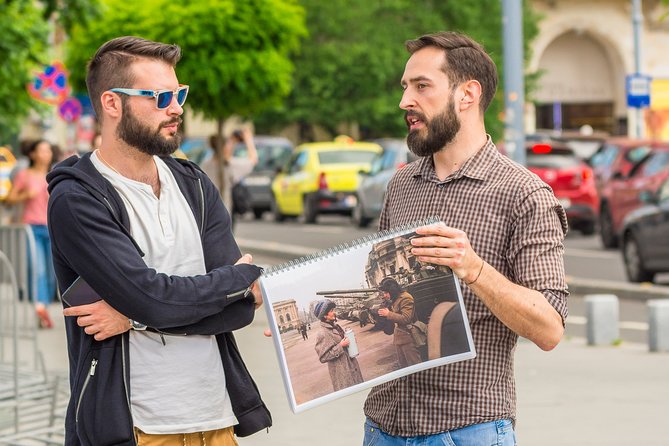
The last stop brings you to the core of the uprising. University Square is described as the spot where the main protests against communism took place, with hundreds killed for believing in a free society.
Standing there, the revolution stops being abstract. It becomes a real space where people gathered, and where the state met that hope with violence.
This stop also includes admission ticket included, so it’s one of the more straightforward cost-wise parts of the tour (unlike the Palace of the Parliament). It’s about 30 minutes, which is just long enough to read the area’s meaning before you move on.
Conveniently, Revolution Square is also about 5 minutes from the Old Town, so you can keep your evening going with food or a short walk afterward.
Guides matter: Laura and Tamar bring the story to life
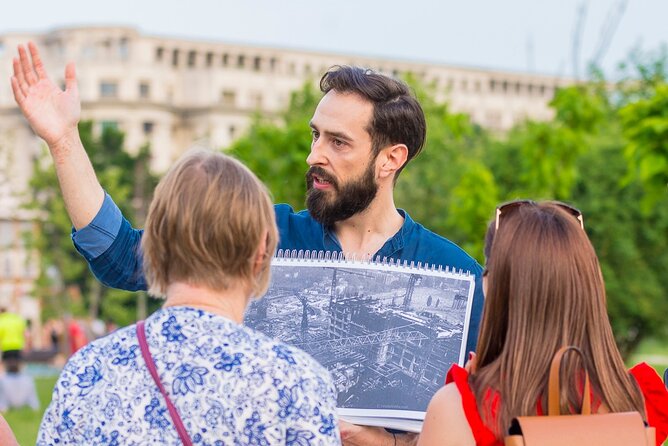
A big reason this tour earns such strong ratings is the guide talent. From the names you may meet—like Laura and Tamar—you can expect a structured explanation that still feels conversational.
The best moments aren’t only facts. Guides use historical photos and humor to help you keep the thread. One review-style detail that pops up in the feedback is how questions get answered and how the guide makes room for everyone to participate.
If you care about context—how monarchy, communism, and revolution connect—this format works well. You’re not just seeing buildings. You’re building a timeline as you walk.
Timing and walking plan for a 3.5-hour loop
The tour runs about 3 hours 30 minutes and starts at 4:00 pm. That late-afternoon timing can be a plus in summer or shoulder season, since Bucharest can feel more comfortable when the sun starts to lower.
It’s also a walking tour with multiple stops spread across the center. With the variety of locations—squares, a major palace, and a monastery—you’ll do a steady pace rather than a slow “everyone pause every five minutes” stroll.
To make it easier on yourself, come with:
- comfortable shoes
- a layer for evening air
- water (especially if you’re visiting in warmer months)
And because the experience requires good weather, check conditions before you head out. If the day is rainy or miserable, your plan may shift.
Price and value: $23.22, plus one notable extra ticket
At $23.22 per person, the price is reasonable for a guided circuit of key Bucharest sites. The value comes from the combination of time and placement: you cover multiple high-impact locations in one walk instead of piecing it together with separate tickets and directions.
The tricky part is knowing what admissions are included. The tour info indicates:
- Stop 1 (Unirii Square): free
- Stop 2 (Palace of the Parliament): admission not included
- Stop 3 (Mihai Voda Monastery): free
- Stop 4 (Revolution Square): free
- Stop 5 (University Square): admission ticket included
So if you want to enter the Palace of the Parliament, budget for that extra ticket cost. If you only view it from the outside, you may feel the tour’s price stretches further.
Also, the tour uses a mobile ticket, which is convenient in the real world—one less thing to manage.
Where to meet and how the tour ends in a useful spot
You’ll start at Piaţa Sfântul Anton 64, București 030167. That’s in central Bucharest, and it’s designed to be easy to find.
The walk finishes at Revolution Square (Piața Revoluției). Since the end point is only about 5 minutes from the Old Town, you’ll have a natural next move for dinner, dessert, or a relaxed wander after the heavier history settles in.
Should you book Bucharest Under Communism: Life, Terror & Hope?
If you want communist-era Bucharest to make sense fast, I think this is a strong pick. You’ll see the biggest symbols of power and the sites tied to the revolution’s street-level reality, with a guide who keeps the story tied to what you’re standing beside.
I recommend booking if:
- you’re in Bucharest for a short time
- you like history explained through buildings and public spaces
- you want a guided route that saves you from figuring it out alone
I’d hesitate if:
- you want a light sightseeing day
- you don’t want to spend time on themes tied to terror, protests, and deaths in 1989
- you’re sensitive to heavy subjects
Overall, it’s a focused walk with practical value—especially because it groups the core sites into one evening while leaving you positioned right where you’ll want to go next.
FAQ
How long is the Bucharest Under Communism walking tour?
It runs for approximately 3 hours 30 minutes.
Where does the tour start, and where does it end?
The meeting point is Piaţa Sfântul Anton 64, București 030167. The tour ends at Revolution Square, Piața Revoluției.
What are the main stops on the route?
Key stops include Unirii Square, the Palace of the Parliament, Mihai Voda Monastery, Revolution Square, and University Square.
Is the Palace of the Parliament admission included?
No. The Palace of the Parliament stop lists admission as not included.
Are any stops free?
Yes. Unirii Square, Mihai Voda Monastery, and Revolution Square are listed as free admissions. University Square has admission ticket included.
What group size should I expect?
The maximum group size is 15 travelers, and the experience is described as having a private guide.
What should I do if the weather is bad?
This experience requires good weather. If it’s canceled due to poor weather, you’ll be offered a different date or a full refund.
More Tour Reviews in Bucharest
- Bucharest: Dracula’s Castle, Peles Castle, & Brasov Old Town
★ 4.5 · 17,858 reviews - Bucharest: Dracula Castle, Peles Castle & Brasov Old Town
★ 4.6 · 10,891 reviews - Bucharest: Dracula’s Castle, Peleș Castle & Brașov Day Trip
★ 4.4 · 6,100 reviews - Bucharest: Palace of Parliament Tickets and Guide
★ 4.3 · 3,182 reviews - Bucharest: Day Trip to Dracula Castle, Peles Castle & Brașov
★ 4.4 · 3,049 reviews - Bucharest to Dracula Castle, Peles Castle and Brasov Guided Tour
★ 4.5 · 2,933 reviews
The Communist Years, Up Close
- Bucharest: Communism and History Guided City Walking Tour
★ 4.9 · 918 reviews - The Real tour of Communism
★ 5.0 · 666 reviews - Life under Communism
★ 5.0 · 358 reviews - 3-Hour Guided Tour of Communist Bucharest
★ 4.9 · 303 reviews - Bucharest: Parliament, Ceausescu House & Village Museum Tour
★ 5.0 · 208 reviews - Bucharest Essential Tour: Old Town, Calea Victoriei & Communism
★ 5.0 · 142 reviews
Just In: The Latest Bucharest Reviews


Communism & Ceaușescu Tours, compared.
 ★ 4.9Communism and History Guided City Walking TourFrom $31918 reviews
 ★ 5.0The Real tour of CommunismFrom $32666 reviews
 ★ 5.0Life under CommunismFrom $42358 reviews
 ★ 4.93-Hour Guided Tour of Communist BucharestFrom $29303 reviews
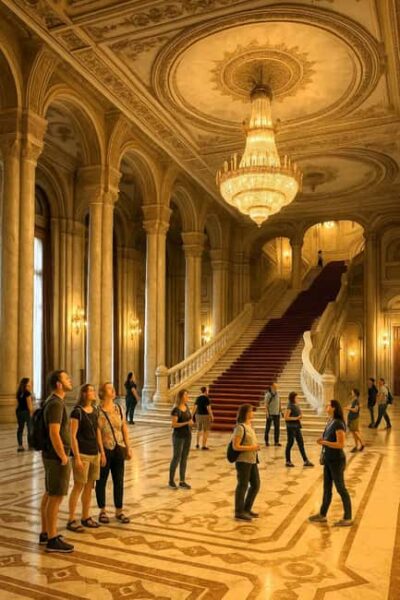 ★ 5.0Parliament, Ceausescu House & Village Museum TourFrom $1208 reviews
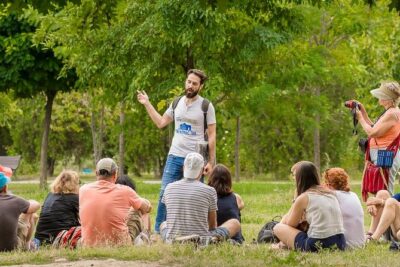 ★ 5.0Bucharest Essential Tour: Old Town, Calea Victoriei & CommunismFrom $24142 reviews
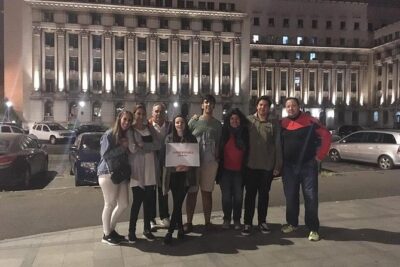 ★ 5.0Communism in Bucharest – Landmarks, Museum & Communist AppetizersFrom $48111 reviews
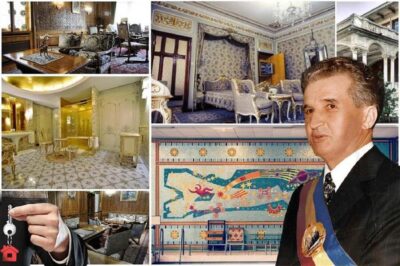 ★ 4.9Palace of Parliament, Ceausescu House & Village MuseumFrom $186 reviews
Browse the lists this tour appears in