
REVIEW · BUCHAREST WALKING TOURS
Bucharest : Street Art Walking Tour With A Guide
Street art in Bucharest clicks when someone explains it. This 2-hour walk is a simple, practical way to see the city through murals and local picks, with a guide who ties what you see to the real Romanian context. I like that it feels both structured and flexible, with main stops plus side venues you might miss on your own.
The big watch-out: in one case, a booking felt off-theme and the guide’s street-art knowledge didn’t match expectations, even though they were kind. So if you care a lot about street-art specifics, it’s worth showing up ready with questions and setting the vibe on day one.
In This Review
- Key things I’d bookmark before you go
- Starting at Calea Dorobanți 5–7: why this meeting point works
- What $29 buys you in value: private time plus city context
- How the tour flows in 2 hours (and why that timing feels right)
- Fabrica Club: first photo stop, quick orientation, then move on
- King Michael I Park: a break that helps you see better
- Timpuri Noi: where the neighborhood feeling becomes part of the lesson
- Beans & Dots Specialty Coffee: street art that pairs with a real coffee culture
- Cărturești Verona: alternative literature and design as a cultural filter
- Lente Dionisie Lupu and the Graffiti Walls Gallery: murals from 2016 onward
- Customization and guide tips: what makes the walk feel personal
- Getting the most out of your guide: ask these questions early
- Accessibility and pacing: good to know before you start walking
- Who this tour fits best
- Should you book this Bucharest street art walking tour?
- FAQ
- How long is the Bucharest Street Art Walking Tour with a guide?
- Where does the tour meet?
- Is the tour private?
- What is included in the price?
- Is food or drink included?
- What languages are offered for the guide?
Key things I’d bookmark before you go
- A private, exclusive feel so you’re not weaving through other groups while trying to read a mural
- Murals with a timeline, including work at Lente Dionisie Lupu going back to 2016
- Graffiti Walls Gallery as a changing space that reflects current social chatter in Bucharest
- Cultural stops that aren’t just walls: alternative literature/design at Cărturești Verona and art-forward coffee at Beans & Dots
- Real advice from your guide, not only photo spots, so you leave with a usable plan for the rest of your trip
On foot through the city, more routes
- Bucharest: City Highlights Guided Walking Tour★ 4.9 · 1,482 reviews
- Bucharest: Communism and History Guided City Walking Tour★ 4.9 · 918 reviews
- Bucharest Highlights Walking Tour★ 5.0 · 469 reviews
- Bucharest: Hidden Markets Walking Tour with Tastings★ 4.9 · 329 reviews
Starting at Calea Dorobanți 5–7: why this meeting point works
You start at Calea Dorobanți 5–7, which is a smart base if you want to walk and still stay close to the kinds of places you’ll actually return to later. The area around a central meeting point usually means you can extend your day easily with cafés and shops before or after the tour.
One practical plus: if you have trouble finding the exact spot, the tour guide in at least one confirmed booking went looking for the group. That’s not something you can count on everywhere, but it’s a good sign that the operator takes meeting location issues seriously.
What $29 buys you in value: private time plus city context
At $29 per person for a 2-hour experience, the value is mostly in the human factor: someone leads your eyes. You’re not paying for a list of buildings. You’re paying for interpretation—why certain walls look the way they do, how galleries and street scenes connect, and what to pay attention to while you’re there.
Two details matter for value. First, the tour is described as private and exclusive, meaning you won’t be mixed with other strangers in your group. Second, it’s customizable, so you can steer the route toward what you care about—more graffiti, more design/book culture, or more photo stops.
If you’re the type who likes to ask questions, you’ll likely get more out of the time. The tour format is built around conversation and guidance, not just a slow shuffle from point A to point B.
Quick note on meals: food and drinks aren’t included, so plan to get coffee earlier or have a snack ready. This matters on a street-art walk because the route includes indoor stops where you’ll want to focus, not hunt for a meal mid-tour.
How the tour flows in 2 hours (and why that timing feels right)
You’re looking at about 20 minutes per main stop, plus walking between them. That’s a useful pace. It gives enough time to take photos, read the vibe of a space, and hear what your guide thinks you should notice—without turning the whole thing into a long endurance event.
Also, the tour includes walking and public transport except if you select one of the options. That means you can expect mostly on-foot movement, with the possibility of quick transit links depending on how your route is arranged. Either way, you’ll want comfortable shoes and a charged phone for pictures.
Fabrica Club: first photo stop, quick orientation, then move on
The first scheduled stop is Fabrica Club for a photo stop and guided visit with a short walk component. Even if you’re not there for the building itself, the opening stop is a good way to calibrate your eye. Early on, you learn what your guide means by context—what makes a mural feel connected to the city instead of random decoration.
Drawback to keep in mind: photo stops can sometimes feel shorter than you’d like if you’re very serious about photography. The upside is that you’re not stuck—this tour keeps moving, so you don’t lose momentum.
Worth a look before you lock in this Bucharest tour:

King Michael I Park: a break that helps you see better
Next up is King Michael I Park, again built around a photo stop and guided sightseeing with another short walk. Parks are useful on street-art tours because they reset your brain. After a few walls or indoor spaces, you need a breather so the next stops register clearly.
Consider this a pacing tool as much as a sightseeing stop. If you’re someone who likes to compare how art and street life look in different settings, this park interval helps you do that.
Timpuri Noi: where the neighborhood feeling becomes part of the lesson
Then you head to Timpuri Noi, with another photo stop, guided tour, and sightseeing. Neighborhood stops like this are where the tour becomes more than a highlight reel. You start noticing how street expression changes block by block—how some corners feel more experimental, while others feel more grounded.
One thing to plan for: the name you see on a tour schedule can feel vague until you’re standing there. So keep a small checklist in your head: look for repeated motifs, notice whether the art is recent or layered, and listen for why your guide thinks this area matters.
Beans & Dots Specialty Coffee: street art that pairs with a real coffee culture
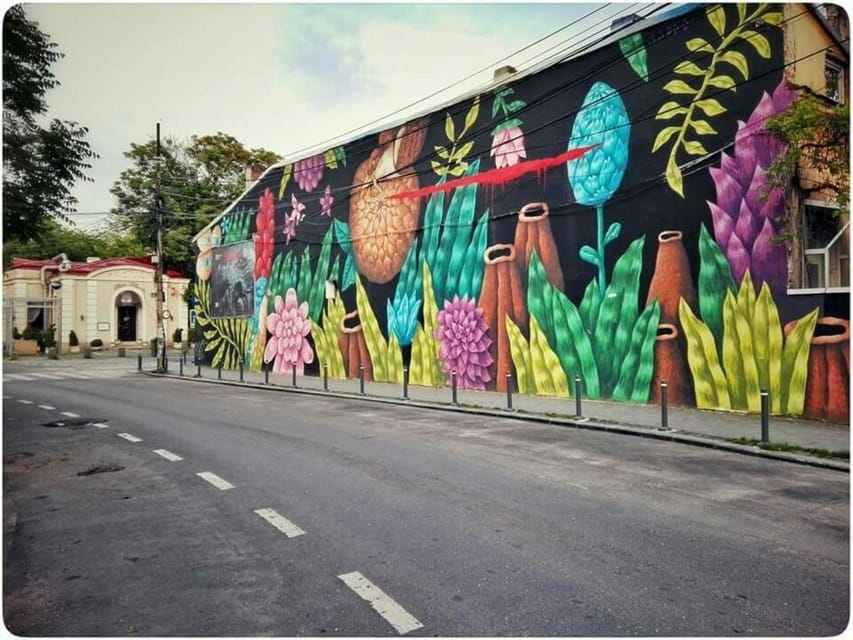
At Beans & Dots Specialty Coffee, the tour adds a different kind of stop: you’ll get another photo stop and guided visit here, tied to Bucharest’s coffee culture. The most interesting part is that the café experience comes with murals designed by homegrown talents, supported by the café’s ethos.
This stop is great if you like your street art connected to daily life, not only to walls you have to hunt down. It’s also practical: you can slow down, refocus, and ask questions while you’re in a place built for lingering.
Because food and drinks aren’t included, treat this as a chance to buy what you need. If you’re sensitive to timing, consider grabbing a coffee around this point so your energy stays steady for the final gallery-heavy stretch.
Cărturești Verona: alternative literature and design as a cultural filter
Next is Cărturești Verona, a stop centered on alternative literature and design. This is one of my favorite types of street-art add-ons: a bookstore that’s clearly part of the visual culture ecosystem. When you mix street visuals with books and design thinking, you start to understand that the street scene isn’t separate from culture. It’s feeding it, and getting fed by it.
The tour includes photo stop, guided visit, sightseeing, and walking, which suggests you’re not only going inside. You’ll likely connect what you see here to the broader city art conversation.
Possible drawback: if you’re expecting only murals and graffiti, a bookstore stop might feel like a detour. The upside is that it gives you language for what you’re seeing—especially if you like design, typography, and the idea that art is a way of thinking.
Lente Dionisie Lupu and the Graffiti Walls Gallery: murals from 2016 onward
Your final stretch centers on Lente Dionisie Lupu, described as an urban gallery with transformative murals dating back to 2016. This is where the timeline feeling starts to matter. You’re not just seeing present-day art—you’re seeing how Bucharest’s visual voice has kept changing over time.
From there, you’ll go through the Graffiti Walls Gallery, a dynamic space that mirrors Bucharest’s current sociocultural discourse and artistic energy. The key value here is interpretation. When someone tells you what the art is responding to, it changes how you look. A wall stops being a photo background and becomes a message with context.
One more practical point: gallery-style stops can vary in what’s visible depending on ongoing changes. That’s part of the charm, but if you’re traveling for very specific artists or works, you’ll want to ask your guide what they’re focusing on today.
Customization and guide tips: what makes the walk feel personal
The tour is explicitly private and customizable, and that’s where it can shine. If you tell your guide you’re most interested in murals, you can steer the conversation to technique and themes. If you care about the broader creative scene, you can ask how the galleries and coffee culture connect to what’s happening on the street.
You also get ongoing advice for what to do next. That part is often underestimated. A good guide can point you toward areas and venues that match your taste, saving you time later.
In one confirmed booking, the guide was described as very helpful, arrived with strong English, and explained Romanian context clearly. Another booking praised friendliness but raised a concern that the guide’s street-art knowledge wasn’t aligned with what was booked. That contrast is the reason I’d treat this as a conversation-first experience: ask questions, set expectations early, and you’ll get more out of the time you pay for.
Getting the most out of your guide: ask these questions early
You’ll get better value if you guide the guide. Here are questions you can use without being awkward:
- What do I need to look for in Bucharest murals—style, symbols, or subject matter?
- Which stop today best explains how street art connects to daily life here?
- Are there any safety or etiquette rules for photographing murals in these areas?
If you do this, the tour becomes more than sightseeing. It becomes a crash course in reading the city.
Accessibility and pacing: good to know before you start walking
The tour is listed as wheelchair accessible, which is a major plus if mobility is part of your planning. Walking tours are always a mix of surfaces and distances, but accessibility notes mean you should be able to request or confirm the best approach for your needs.
If you’re someone who hates long standing still, this schedule is probably comfortable. There are short segments, photo pauses, and movement between stops, so you’re not stuck in one place for ages.
Who this tour fits best
This street art walk works especially well if you:
- want a short, focused introduction to Bucharest’s street art scene (2 hours is a manageable commitment)
- like mixing art with design and culture stops, not only exterior murals
- enjoy guided context more than self-guided photo hunting
- are traveling with limited time and want a guide to point you toward what to do next
If you only want museum-style art or only want a strictly graffiti-focused route with zero bookstore/coffee stops, you might feel the mix is too broad. In that case, customization and early questions become extra important.
Should you book this Bucharest street art walking tour?
I think it’s a good booking if you want a compact introduction to Bucharest street art plus related culture stops. The strongest reasons to say yes are the clear focus on specific art spaces like Lente Dionisie Lupu (murals dating to 2016) and the Graffiti Walls Gallery, plus the guide time that turns photos into understanding.
I’d hesitate only if your priority is ultra-specific street art expertise with no room for a more mixed route. The mixed feedback about guide fit is the main caution. If you go in expecting a conversation-driven walk and you ask targeted questions, the odds are good you’ll leave with sharper eyes and better next-step ideas for Bucharest.
FAQ
How long is the Bucharest Street Art Walking Tour with a guide?
It runs for 2 hours.
Where does the tour meet?
The meeting point is Calea Dorobanți 5–7.
Is the tour private?
Yes. It’s described as a private and exclusive tour, and it also notes a private group is available.
What is included in the price?
The tour includes an English-speaking guide, a walking tour and public transport (unless you select one of the options), and help from the team to book tickets for the visits you want. It also lists a small group walking tour.
Is food or drink included?
No. Drink or food is not included.
What languages are offered for the guide?
The guide is offered in English, French, and Spanish.
More Street Art in Bucharest
- Walking Tour of Alternative Bucharest-Morning Street art tour
★ 5.0 · 44 reviews
More Tour Reviews in Bucharest
- Bucharest: Dracula’s Castle, Peles Castle, & Brasov Old Town
★ 4.5 · 17,858 reviews - Bucharest: Dracula Castle, Peles Castle & Brasov Old Town
★ 4.6 · 10,891 reviews - Bucharest: Dracula’s Castle, Peleș Castle & Brașov Day Trip
★ 4.4 · 6,100 reviews - Bucharest: Palace of Parliament Tickets and Guide
★ 4.3 · 3,182 reviews - Bucharest: Day Trip to Dracula Castle, Peles Castle & Brașov
★ 4.4 · 3,049 reviews - Bucharest to Dracula Castle, Peles Castle and Brasov Guided Tour
★ 4.5 · 2,933 reviews
Bucharest on Foot, Continued
- Bucharest: City Highlights Guided Walking Tour
★ 4.9 · 1,482 reviews - Bucharest: Communism and History Guided City Walking Tour
★ 4.9 · 918 reviews - Bucharest Highlights Walking Tour
★ 5.0 · 469 reviews - Bucharest: Hidden Markets Walking Tour with Tastings
★ 4.9 · 329 reviews - Bucharest: Ghost Stories & Romanian Mythology Walking Tour
★ 4.9 · 287 reviews - Bucharest: Guided Walking Tour with Romanian Snack
★ 4.9 · 228 reviews
Just In: The Latest Bucharest Reviews

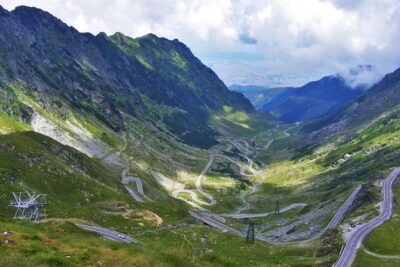



Bucharest Walking Tours, compared.
 ★ 4.9City Highlights Guided Walking TourFrom $211,482 reviews
 ★ 4.9Communism and History Guided City Walking TourFrom $31918 reviews
 ★ 5.0Bucharest Highlights Walking TourFrom $21469 reviews
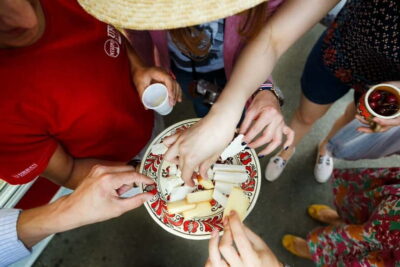 ★ 4.9Hidden Markets Walking Tour with TastingsFrom $100329 reviews
 ★ 4.9Ghost Stories & Romanian Mythology Walking TourFrom $35287 reviews
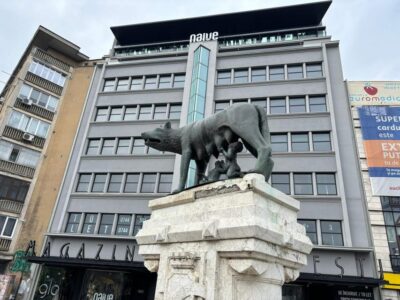 ★ 4.9Guided Walking Tour with Romanian SnackFrom $45228 reviews
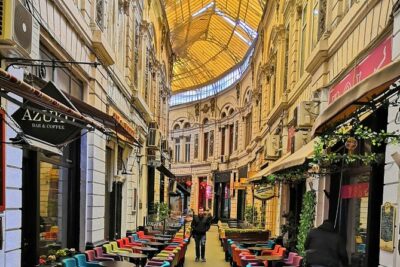 ★ 5.0Best of Bucharest | Private Walking TourFrom $314199 reviews
 ★ 5.0Walking Tour- Delightful Bucharest (Highlights, Stories, Sights)From $22145 reviews
Browse the lists this tour appears in