
REVIEW · COMMUNISM & CEAUșESCU TOURS
Bucharest: Private Last Days of Ceausescu Tour in a Dacia
One story. One car. Bucharest’s 1989 climax. This private tour drives a fully restored Dacia through the key places from communism’s last hours, then ends with a guided visit to Palatul Primăverii. I especially like how the guide turns street corners and buildings into a clear timeline, and how the vintage-car format keeps it from feeling like a textbook. One drawback to plan for: this route packs a lot into a 6-hour day, and the tour isn’t a fit if you have back or heart issues, or if you’re pregnant or traveling with kids under 10.
You’ll start in central Bucharest, ride along the road that leads out toward Târgoviște, and come back to the spots tied to Ceausescu’s capture and execution. The tour is private, hotel pickup and drop-off are included, and the guide you’ll likely be hearing from—Serban—is known for clear, personal storytelling. It’s history with momentum, but it also asks you to be ready for uncomfortable subject matter.
In This Review
- Key things to know before you go
- In a restored Dacia, the past moves at road speed
- Revolution Square: the power shift you can feel in the streets
- Following the helicopter escape story by road
- Ceausescu Last Hours Museum: turning key moments into a readable timeline
- The steel factory and militia-station stops: where power tried to regroup
- House of Ceaușescu and the bubble of privilege
- Palace Primăverii: the private residence becomes part of the verdict
- Detention, judgment, and what you can’t enter
- The “secret” photo stops: why they’re worth your attention
- Price and value: what $223 buys you in real terms
- Who should book this tour (and who should skip it)
- Should you book the Dacia Ceausescu last-day tour?
- FAQ
- How long is the private Dacia tour?
- Where does the tour start and end?
- What does the tour cost?
- Is this a private tour?
- What language is the live guide?
- What locations are included?
- Is there an interior visit to the execution building?
- Is entrance to Palatul Primăverii included?
- What should I bring?
- Is the tour suitable for kids or older travelers?
Key things to know before you go
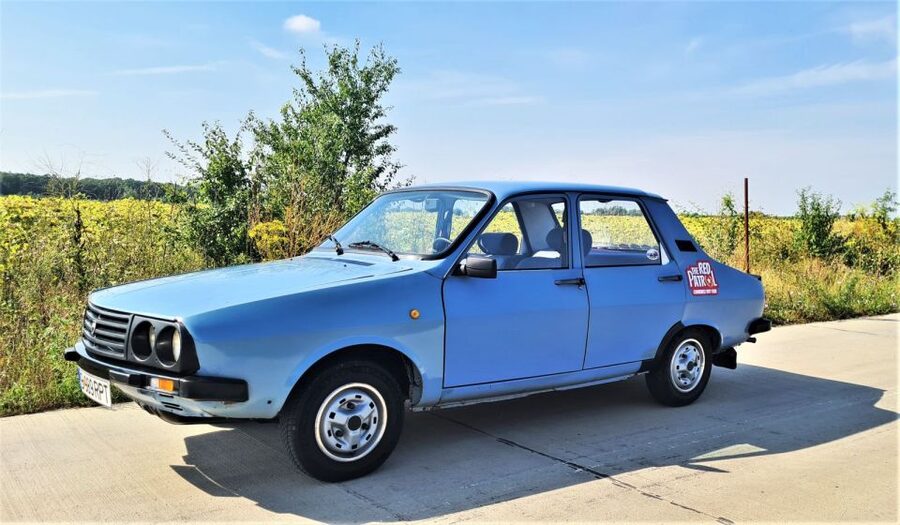
- A fully restored Dacia experience with hotel pickup, water in the car, and time for photo stops
- Revolution Square framed as the place where communism began and ended, not just a big open space
- The 22 December 1989 timeline tied to the helicopter escape story, with stops along the way
- Steel Factory and Militia Station areas connected to attempts to rally support before the arrest
- Detention and judgment sites you can visit in the area, with one major interior access limit due to renovation
- Palatul Primăverii at the end with entrance tickets included and a guided visit
The communist decades, walked and explained
- The Real tour of Communism★ 5.0 · 666 reviews
- Life under Communism★ 5.0 · 358 reviews
- 3-Hour Guided Tour of Communist Bucharest★ 4.9 · 303 reviews
- Bucharest: Parliament, Ceausescu House & Village Museum Tour★ 5.0 · 208 reviews
In a restored Dacia, the past moves at road speed
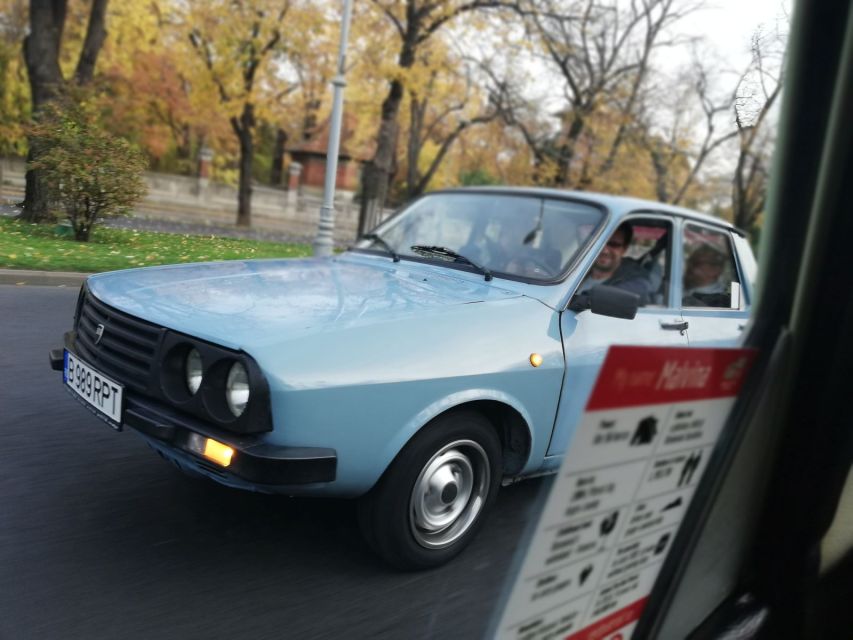
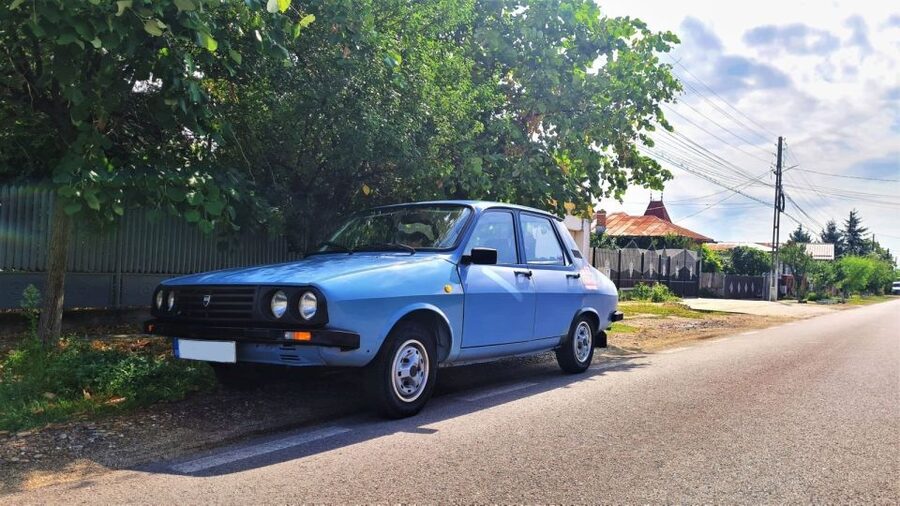
Let’s be honest: Bucharest has plenty of sights you can see on foot or in a normal bus tour. This one adds a different feel because you’re riding in a vintage Dacia, restored for comfort. The pace is measured but not slow—more like following a chase than doing a museum circuit.
What I like for practical reasons is that the day is structured so you’re not stuck “always in the car.” You can hop on and hop off at main stops, and you get the best photo moments right when you’re there. Also, water is included, and you should expect toilet and lunch breaks built into the flow—small things, but they matter on a 6-hour day with emotional subject matter.
The drive length also helps you understand the geography. You’ll cover about 90 km toward Târgoviște and back (with total driving listed around 180 km in the transport details), so you’re not just learning locations—you’re seeing how Bucharest connects to the places Ceausescu tried to reach after losing control.
Revolution Square: the power shift you can feel in the streets
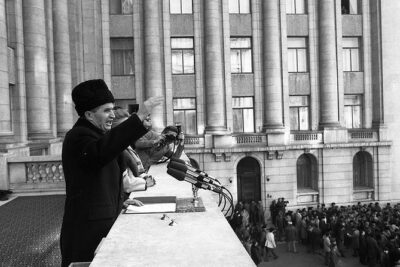
Your first major moment is Revolution Square, with both a photo stop and a guided visit. This isn’t treated as a generic monument stop. Instead, the story is framed around the place where communism is understood to have started—and, just as importantly, ended in 1989.
Walking around here with a guide matters because the square’s meaning depends on what you notice: the scale, the openness, and how crowds can change a political situation fast. You’ll get context for why this site became a flashpoint, and why it stuck in people’s memories long after the day ended.
If you’re a camera person, aim to use your time wisely. This is a “get your bearings fast” stop: listen first, then shoot while the guide’s explanation still clicks in your head. Even if you’ve read about 1989 before, having the key landmarks explained in sequence makes the square feel less like history trivia.
Following the helicopter escape story by road
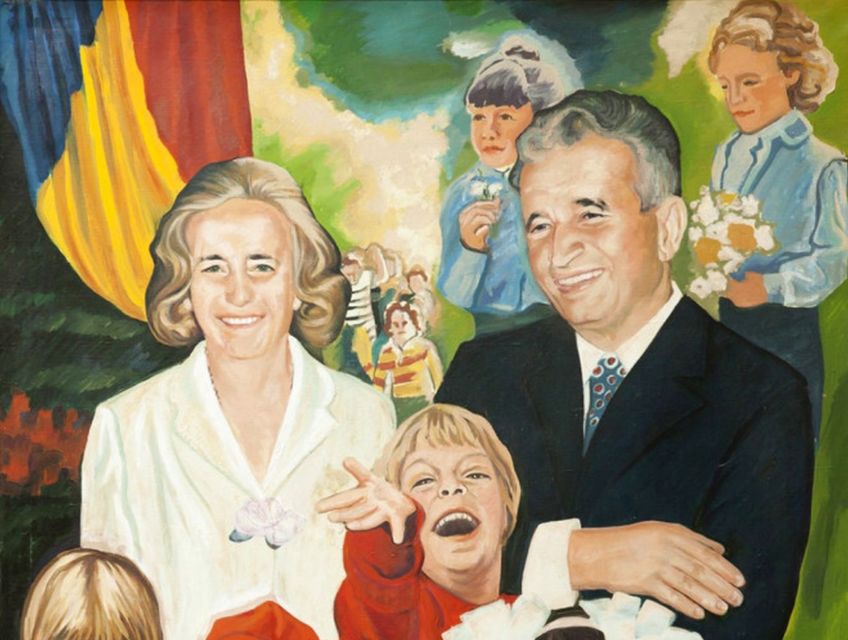
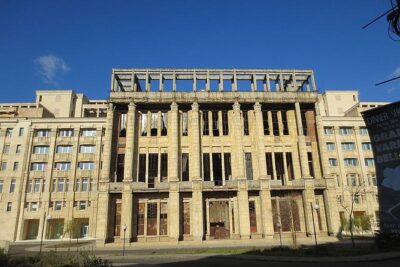
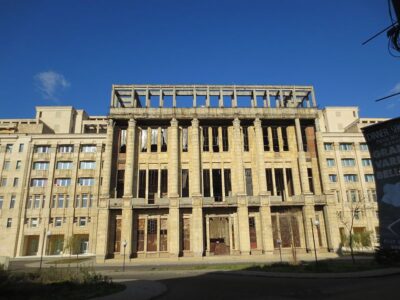
One reason this tour works is that it ties places together with a clear narrative. On 22 December 1989, at 12:07, Nicolae Ceausescu and Elena are described as escaping via helicopter from the roof of the Communist Party Headquarters Palace—while thousands surrounded the building demanding his resignation.
The tour then tracks what happens next: Ceausescu tries to regroup and regain control, running toward Târgoviște with the goal of finding support from workers and the army. But the plan collapses quickly, and he is captured on that day near Târgoviște.
You’ll follow this story in a classic-car format, which does two things. First, it makes the timeline feel physical—streets, turns, distance, and “how far could you really move in a day.” Second, it keeps you from getting lost in names and dates. The guide connects each stop back to the same question: what was he trying to do, and what did the situation force him to do instead?
Along the way, you’ll hit photo stops (including two “secret” stops in the schedule) and guided segments that explain why certain locations matter. If you like street-level history, this section is often the emotional backbone of the tour.
Ceausescu Last Hours Museum: turning key moments into a readable timeline
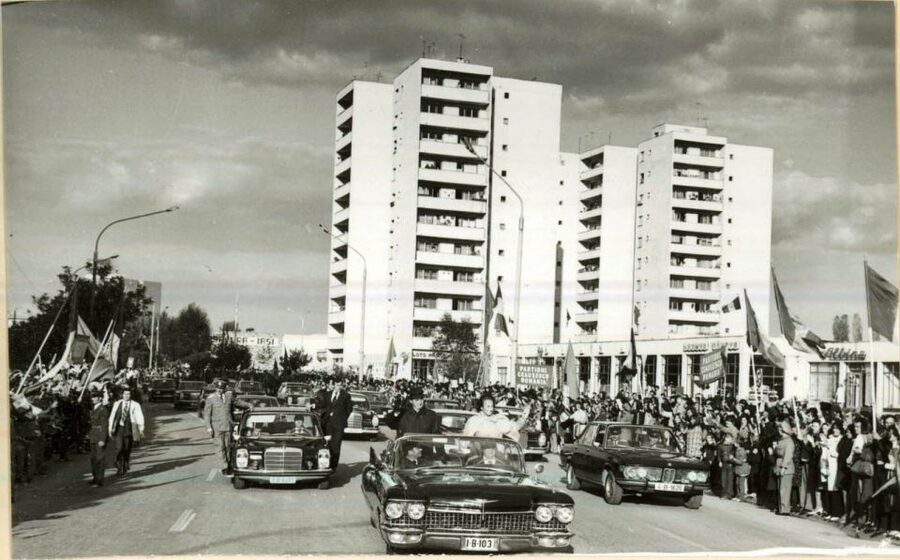
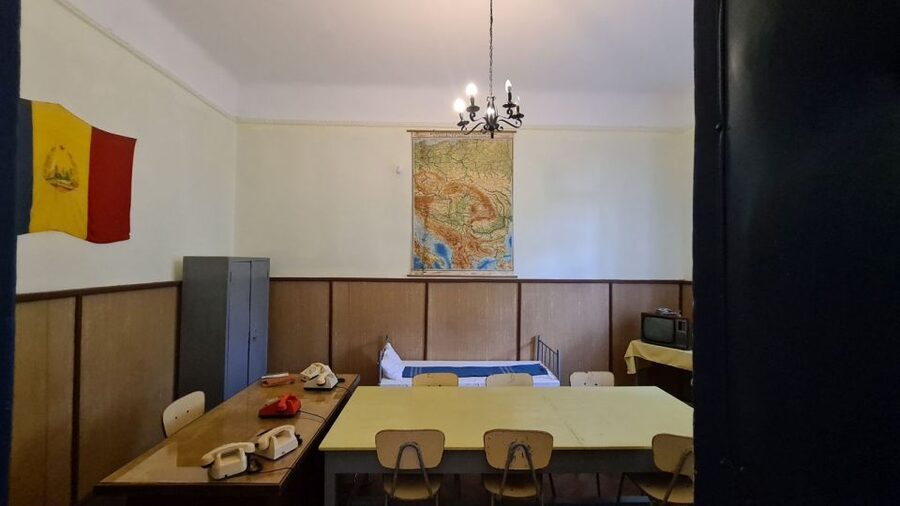
Mid-tour, you’ll visit Ceausescu Last Hours Museum for a guided visit. The value here isn’t just “seeing displays.” It’s how the museum supports the road narrative, giving you a structured sense of what the final hours meant and how the events unfolded so quickly.
Because the tour is already telling a chronological story through the car, the museum visit works like a checkpoint. You can pause, absorb the sequence, and then continue with fewer gaps in your understanding.
Expect this to be a guided stop of about 25 minutes, which is long enough to connect the story beats without turning your day into an endless indoor marathon. If you prefer history that moves forward step by step, you’ll appreciate this pacing.
Only your group, at your own speed

The steel factory and militia-station stops: where power tried to regroup
As you continue the route toward the places tied to the final day, the highlight list points to stops connected to attempts to rally support—specifically the Steel Factory and the Militia station area.
This is where the story gets tense. The tour frames these places as part of Ceausescu’s attempt to organize people and regain momentum after the helicopter escape. The key idea you’ll be hearing is that he needed allies fast—but those efforts quickly failed, leading toward arrest.
These stops also help you understand a theme that’s easy to miss when you only read about dictators in hindsight: regime power isn’t just a slogan. It depends on systems—factories, local authority, communication channels—and when those systems don’t respond, the end can be sudden.
Practically, these are good camera stops too. You’ll get guided context, then a window for photos so you can pair your images with what you learned.
House of Ceaușescu and the bubble of privilege

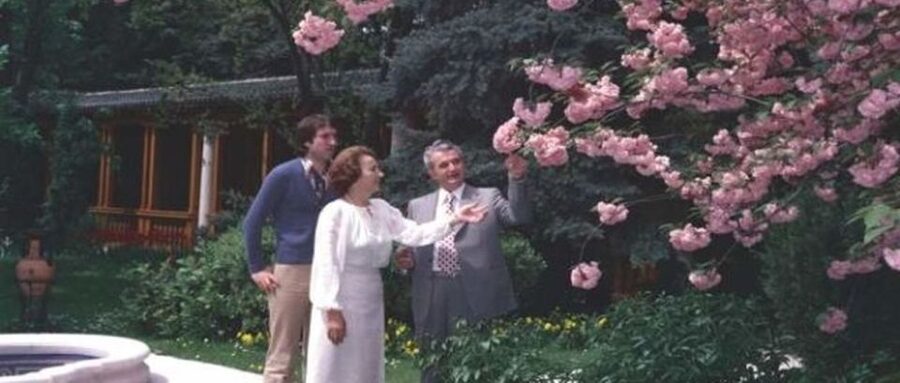
After the road narrative and detention-related stops, you’ll move into a very different mood at House of Ceaușescu (the schedule includes about 1 hour for visit and guided time here).
This part matters because it offsets the chaos of December 1989 with the quieter, daily reality of power. You’ll see how Ceausescu and Elena lived and how privilege was built into the regime’s world.
If you’re hoping for “what did the leader’s life actually look like,” this is one of the most useful stops. It’s not just about what happened; it’s about what the people in control expected life to be.
A bonus: the guide experience can make this stop feel personal rather than distant. With someone like Serban, the information tends to stay connected to human behavior—how decisions get made, how people justify them, and what it costs.
Palace Primăverii: the private residence becomes part of the verdict
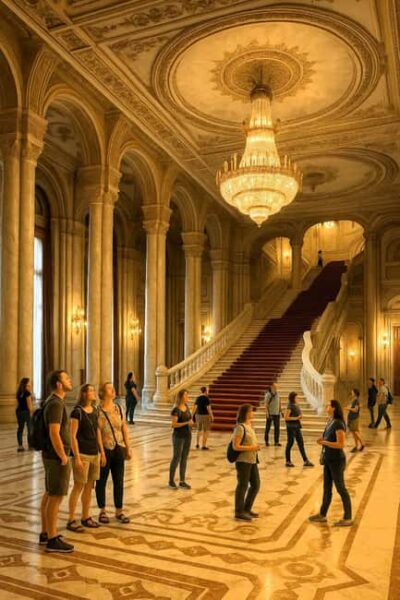
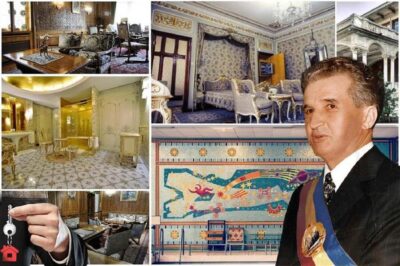
You finish with Palatul Primăverii, the presidential palace tied to Ceausescu’s private life with Elena from 1965 to 1989. This is set up as a guided visit with entrance tickets included, so you don’t have to solve museum admin during your day.
This stop works best after you’ve already walked through the final-day story in the streets and buildings. Seeing the official-private contrast—comfort at the top versus fear and collapse on the ground—hits harder when the emotional timeline is fresh.
For me, the key value is perspective. You leave the tour with a clearer mental picture of how the same country could contain extreme privilege and immediate public anger in the same historical moment.
Detention, judgment, and what you can’t enter
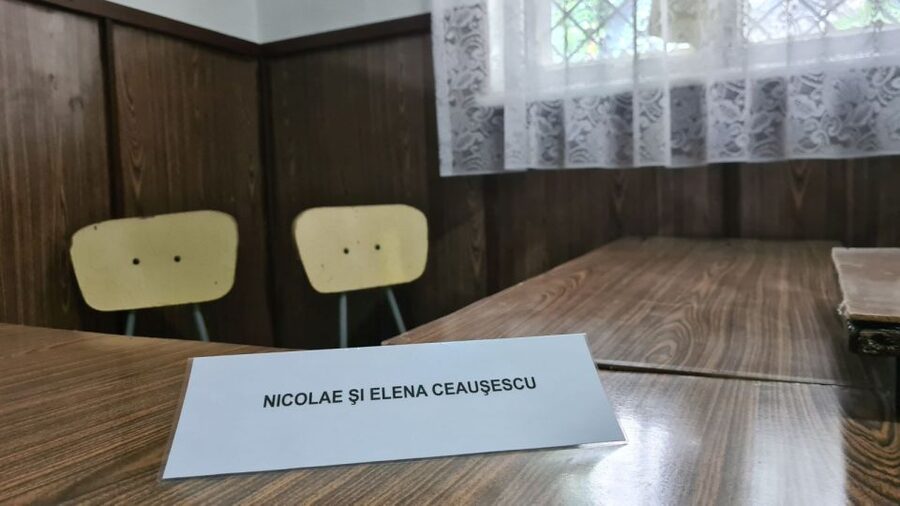
The tour includes a visit to the building associated with Nicolae and Elena Ceausescu being detained, judged, and executed on 25 December 1989. One limitation is important: the building where Ceausescu was executed is not accessible on the interior due to renovation.
That means you’ll focus on what you can see around the site and what your guide can explain from the outside and in context. While that’s not ideal if you were hoping for an inside look, it also keeps expectations realistic. You’re still visiting a place tied to a decisive moment, and the guide should help you understand what happened there even without interior access.
Emotionally, this segment tends to land hardest because the story moves from escape attempts and rallies to the end result. If you’d rather keep things lighter, this might be uncomfortable. If you want the full arc of what happened in those days, it’s an essential stop.
The “secret” photo stops: why they’re worth your attention
You’ll have scheduled photo and guided moments listed as “secret stops.” Even without naming every location in the schedule, these are usually used for two reasons: positioning and atmosphere.
Positioning because guides choose specific angles where you can see how streets and buildings relate to each other—so the story stays believable. Atmosphere because some locations communicate more than they show: the feel of an area can match the urgency of the narrative you just learned.
My advice: treat these segments like quick narrative boosters. Stay present. Listen for the “why this matters,” then take your shots. If you start scrolling or chatting through the guided part, these stops lose a chunk of their value.
Price and value: what $223 buys you in real terms
The price listed is $223 per person for a 6-hour private tour, and that’s easier to evaluate when you break down what you receive.
You’re getting:
- Hotel pickup and drop-off in Bucharest
- A professional local guide and driver
- A classic-car transport setup for about 180 km (with a route that includes roughly 90 km out toward Târgoviște and back)
- Water in the car
- A tour newspaper and a personalized tour gift
- Entrance to Palatul Primăverii included
For this kind of experience, the value isn’t only the sights. It’s the combination of (1) private guiding, (2) a vehicle that makes the story feel immediate, and (3) museum access at the end tied to the narrative you heard earlier.
That said, the day is not built for everyone. It’s not suitable for children under 10, and it also isn’t recommended for pregnant women, people with back problems, people with heart problems, or people over 70. If any of those apply, you might want a different Bucharest tour that’s easier on mobility and pacing.
Who should book this tour (and who should skip it)
This is a great fit if you want:
- A guided, narrative-driven walk through Bucharest’s 1989 turning points
- A classic Dacia day that keeps your history learning active
- The full arc from escape attempts to capture-related sites, plus Palatul Primăverii
Skip it (or at least think hard) if you’re looking for a purely scenic day, or if the subject matter around detention and execution will stress you out more than you expect.
Also, if you care about comfort, this tour seems designed with that in mind—water is provided, and reviews describe toilet and lunch breaks as part of the experience. Still, it’s a car day with multiple stops, so you’ll want a reasonable level of physical comfort.
Should you book the Dacia Ceausescu last-day tour?
If you’re the type of traveler who likes history explained in sequence, and you want Bucharest to feel like a story you can walk through, I’d book it. The private format plus a restored Dacia makes the route feel more personal and less like a checklist, and the pairing of escape-route storytelling with Palatul Primăverii gives you contrast instead of repetition.
If you need low-pressure touring, have mobility or heart/back limitations, or want to avoid heavy themes, you’ll probably feel better with a different option.
Bottom line: for a focused 6-hour deep look at 1989—served with a classic Romanian car and guided context—this one is easy to recommend.
FAQ
How long is the private Dacia tour?
It’s listed as a 6-hour private tour. Starting times vary, so check availability for the time options.
Where does the tour start and end?
Pickup and drop-off are included from Bucharest. The tour returns back to Bucharest at the end.
What does the tour cost?
The price is $223 per person.
Is this a private tour?
Yes, it’s a private group tour. The transport plan notes 3 people per car if there are more than 2 people, and a convoy of 2 or 3 cars may be used.
What language is the live guide?
The live tour guide is listed as English.
What locations are included?
You’ll visit Revolution Square, the Ceausescu Last Hours Museum, House of Ceaușescu, and Palatul Primăverii (with entrance included). The tour also includes stops tied to Ceausescu’s last day in Bucharest and the areas related to detention and judgment/execution.
Is there an interior visit to the execution building?
No. The building where Ceausescu was executed is not accessible on the interior due to renovation.
Is entrance to Palatul Primăverii included?
Yes. Entrance at the Primaverii Palace Museum is included.
What should I bring?
Bring your passport or ID card.
Is the tour suitable for kids or older travelers?
It’s not suitable for children under 10 and it’s also listed as not suitable for people over 70. It’s also not suitable for pregnant women, or people with back problems or heart problems. Pets and strollers are also not allowed.
More Tour Reviews in Bucharest
- Bucharest: Dracula’s Castle, Peles Castle, & Brasov Old Town
★ 4.5 · 17,858 reviews - Bucharest: Dracula Castle, Peles Castle & Brasov Old Town
★ 4.6 · 10,891 reviews - Bucharest: Dracula’s Castle, Peleș Castle & Brașov Day Trip
★ 4.4 · 6,100 reviews - Bucharest: Palace of Parliament Tickets and Guide
★ 4.3 · 3,182 reviews - Bucharest: Day Trip to Dracula Castle, Peles Castle & Brașov
★ 4.4 · 3,049 reviews - Bucharest to Dracula Castle, Peles Castle and Brasov Guided Tour
★ 4.5 · 2,933 reviews
Just the Party You Came With: More Private Days
- Castles of Transylvania: Private Day Trip from Bucharest
★ 4.5 · 248 reviews - Dracula’s Castle, Peles Castle and Brasov – Private Day Trip from Bucharest
★ 5.0 · 211 reviews - Best of Bucharest | Private Walking Tour
★ 5.0 · 199 reviews - Bucharest Panoramic Sightseeing – Private City Tour
★ 5.0 · 128 reviews - THERME “Take It Easy” Pack: Full Spa Access + Private Transfers
★ 4.0 · 117 reviews - 4h Bucharest Private Tour (2h by Car and 2h Walking in Old Town)
★ 5.0 · 90 reviews
The Communist Years, Up Close
- Bucharest: Communism and History Guided City Walking Tour
★ 4.9 · 918 reviews - The Real tour of Communism
★ 5.0 · 666 reviews - Life under Communism
★ 5.0 · 358 reviews - 3-Hour Guided Tour of Communist Bucharest
★ 4.9 · 303 reviews - Bucharest: Parliament, Ceausescu House & Village Museum Tour
★ 5.0 · 208 reviews - Bucharest Essential Tour: Old Town, Calea Victoriei & Communism
★ 5.0 · 142 reviews
Just In: The Latest Bucharest Reviews

Communism & Ceaușescu Tours, compared.
 ★ 4.9Communism and History Guided City Walking TourFrom $31918 reviews
 ★ 5.0The Real tour of CommunismFrom $32666 reviews
 ★ 5.0Life under CommunismFrom $42358 reviews
 ★ 4.93-Hour Guided Tour of Communist BucharestFrom $29303 reviews
 ★ 5.0Parliament, Ceausescu House & Village Museum TourFrom $1208 reviews
 ★ 5.0Bucharest Essential Tour: Old Town, Calea Victoriei & CommunismFrom $24142 reviews
 ★ 5.0Communism in Bucharest – Landmarks, Museum & Communist AppetizersFrom $48111 reviews
 ★ 4.9Palace of Parliament, Ceausescu House & Village MuseumFrom $186 reviews
Browse the lists this tour appears in