

REVIEW · COMMUNISM & CEAUșESCU TOURS
Bucharest: Communist Tour including Ceausescu Residence
Communist Bucharest hits different when you walk it. This 7-hour tour strings together real buildings from the era—metro stations, a working-class neighborhood, and then the Palace of the Parliament—before closing at Ceaușescu’s Spring Palace. I especially like the hassle-free transport and the way the guide ties big architecture to daily life, not just slogans.
One thing to keep in mind: the schedule can be tight, and the Palace of the Parliament sometimes means waiting even if you have a set time. Also, if you’re hoping for a very specific access request (like extra areas inside a residence), confirm it ahead of time.
In This Review
- Key points to know before you go
- How communist Bucharest turns streets into a story
- Hotel pickup, then metro stops that feel like ideology
- A working-class neighborhood: what the state planned for real life
- Palace of the Parliament: size, symbolism, and possible waiting
- Ceaușescu’s Spring Palace (Palatul Primaverii): power in a residential setting
- Transport, group size, and guides who make it click
- Price and what you’re actually paying for at $256
- Who should book this communist tour, and who should skip it
- Should you book this Bucharest communist tour?
- FAQ
- How long is the communist Bucharest tour?
- What are the main places you visit?
- Are entrance fees included?
- Is lunch included?
- When can you visit the Spring Palace?
- Is the tour accessible for wheelchair users?
- What should I bring?
Key points to know before you go
- Metro stations from the communist period set the mood right from the hotel pickup
- A working-class neighborhood shows what daily life was built around
- Palace of the Parliament: huge, political, and still very much a timed visit
- Spring Palace (Palatul Primaverii) is the residential side of power, not just monuments
- English-speaking guiding with other languages possible on request, and guides like Claudia often score top marks
- Comfortable-shoe required: you’ll do a fair amount of walking on an organized route
The communist decades, walked and explained
- The Real tour of Communism★ 5.0 · 666 reviews
- Life under Communism★ 5.0 · 358 reviews
- 3-Hour Guided Tour of Communist Bucharest★ 4.9 · 303 reviews
- Bucharest: Parliament, Ceausescu House & Village Museum Tour★ 5.0 · 208 reviews
How communist Bucharest turns streets into a story
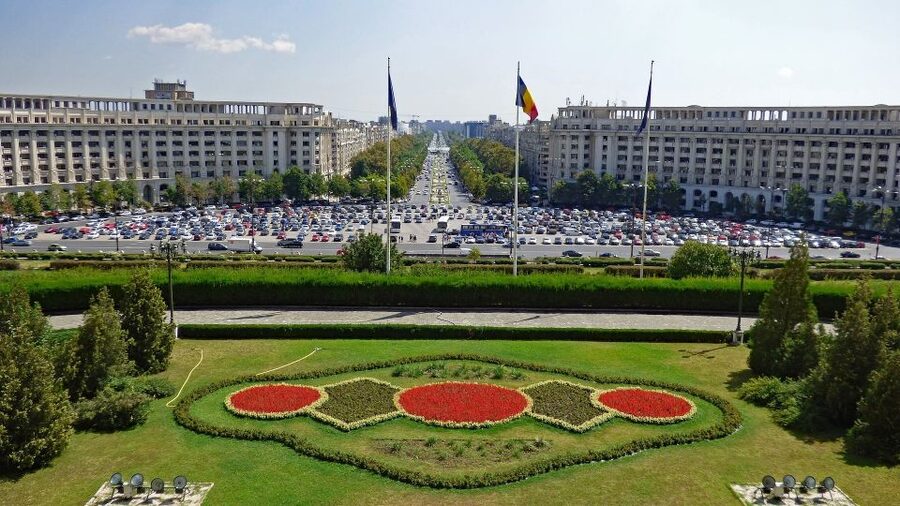
Communist architecture isn’t just background scenery in Bucharest. It’s a system—what got built first, what got expanded, and what the state wanted ordinary people to feel in their bones. On this tour, you get the basics quickly and in a readable order: infrastructure, housing, then power.
You’ll start with hotel pickup and head to metro stations built during the communist period, which is a smart move because transit is where the state’s priorities become practical. From there, the tour shifts to a neighborhood tied to Ceaușescu’s worldview—large-scale planning aimed at the working class, with daily routines shaped by the city layout. Finally, you get the big finale: the Palace of the Parliament, followed by Ceaușescu’s residential complex, the Spring Palace.
The value here is that the route isn’t only about seeing famous places. It explains why they matter: scale as control, design as ideology, and materials as a reminder of what the regime could mobilize.
Hotel pickup, then metro stops that feel like ideology
The tour begins with pickup from your hotel reception. The goal is efficient: you head straight to communist-era metro stations before the day fills with crowds and ticket lines. Metro in Bucharest has its own character, and in this context it’s more than transportation. It’s a sign that the regime could build modern-looking public space, even when politics were anything but modern.
What I like about this start is pacing. You’re fresh, your guide can set the historical frame, and you’re not already tired from the main monument visit. Also, metro stations give you a different kind of “architecture reading” than palaces do. You notice spacing, movement, and how people use space day to day.
One practical note: because this is a structured tour, you’ll be moving on someone else’s timetable. For the best experience, treat the metro stops like quick museum galleries—look, listen, then move. Comfortable shoes help because even short station-to-station walks add up over 7 hours.
A working-class neighborhood: what the state planned for real life
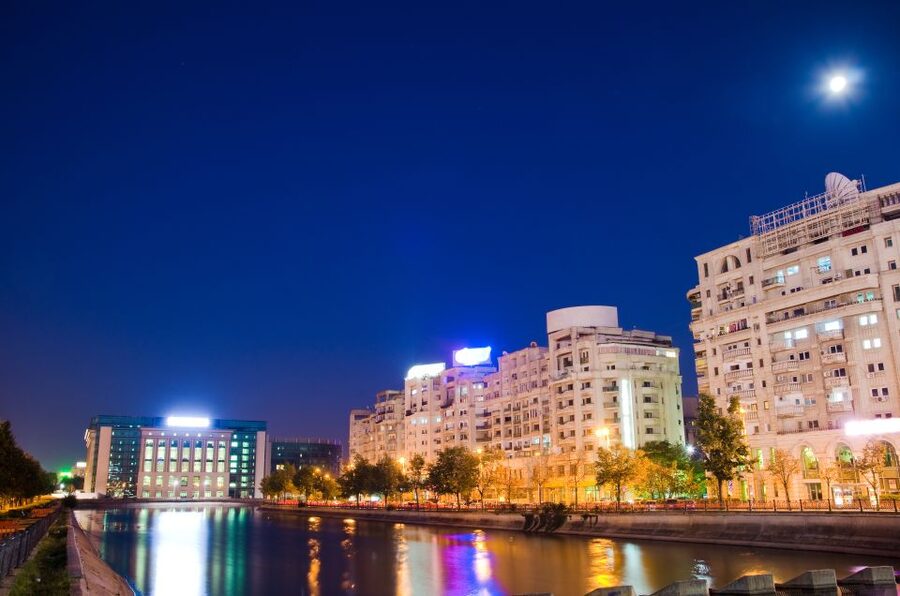
After the metro, the tour heads toward a neighborhood built for the working class during Ceaușescu’s rule. This part is the bridge between grand buildings and the human scale of history. You see how planning created daily rhythm—where people lived, how their housing fit into the wider city, and what kind of future the state promised.
The strongest tours in communist-era cities don’t only show oppression; they show the full machine. This neighborhood stop helps you understand the contradiction: the regime pursued order and collective living, and many people lived inside that system even if they didn’t control it.
Expect the guide to connect what you see on the street to what you’re learning about power. You’ll likely spend enough time to orient yourself, not just pass by. And since you’re not stuck waiting around for a long sit-down attraction, you’ll keep momentum toward the Parliament.
If you care about context, this neighborhood stop is where you get it. It’s also where you’ll likely find the most visual cues—simple layouts, mass housing logic, and the overall feel of a city designed to function, not to impress.
Palace of the Parliament: size, symbolism, and possible waiting
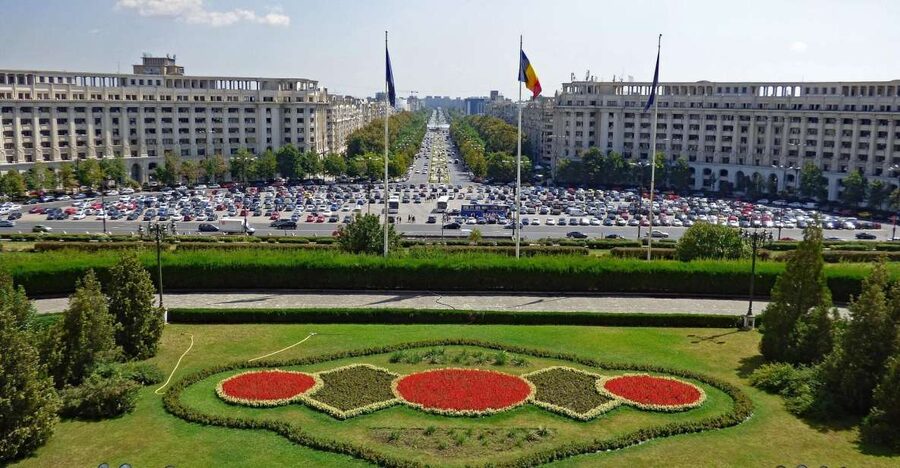
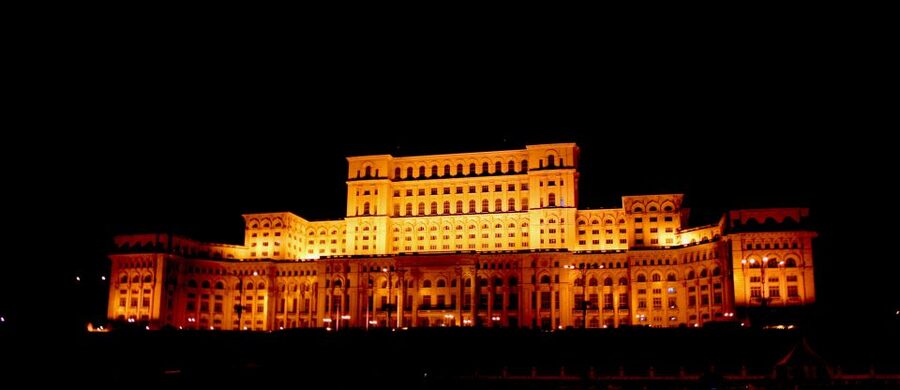
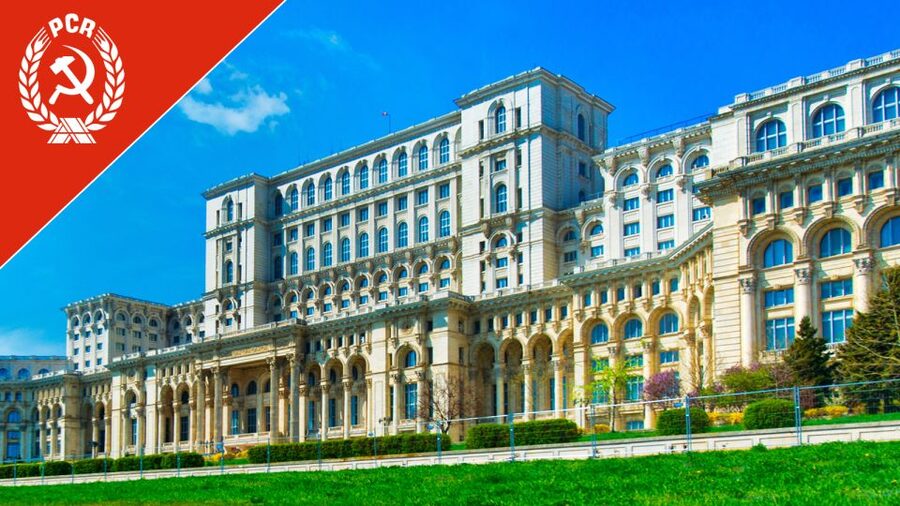
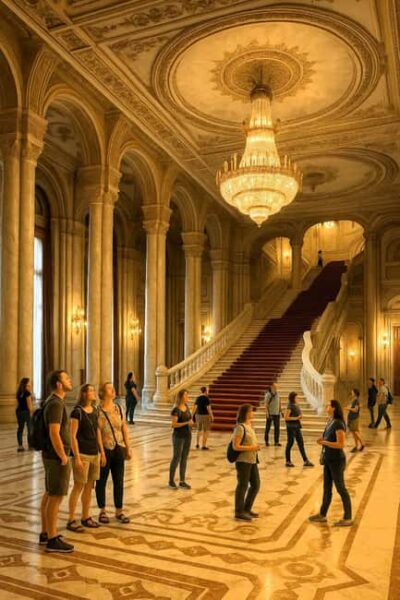
The highlight most people come for is the Palace of the Parliament, part of Ceaușescu’s broader rebuild of Bucharest, known as Project Bucharest. The building’s story is inseparable from what it consumed—time, resources, and political will—so it helps to have a guide who can explain how the regime thought about prestige and control.
A few practical points make a difference here:
- Photography has a fee inside the Parliament, and that cost isn’t bundled in the way standard entry often is.
- The visit is timed. Even with a fixed schedule, you can encounter waiting once you arrive.
- The building is large. You’ll want your energy ready for lots of walking and standing.
I like that this stop is more than sightseeing. You’re there to understand why it was built and why it became what it became after 1989. The Parliament’s scale can feel unreal, but the guide’s job is to keep it grounded—turning “wow” into “oh, I get what that was meant to do.”
If your day is sensitive to delays, keep a little flexibility in your expectations. One of the most consistent caveats is that even when you have a set slot, waiting can still happen.
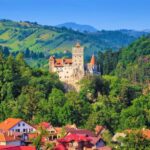
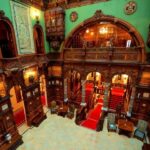

Ceaușescu’s Spring Palace (Palatul Primaverii): power in a residential setting
Your final destination is the Spring Palace, the residential complex associated with the Ceaușescu family. This is a different emotional experience than the Parliament. The Parliament is public and theatrical; the Spring Palace is private and domestic—power translated into home life.
The key practical detail: the Spring Palace can be visited Wednesday to Sunday from 10:00 AM to 6:00 PM. If your trip lands on the wrong day, you may need an alternate plan, so check your calendar before you lock anything in.
Also, entrance is included for the Ceaușescu House, but the tour is still subject to the operator’s time window and the site’s rules on entry and movement. Wear good walking shoes. Interiors and corridors often mean standing where you’re told, following the guide’s pace.
One thing worth clarifying before booking: if you’re expecting access to special areas (for example, certain sections inside the residence), make sure your tour description matches what you want. There’s at least one story where a specific access request wasn’t delivered as expected, and that’s the kind of mismatch you want to avoid.
Transport, group size, and guides who make it click
The tour includes transport by modern car, minibus, or coach, and the pickup is handled from your hotel reception. This matters in Bucharest because distances can add up, and you don’t want to spend your day fighting transit or timing.
Group format is listed as a private group, which usually makes the experience calmer and easier to follow than a large shared bus. Still, you may find that logistics vary by day and number of participants, and a shared-trip delay of up to 30 minutes is possible in general—so don’t schedule a tight second booking right after.
Guides are a big part of the overall quality. In the best versions of this tour, the guide’s English is clear and the history connects cleanly to what you’re seeing. I’ve seen strong mentions of guides like Claudia, who stood out for historical knowledge and clarity, plus Marcel and George showing up as tour leaders in different runs. When the guide is on form, it turns architecture into a story you can actually remember.
If you’re traveling as a small-to-medium group, this is a good fit. It gives you structure, and it often makes the stops feel coordinated rather than rushed.
Price and what you’re actually paying for at $256
At $256 per person for 7 hours, this tour sits in the “comfortable but not cheap” range. Here’s where you get value: the big expenses—transport and entrance fees—are included. Entrance to the Palace of the Parliament is included, with the note that photography is excluded (meaning you may face extra fees if you want photos where they’re restricted). Entrance to the Ceaușescu House is also included.
What’s not included is lunch and personal expenses. So plan on a meal on your own before or after, and budget a bit for snacks or water during the day.
If you’re comparing options, think about time saved as part of the price. You’re not only paying for a guide—you’re paying to remove the friction: pickup, routing, and keeping the order logical. For many people, that’s the difference between “I saw a few famous things” and “I understood how it all fits together.”
The tour is also listed with free cancellation and flexibility options, which is useful if your Bucharest schedule is still shifting.
Who should book this communist tour, and who should skip it
This tour is a strong match if you want a structured introduction to Ceaușescu-era Bucharest without turning your day into a self-guided puzzle. You’ll like it if you care about how power shaped daily life—from metro and neighborhoods to the Parliament and the Spring Palace.
It’s less suitable if you have mobility limitations. The tour is listed as not suitable for people with mobility impairments or wheelchair users. There’s also a general “bring your own comfort” vibe: you’ll want comfortable shoes, and you’ll be doing more walking than you might expect for a 7-hour program.
Also, pets aren’t allowed, so plan for that if you travel with an animal.
If your main goal is only the most famous building photos and you don’t care about the context, you might find it feels like more explanation than you need. But if you want meaning, this route was designed to build it step by step.
Should you book this Bucharest communist tour?
I’d book it if you want the fast track through the era: metro stations, a working-class neighborhood, then two major sites tied to Ceaușescu’s legacy—ending at Spring Palace. The included entrances and transport help keep things smooth, and strong guides like Claudia are exactly the kind of factor that can make or break a history-heavy day.
Skip or reconsider if your schedule is very tight around the Palace of the Parliament, since waiting can happen even with set times. And if there’s a specific room or area you care about inside the residences, confirm the scope clearly before you go.
If you want a day that turns Bucharest’s communist past into something you can picture—street-level and building-level—this is a solid pick.
FAQ
How long is the communist Bucharest tour?
The tour lasts 7 hours.
What are the main places you visit?
You visit communist-era metro stations, a working-class neighborhood built for that era, the Palace of the Parliament, and Ceaușescu’s Spring Palace (Palatul Primaverii).
Are entrance fees included?
Yes. Entrance fees are included, including the Palace of the Parliament (with photography fee excluded) and Ceaușescu House.
Is lunch included?
No. Lunch is not included.
When can you visit the Spring Palace?
The Spring Palace can be visited Wednesday to Sunday from 10:00 AM to 6:00 PM.
Is the tour accessible for wheelchair users?
No. The tour is listed as not suitable for people with mobility impairments or wheelchair users.
What should I bring?
Bring a passport or ID card and comfortable shoes. Pets are not allowed.
More Tour Reviews in Bucharest
- Bucharest: Dracula’s Castle, Peles Castle, & Brasov Old Town
★ 4.5 · 17,858 reviews - Bucharest: Dracula Castle, Peles Castle & Brasov Old Town
★ 4.6 · 10,891 reviews - Bucharest: Dracula’s Castle, Peleș Castle & Brașov Day Trip
★ 4.4 · 6,100 reviews - Bucharest: Palace of Parliament Tickets and Guide
★ 4.3 · 3,182 reviews - Bucharest: Day Trip to Dracula Castle, Peles Castle & Brașov
★ 4.4 · 3,049 reviews - Bucharest to Dracula Castle, Peles Castle and Brasov Guided Tour
★ 4.5 · 2,933 reviews
The Communist Years, Up Close
- Bucharest: Communism and History Guided City Walking Tour
★ 4.9 · 918 reviews - The Real tour of Communism
★ 5.0 · 666 reviews - Life under Communism
★ 5.0 · 358 reviews - 3-Hour Guided Tour of Communist Bucharest
★ 4.9 · 303 reviews - Bucharest: Parliament, Ceausescu House & Village Museum Tour
★ 5.0 · 208 reviews - Bucharest Essential Tour: Old Town, Calea Victoriei & Communism
★ 5.0 · 142 reviews
Just In: The Latest Bucharest Reviews


Communism & Ceaușescu Tours, compared.
 ★ 4.9Communism and History Guided City Walking TourFrom $31918 reviews
 ★ 5.0The Real tour of CommunismFrom $32666 reviews
 ★ 5.0Life under CommunismFrom $42358 reviews
 ★ 4.93-Hour Guided Tour of Communist BucharestFrom $29303 reviews
 ★ 5.0Parliament, Ceausescu House & Village Museum TourFrom $1208 reviews
 ★ 5.0Bucharest Essential Tour: Old Town, Calea Victoriei & CommunismFrom $24142 reviews
 ★ 5.0Communism in Bucharest – Landmarks, Museum & Communist AppetizersFrom $48111 reviews
 ★ 4.9Palace of Parliament, Ceausescu House & Village MuseumFrom $186 reviews
Browse the lists this tour appears in