
REVIEW · COMMUNISM & CEAUșESCU TOURS
Bucharest: Communist Bike Tour
Four hours on two wheels through Romania’s hard years. This Bucharest communist bike tour makes you read the city like a timeline, not just a postcard, and it lets you cover major landmarks without the stop-start hassle of walking. I love how the ride stitches big political events to specific streets and buildings, and I also love the way the guide turns Cold War facts into human-scale stories. One thing to weigh: you need to feel comfortable cycling in active city traffic, and this tour isn’t a good match if you have limited mobility.
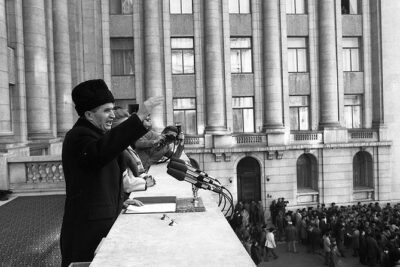
I like that the tour starts in the old city center and immediately challenges the usual idea of Bucharest as purely beautiful. From there, you’ll pedal past sites tied to communist disruption, Soviet rule, and the 1989 uprising, with a special focus on how power reshaped the city’s core. The big payoff for me is ending near the Communist Central Committee, where Ceaușescu gave his last speech—right before the revolution ignited.
You’ll get a live English guide plus a bike, helmet, and bike lock for $53 per person, which is good value for a 4-hour guided day-starter. Food isn’t included, so plan to eat before or after you ride. And if you’re hoping for a purely scenic cycle, keep your expectations aligned: this is history-heavy, sometimes blunt, and the streets do the teaching.
In This Review
- Key highlights worth your attention
- Meeting Point and the Right Mindset for a Communist-Era Bike Ride
- Pedaling the Old City Center: How Communist Rule Altered Bucharest’s Core
- Coral Temple and the Early Communist Story You Don’t Usually Hear
- First Romanian Parliament and the Shock of Violence in Politics
- Soviet Occupation Neighborhoods: Where Power Lived After World War II
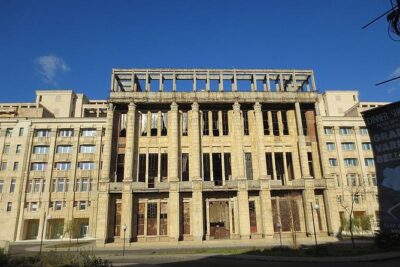
- Casa Radio: Bucharest’s Biggest Unfinished Communist Urban Project
- Revolution Square and the Turning Point of December 1989
- National History Museum and Ceaușescu’s Last Architecture: When Regime Design Outlives the Regime
- Final Stop at the Communist Central Committee: Ceaușescu’s Last Speech
- Price, Value, and What You’ll Actually Get for $53
- Who This Tour Fits Best
- Should You Book the Bucharest Communist Bike Tour?
- FAQ
- How long is the Bucharest Communist Bike Tour?
- Where does the tour meet?
- What’s included in the price?
- Is food included?
- Is the tour offered in English?
- Do I need to bring my own bike or helmet?
- Is the tour suitable for people with limited mobility?
- What should I bring?
Key highlights worth your attention
- Old city center orientation: you get a quick sense of how communist rule damaged historic Bucharest
- Coral Temple stop: a look at how the Jewish community helped shape early communist momentum
- First Romanian Parliament area: tied to a communist bomb attack against the democratic Romanian government
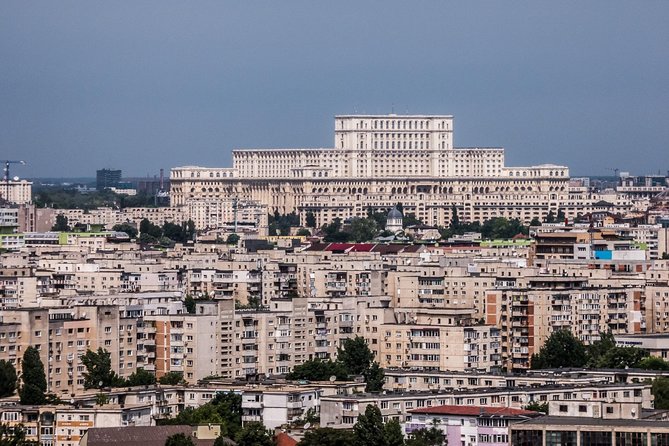
- Casa Radio (unfinished project): see one of the largest unfinished communist urban plans
- Revolution Square to December 1989: the story of Ceaușescu’s endgame, on the ground
The communist decades, walked and explained
- The Real tour of Communism★ 5.0 · 666 reviews
- Life under Communism★ 5.0 · 358 reviews
- 3-Hour Guided Tour of Communist Bucharest★ 4.9 · 303 reviews
- Bucharest: Parliament, Ceausescu House & Village Museum Tour★ 5.0 · 208 reviews
Meeting Point and the Right Mindset for a Communist-Era Bike Ride
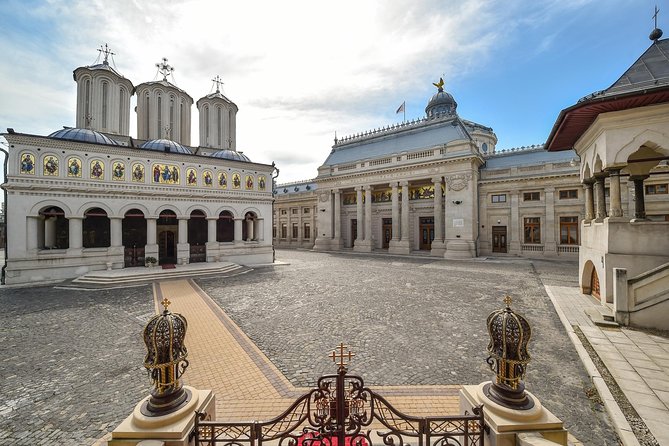
Meet just across from Hanu’ Berarilor (Casa Oprea Soare). That’s a practical start point because you’re already in the part of town where you can connect the dots fast. Once you’re geared up, the tour quickly switches from “vacation mode” to “city lecture on wheels,” which is exactly what you want here.
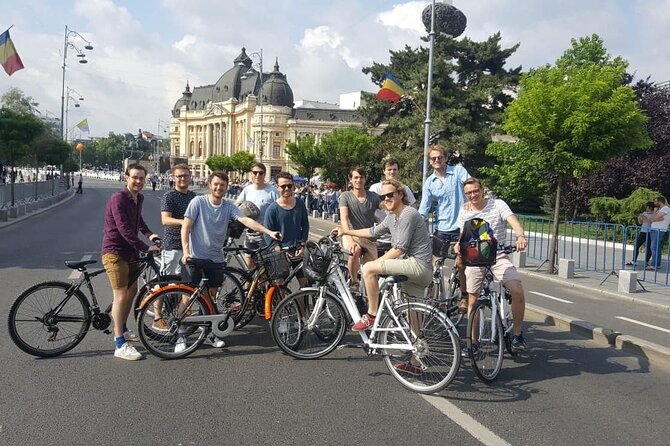
The bike setup is simple: you get the bike, helmet, and a bike lock as part of the ticket price. That means you don’t have to spend time figuring out rentals or lugging gear around. You’ll still want to bring comfortable shoes, because you’ll get off the bike at key moments and do short walks while the guide explains what you’re seeing.
A small but important mindset note: this tour isn’t trying to be neutral in tone. It’s focused on how communist-era politics reshaped Bucharest’s historical areas and left visible scars in the city plan. If you like history that has consequences—built into the streets—this approach works.
Pedaling the Old City Center: How Communist Rule Altered Bucharest’s Core
The tour begins in Bucharest’s old city center, and the guide doesn’t waste time. You’ll hear about the major role the communist era played in ruining this historic part of the city—both in what was changed and in what was removed. That framing matters, because it sets up every later stop: you’ll start seeing buildings not only as architecture, but as political choices.
I like starting this way because it gives you a “before” and “after” lens. When you later pass major institutions tied to the new order, you’re not just looking at them; you’re comparing them to what Bucharest used to represent. It also helps you notice how quickly the vibe of the streets can shift from older layers of the city to Soviet-aligned planning.
One practical consideration: since this is a bike tour through a real urban area, you’re moving through a working city, not a car-free museum district. If you’re even slightly unsure on a bicycle, take your time getting comfortable with the bike early on.
Coral Temple and the Early Communist Story You Don’t Usually Hear
After the old city introductions, the next stop is the Coral Temple. Here, the tour connects Bucharest’s religious and community history to the political currents that formed in the early 1920s. The emphasis is on how the Jewish community were among the initiators of the communist movement in that period.
This is a valuable stop because it widens your understanding. Too often, people arrive with a single simplified story about communism as something imposed from outside. This stop adds texture: it shows how different communities, ideas, and networks contributed to early momentum, long before the system hardened into a state machine.
Even if you’re not a museum person, the lesson lands quickly because the guide ties the explanation to a real place. That’s one of the strengths of riding instead of only walking: you can move between story points while everything stays connected in time.
First Romanian Parliament and the Shock of Violence in Politics
From Coral Temple, the tour continues to the site associated with a communist bomb attack against the democratic Romanian government—linked to the area of the first Romanian parliament. This is one of the heavier moments on the route, and it’s also one of the most important for understanding how political conflict turned violent.
The guide’s job here is to give context, not just point at a building. When you’re cycling, it’s easy to miss the emotional weight of a place. But on this stop, the narrative is built to make you slow down mentally and understand what was at stake.
If you prefer your history chronological and clearly explained, you’re in the right place. One review highlighted that the guide (Alex) delivered full context—historical, economic, and political—and included details about populations. Even if your guide focuses differently, the tour is clearly designed to help you connect events instead of treating them as isolated scenes.
Bucharest by pedal, a couple more spins
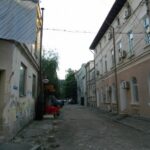



Soviet Occupation Neighborhoods: Where Power Lived After World War II
The tour then moves into the period after the Second World War, when Romania spent about 12 years under Soviet occupation. On the bike, you’ll pass through a neighborhood built for the Russian army generals who were in charge for ruling the country.
I like this segment because it explains communism not just as ideology, but as an administrative system with housing, status, and everyday geography. You can see how control shows up in where elite groups lived, how space was organized, and how the city reflected the new hierarchy.
This is also where the tour’s “place-based learning” really clicks. You might read about occupation and regimes all day. But when you pedal past the kinds of buildings that housed ruling officials, the story becomes more concrete. It’s easier to understand how a political system becomes normal life for certain people while others are pushed aside.
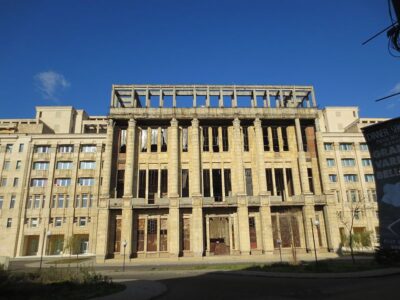
Casa Radio: Bucharest’s Biggest Unfinished Communist Urban Project
One of the standout highlights is Casa Radio, described as the biggest unfinished communist urban project. Seeing it as part of a moving route changes how it hits. You’re not staring at a single structure in isolation; you’re noticing it as a consequence—something started with big intentions, then left incomplete.
Unfinished projects can be the most honest clues of a regime’s reality. They hint at broken priorities, shifting plans, and the gap between propaganda promises and what actually got built. With a guide, you’ll understand what the building represents in the broader story of how Bucharest was reshaped.
This stop is also a good “breather” in the mental rhythm of the tour. Earlier you’re dealing with political acts and occupation-era control. Here, you see a physical artifact of how grand projects didn’t always deliver what they promised.
Revolution Square and the Turning Point of December 1989
The tour includes a visit to Revolution Square, which is a key location for understanding how the 1989 revolution gathered force. This isn’t just a name on a map. It’s part of the path the tour uses to connect communist rule’s end to the street-level experience of people pushing back.
The guide’s explanation here is the bridge between the long era of control and the moment things flipped. You’ll get the sense that the system didn’t simply collapse in a vacuum; it reached a breaking point, and Revolution Square became part of the public stage where the change became visible.
A detail that matters: the tour ultimately ends at a site tied to Ceaușescu’s final speech. The way the story is structured helps you understand why that end moment was so dramatic. It gives you an ending that feels earned, not just dramatic for drama’s sake.
National History Museum and Ceaușescu’s Last Architecture: When Regime Design Outlives the Regime
Later in the ride, you’ll pass by the biggest unfinished communist building mentioned on this route: the National History Museum, described as a complex whose buildings were reshaped by the communist regime during its flourishing times.
This is a thoughtful stop because it reframes “what you see today.” Instead of treating the museum as a neutral cultural site, the tour looks at how the regime used architecture to project authority—then left physical traces long after the political system changed.
If you’re the kind of person who likes to connect architecture to politics (even a little), you’ll probably get a lot from this part. It’s not just about what was built; it’s about what was altered, and why those changes mattered.
Final Stop at the Communist Central Committee: Ceaușescu’s Last Speech
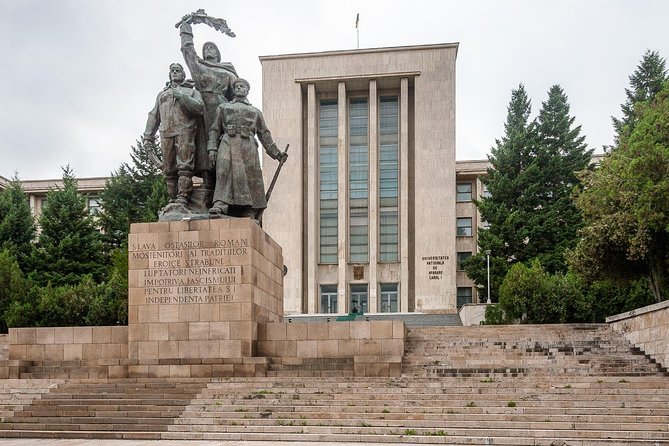
The last stop is in front of the Communist Central Committee, where Ceaușescu held his last speech and where the revolution started in December 1989. This ending point is powerful because it ties together the entire ride: early political violence, Soviet occupation, elite neighborhoods, unfinished grand projects, and finally the collapse.
I like that the tour doesn’t just end with a quiet photo moment. The guide frames what happened next, so you don’t leave feeling like you saw a building but missed the event’s meaning. It’s one of the reasons this tour works as a city orientation: by the end, you can explain to yourself what happened here and why the city looks the way it does.
If you want to keep the momentum after the tour, this is the perfect kind of stop to write down a few questions in your notebook—then hunt for answers on your own later.
Price, Value, and What You’ll Actually Get for $53
At $53 per person for 4 hours, you’re paying for four things: a live English guide, transportation (a bike), and safety gear (helmet) plus a lock. The lock sounds small, but it’s practical in a city where you may need to secure bikes at short stops. Since food and beverages aren’t included, you’re also effectively buying time and expertise—not a full day of meals.
Is it expensive? Not for what you’re getting. If you’ve had to rent bikes in other cities, you know how quickly costs add up. Here, that part is bundled. And because the tour is history-focused, the guide’s context is the real value: the stops would be interesting anyway, but without the storyline, they’d feel more scattered.
The real “cost” is mental energy. You’re listening to political history while riding. If you know you get tired from long explanations, plan a slow afternoon after.
Who This Tour Fits Best
You’ll likely enjoy this tour if you want:
- A clear political timeline connected to places in Bucharest
- An efficient way to cover several major sites in one morning or afternoon window
- A guide who explains the economic and social angle, not only dates
It’s also a strong opener for the city. One review specifically praised it as a great way to start your visit because it made Bucharest feel more understandable fast.
I’d think twice if:
- You’re not confident riding in city traffic
- You have limited mobility (the tour is not recommended for people with mobility impairments)
- You want a low-intensity sightseeing day rather than a history-led route
Should You Book the Bucharest Communist Bike Tour?
Book it if you want a bike-friendly shortcut through Bucharest’s hardest history, with a guide who gives you context you can carry to the rest of your trip. The route is built around high-impact sites like the first Romanian parliament area, Revolution Square, Casa Radio, and the Communist Central Committee, and the pacing helps you cover a lot without feeling rushed in the middle of each story.
Skip it if you’re only in town for a few hours and prefer purely scenic stops, or if cycling in traffic makes you anxious. In that case, you’d probably enjoy the same sites more from a walking or transit-friendly format.
FAQ
How long is the Bucharest Communist Bike Tour?
The tour lasts 4 hours.
Where does the tour meet?
Meet just across from the restaurant Hanu’ Berarilor (Casa Oprea Soare).
What’s included in the price?
The ticket includes a live guide, bikes, helmets, and bike locks.
Is food included?
No. Food and beverages are not included.
Is the tour offered in English?
Yes, the live tour guide is in English.
Do I need to bring my own bike or helmet?
No. Bikes and helmets are provided as part of the tour.
Is the tour suitable for people with limited mobility?
No. The tour is not recommended for people with limited mobility.
What should I bring?
Bring comfortable shoes.
More Tour Reviews in Bucharest
- Bucharest: Dracula’s Castle, Peles Castle, & Brasov Old Town
★ 4.5 · 17,858 reviews - Bucharest: Dracula Castle, Peles Castle & Brasov Old Town
★ 4.6 · 10,891 reviews - Bucharest: Dracula’s Castle, Peleș Castle & Brașov Day Trip
★ 4.4 · 6,100 reviews - Bucharest: Palace of Parliament Tickets and Guide
★ 4.3 · 3,182 reviews - Bucharest: Day Trip to Dracula Castle, Peles Castle & Brașov
★ 4.4 · 3,049 reviews - Bucharest to Dracula Castle, Peles Castle and Brasov Guided Tour
★ 4.5 · 2,933 reviews
Two Wheels Through Bucharest
- Bucharest: Half Day Bike Tour
★ 4.9 · 379 reviews - Bucharest Half a Day Bike Tour
★ 5.0 · 325 reviews - Bucharest: 2-Hour City Highlights Bike Tour
★ 4.8 · 269 reviews - Bucharest Highlights Bike Tour
★ 5.0 · 102 reviews - From Bucharest: Forest and Hills ATV Quad Bike Tour
★ 4.7 · 34 reviews - Bicycle Sightseeing in Bucharest
★ 5.0 · 26 reviews
The Communist Years, Up Close
- Bucharest: Communism and History Guided City Walking Tour
★ 4.9 · 918 reviews - The Real tour of Communism
★ 5.0 · 666 reviews - Life under Communism
★ 5.0 · 358 reviews - 3-Hour Guided Tour of Communist Bucharest
★ 4.9 · 303 reviews - Bucharest: Parliament, Ceausescu House & Village Museum Tour
★ 5.0 · 208 reviews - Bucharest Essential Tour: Old Town, Calea Victoriei & Communism
★ 5.0 · 142 reviews
Just In: The Latest Bucharest Reviews


Communism & Ceaușescu Tours, compared.
 ★ 4.9Communism and History Guided City Walking TourFrom $31918 reviews
 ★ 5.0The Real tour of CommunismFrom $32666 reviews
 ★ 5.0Life under CommunismFrom $42358 reviews
 ★ 4.93-Hour Guided Tour of Communist BucharestFrom $29303 reviews
 ★ 5.0Parliament, Ceausescu House & Village Museum TourFrom $1208 reviews
 ★ 5.0Bucharest Essential Tour: Old Town, Calea Victoriei & CommunismFrom $24142 reviews
 ★ 5.0Communism in Bucharest – Landmarks, Museum & Communist AppetizersFrom $48111 reviews
 ★ 4.9Palace of Parliament, Ceausescu House & Village MuseumFrom $186 reviews
Browse the lists this tour appears in