
REVIEW · COMMUNISM & CEAUșESCU TOURS
Bucharest Communism: From Lenin to Ceausescu
Bucharest’s communist story is written in stone. This walk takes you through the city’s biggest showpieces of control, from the Palace of the Parliament to the streets that frame Ceaușescu’s final days. I like how the tour pairs big political ideas with street-level details, and I also like that the guide connects the buildings to what people actually faced.
If you go, two things matter most. First, you get clear context for how the regime took shape, including Ceaușescu’s rise and why his dictatorship felt different inside the Eastern Bloc. Second, you end with the Revolution Square sequence—agitation, trial, and execution—so the story doesn’t just stop at slogans.
One thing to consider: this tour tackles heavy material, including repression and daily hardship, and it’s not an easy, light stroll. If you prefer politics with only a light touch, you might find some moments intense.
In This Review
- Key takeaways before you go
- Bucharest’s communist era, explained where you can see it
- Starting at Bulevardul Unirii: where the walk gains momentum
- Palace of the Parliament: how megalomania became displacement
- Antim Monastery and the Patriarchal Cathedral: faith in the middle of control
- Bucharest fountains and Piața Unirii: public space used as theater
- Old Town and University Square: the pre-communist city in the same frame
- Royal Palace and the Romanian Athenaeum: monarchy and culture under pressure
- The human cost: rationing, secret police, and control-by-fear
- Ceaușescu’s path to power and the fall at Revolution Square
- Price and time: why $23 can be good value here
- Who this tour suits best (and who might want to skip it)
- Should you book this Bucharest Communism tour?
- FAQ
- Where is the meeting point?
- How long is the tour?
- How much does it cost?
- What’s included in the price?
- Are entrance tickets included?
- What language is the tour offered in?
- When should I arrive?
- Can I get a refund if plans change?
Key takeaways before you go
- Palace of the Parliament scale: you’ll see why it became a symbol of forced power and planning at enormous cost
- Concrete links to daily life: rationing, food limits, and secret-police pressure get explained in plain terms
- Ceaușescu’s full arc: from poor background and imprisonment to decades of dictatorship
- A final-act ending: Revolution Square ties together the revolution, the trial, and the execution
- Guides like Alex or Horia: the tour has a strong track record for clear explanations and humor
The communist decades, walked and explained
- The Real tour of Communism★ 5.0 · 666 reviews
- Life under Communism★ 5.0 · 358 reviews
- 3-Hour Guided Tour of Communist Bucharest★ 4.9 · 303 reviews
- Bucharest: Parliament, Ceausescu House & Village Museum Tour★ 5.0 · 208 reviews
Bucharest’s communist era, explained where you can see it
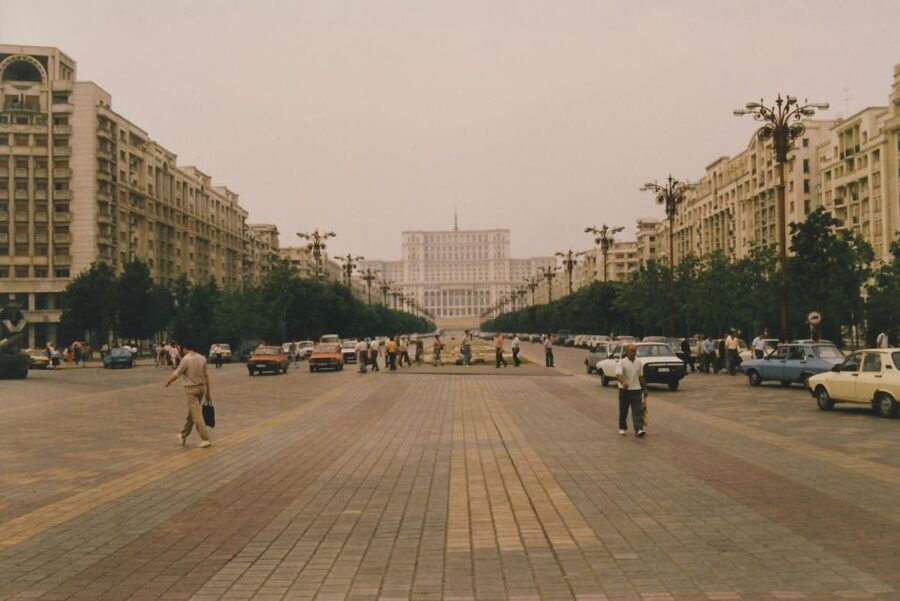
Bucharest doesn’t hide its 20th-century politics. In many cities, history is behind museum glass. Here, it’s in sightlines: wide boulevards, monumental facades, and squares that look designed for crowds.
This tour uses that fact. You start on Socialist Victory boulevard and move through the city’s institutional and civic spaces, so the communist story feels tied to place instead of just dates on a timeline. The tone is serious—there’s no avoiding themes like repression and dictatorship—but the guide style (often described as funny, engaging, and question-friendly) keeps it from turning into a lecture.
Starting at Bulevardul Unirii: where the walk gains momentum
You meet at Bulevardul Unirii 5, next to the Coffee shop Constitutiei. That’s not just a practical waypoint. It’s the staging ground for the whole theme: the boulevard area is presented as the starting point of the last megalomaniac communist project, which sets expectations for what you’re about to see.
Aim to arrive about 10 minutes early. The tour is listed at 2.5 hours, so there’s little slack time once it begins. If you’re even a few minutes late, you’ll likely spend those first minutes trying to catch up rather than listening.
Palace of the Parliament: how megalomania became displacement
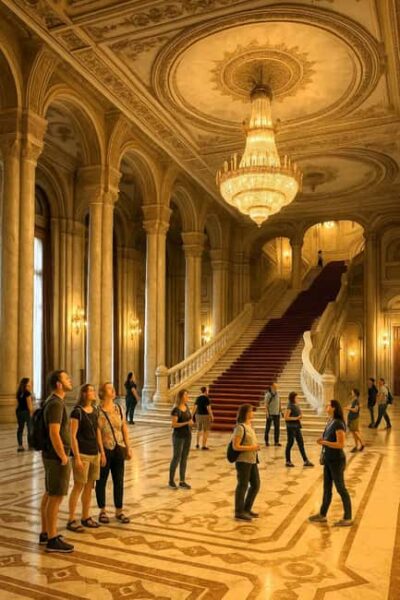
The centerpiece is the Palace of the Parliament, with a guided look that includes the Chamber of Deputies Palace. This stop is where the tour’s argument becomes physical.
You’ll learn why this building is often described as the second largest administrative building in the world, and you’ll hear what that scale meant in human terms. The project involved the demolition of three neighborhoods and 40,000 households. That number is easy to say and hard to process—so it lands better when your feet are standing on the same kind of ground where people were pushed out.
The tour also uses the building to connect politics to institutions. The guide explains the Chamber of Deputies Palace and how society was shaped before communist rule, which helps you understand that communism didn’t appear out of nowhere. It took over existing structures and then reshaped them for its own priorities.
A practical note: the palace experience can feel dense because it’s about power, bureaucracy, and symbolism all at once. If you’re the type who likes to process slowly, listen to the guide’s framing first before you start taking photos. Otherwise you’ll get snapshots without the meaning.
Antim Monastery and the Patriarchal Cathedral: faith in the middle of control
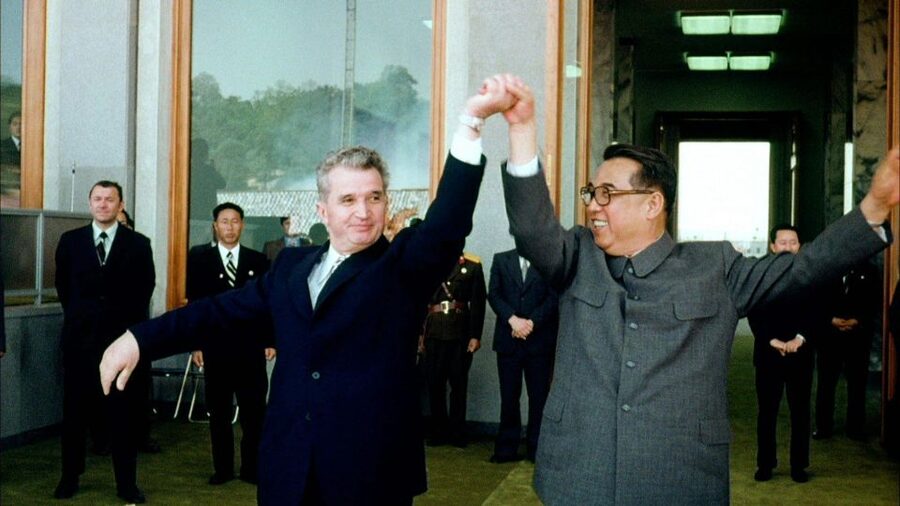
After the political machine of the parliament building, you shift to religious sites: Antim Monastery and the Patriarchal Cathedral. The itinerary has you visit and see them with guided context, plus short walks and sightseeing breaks.
What makes this pair useful on a communist-history tour is contrast. These stops give you a sense of what the regime had to manage, tolerate, or suppress in daily life—because religious institutions are tied to identity, community memory, and independent authority. Even without getting lost in architectural specifics, you can grasp the idea: where the state tries to control narratives, other institutions represent alternative ones.
For your comfort, these are also decent pauses. The walk keeps moving, but monastery and cathedral visits usually allow shorter, quieter moments compared with the intensity of the palace.
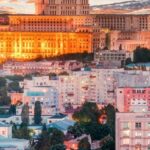
Bucharest fountains and Piața Unirii: public space used as theater
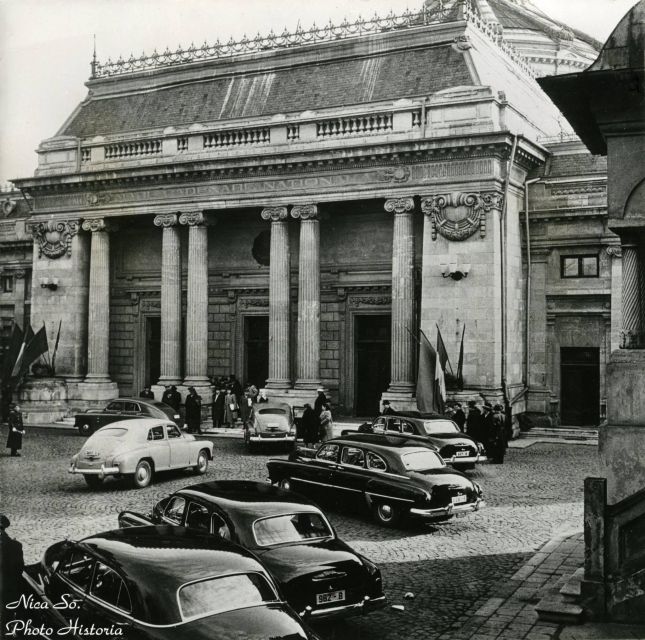
Next up: Bucharest fountains and Piața Unirii. On paper, fountains can sound like a break. On this tour, they’re not random decoration. They’re part of how public space works—how a regime can shape mood, movement, and the feeling of normal life.
At Piața Unirii, the tour continues the pattern: short sightseeing, guided context, and a bit of walking. The guide’s job here is to show you how a city’s everyday look can still be built on political choices—what gets renovated, what gets emphasized, and what gets erased.
The main benefit is that it helps you spot the difference between a street that looks “pretty” and a street that has a political function. You’ll start to notice how the same city can feel like both home and stage.
Old Town and University Square: the pre-communist city in the same frame
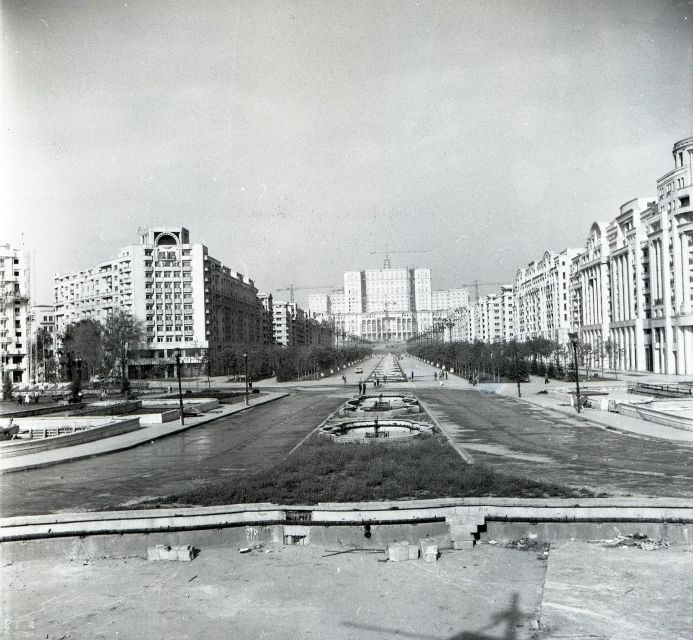
You move into Old Town, Bucharest and then to University Square, Bucharest. These stops matter because they provide “before” and “outside” perspectives within the same urban system.
The tour uses these areas to remind you that Bucharest had cultural and social momentum long before communist rule. That framing ties back to the earlier stop inside the parliament complex: society existed with different habits and institutions, and then the communist project tried to override them.
University Square, in particular, is a good moment to think about ideas. The tour is already covering political theory and ideology—so this stop gives you a visual anchor for how education and thought can become either protected ground or contested territory, depending on the regime.
Royal Palace and the Romanian Athenaeum: monarchy and culture under pressure
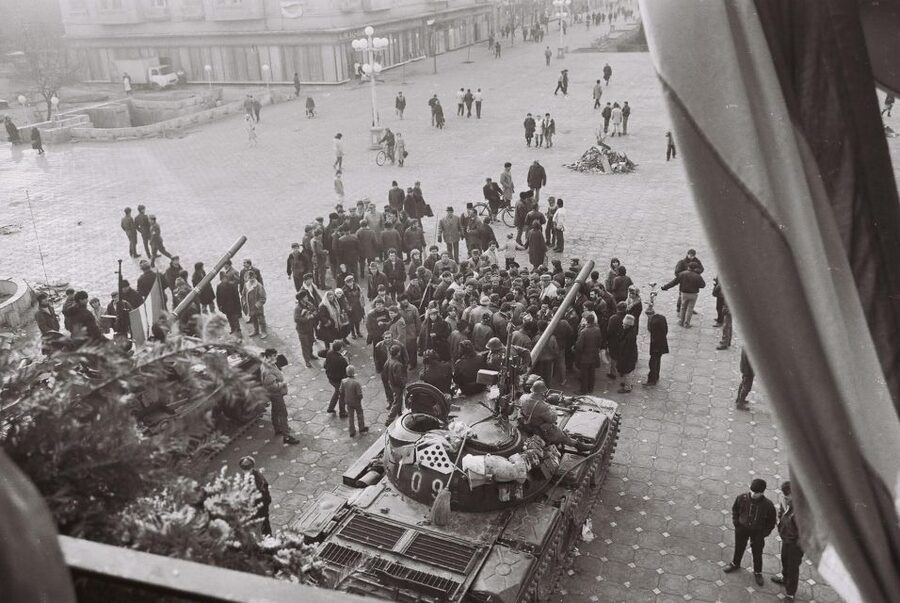
The itinerary then includes the Royal Palace of Bucharest and the Romanian Athenaeum. Like the religious stops, these aren’t just “more sights.” They’re another contrast layer.
You’ll connect the dots between state power and public symbolism. Even if you’re not an architecture person, you can grasp the point: different eras leave different signatures on a city. Communist rule didn’t only change laws; it changed what the city decided was worth highlighting.
The practical advantage here is pacing. By the time you reach these cultural and royal sites, the tour has already laid out major themes—how ideology took hold and what it did to daily life. These stops help that information feel less abstract and more like a pattern.
The human cost: rationing, secret police, and control-by-fear
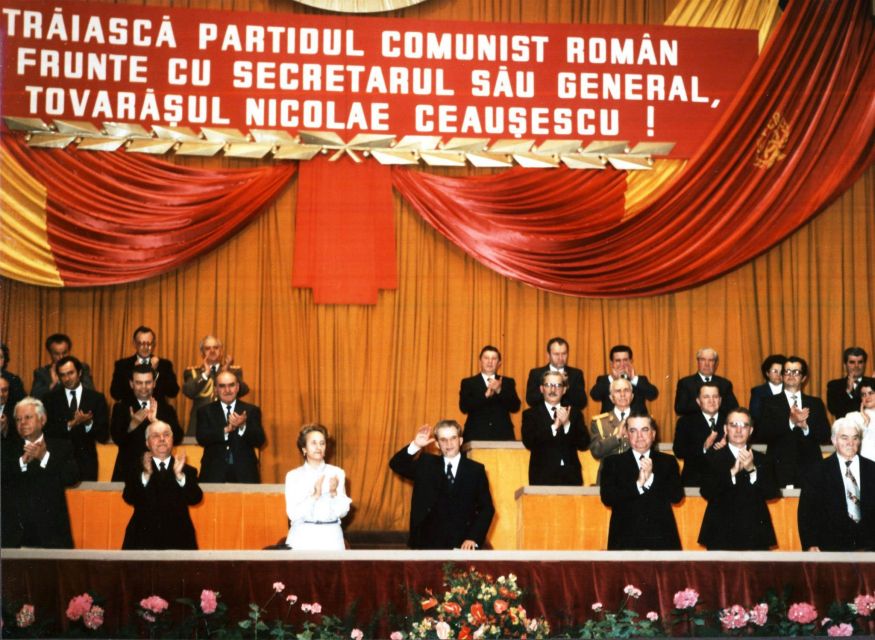
Half the reason this tour works is that it doesn’t stop at buildings and dictators. You’ll hear about life in communism in concrete terms, including food rationing and the secret police.
One especially striking detail is the rationing picture: about 2000 calories/day, including 500 g of cheese, 10 eggs, and 1.5 kg of meat per month. Taken literally, those numbers can seem structured and even manageable. But on a tour like this, they’re presented as part of a system—something controlled and rationed rather than chosen. That’s what makes it real.
You’ll also get time spent on the secret police and repression. The guide explains how surveillance and fear shape behavior, which makes the later revolution ending feel less like a movie twist and more like a historical release valve.
If you’re sensitive to heavy themes, give yourself permission to pause mentally for a moment. The tour moves at a walkable pace, but the material is intense.
Ceaușescu’s path to power and the fall at Revolution Square
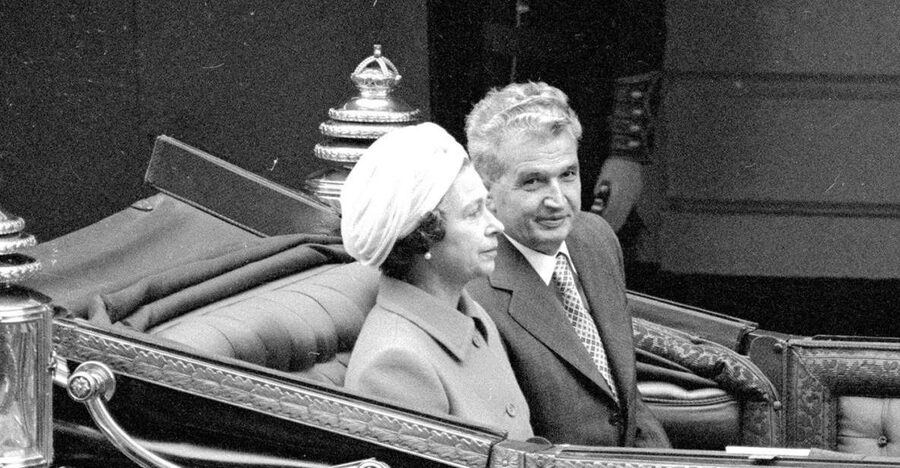
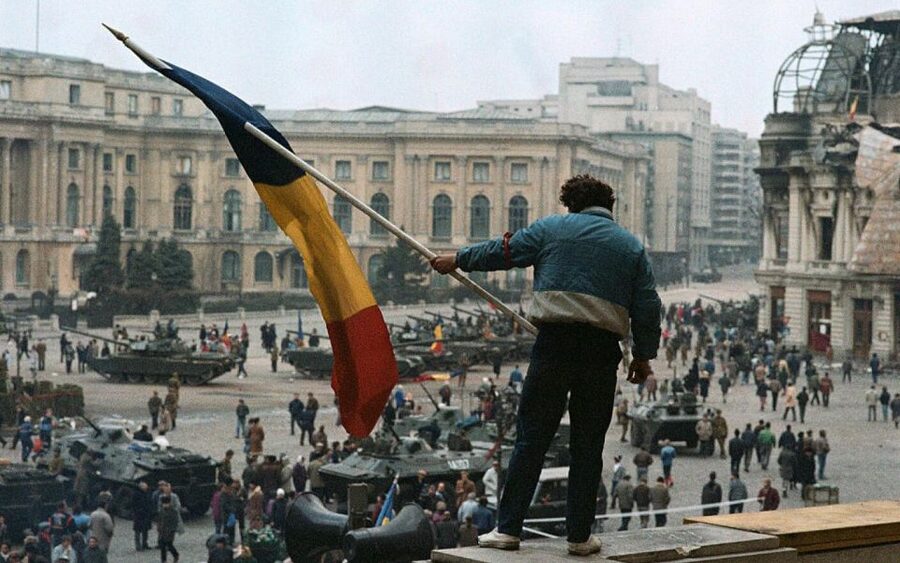
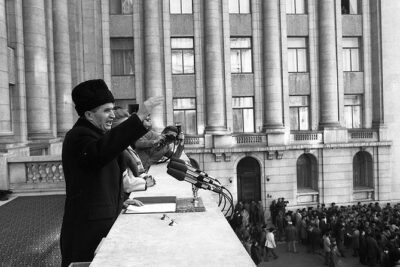
The story tightens around Ceaușescu. You’ll learn about his poor background and his rise to power, plus milestones like 4 classes, 6 years in prison, and the 25 years of dictatorship. Those details matter because they show you how the regime’s leader wasn’t a distant figure—he was made through hardship, punishment, and then political control.
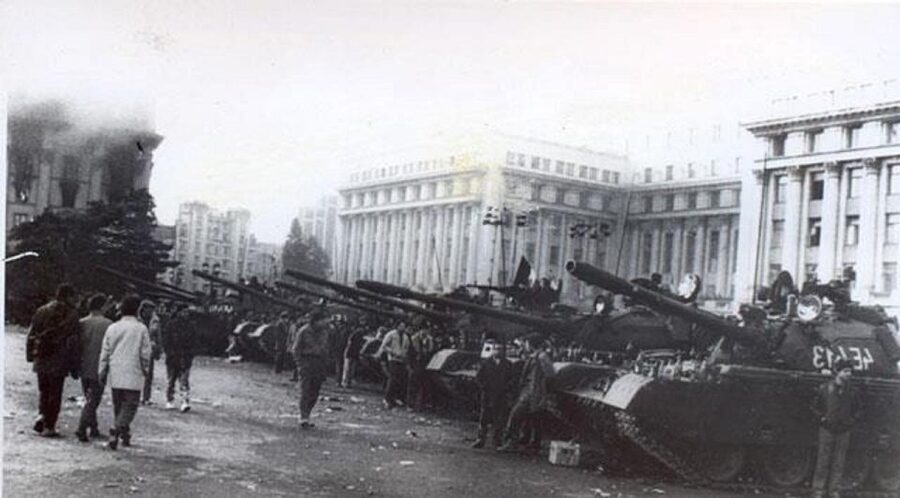
When the tour reaches Revolution Square, it shifts into the final-act sequence: the revolution, his trial, and his execution. The tour frames this as a moment where a group of agitators plotted the end of Ceaușescu’s regime. It’s presented as a chain of choices, not just fate.
This ending is where you’ll feel the tour’s logic click. Earlier stops teach you about institutions, public space, and social life. The final stop explains how a dictatorship collapses when people decide the story must change.
Price and time: why $23 can be good value here
At $23 per person for 2.5 hours, this tour has solid value if your priority is context and a guided narrative. You’re paying for more than walking between sites. The structure is built around explanation: the palace scale, the displacement numbers, the ideology-to-dictatorship arc, and the final revolution events.
Two cost caveats to keep in mind: entrance tickets are not included, and food and drinks are not included. So your total trip cost could be a bit higher if you want to enter ticketed spaces or if you’ll need a snack break.
Still, for a focused, English/ Romanian guided historical walk, $23 is a straightforward deal—especially because the tour doesn’t just list events. It connects them to what you can see in the city’s layout.
Who this tour suits best (and who might want to skip it)
This is a good fit if you like political history that explains cause-and-effect. It’s also a great choice if you’re the type who gets more out of a city when you understand what shaped it.
It’s especially suitable for:
- People who want Ceaușescu-focused context in a single session
- Anyone curious about how a dictatorship affects ordinary life, including rationing and secret-police pressure
- Visitors who want the story anchored in Bucharest landmarks, not just reading about them
You might want a different tour if you prefer only cultural highlights and don’t want intense political content tied to repression and execution.
Should you book this Bucharest Communism tour?
I think you should book it if you want your Bucharest to make sense historically. The tour’s strength is that it ties huge, visible projects—like the Palace of the Parliament and its displacement—to the lived reality of control, fear, and rationing. You also get a full arc: rise, rule, and the end at Revolution Square.
If you’re going mainly for sightseeing without politics, you might find it heavy. But if you want a guided walk that helps you understand why Bucharest looks the way it does today, this one is worth your time.
FAQ
Where is the meeting point?
Meet next to The Coffee shop Constitutiei at Bulevardul Unirii 5.
How long is the tour?
The duration is 2.5 hours.
How much does it cost?
It costs $23 per person.
What’s included in the price?
A local guide is included.
Are entrance tickets included?
No. Entrance tickets are not included.
What language is the tour offered in?
The tour is available in English and Romanian.
When should I arrive?
Please arrive 10 minutes before the activity starts.
Can I get a refund if plans change?
Yes. There is free cancellation up to 24 hours in advance for a full refund.
More Tour Reviews in Bucharest
- Bucharest: Dracula’s Castle, Peles Castle, & Brasov Old Town
★ 4.5 · 17,858 reviews - Bucharest: Dracula Castle, Peles Castle & Brasov Old Town
★ 4.6 · 10,891 reviews - Bucharest: Dracula’s Castle, Peleș Castle & Brașov Day Trip
★ 4.4 · 6,100 reviews - Bucharest: Palace of Parliament Tickets and Guide
★ 4.3 · 3,182 reviews - Bucharest: Day Trip to Dracula Castle, Peles Castle & Brașov
★ 4.4 · 3,049 reviews - Bucharest to Dracula Castle, Peles Castle and Brasov Guided Tour
★ 4.5 · 2,933 reviews
The Communist Years, Up Close
- Bucharest: Communism and History Guided City Walking Tour
★ 4.9 · 918 reviews - The Real tour of Communism
★ 5.0 · 666 reviews - Life under Communism
★ 5.0 · 358 reviews - 3-Hour Guided Tour of Communist Bucharest
★ 4.9 · 303 reviews - Bucharest: Parliament, Ceausescu House & Village Museum Tour
★ 5.0 · 208 reviews - Bucharest Essential Tour: Old Town, Calea Victoriei & Communism
★ 5.0 · 142 reviews
Just In: The Latest Bucharest Reviews



Communism & Ceaușescu Tours, compared.
 ★ 4.9Communism and History Guided City Walking TourFrom $31918 reviews
 ★ 5.0The Real tour of CommunismFrom $32666 reviews
 ★ 5.0Life under CommunismFrom $42358 reviews
 ★ 4.93-Hour Guided Tour of Communist BucharestFrom $29303 reviews
 ★ 5.0Parliament, Ceausescu House & Village Museum TourFrom $1208 reviews
 ★ 5.0Bucharest Essential Tour: Old Town, Calea Victoriei & CommunismFrom $24142 reviews
 ★ 5.0Communism in Bucharest – Landmarks, Museum & Communist AppetizersFrom $48111 reviews
 ★ 4.9Palace of Parliament, Ceausescu House & Village MuseumFrom $186 reviews
Browse the lists this tour appears in