
REVIEW · DRACULA & BRAN CASTLE DAY TRIPS
7-Day Dracula Tour in Romania from Bucharest including ‘The Ritual of Killing of a Living Dead’
A real myth-road through Romania starts in Bucharest. This Dracula-focused 7-day trip strings together Vlad-linked landmarks and story-driven stops, with entry fees built in and round-trip transfers that keep you from wrestling with transit. I especially like the balance: big-name Dracula sights plus regional history, so you can separate legend from the real people, places, and politics.
One thing I’d consider is the pace and the theater: it’s a packed route with lots of coach time, and the special Ritual of Killing of a Living Dead only runs for groups of at least 4, inside a tour that can host up to 50 people.
In This Review
- Key points to know before you go
- Why this Bucharest-to-Transylvania Dracula route makes sense
- Day 1: Snagov Monastery and a first taste of Vlad’s legend
- Day 2: Poienari Fortress ruins, then Sibiu’s fortified-town vibe
- Day 3: Corvin Castle and Turda Salt Mine’s vampire-themed dinner
- Day 4: Cluj-Napoca medieval stops and the Harker-style countryside drive
- Day 5: Sighisoara’s UNESCO citadel and the Clock Tower
- Day 6: Bran Castle and Brasov’s medieval defenses
- Day 7: Peles Palace, Vlad Tepes’s old court at Targoviste, and back to Bucharest
- Price and value: what $1,685.87 buys you for 7 days
- Hotels, meals, and pacing: how the week feels day to day
- The guide factor: separating fiction from context
- Practical tips that help on this route
- Should you book this Dracula tour?
- FAQ
- Where does the tour start in Bucharest?
- Is pickup included from my hotel?
- What’s included with the tour ticket?
- Are meals included?
- What is the Ritual of Killing of a Living Dead, and when does it happen?
- What’s the maximum group size?
Key points to know before you go
- Round-trip hotel pickup and a full guided route mean you spend your time seeing places, not planning them.
- Entry fees are included for major stops like Snagov Monastery, Bran Castle, and Peles Palace.
- Turda Salt Mine + a vampire-themed dinner adds a memorable, hands-on twist to the myth.
- Three different medieval towns (Sibiu, Cluj-Napoca, Sighisoara) keep the Dracula story grounded in real culture.
- A guide matters here: one guide named Robert is specifically praised for clear, strong context and good answers.
- Special event has a minimum group size (4 travelers), so timing and group makeup can affect what you see.
More runs out to Bran and Dracula country
- Bucharest: Dracula’s Castle, Peles Castle, & Brasov Old Town★ 4.5 · 17,858 reviews
- Bucharest: Dracula Castle, Peles Castle & Brasov Old Town★ 4.6 · 10,891 reviews
- Bucharest: Dracula’s Castle, Peleș Castle & Brașov Day Trip★ 4.4 · 6,100 reviews
- Bucharest: Day Trip to Dracula Castle, Peles Castle & Brașov★ 4.4 · 3,049 reviews
Why this Bucharest-to-Transylvania Dracula route makes sense
If you’re into Dracula lore, it’s easy to get stuck in a theme-park version of Romania. This tour avoids that trap by using the Dracula idea as a map, then layering on the historic setting: fortresses, medieval cities, Saxon architecture, and royal power centers. You still get the iconic “Dracula” stops, but you also get the political geography that explains why these stories stuck.
I also like the way the tour is structured to reduce friction. Transfers are handled by coach/minibus/car (air-conditioned depending on group size). You’re not spending the week hopping between stations or figuring out connections. That’s a big deal when you’re moving day after day through the mountains and valleys.
Day 1: Snagov Monastery and a first taste of Vlad’s legend
You start with the monastery stop near Bucharest: Snagov Monastery, tied to the legend that Vlad was buried there after his assassination. Whether or not you treat the story as literal, the visit works because it’s the kind of place where myth and medieval life overlap. The setting is quiet and grounded, which makes the Dracula theme feel less like costume time and more like folklore with roots.
The day also includes a centrally located 4-star hotel and a welcome dinner, so you begin with a normal travel rhythm: see something historic, then reset with food and sleep without having to find a place on your own.
Day 2: Poienari Fortress ruins, then Sibiu’s fortified-town vibe
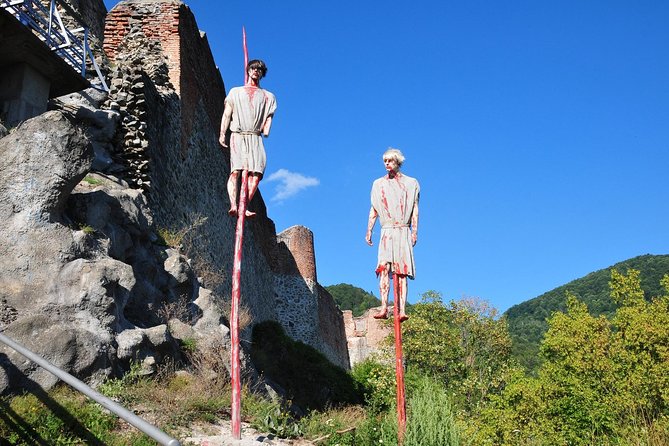
The next leg goes to Poienari Castle, the ruins of Vlad’s older fortress. Even if the stones are weathered, the location helps you understand the strategy behind the legend: high ground, defensible terrain, and a fortress that looks like it’s built to be hard to reach.
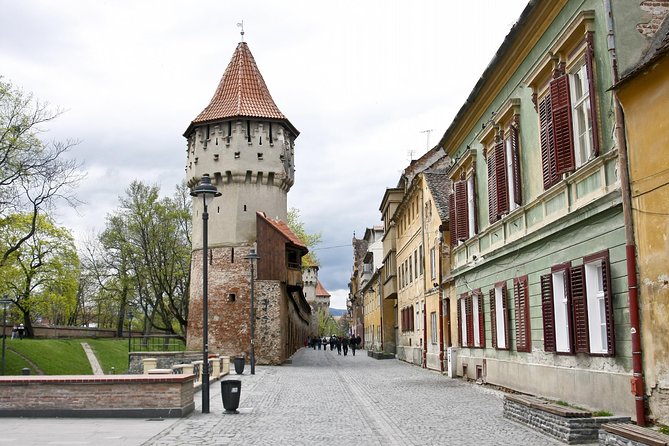
In the evening, you shift to Sibiu, where you tour the fortified town. This is one of those “you’ll notice the difference” days: Sibiu doesn’t feel like Dracula fiction. It feels like Central European city life—walls, streets, and a built environment shaped by centuries of defense and trade. The tour also keeps it workable with an included stay and time to get your bearings.
Day 3: Corvin Castle and Turda Salt Mine’s vampire-themed dinner
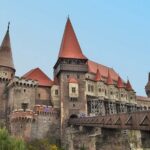
This is a strong day for atmosphere. First up: Corvinesti / Castelul Corvinilor (Corvin Castle), described as Romania’s greatest Gothic-style castle. If you like architecture, this is the kind of stop where you’ll get a lot from a good guide pointing out what makes the building feel so unusual in this region.
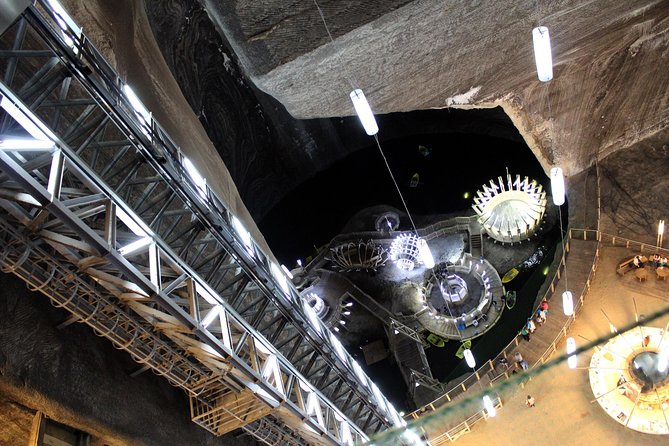
Then comes Salina Turda, the Salt Mines of Turda, where you literally descend into an underground world. The tour also includes a dinner in a vampire menu style there, which is exactly the kind of “the theme fits the setting” moment that works better than a random restaurant stop.
Practical note: with a mine day, you’ll want to plan for cool, damp conditions underground—bring layers even in warm months. The inclusion of the mine visit helps you avoid surprise add-ons later.
Worth a look before you lock in this Bucharest tour:

Day 4: Cluj-Napoca medieval stops and the Harker-style countryside drive
Day 4 is about breaking up the Dracula intensity with city texture and a novelist’s-route vibe. You drive to Cluj-Napoca for a city tour focused on medieval architecture, including Saint Andrew’s Cathedral. If you’re chasing the “how did this region look in the past” feeling, Cluj gives you that in an easy, guided format.
The second part of the day follows the trail of Jonathan Harker from Dracula, stopping in the general area near Bistrița by Borgo Pass. Even without treating the novel as history, this is a fun way to keep the story thread moving while you still absorb real geography.
This day is also a reminder of what a coach tour does best: you get scenic travel time with fewer logistics headaches.
Day 5: Sighisoara’s UNESCO citadel and the Clock Tower
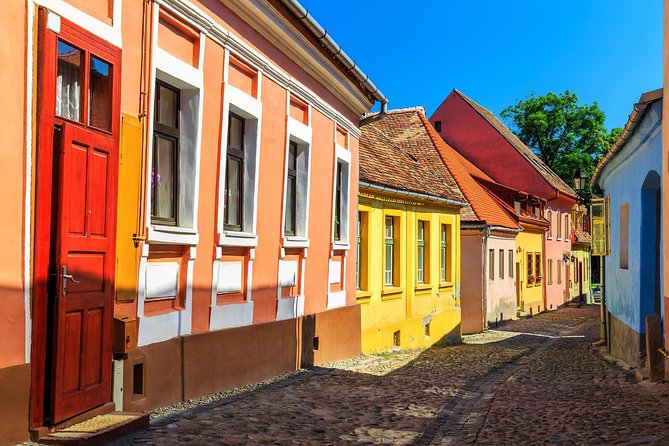
On Day 5, you move to Sighisoara, a UNESCO World Heritage Site, with the medieval citadel as the centerpiece. The citadel is the kind of place where your eyes do the work—towers, ramparts, and streets that feel built for walking slowly and looking up.
The tour includes time for Sighisoara’s Clock Tower (Turnul cu Ceas). It’s a very “you’re inside the system” kind of structure: not just a view, but a reminder that timekeeping and civic power were tied to daily life. If you’re the type who enjoys cities more than castles, this is one of the best days for you.
And from a comfort standpoint, it’s a calmer-feeling day compared to “castle + mine + big drive” energy, which helps the week stay enjoyable rather than exhausting.
Day 6: Bran Castle and Brasov’s medieval defenses
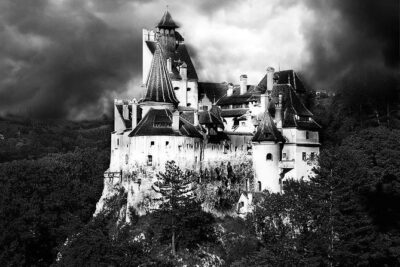
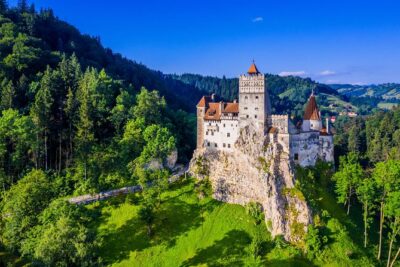
This is the day most people picture first: Bran Castle, commonly branded as Dracula’s Castle. You’ll spend time exploring it, and the guide will help you place the fame in context—what’s myth, what’s storytelling, and what the building itself can actually tell you.
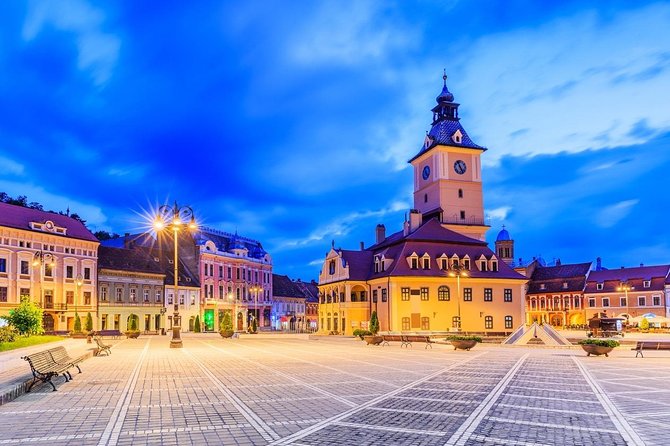
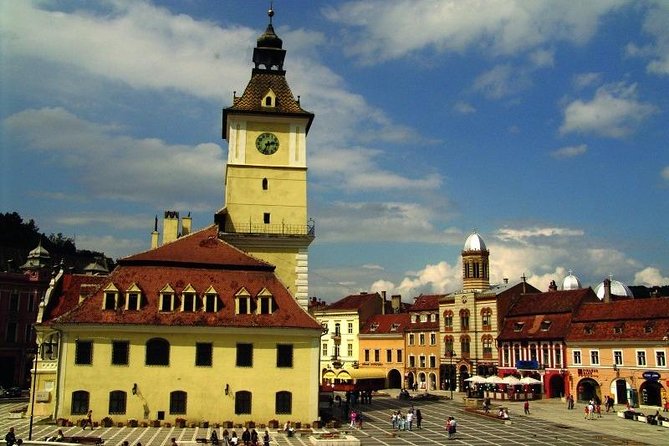
After Bran, you head to Brasov for its historical center. The focus is on the city’s defense story, including fortifications built between the 15th and 17th centuries. That shift matters. Instead of treating the Dracula legend as the whole point, you see how the region’s history shaped what people feared, built, and remembered.
If you’re worried about overhyping, keep it practical: take Bran as a cultural stop, then let Brasov do the heavy lifting for real medieval urban history.
Day 7: Peles Palace, Vlad Tepes’s old court at Targoviste, and back to Bucharest
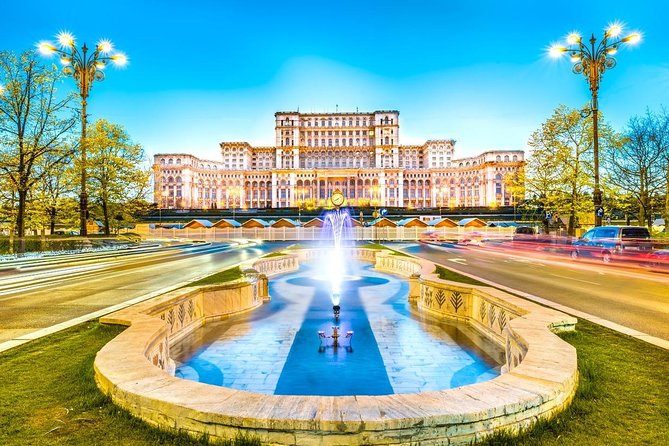
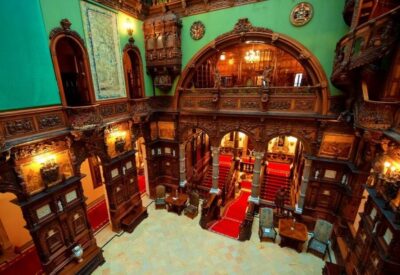
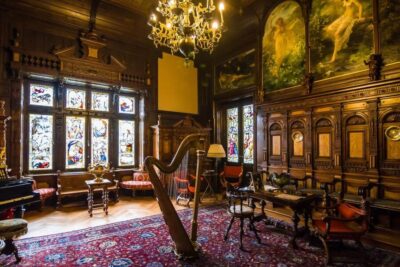
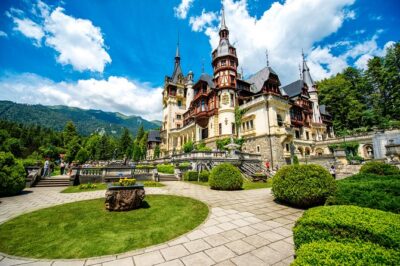
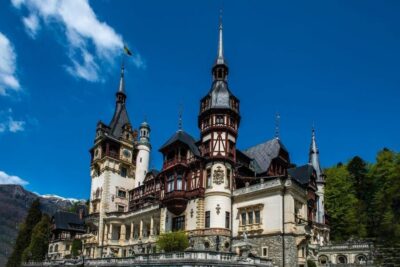
Your final day blends royal grandeur with a return to Vlad-linked political history. You drive to Sinaia for Peles Castle, the main attraction, known for its royal feel and high craftsmanship. It’s a different mood from the dark-lore stops—more “court life and power,” less “monster story.”
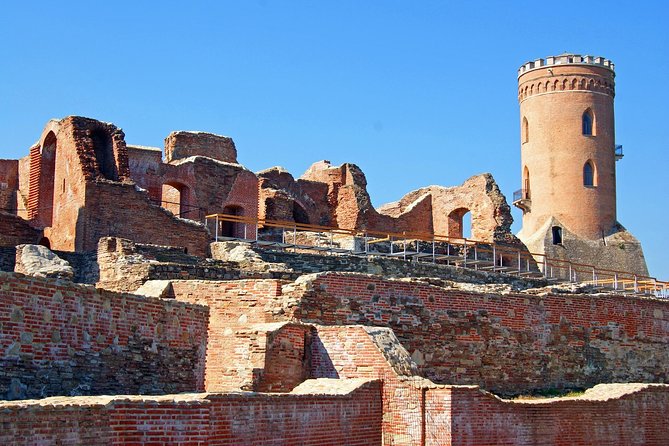
Then you continue to Targoviste, where you see the ruins of Vlad Tepes’s old court and learn it was once the former capital of Valahia. The day ends with a late arrival back in Bucharest (the tour mentions arrival after 7:00 pm based on timing), with drop-off back around 5:00–7:00 pm depending on the day’s flow.
This ending works well because it gives you closure: the Dracula thread ties back to where authority lived, not just where legends were told.
Price and value: what $1,685.87 buys you for 7 days
The price—$1,685.87 per person—might look steep until you see what’s included. You’re not just buying a few tickets to famous sites. The package covers:
- English-speaking guide services
- Hotel stays split between 3 nights in 4-star hotels and 3 nights in 3-star hotels, all described as centrally located
- 6 breakfasts and 2 dinners (including a welcome dinner and a vampire-menu dinner in Turda)
- Major entry fees (Snagov Monastery, Tirgoviste citadel, Peles Palace, Bran Castle, plus Salt Mine in Turda, Poienari Citadel, and Corvin Castle)
- In-tour transportation by air-conditioned vehicle when needed
For many independent travelers, the hidden cost isn’t tickets—it’s time, transport, and juggling reservations. Here, those costs are bundled, and that’s usually where the value lands for a multi-day route like this.
Hotels, meals, and pacing: how the week feels day to day
You’ll spend nights in centrally located hotels: 3 nights in 4-star and 3 nights in 3-star. That matters because “central” reduces the need for extra local transit after a long day. It also helps you handle the final day well, since you’re returning to Bucharest late and don’t want to be far from dinner or your base.
Meals are partially included: 6 breakfasts keep mornings simple, and the two dinners add a special touch on Day 1 and in Turda. If you want to eat well during the week without guessing where to go, this coverage helps a lot.
As for pacing, expect days that start early enough to keep sight time tight and transport time manageable. The schedule is designed to keep moving, which is great if you like efficiency, but it can feel full if you prefer lots of downtime.
The guide factor: separating fiction from context
This kind of tour lives or dies on the guide’s ability to make the legends understandable without sanding off the mystery. One review specifically praised a guide named Robert for giving substantial information, answering questions knowledgeably, and keeping the week engaging.
I’d look for that in your own expectations, too. Your best payoff comes when you treat the Dracula story as a starting point. Ask how legends travel, why certain places became symbols, and how medieval politics shaped what people remembered.
If you want a tour that gives you Dracula fun and context, this is a good match. The guide framework is what keeps the week from turning into a checklist.
Practical tips that help on this route
A few things will make the week easier:
- Wear shoes you can trust for uneven ground at ruins like Poienari and for walking in medieval streets like Sighisoara.
- Bring layers for Turda Salt Mine—mines tend to feel cooler and damp even when it’s warm outside.
- The tour offers a mobile ticket, but it also notes you can present a paper or electronic voucher, so save your confirmation either way.
- Vegetarian option is available if you request it at booking.
- The special Ritual of Killing of a Living Dead runs for groups of at least 4 travelers, so if you’re traveling as a smaller party, double-check how that affects your specific departure.
Should you book this Dracula tour?
Book it if you want a one-week route that mixes iconic Dracula stops with real medieval cities, uses included entry fees, and keeps logistics simple with transfers and a guide. The value is strongest when you’d otherwise spend time arranging transportation and tickets for a multi-day Transylvania run.
Skip it or approach with caution if you hate a busy schedule or you’re mainly chasing the vibe of Dracula with minimal history. Also note the special event depends on group size, so plan for the possibility that the timing depends on how your departure forms.
If you’re flexible and you like your horror with context, this tour is the kind you’ll remember: castle silhouettes, salt-mined darkness, and a week where the legends make sense because you’ve seen the world that shaped them.
FAQ
Where does the tour start in Bucharest?
It starts at MOXA Bucharest Boutique Hotel at 129 Calea Victoriei Corner 2-4 Mihail Moxa Str, Bucharest 010962, Romania, with a start time of 10:00 am.
Is pickup included from my hotel?
Pickup is included, and the tour notes hotel pickup at Moxa Boutique Hotel.
What’s included with the tour ticket?
The tour includes English-speaking guide services, round-trip transfers within the tour by coach/minibus/car (air-conditioned depending on group size), hotel stays, selected meals, and entry fees for specified attractions and activities.
Are meals included?
Yes. You get 6 breakfasts and 2 dinners: a welcome dinner and a dinner with vampire menu in Turda.
What is the Ritual of Killing of a Living Dead, and when does it happen?
The tour includes a Special Event: The Ritual of Killing of a Living Dead in Turda. It takes place for groups of at least 4 travelers.
What’s the maximum group size?
The tour has a maximum of 50 travelers.
More 7-Day Experiences in Bucharest
- 4×4 Driving Experience at Flying Altitudes – 7 Days
★ 5.0 · 13 reviews - 7-Day Private Tour of Transylvania from Bucharest
★ 5.0 · 13 reviews - Transylvanian week
★ 5.0 · 7 reviews - 7-Day Romania Tour -Transylvania and Painted Churches
★ 5.0 · 7 reviews - Amazing Romania – Seven day private tour from Bucharest
★ 5.0 · 7 reviews - 7 days Private Romania Grand Tour from Bucharest
★ 5.0 · 6 reviews
More Tour Reviews in Bucharest
- Bucharest: Dracula’s Castle, Peles Castle, & Brasov Old Town
★ 4.5 · 17,858 reviews - Bucharest: Dracula Castle, Peles Castle & Brasov Old Town
★ 4.6 · 10,891 reviews - Bucharest: Dracula’s Castle, Peleș Castle & Brașov Day Trip
★ 4.4 · 6,100 reviews - Bucharest: Palace of Parliament Tickets and Guide
★ 4.3 · 3,182 reviews - Bucharest: Day Trip to Dracula Castle, Peles Castle & Brașov
★ 4.4 · 3,049 reviews - Bucharest to Dracula Castle, Peles Castle and Brasov Guided Tour
★ 4.5 · 2,933 reviews
Bran and the Dracula Trail
- Bucharest: Dracula’s Castle, Peles Castle, & Brasov Old Town
★ 4.5 · 17,858 reviews - Bucharest: Dracula Castle, Peles Castle & Brasov Old Town
★ 4.6 · 10,891 reviews - Bucharest: Dracula’s Castle, Peleș Castle & Brașov Day Trip
★ 4.4 · 6,100 reviews - Bucharest: Day Trip to Dracula Castle, Peles Castle & Brașov
★ 4.4 · 3,049 reviews - Bucharest to Dracula Castle, Peles Castle and Brasov Guided Tour
★ 4.5 · 2,933 reviews - Dracula’s Castle, Peles Castle and Brasov Day Trip from Bucharest
★ 4.5 · 1,804 reviews
Just In: The Latest Bucharest Reviews


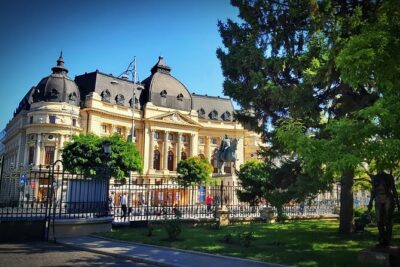
Dracula & Bran Castle Day Trips, compared.
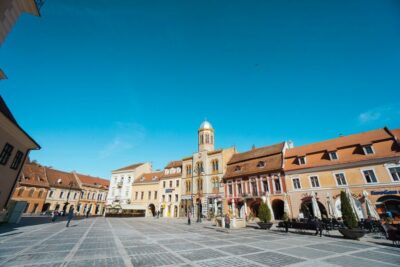 ★ 4.5Dracula’s Castle, Peles Castle, & Brasov Old TownFrom $4017,858 reviews
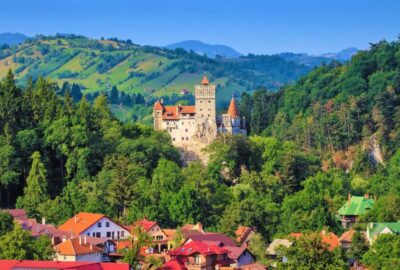 ★ 4.6Dracula Castle, Peles Castle & Brasov Old TownFrom $4010,891 reviews
 ★ 4.4Dracula’s Castle, Peleș Castle & Brașov Day TripFrom $366,100 reviews
 ★ 4.4Day Trip to Dracula Castle, Peles Castle & BrașovFrom $453,049 reviews
 ★ 4.5Bucharest to Dracula Castle, Peles Castle and Brasov Guided TourFrom $332,933 reviews
 ★ 4.5Dracula’s Castle, Peles Castle and Brasov Day Trip from BucharestFrom $331,804 reviews
 ★ 4.5Transylvania and Dracula Castle Full Day Tour from BucharestFrom $351,589 reviews
 ★ 4.5From Bucharest: Brasov Peles & Dracula’s Castle Day TourFrom $651,244 reviews
Browse the lists this tour appears in