
REVIEW · COMMUNISM & CEAUșESCU TOURS
6h Bucharest Communism Private Tour – Ceausescu Mainson
Communism in Bucharest hits in person. This private tour strings together the big power symbols and the daily-life clues, so you can make sense of what Romania lived through under Nicolae Ceaușescu. You’ll spend about 6 to 7 hours moving between key stops, with real context at each one, not just photo stops.
Two things I like a lot: I love having a named, English-speaking guide (Nicolas) who keeps the story clear and practical, and I also like that the private car means you’re not squeezed into other schedules or other people’s priorities. There’s also flexibility during the day, so the plan can adjust if your timing needs it.
One thing to keep in mind: the tour price does not include most entrances, and you should budget about 20 euro per person for tourist attraction tickets. Food and drinks aren’t included either, so plan a snack break if you don’t want to run on empty.
In This Review
- Key Highlights You’ll Actually Feel
- The Real Value: Private Car, Real Flexibility, Real Control
- Palace of Parliament, People’s House, and Why Power Looks Like This
- National Village Museum (Dimitrie Gusti): Romanian Life Before the Party Script
- Calea Victoriei and Piața Revoluției: A Day With Contrasts
- Ceaușescu Mansion: The Private Side of a Public Regime
- Patriarhia Cathedral: Faith, Civic Life, and a Cappella Sound
- Price and Budget: What $197.81 Per Person Really Covers
- Timing: How to Prepare for a 6 to 7 Hour Day
- Who This Tour Fits Best (and Who Might Skip It)
- Should You Book This Bucharest Communism Tour?
- FAQ
- How long is the Bucharest Communism Private Tour?
- Is pickup offered?
- Is this tour private for my group only?
- Are entrance fees included?
- Which stops are free to enter?
- Do you provide a guide and is the language English?
- Can I cancel for free?
Key Highlights You’ll Actually Feel
- Nicolas guides in English throughout, with a licensed driver/guide in your own private vehicle.
- Palace of Parliament (People’s House) is treated as a lesson in how totalitarian power warps a nation.
- National Village Museum (Dimitrie Gusti) gives you a side of Romania that wasn’t built by the party.
- Piața Revoluției connects directly to the Romanian Revolution in December 1989.
- Ceaușescu Mansion focuses on the family side of the regime, not just the politics.
- Patriarhia Cathedral is a functioning church site, with the liturgy known for a cappella choir.
The communist decades, walked and explained
- The Real tour of Communism★ 5.0 · 666 reviews
- Life under Communism★ 5.0 · 358 reviews
- 3-Hour Guided Tour of Communist Bucharest★ 4.9 · 303 reviews
- Bucharest: Parliament, Ceausescu House & Village Museum Tour★ 5.0 · 208 reviews
The Real Value: Private Car, Real Flexibility, Real Control
This is a private tour in the true sense: you’re traveling in a car (tourism car or minibus) just for your group of friends or family. That matters in Bucharest. Distances and traffic can make a group tour feel like a constant wait, but here your guide has room to keep things smooth.
I also appreciate the flexibility. The route can change even after the start of the tour, which is useful when a building takes longer than expected, or when you want more time at one stop because a topic clicks for you. On a communism-focused day, that kind of control helps you turn facts into understanding instead of rushing.
And yes, you can expect pickup if that’s arranged. That simple convenience is a big deal on a long day when you want your energy for the sites, not for figuring out where the meeting point is.
Palace of Parliament, People’s House, and Why Power Looks Like This
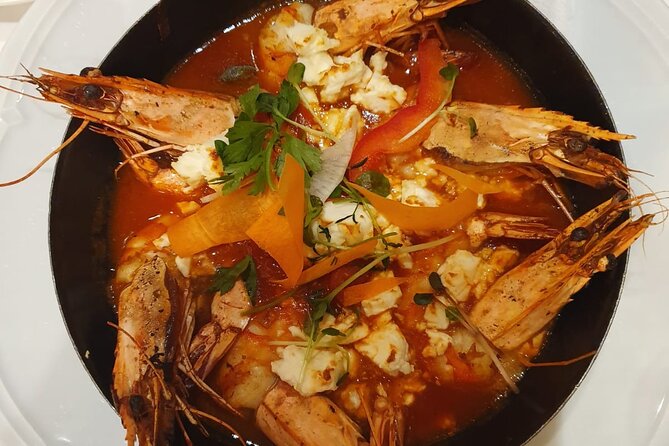
The day centers on the Palace of Parliament (often called the People’s House). You’ll spend about 2 hours here, and the guide frames it as more than architecture. The key idea is how dangerous a totalitarian regime can be for a nation—and how opulence can become a kind of public lie.
This building is massive. The tour description points out it’s the second largest administrative building on the planet after the Pentagon, which gives you scale fast. When you stand there, it becomes easier to understand why critics connect it to megalomania and the idea that reason can sleep when power goes unchecked. It’s not subtle. That’s the point.
A practical note: the entrance ticket isn’t included, so you’ll want to budget for it. If you’re someone who likes to take your time and ask questions, this stop is the one that rewards patience. If you only want quick exterior photos, you may feel the time is long—but for most people, it’s the anchor of the story.
National Village Museum (Dimitrie Gusti): Romanian Life Before the Party Script
After the state-sized monument, you shift gears to something more human: the National Village Museum Dimitrie Gusti. You’ll have about 1 hour here.
What I like about this stop is that it shows Romanian traditions and everyday life in one place, without turning the day into pure doom-and-gloom. The tour emphasizes how villagers built a more sustainable, ecological environment around their homes. You’re also meant to understand a lifestyle shaped by community and by living with the surroundings instead of controlling them.
This museum visit is a smart counterweight. After seeing what the regime spent and built, you get a glimpse of what life looked like when the goal wasn’t domination. Even if you don’t know the history in advance, you’ll feel the difference between a political machine and a culture that survived by adapting.
Again, the entrance ticket isn’t included, so plan for that budget. Also, if you’re sensitive to long indoor walks, wear comfortable shoes. Museums like this reward steady walking more than quick pacing.
Calea Victoriei and Piața Revoluției: A Day With Contrasts
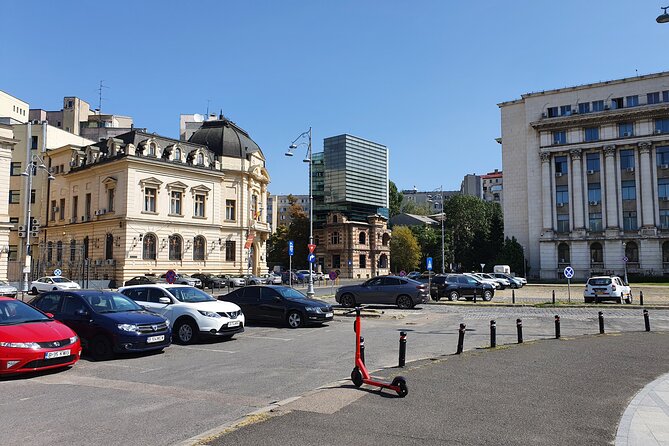
Between the big-ticket landmarks, you get two shorter stops designed to give your brain a map.
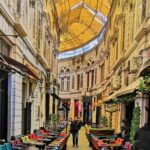
First comes Calea Victoriei (Victory Avenue) for about 45 minutes. The idea here is contrast: you’ll see communism-era buildings along the boulevard, but you can also spot French-style architecture mixed into the city. That blend helps you understand how Bucharest doesn’t flatten into one single look, even when politics tried to steer society.
This is also a good pause for your senses. After two heavy stops (Palace of Parliament and the village museum), your feet get a breather and your mind gets room to notice details. Plus, the stop is listed as free for admission, so you’re spending time with the city rather than money on tickets.
Then you head to Piața Revoluției, also for about 45 minutes. This is presented as one of the key places tied to the Romanian Revolution in December 1989. It’s one of those moments where history moves from a textbook timeline into a physical location you can stand in and imagine.
The admission is free for this stop too. So you’re getting high-impact context without paying extra. For many people, this is where the day starts to feel like a connected story: power, everyday life, then the break that changed everything.
Only your group, at your own speed

Ceaușescu Mansion: The Private Side of a Public Regime
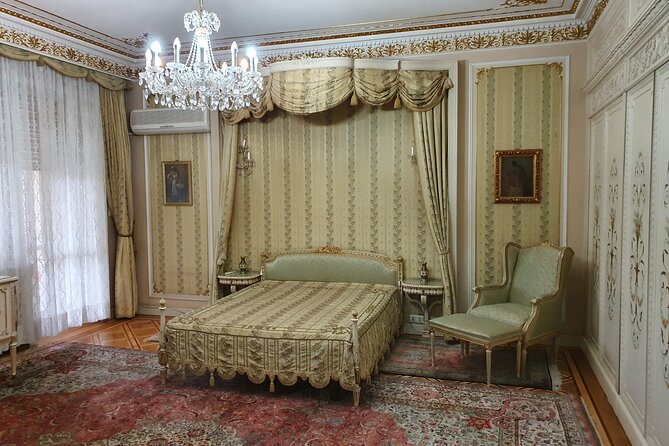
Now you get to the stop that makes the regime feel close, almost too close: the Ceaușescu Mansion. You’ll spend about 1 hour 30 minutes here.
The tour description is specific: it was the private residence of Nicolae and Elena Ceaușescu and their children, Nicu, Zoia, and Valentin, for roughly a quarter century (1965 to 1989). That timeline matters. When you sit with it, you can see how long a family controlled the state narrative—long enough that the comfort of the private life became part of the public system around it.
This is where I think the tour offers real value: it doesn’t only talk about ideology in the abstract. It nudges you toward the question of power and privilege, and how those two things can coexist with a nation paying the cost. You’re meant to connect the feeling of opulence to what it meant for everyone else.
Entrance tickets aren’t included here, so budget accordingly. If you prefer guided pacing over wandering on your own, this timing works well. Ninety minutes lets you absorb rooms and explanations without turning it into a sprint.
Patriarhia Cathedral: Faith, Civic Life, and a Cappella Sound

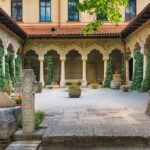
The final major stop is Catedrala Patriarhala (also called the Romanian Orthodox Patriarchal Cathedral). You’ll have about 45 minutes, and the big detail is that it’s not a museum piece. It’s a functioning religious and civic landmark in Bucharest, located on Dealul Mitropoliei.
The description notes it’s near the Palace of the Chamber of Deputies of the Patriarchate of the Romanian Orthodox Church, and it serves as a site for religious holidays and observances. It even mentions a Palm Sunday pilgrimage, which gives you a sense that this is an active part of community life, not just an architectural stop.
There’s also a musical note worth paying attention to: the Orthodox Divine Liturgy at the cathedral is known for a cappella choir singing, a common practice shared across Orthodox churches. If you hear singing during your visit, it can feel like a palate cleanser after the day’s heavy political themes. Even without that, you’ll walk away with a better sense of how religious institutions can be both spiritual anchors and public landmarks.
Entrance tickets aren’t included here either, so you’ll want to keep your budget in mind.
Price and Budget: What $197.81 Per Person Really Covers

The price is $197.81 per person, and the structure is pretty clear about what you get. You’re paying for the private car, all car expenses (gasoline, parking, road tolls), taxes, and a private licensed English-speaking guide/driver. You also get flexibility to adjust the itinerary after it starts.
Where the extra cost comes in is entrances. The tour notes entrance fees are not included, and it suggests budgeting about 20 euro per person for tourist attraction tickets. You’ll also want to plan for food and drinks, since neither is included.
So is it good value? For me, it is when you want a guided day focused on meaning, not just sightseeing. A private communism tour can go either way: some are dry or too general. Here, the stops are chosen to explain how a regime affects both monumental spaces and everyday life. And because it’s private, your guide can keep your pace without waiting on anyone else.
If you’re traveling solo and don’t want to spend much, a group or self-guided route might save money. But if you care about understanding the story as you move through the city, paying for the guide and transport is usually worth it in Bucharest.
Timing: How to Prepare for a 6 to 7 Hour Day
Expect about 6 to 7 hours total with these time blocks: roughly 2 hours at the Palace of Parliament, 1 hour at the National Village Museum, 45 minutes at Calea Victoriei, 45 minutes at Piața Revoluției, 1 hour 30 minutes at Ceaușescu Mansion, and 45 minutes at Patriarhia Cathedral.
That’s a full day with a steady rhythm. You’ll want to start hydrated and with a light plan for lunch or snacks, because food isn’t provided. I’d also bring a small layer—churches and big interior buildings can feel cooler than you expect.
Also, keep an eye on your phone if you like the convenience of a mobile ticket. Since the tour includes mobile tickets, you’ll be less likely to deal with paperwork at each stop.
Who This Tour Fits Best (and Who Might Skip It)
This tour is a strong match if you want a guided, structured understanding of Romanian communism and the revolution that followed. The choice of stops connects ideology, architecture, daily life, revolution space, and the private residence of the leadership. It’s a “story in pieces” approach, and it works well when you enjoy learning while walking.
It’s also a good fit for small groups—families, friends, or couples—because it stays private and flexible. And if you need service animals, the tour notes they’re allowed.
Who might not love it? If your interest is mostly casual sightseeing, you may find that the topics get intense. Also, if you hate ticket-related budgeting, you’ll have to be comfortable adding around 20 euro per person for entrances.
Should You Book This Bucharest Communism Tour?
I’d book it if you want to understand how communism reshaped Bucharest beyond slogans. The tour doesn’t just point at famous buildings. It connects the Palace of Parliament and Ceaușescu Mansion to the human cost, then balances that with the National Village Museum so you see Romanian life in a broader frame.
Also, I like that the guide is Nicolas, with a reputation in the style of the day that comes through as polite and professional. On a topic this heavy, that tone matters. You get structure, and you don’t feel like you’re being pushed through a checklist.
If you do book, come prepared: comfortable shoes, a snack plan, and your ticket budget in mind. Do that, and you’ll finish the day with a much clearer picture of Romania in the communist era and what changed in 1989.
FAQ
How long is the Bucharest Communism Private Tour?
It runs about 6 to 7 hours.
Is pickup offered?
Yes, pickup is offered.
Is this tour private for my group only?
Yes. It’s a private tour/activity, and only your group participates.
Are entrance fees included?
No. Entrance fees are not included, and the tour notes about 20 euro per person for tourist attraction tickets.
Which stops are free to enter?
Calea Victoriei and Piața Revoluției are listed as free for admission.
Do you provide a guide and is the language English?
Yes. You get a private, licensed English speaking guide/driver available throughout the tour.
Can I cancel for free?
Yes. You can cancel up to 24 hours in advance for a full refund. If you cancel within 24 hours, it isn’t refunded.
More Tour Reviews in Bucharest
- Bucharest: Dracula’s Castle, Peles Castle, & Brasov Old Town
★ 4.5 · 17,858 reviews - Bucharest: Dracula Castle, Peles Castle & Brasov Old Town
★ 4.6 · 10,891 reviews - Bucharest: Dracula’s Castle, Peleș Castle & Brașov Day Trip
★ 4.4 · 6,100 reviews - Bucharest: Palace of Parliament Tickets and Guide
★ 4.3 · 3,182 reviews - Bucharest: Day Trip to Dracula Castle, Peles Castle & Brașov
★ 4.4 · 3,049 reviews - Bucharest to Dracula Castle, Peles Castle and Brasov Guided Tour
★ 4.5 · 2,933 reviews
Just the Party You Came With: More Private Days
- Castles of Transylvania: Private Day Trip from Bucharest
★ 4.5 · 248 reviews - Dracula’s Castle, Peles Castle and Brasov – Private Day Trip from Bucharest
★ 5.0 · 211 reviews - Best of Bucharest | Private Walking Tour
★ 5.0 · 199 reviews - Bucharest Panoramic Sightseeing – Private City Tour
★ 5.0 · 128 reviews - THERME “Take It Easy” Pack: Full Spa Access + Private Transfers
★ 4.0 · 117 reviews - 4h Bucharest Private Tour (2h by Car and 2h Walking in Old Town)
★ 5.0 · 90 reviews
The Communist Years, Up Close
- Bucharest: Communism and History Guided City Walking Tour
★ 4.9 · 918 reviews - The Real tour of Communism
★ 5.0 · 666 reviews - Life under Communism
★ 5.0 · 358 reviews - 3-Hour Guided Tour of Communist Bucharest
★ 4.9 · 303 reviews - Bucharest: Parliament, Ceausescu House & Village Museum Tour
★ 5.0 · 208 reviews - Bucharest Essential Tour: Old Town, Calea Victoriei & Communism
★ 5.0 · 142 reviews
Just In: The Latest Bucharest Reviews

Communism & Ceaușescu Tours, compared.
 ★ 4.9Communism and History Guided City Walking TourFrom $31918 reviews
 ★ 5.0The Real tour of CommunismFrom $32666 reviews
 ★ 5.0Life under CommunismFrom $42358 reviews
 ★ 4.93-Hour Guided Tour of Communist BucharestFrom $29303 reviews
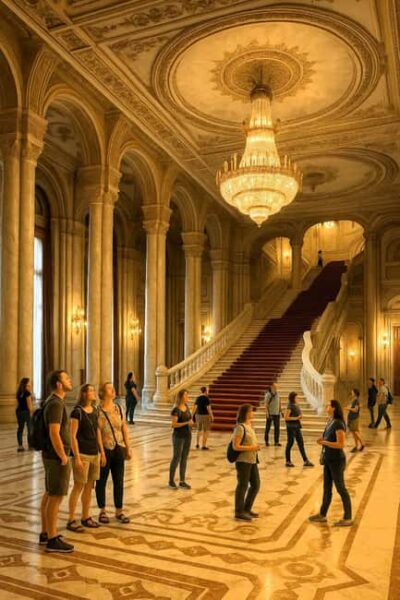 ★ 5.0Parliament, Ceausescu House & Village Museum TourFrom $1208 reviews
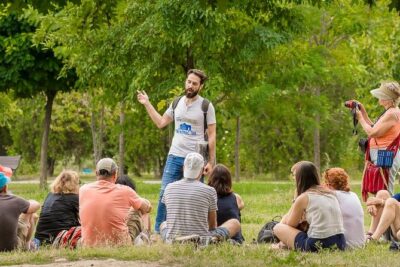 ★ 5.0Bucharest Essential Tour: Old Town, Calea Victoriei & CommunismFrom $24142 reviews
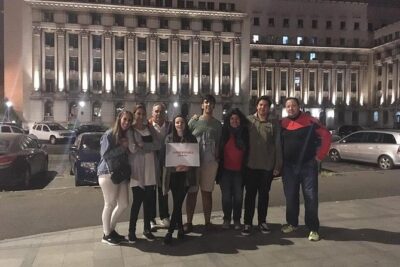 ★ 5.0Communism in Bucharest – Landmarks, Museum & Communist AppetizersFrom $48111 reviews
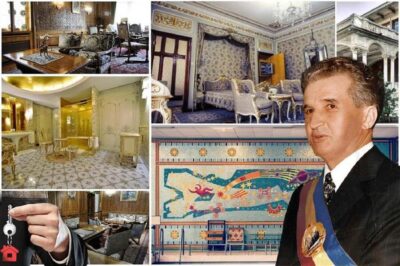 ★ 4.9Palace of Parliament, Ceausescu House & Village MuseumFrom $186 reviews
Browse the lists this tour appears in