
REVIEW · BUCHAREST MUSEUMS
MINA Museum of Immersive New Art, Bucharest
360-degree light shows in a former computer factory. I love the 360° projections that turn the walls and floor into moving digital scenes, and I also like that MINA makes room for families and kids, not just art-watchers. One thing to keep in mind: the shows can be intense, with rapidly changing images, loud sounds, and strong lighting that may not suit everyone.
You’re walking into Romania’s first immersive art space and the biggest new media art center in Southeastern Europe, spread over 2,500 m². The building itself adds fun context: this is a former computer factory, now reinvented as a cultural hub where technology is the medium, not the background.
The experience is designed to feel sensory and immediate, so you won’t get a quiet, sit-still museum vibe here. If you’re sensitive to visual flicker or sound, read the warnings closely before booking, especially for the immersive halls.
In This Review
- Key things to know before you go
- Walking into MINA: Bucharest’s former computer factory turned art space
- The two 360° projection halls: how the experience plays out
- MINA Kids: the play area that turns tech into hands-on fun
- Time slots, the 10+ rule, and why it affects your day plan
- Audio guide and language options: make the art easier to follow
- Who should go (and who should not): the health warnings are not small
- Practical visit tips: tickets, parking, and staying comfortable
- Value check: is MINA worth your time?
- Should you book MINA? My straight answer
- FAQ
- How long is the MINA Museum visit?
- Where is MINA Museum of Immersive New Art located?
- What areas are inside the museum?
- Are the immersive halls suitable for everyone?
- What languages are available for the audio guide?
- Are wheelchair access needs supported?
- Do kids need supervision in the play area?
- What are the time-slot rules for ages 10+?
- Is parking available?
- Are tickets valid for any day or time?
- Is there free cancellation?
Key things to know before you go
- Former computer factory setting makes the tech-art story feel real, not decorative
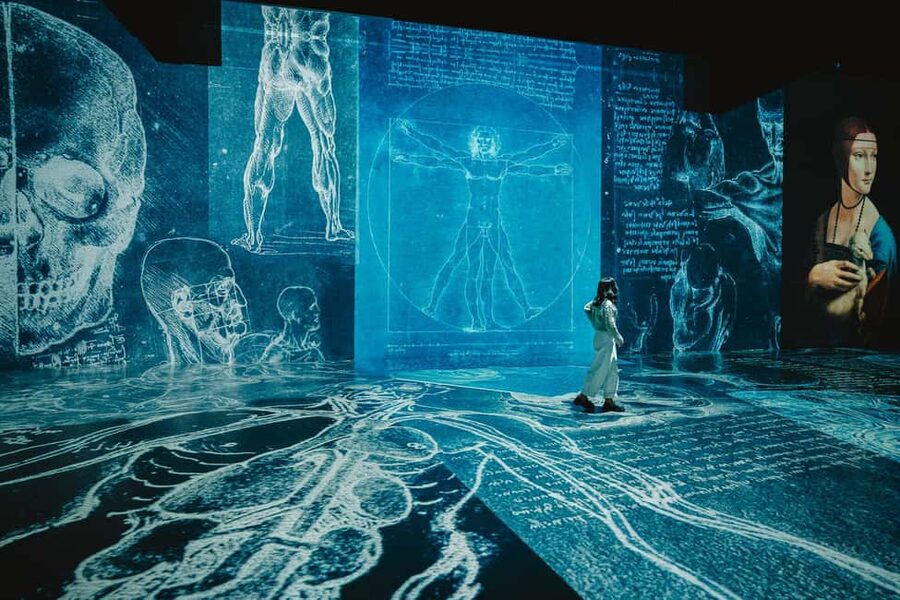
- Two big 360° halls let the visuals wrap around you on walls and floors
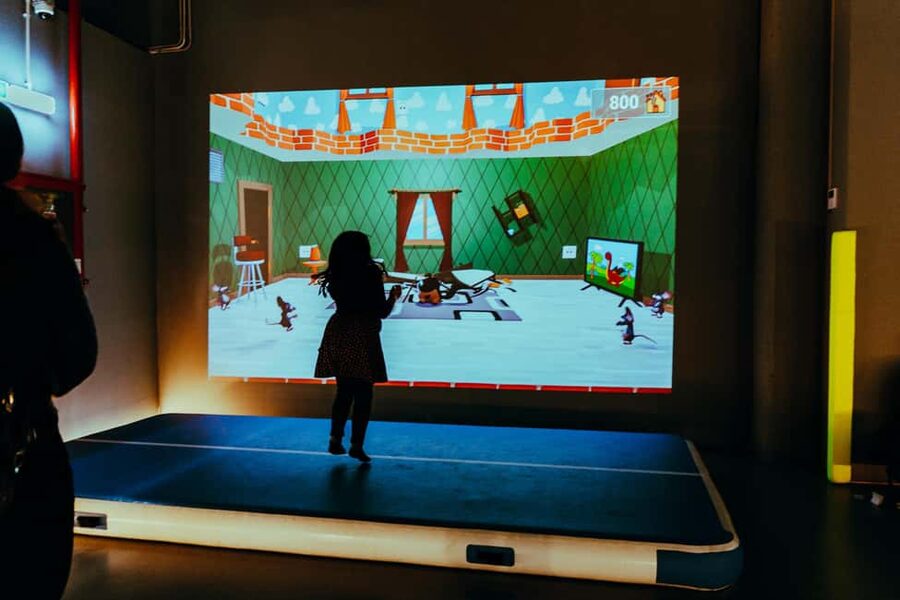
- MINA Kids play area uses light, sound, and motion for a hands-on family break
- Last two time slots are 10+ reserved for adults and children aged 10+ in the immersive halls
- Optional audio guide in Romanian and English helps you keep up with what you’re seeing
- Not for vertigo or epilepsy due to intense lighting and rapidly changing visuals
More Bucharest halls, out of the weather
- Bucharest: Parliament, Ceausescu House & Village Museum Tour★ 5.0 · 208 reviews
- Communism in Bucharest – Landmarks, Museum & Communist Appetizers★ 5.0 · 111 reviews
- Bucharest: Entry ticket at the Museum of Communism★ 4.6 · 57 reviews
- Bucharest: Reptiland Bucharest Entry Ticket★ 4.6 · 56 reviews
Walking into MINA: Bucharest’s former computer factory turned art space
MINA is the kind of place that makes you recalibrate your expectations fast. Instead of classic paintings lined up in white rooms, you enter a building with an industrial past and let digital art do the talking. It’s in Bucharest-Ilfov, and the coordinates put you in the right zone for a straightforward visit: 44.478843688964844, 26.117155075073242.
The museum covers about 2,500 m², so this isn’t a quick photo stop. You’re planning a real chunk of time for two large projection halls, plus a kid-focused play area when you want a break from the main show intensity.
What I like most is that MINA doesn’t treat technology like a gimmick. It’s built into the space and the pacing, which means you’re not just looking at screens—you’re standing inside the artwork.
The two 360° projection halls: how the experience plays out
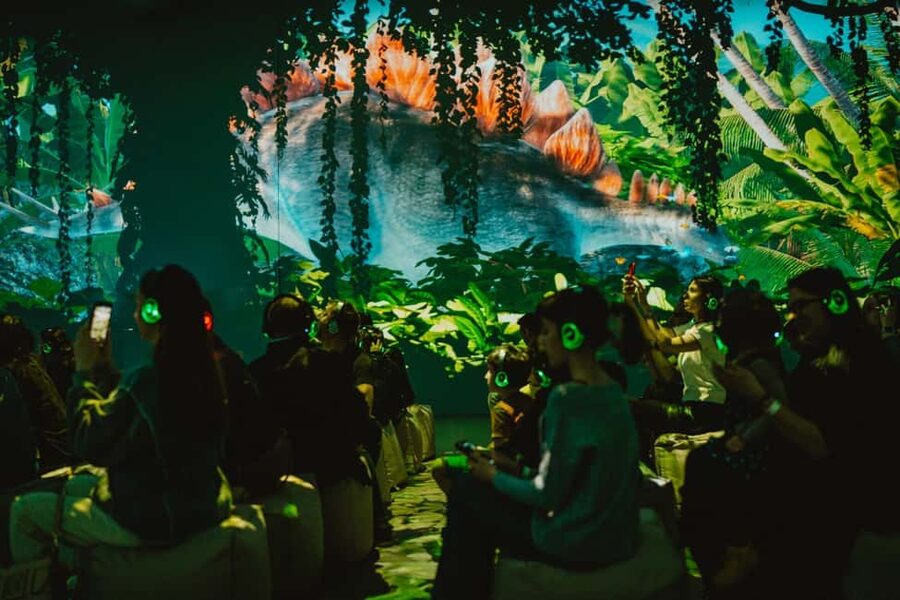
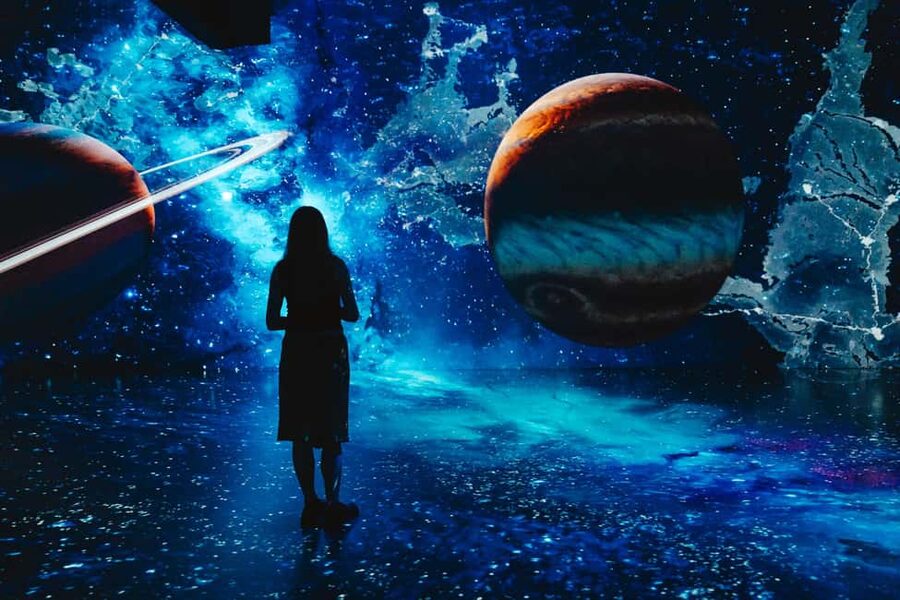
MINA’s centerpiece is its two immersive halls with 360° projections. In plain terms: the visuals are made to cover the room, so your brain reads the entire space as the artwork. That’s why it feels different from watching a movie, even though it’s the same basic idea—moving images—but with the “camera” wrapped around you.
Each hall is a sensory environment with visuals that can shift quickly. The museum is explicit about that: you’ll see rapidly changing images, plus intense lighting and loud sounds at moments. That combination is exactly what makes this style of art exciting for many people, including families, but it’s also the main reason you should take the warnings seriously.
Here’s my practical take on pacing: go in expecting to be affected. Don’t plan to multitask. If you’re the type who likes to read labels and slowly interpret, you’ll still get something here, but it’s a different rhythm—more like being in a show than browsing a gallery.
If you want an extra layer, MINA offers an optional audio guide in Romanian and English. Use it if you prefer structure; skip it if you want the art to hit you more directly. Either way, focus on how the room changes around you as you move and settle.
MINA Kids: the play area that turns tech into hands-on fun
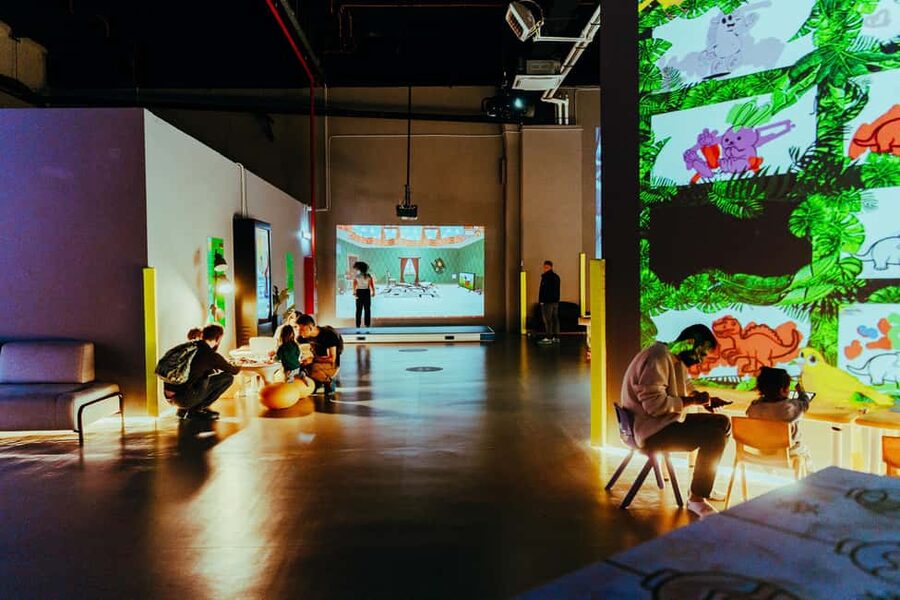
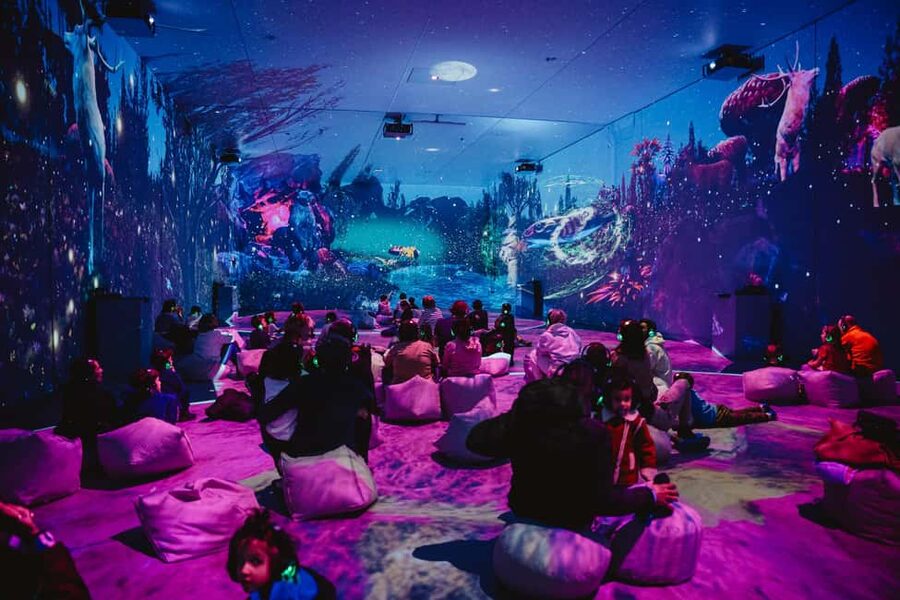
One of the strongest reasons people pick MINA is simple: kids usually have a good time. The setup supports that. Alongside the main halls, there’s a dedicated play area designed for children, with interactive installations driven by light, sound, and motion.
This section matters because it gives families options. You can go where the energy is more playful, step away from the main halls when needed, and let kids burn energy in a space built for it. One review highlights that kids love it, and the design details back that up.
There’s also a clear rule for parents and guardians: in the MINA Kids play area, children must be supervised by an accompanying adult at all times. So don’t count on the museum to babysit while you watch the projections. It’s a family environment, and supervision is part of the deal.
A small strategy that often works: do the kids play area as a reset point if the main halls feel like too much back-to-back. It keeps the day fun instead of turning into sensory overload.
Time slots, the 10+ rule, and why it affects your day plan
MINA tickets are valid only for the selected date and time slot, and the schedule is organized around age groups for the immersive halls. The museum notes a key detail: the last two time slots of the day are reserved for adults and children aged 10+.
That matters for family planning. If you’re traveling with younger kids, you’ll want to choose an earlier slot so they can join the main halls. If your children are 10 or older, any slot may work, but it’s still smart to pick based on energy levels—late-day sessions can feel louder and more intense simply because you’ve been in motion all day.
Also note that the experience is scheduled per time slot, so you should arrive with buffer time. If you show up at the last minute, you’ll feel rushed before the lights even turn on.



Audio guide and language options: make the art easier to follow

MINA offers an optional audio guide in Romanian and English. If you don’t know much about new media art, the audio can help you connect what you’re seeing to the idea behind it—how digital visuals, sound, and space interact.
If you do understand the genre, you might still use it, but treat it as a tool, not the main event. The real value of MINA is that the room changes around you. The guide shouldn’t replace that firsthand experience.
In other words: use the audio guide to steer, not to slow you down.
Who should go (and who should not): the health warnings are not small
This is the section you should read with care. The immersive experience includes rapidly changing images, moments of intense lighting, and loud sounds. The museum specifically calls out medical contraindications like epilepsy and vertigo, and it lists the experience as not suitable for people with those conditions.
If any of that applies to you or someone in your group, skip the immersive halls entirely. Even if you think you’ll be okay, strong light changes and fast visual patterns can be unpredictable in effect.
For everyone else, it’s still smart to be realistic. If you usually get motion sickness, migraines triggered by lighting, or strong stress responses to noise, plan extra breaks. Consider spending more time in the MINA Kids play area if it feels calmer, and step out when the lights and sound spike.
Practical visit tips: tickets, parking, and staying comfortable
MINA is wheelchair accessible, which is a plus for accessibility planning. That said, the immersive halls have the warning signs for medical sensitivity, so accessibility needs can be both physical and sensory at the same time.
Parking: there is private parking in front of the museum, but it is not managed by MINA, so you can’t assume a guaranteed spot. If you’re driving, plan like parking is a maybe, not a yes.
Meeting point can vary depending on the option you book. Since you’re working with time slots and entry windows, I’d treat “meet” as a real instruction, not a suggestion. If you arrive late, you can end up waiting while your group misses the intended start moment.
Clothing-wise, you’re standing inside light and sound environments. Wear something you can tolerate through a show that may include sudden brightness. Bring a basic layer if you’re sensitive to temperature changes in indoor venues.
Value check: is MINA worth your time?
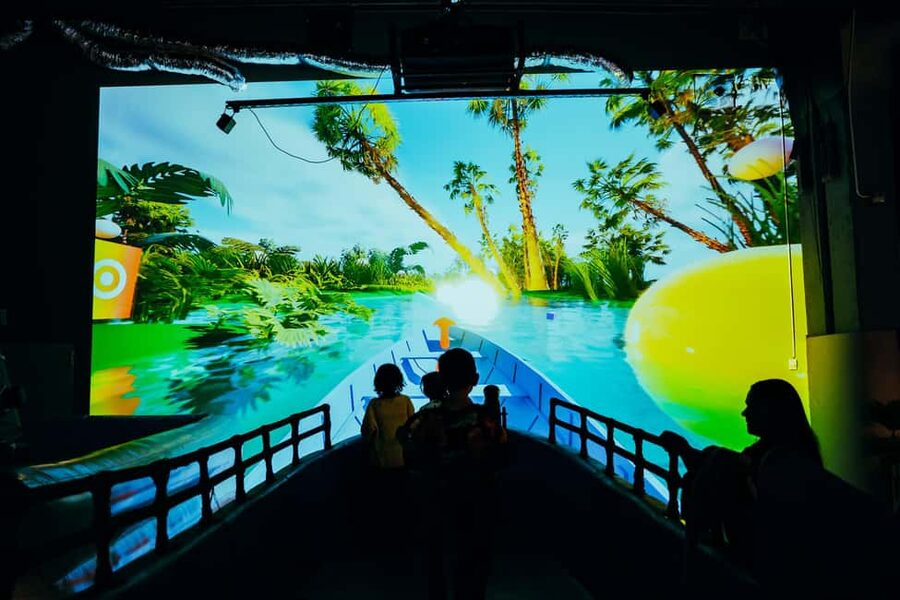
MINA is not trying to be a quiet museum. It’s built as an experience, with two major projection halls that are designed to feel like living digital art. So the value comes from what you’re getting per time slot: a big space, a full-room visual effect, and family-friendly activities under one roof.
That’s why the reviews tilt positive. One reviewer gave a full score after calling it an incredible immersive experience, and another highlighted that kids love it. Those comments fit the core design: the museum is engineered for sensory wow and family enjoyment.
There’s also a counterpoint in the review mix: one person thought it wasn’t interesting. That’s a reminder that this kind of art can be hit-or-miss if you prefer traditional exhibits or if sensory effects don’t land for you.
If you love technology-as-art, enjoy sound and visuals, and want a Bucharest stop that kids can genuinely enjoy, MINA is a strong bet. If you want quiet and text-heavy museum learning, you may feel like it’s moving too fast for your taste.
Should you book MINA? My straight answer
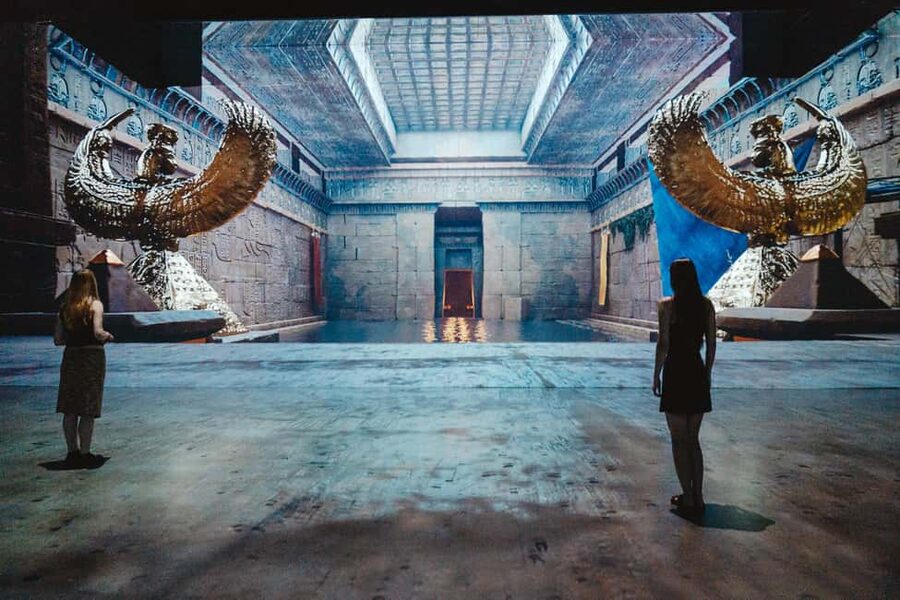
Book MINA if you want a modern, room-filling art experience in a unique setting—the former computer factory context makes it feel less like a generic digital show. Choose a time slot that fits your kids’ ages, remember that the last two slots are 10+ only for the immersive halls, and plan to be present for the lighting and sound.
Don’t book (or don’t plan to enter the immersive halls) if epilepsy or vertigo is a concern for you or your group. The warnings are clear for a reason.
If you’re somewhere in between—curious but cautious—I’d treat MINA like a sensory activity you manage with your own pace: use the optional audio guide if it helps, spend time in the MINA Kids play area for breaks, and step out when you need to.
FAQ
How long is the MINA Museum visit?
The experience is listed as 1 day.
Where is MINA Museum of Immersive New Art located?
It’s in Bucharest-Ilfov, Romania. The provided coordinates are 44.478843688964844, 26.117155075073242.
What areas are inside the museum?
You can explore two large immersive halls with 360° projections and a MINA Kids play area with interactive installations.
Are the immersive halls suitable for everyone?
No. The museum warns it is not suitable for people with epilepsy or vertigo, due to rapidly changing images, intense lighting, and loud sounds.
What languages are available for the audio guide?
The optional audio guide is available in Romanian and English.
Are wheelchair access needs supported?
Yes, the experience is listed as wheelchair accessible.
Do kids need supervision in the play area?
Yes. In the MINA Kids play area, children must be supervised by an accompanying adult at all times.
What are the time-slot rules for ages 10+?
The museum notes that the last two time slots of the day are reserved for adults and children aged 10+ for the immersive halls.
Is parking available?
There is private parking in front of the museum, but it is not managed by MINA, so spaces can’t be reserved or guaranteed.
Are tickets valid for any day or time?
No. Tickets are valid only for the selected date and time slot.
Is there free cancellation?
Yes. The experience offers free cancellation up to 24 hours in advance for a full refund.
More Tour Reviews in Bucharest
- Bucharest: Dracula’s Castle, Peles Castle, & Brasov Old Town
★ 4.5 · 17,858 reviews - Bucharest: Dracula Castle, Peles Castle & Brasov Old Town
★ 4.6 · 10,891 reviews - Bucharest: Dracula’s Castle, Peleș Castle & Brașov Day Trip
★ 4.4 · 6,100 reviews - Bucharest: Palace of Parliament Tickets and Guide
★ 4.3 · 3,182 reviews - Bucharest: Day Trip to Dracula Castle, Peles Castle & Brașov
★ 4.4 · 3,049 reviews - Bucharest to Dracula Castle, Peles Castle and Brasov Guided Tour
★ 4.5 · 2,933 reviews
Bucharest Indoors: More Museums
- Bucharest: Museum of Senses Entry Ticket
★ 4.3 · 627 reviews - Bucharest: Parliament, Ceausescu House & Village Museum Tour
★ 5.0 · 208 reviews - Communism in Bucharest – Landmarks, Museum & Communist Appetizers
★ 5.0 · 111 reviews - Bucharest: Entry ticket at the Museum of Communism
★ 4.6 · 57 reviews - Bucharest: Reptiland Bucharest Entry Ticket
★ 4.6 · 56 reviews - Bucharest: Museum of Communism Ticket with Communist Coffee
★ 4.6 · 52 reviews
Just In: The Latest Bucharest Reviews



Bucharest Museums, compared.
 ★ 4.3Museum of Senses Entry TicketFrom $13627 reviews
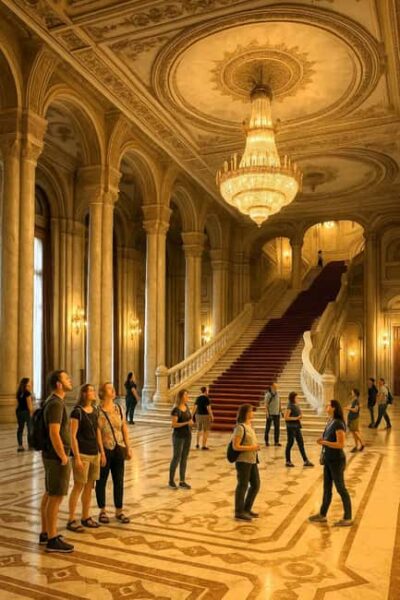 ★ 5.0Parliament, Ceausescu House & Village Museum TourFrom $1208 reviews
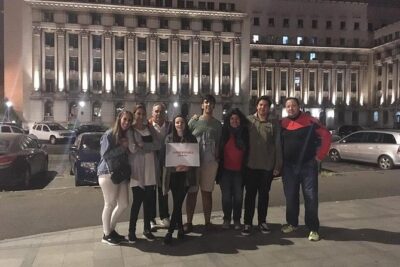 ★ 5.0Communism in Bucharest – Landmarks, Museum & Communist AppetizersFrom $48111 reviews
 ★ 4.9Palace of Parliament, Ceausescu House & Village MuseumFrom $186 reviews
 ★ 4.6Entry ticket at the Museum of CommunismFrom $957 reviews
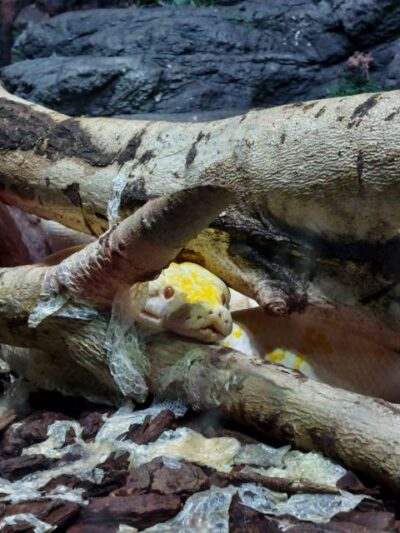 ★ 4.6Reptiland Bucharest Entry TicketFrom $1256 reviews
 ★ 4.6Museum of Communism Ticket with Communist CoffeeFrom $1052 reviews
 ★ 4.9Dinner+Tour at Museum of Communism after closingFrom $5546 reviews
Browse the lists this tour appears in