

REVIEW · BUCHAREST FOOD TOURS
Bucharest: Street Food Tour with a Local Guide
Street food turns a city into something you can feel. This 4-hour Bucharest tour mixes real bites at Obor Market with public-transport rides and stops that make the city’s past click. I especially like the way it starts with the snack of communism—pretzel and yogurt—and then uses tram and trolleybus to connect neighborhoods, not just restaurants.
The other big win for me is the finish: hot papanasi at a sit-down spot where you can ask your guide what else to eat around town. One thing to consider is that the flow can feel a bit spread out, and the quality of the experience depends on the guide’s pacing (including how long the group spends waiting for food).
If you want a food tour that’s heavy on markets, with some transit and history woven in, this is a strong fit. If you’re hoping for a super tight, nonstop tasting sprint, you may want to set expectations about wandering time and logistics.
In This Review
- Key highlights worth knowing
- Entering the tour at Lupa Capitolina and that pretzel-and-yogurt start
- The tram ride to Obor Market: how transit becomes part of the story
- Obor Market: the easiest place to learn what Romanians actually eat
- What can feel uneven at the market
- Honey, cheese, and produce browsing: where your shopping instincts kick in
- Traditional meat rolls plus a cool beer: the stop that fills you up
- Trolleybus to University Square: history in the gaps between rides
- The walking rhythm
- Ending with hot Wallachian papanasi: the dessert that makes the tour memorable
- Price and value: why $74 can be fair (or frustrating) depending on expectations
- Guides and pacing: Laura, Riga, and what to look for on the day
- Who this tour suits best (and who should skip it)
- Practical tips so you don’t lose time or comfort
- Should you book this Bucharest street food tour?
- FAQ
- How long is the Bucharest street food tour?
- What is the meeting point for the tour?
- What food and drinks are included?
- Are tram and trolleybus rides included?
- What should I bring?
- Is the tour suitable for people with mobility issues?
- Are pets allowed on the tour?
- Do I need to buy extra food at Obor Market?
- When does the tour require minimum group size?
- What happens if the minimum group size isn’t met?
Key highlights worth knowing
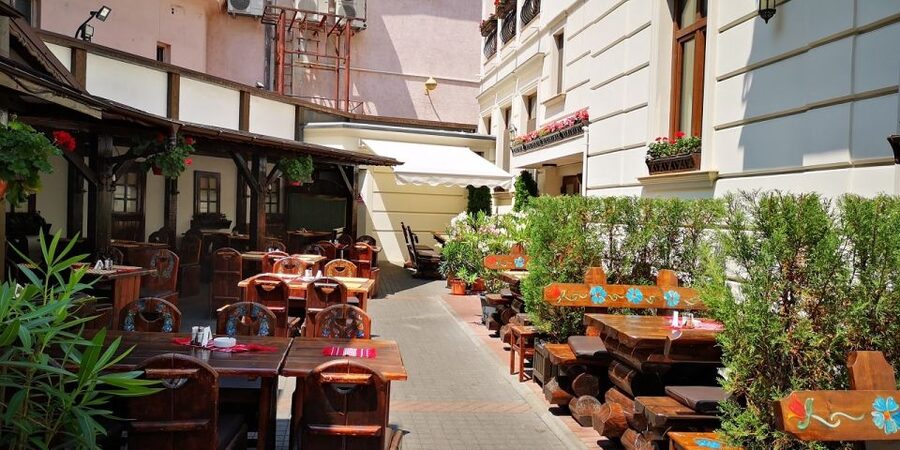
- Obor Market: one of Romania’s largest and oldest markets, made for sampling.
- The communism-era breakfast: a Romanian pretzel paired with yogurt to kick things off.
- Public transit as a feature: tram and trolleybus rides that connect neighborhoods.
- Wallachian dessert payoff: hot papanasi with jam and cream at the end.
- Food you can actually compare: honey, cheese, fresh produce, and traditional meat rolls along the way.
Still hungry? More markets, mici and mtitei
- Street Food’n’Culture Tour★ 5.0 · 209 reviews
- Wine Tasting in Bucharest★ 5.0 · 183 reviews
- Discover Bucharest: Private Highlights and Traditional Food Tour★ 5.0 · 86 reviews
- Bucharest: Romanian Wine Tasting Experience at Corks★ 4.6 · 84 reviews
Entering the tour at Lupa Capitolina and that pretzel-and-yogurt start
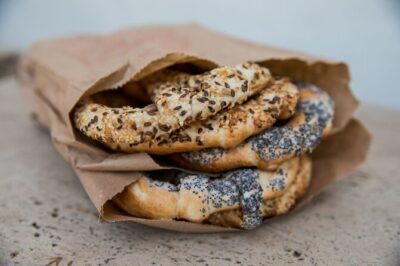
You’ll meet at the Lupa Capitolina Monument on I.C. Bratianu Blvd. From there, the tour starts with something memorable and very Bucharest: the pretzel and yogurt, often described as the snack of communism and a go-to breakfast for workers. It’s a smart opening because it gives you a taste of everyday food culture before you hop to the big market scene.
This first stop also does something practical: it gets you eating early, before the walking ramps up. You’ll be glad you wore comfortable shoes, because from this point on it’s a lot of moving and browsing, with short breaks built around tastings.
The tram ride to Obor Market: how transit becomes part of the story
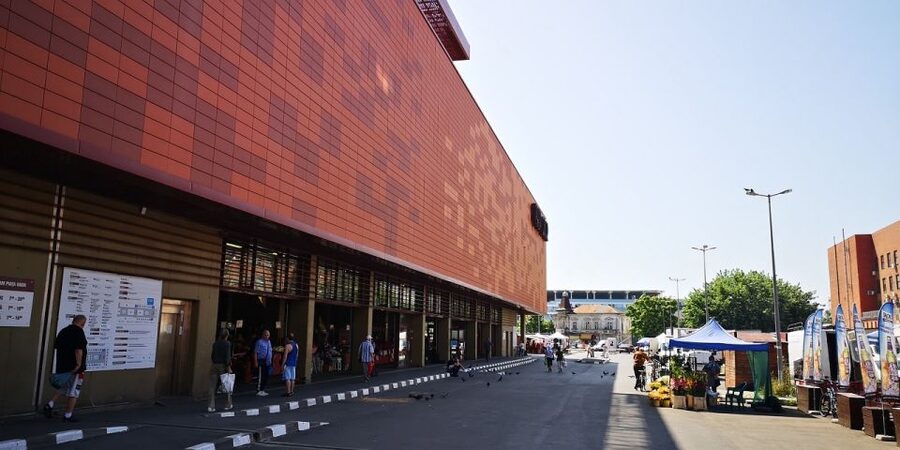
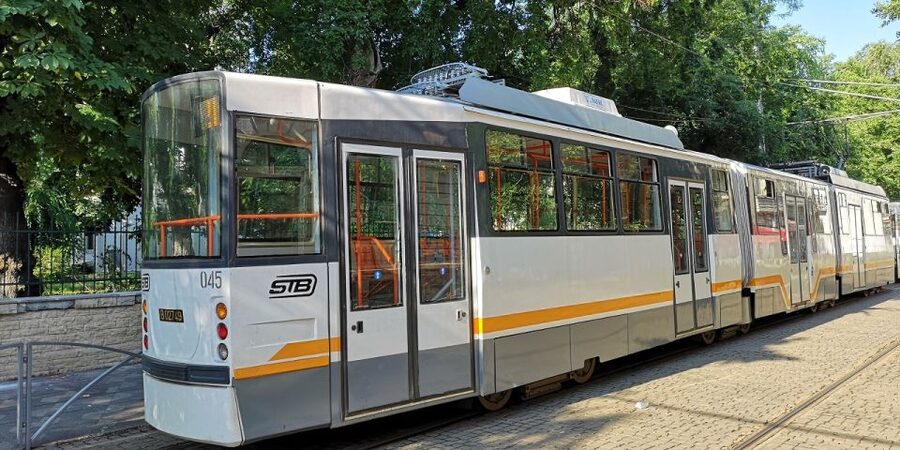
After your starter bite, you take a short tram ride to Obor Market. This matters more than it sounds. In cities like Bucharest, the best way to understand the rhythm of daily life is to ride the same lines locals use, not just stare at sights from a bus window.
During the ride, you’ll also pick up visual cues about Bucharest’s Jewish and Armenian quarters—the kind of architecture and building styles you’ll notice more from a tram than from a checklist. It’s an efficient way to get context without turning the day into a lecture.
Obor Market: the easiest place to learn what Romanians actually eat
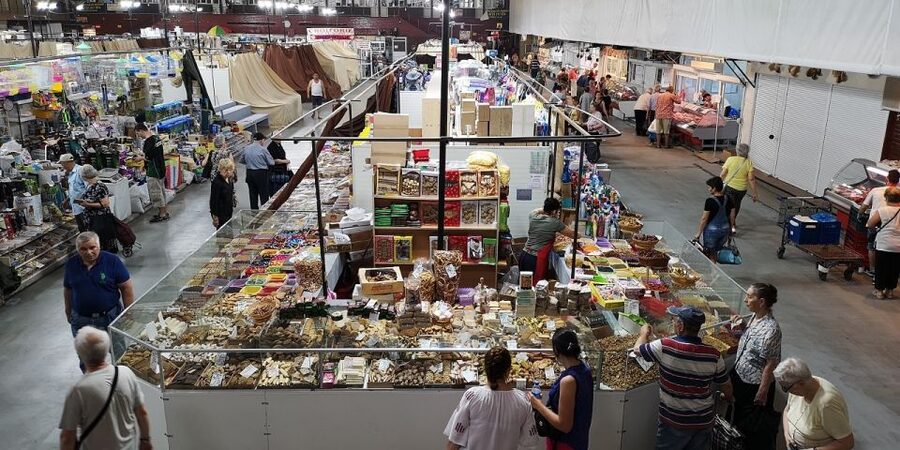
Obor Market is where the tour earns its keep. It’s known as one of Romania’s largest and oldest markets, and the atmosphere is the point: you’re walking through stalls selling everything from honey and cheese to fresh produce, plus handmade items like wooden bowls. Even if you’re not buying anything, you’ll get a sense of what food shopping looks like here and why markets are still a daily habit.
What I like about this style of market tour is the balance between browsing and sampling. You’re not stuck in one stall for an hour. You get to move, compare what you see, and then land on a few tastings that anchor the experience.
What can feel uneven at the market
The main consideration: market time can stretch, especially if you’re waiting for food orders. Some people also felt they wanted more food or history explanations while standing in line. If you’re someone who loves fast pacing and lots of commentary while everyone’s walking, pick a tour date with good group size and a guide known for keeping momentum.

Honey, cheese, and produce browsing: where your shopping instincts kick in
Between tastings, you’ll have time to stroll and look closely. This is more valuable than it may sound because markets teach you how Romanian ingredients connect to Romanian meals. You’ll see the kinds of goods people buy together—things like cheese and honey alongside seasonal produce—so later, when you eat at a restaurant, you start spotting the same flavors again.
You’ll also notice that the market isn’t only about food. Handmade wooden goods and other stalls make it feel like a place for everyday life, not just tourism. That’s what helps the tour feel grounded.
And one practical note: personal purchases at Obor Market aren’t included. So if you spot something you want to bring home—say a cheese, honey, or small artisan item—plan to pay out of pocket.
Traditional meat rolls plus a cool beer: the stop that fills you up
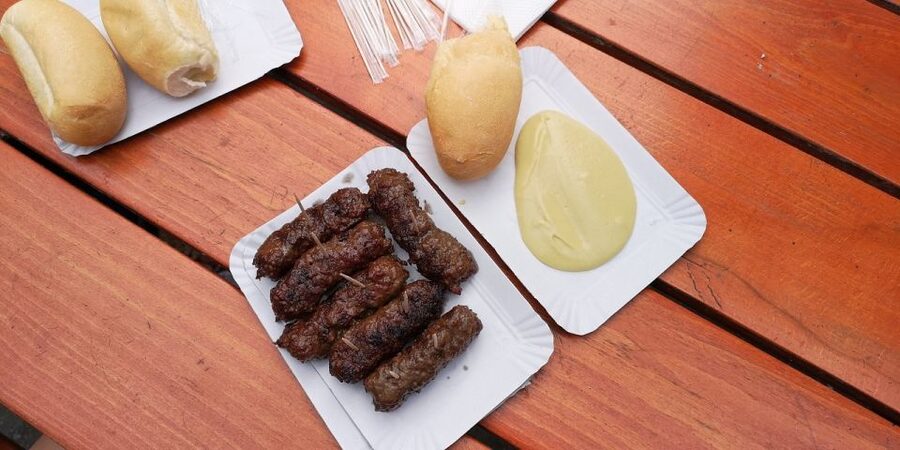
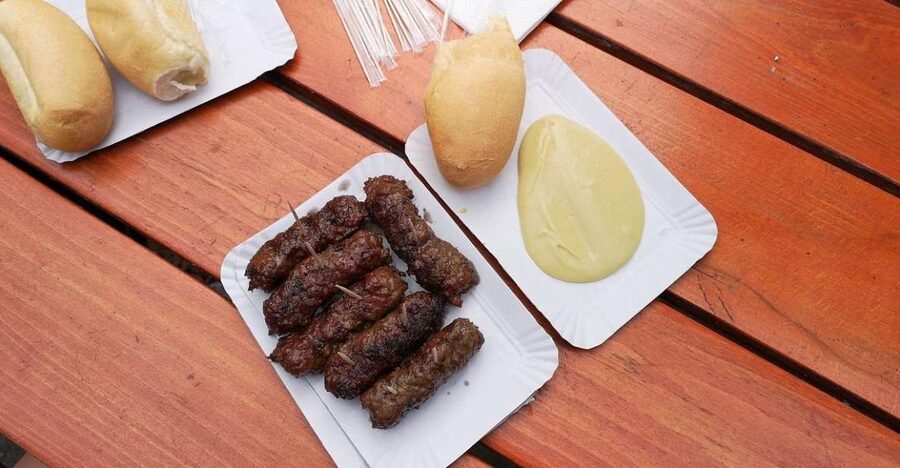
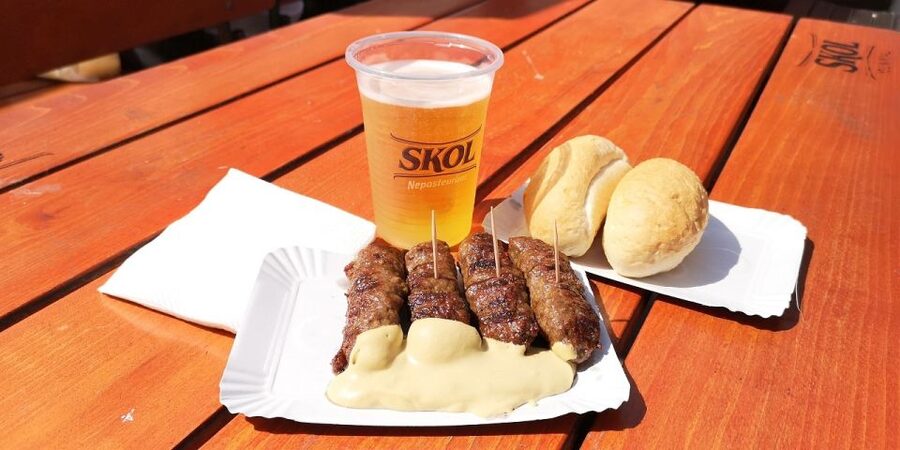
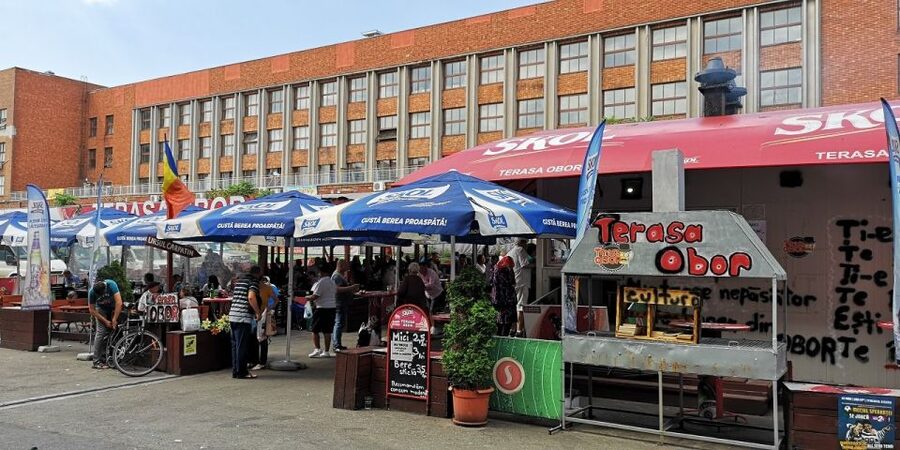
A well-known stall is where you’ll sample traditional Romanian ground meat rolls, and they come with a cool beer. This is one of the most straightforward tastings on the route: filling, savory, and easy to recognize as a comfort-food kind of meal.
This part is also where the tour can be hit-or-miss depending on how the operator runs the order. One review mentioned a mismatch with what was promised—specifically that everyone was expected to get a beer, but only one was served. That doesn’t mean it’s common, but it’s a good reason to politely check early if your group’s drinks are lined up before you start eating.
If you finish the roll and feel like you want more, that’s normal. It’s the kind of food stop that makes you understand why locals keep markets on their weekly routines.
Trolleybus to University Square: history in the gaps between rides
After the market, you take a trolleybus to University Square. Then you walk toward Cismigiu Park while learning about key historical landmarks along the way. This is a nice change of pace: you go from intense sensory market browsing to a more sight-and-story walk.
Why this works: you connect what you tasted to where the city grew. Food is always tied to place—where people live, work, and gather. On this stretch, the guide helps you link Bucharest’s physical landmarks to the culture behind daily routines.
The walking rhythm
Expect a walking segment that’s long enough to feel like you’re touring, but not so long that it turns into a strain. That said, the tour is not recommended if you have limited mobility. The route includes market walking and city strolling, and the day is not designed around frequent sit-down breaks.
Ending with hot Wallachian papanasi: the dessert that makes the tour memorable
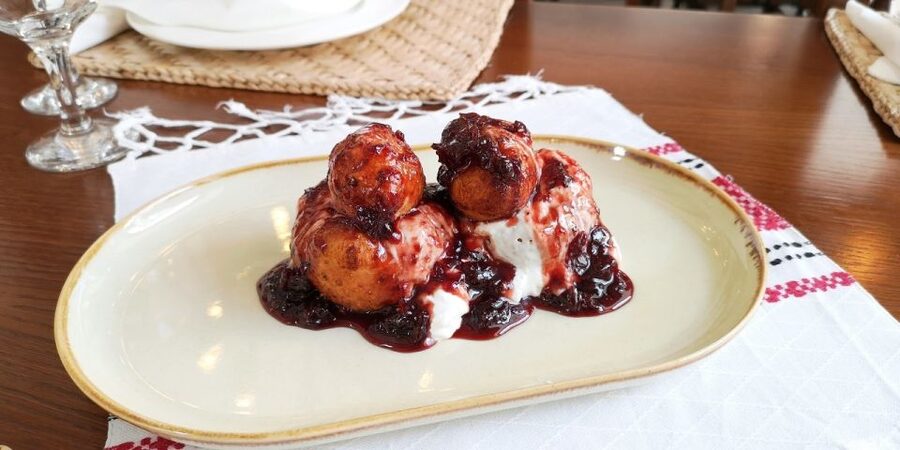
You finish at a fine dining restaurant with papanasi, sweet Wallachian doughnuts served hot and filled with jam and cream. This end point is smart because it turns the tour into a complete meal arc: salty bites, market snacks, beer, then a proper dessert payoff.
Papanasi are also a great cultural close-out. They’re playful comfort food with a strong local identity, and they’re the kind of dish you can talk about long after the tour ends.
One more practical advantage: you’ll be seated at the end, which gives you a chance to reset. It’s also the moment when you can ask your guide for more specific eating tips, since they know what you already tasted and what you might like next.
Price and value: why $74 can be fair (or frustrating) depending on expectations
At $74 per person for about 4 hours, the price becomes much easier to justify because several core costs are included: the English-speaking guide, all food and drink mentioned in the itinerary, bottled water, plus tram and trolleybus tickets.
So you’re mostly paying for four things:
- a guided market experience at Obor,
- tastings that cover both savory and dessert,
- local context as you ride and walk,
- and transit logistics handled for you.
Where value can feel different is the issue of variety and portions. Some people wanted more tastings throughout the market, not a larger emphasis on a single meal segment near the end. One also felt the tasting set didn’t reflect the breadth of Romanian products they expected, like wine, cheese variations, or cold meats.
My advice: if you’re booking for the market experience first and the specific set of tastings second, you’ll likely feel the price is fair. If you’re booking for lots of different samples of everything under the sun, you may feel limited by the structured menu.
Guides and pacing: Laura, Riga, and what to look for on the day
Different guides clearly shape the vibe. In the reviews, Laura is praised for being knowledgeable about Bucharest’s history and for an enjoyable pace, with people calling her charming and passionate about food culture. Another guide name that comes up is Riga, described with strong energy, patience, and kindness—especially helpful if you’re new to the city.
At the same time, pacing can make or break a market tour. Some reviews complained that time was spent wandering while the guide waited in line to order food, and that explanations of history and food could be deeper during those waits. So, when you book, pick a time when you want to slow down and browse a bit—and be open to a tour style that’s practical over performative.
If you get a guide who talks through what you’re seeing while you walk, this tour tends to feel like a mini crash course. If the guide sticks mostly to logistics, you’ll want to ask questions yourself at tastings and during the ride segments.
Who this tour suits best (and who should skip it)
This Bucharest street food tour is a strong match if you:
- want one main market stop rather than many small, scattered tastings,
- like street-level food culture and public-transport rides,
- enjoy finishing with a proper sit-down dessert.
It’s less ideal if you:
- need step-free access or have mobility limitations, since the tour is not recommended for limited mobility,
- dislike structured pacing that depends on ordering food at specific stalls,
- want a huge spread of alcohol or product categories, because the tasting list is fixed and can feel narrow to some.
Also, no pets are allowed, so plan accordingly if you’re traveling with a companion animal.
Practical tips so you don’t lose time or comfort
Start with the obvious: comfortable shoes. You’ll be walking from the meeting point, through market areas, and then around University Square toward Cismigiu Park.
Next, come with a mindset of trying what’s on the plan, not building a menu of your own. Additional food and drinks at Obor Market aren’t included, and personal purchases are up to you. If you want extra snacks, build that into your day and budget.
Finally, try to keep your dinner plans flexible. You finish with dessert, so you might not want a heavy meal right after. That’s also when you can ask the guide for where to go next, based on what you already tasted.
Should you book this Bucharest street food tour?
Yes, if you want a practical, food-first introduction to Bucharest that centers on a major market and ends with a real Romanian dessert. The combination of Obor Market, public transit, and the pretzel-and-yogurt + papanasi arc makes it feel like more than just eating.
Maybe not, if you’re chasing maximum variety in a short time or if you’re very sensitive to pacing. The tour is structured around tastings and specific ordering points, and some people felt the experience could include more explanation while waiting or more variety beyond the set menu.
If you fall somewhere in the middle—market lovers who also want context—this is a smart way to spend half a day. You’ll leave with dishes you can name, flavors you can remember, and a better sense of how Bucharest neighborhoods connect.
FAQ
How long is the Bucharest street food tour?
It lasts about 4 hours.
What is the meeting point for the tour?
You’ll meet at Lupa Capitolina Monument, 36 I.C. Bratianu Blvd., Bucharest.
What food and drinks are included?
All food and drink mentioned in the itinerary are included, along with bottled water. The tour includes items like the pretzel and yogurt start, tastings at Obor Market, ground meat rolls with beer, and hot papanasi at the end.
Are tram and trolleybus rides included?
Yes. Tram and trolleybus tickets are included.
What should I bring?
Wear comfortable shoes. That’s the main recommendation for this kind of walking-and-market day.
Is the tour suitable for people with mobility issues?
No. It’s not recommended for people with limited mobility.
Are pets allowed on the tour?
No, pets are not allowed.
Do I need to buy extra food at Obor Market?
Personal purchases at Obor Market are not included, so if you buy extra items, you’ll pay for them separately.
When does the tour require minimum group size?
From March to October and from December 16 to January 6, it requires at least 4 people. From January 7 to February 29 and from November 1 to December 15, it requires at least 2 people.
What happens if the minimum group size isn’t met?
If the minimum number isn’t reached, you’ll be offered an alternative date or a full refund.
More Tour Reviews in Bucharest
- Bucharest: Dracula’s Castle, Peles Castle, & Brasov Old Town
★ 4.5 · 17,858 reviews - Bucharest: Dracula Castle, Peles Castle & Brasov Old Town
★ 4.6 · 10,891 reviews - Bucharest: Dracula’s Castle, Peleș Castle & Brașov Day Trip
★ 4.4 · 6,100 reviews - Bucharest: Palace of Parliament Tickets and Guide
★ 4.3 · 3,182 reviews - Bucharest: Day Trip to Dracula Castle, Peles Castle & Brașov
★ 4.4 · 3,049 reviews - Bucharest to Dracula Castle, Peles Castle and Brasov Guided Tour
★ 4.5 · 2,933 reviews
Eat Bucharest: More Food Walks
- Taste Bucharest: A Food Lover’s Tour of Markets & Neighbourhoods
★ 5.0 · 689 reviews - Street Food’n’Culture Tour
★ 5.0 · 209 reviews - Wine Tasting in Bucharest
★ 5.0 · 183 reviews - Discover Bucharest: Private Highlights and Traditional Food Tour
★ 5.0 · 86 reviews - Bucharest: Romanian Wine Tasting Experience at Corks
★ 4.6 · 84 reviews - Bucharest Beer and Culture Tour with a Local
★ 5.0 · 47 reviews
Just In: The Latest Bucharest Reviews



Bucharest Food Tours, compared.
 ★ 5.0Taste Bucharest: A Food Lover’s Tour of Markets & NeighbourhoodsFrom $102689 reviews
 ★ 5.0Street Food’n’Culture TourFrom $153209 reviews
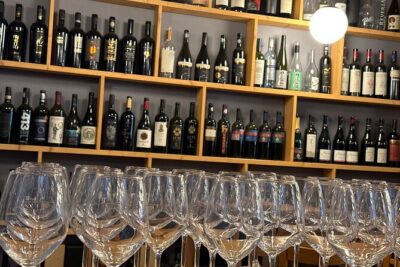 ★ 5.0Wine Tasting in BucharestFrom $59183 reviews
 ★ 5.0Discover Bucharest: Private Highlights and Traditional Food TourFrom $14386 reviews
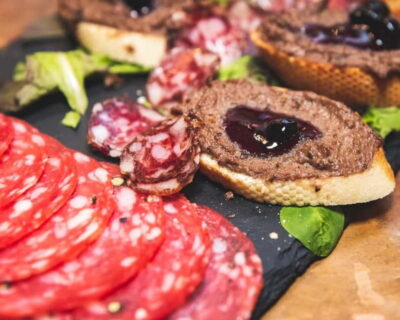 ★ 4.6Romanian Wine Tasting Experience at CorksFrom $3484 reviews
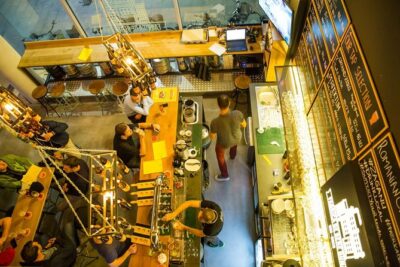 ★ 5.0Bucharest Beer and Culture Tour with a LocalFrom $11847 reviews
 ★ 5.0Private Wine Tasting ExperienceFrom $6444 reviews
 ★ 5.0Private Bucharest: History & Food with Traditional MealFrom $14034 reviews
Browse the lists this tour appears in