
REVIEW · OLD TOWN & LIPSCANI
Bucharest: Old Town & Calea Victoriei Walking TOUR (Max 12)
Bucharest tells its story best on foot. This 2.5-hour Old Town to Calea Victoriei walking tour connects medieval trading streets to the grand, European-style boulevards you picture when people say Little Paris.
I especially like how the route mixes famous names with quieter corners, so you get both the headlines and the details that make Bucharest feel real. The other big win is the small-group pace, which makes it easier to ask questions and actually understand what you’re seeing rather than just walking past it.
One consideration: it’s still a walking tour, so if you’re sensitive to cold or long stretches on uneven sidewalks, you’ll want good shoes and layers.
In This Review
- Key Highlights You’ll Actually Feel on the Walk
- Starting Point: From Hanu lui Manuc to Piața Sfântul Anton
- Old Town Courtyard Energy: The Voivodal Palace and Biserica Sfantul Anton
- Hanu’ lui Manuc and the Old Inns: Where Trading Became a Lifestyle
- Strada Lipscani and Hidden Corners: Old Streets with New Meaning
- Cărturești Carusel and the National Bank: A City That Repurposed Itself
- Strada Smârdan and Stavropoleos Monastery: Quiet Atmosphere, Clear Explanation
- Caru’ cu bere: A Famous Stop That Still Makes Sense on the Storyline
- The Bridge to the Boulevards: From Old Town to Calea Victoriei
- Calea Victoriei Highlights: Museums, Palaces, Passages, and Theatres
- Finish at the Romanian Athenaeum: Ending on a Public-Stage Note
- Price and Value: Why $30 Can Be a Good Deal Here
- Who Should Book This Tour (and Who Might Skip It)
- The Human Factor: How the Guide Makes It Click
- Should You Book This Bucharest Old Town & Calea Victoriei Tour?
- FAQ
- Where does the tour start?
- How long is the walk?
- How big is the group?
- What language is the tour in?
- What’s the price?
- What’s included in the tour price?
- What isn’t included?
Key Highlights You’ll Actually Feel on the Walk
- Small group (max 12) and English-speaking licensed guide means faster context and more back-and-forth.
- Old Town courts and courtyards help you see how Bucharest grew from a trading hub into a modern capital.
- Landmarks like Stavropoleos Monastery and Caru’ cu bere are explained in a way that connects architecture to people.
- Calea Victoriei stretch adds the grand hotel-and-theatre Bucharest—palaces, passages, and big-city institutions.
- Easy, human-scale pacing across famous streets and lesser-known lanes keeps the tour from feeling rushed.
Through the Lipscani lanes and old town
- Bucharest: Dracula’s Castle, Peles Castle, & Brasov Old Town★ 4.5 · 17,858 reviews
- Bucharest: Dracula Castle, Peles Castle & Brasov Old Town★ 4.6 · 10,891 reviews
- Bucharest: Peles Castle, Bran Castle, & Brasov Old Town Tour★ 4.5 · 1,035 reviews
- Bucharest Pub Crawl in the Old Town★ 5.0 · 462 reviews
Starting Point: From Hanu lui Manuc to Piața Sfântul Anton
You begin near Hanu lui Manuc, right by Piața Sfântul Anton—a practical spot because it’s easy to orient yourself before you step into the Old Town’s tighter streets. From there, the tour builds momentum quickly, starting with the kind of landmarks that anchor the story of the city.
This is a good introduction for first-timers because it doesn’t treat Bucharest like one long list of monuments. It frames the city as something that changed over time, block by block, street by street.
Old Town Courtyard Energy: The Voivodal Palace and Biserica Sfantul Anton
The early segment centers on the area often called “the Old Court,” including the Voivodal Palace. You’ll get the sense that this wasn’t always the Bucharest of elegant promenades—this was a place of authority, administration, and daily urban life shaped by eras that came before modern Romania.
Right after, the walk continues to Biserica Sfantul Anton, where church architecture and location matter more than any single photo spot. Expect the guide to explain what you’re looking at and why the setting fits into the older street pattern—so you understand the city, not just the facade.
If you like history that connects to street design, this portion is the payoff. The buildings help you read the city like a timeline.
Hanu’ lui Manuc and the Old Inns: Where Trading Became a Lifestyle
You’ll pass through the story-rich area around Hanu’ lui Manuc, and then continue toward Hanul Gabroveni—both tied to the tradition of inns and passageways in older Bucharest. These stops are useful because they show how people moved, stored goods, met, and conducted business long before modern storefront streets took over.
A strong point here is how the guide treats these places as working urban systems. You’ll get context on why inns and courtyards existed, and how that helped the city function as a trading town.
One small practical note: some parts of the Old Town can feel narrow and crowded, even on a calm day. The tour’s pace helps, but plan to take it slow and let the guide do the heavy lifting in explaining what you’re seeing.
Strada Lipscani and Hidden Corners: Old Streets with New Meaning
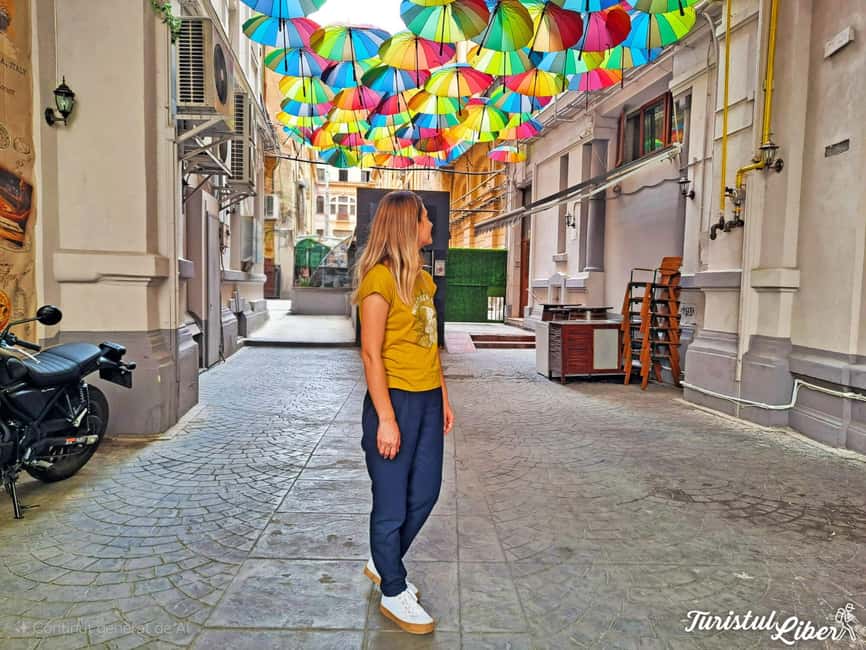
As you move into Strada Lipscani, the tour shifts into the most walkable, street-level Bucharest mode. This is where you notice the mix—older street lines, older building footprints, and the modern life that now fills them.
The magic isn’t only in seeing a famous lane. It’s in learning how courtyards and lesser-known corners relate to the bigger streets. You’ll likely come away understanding why Bucharest feels layered, even when you’re standing in one place and looking at one building.
If you’re a “I want to know what I’m looking at” traveler, this is where the tour earns its keep.
On foot through the city, more routes




Cărturești Carusel and the National Bank: A City That Repurposed Itself
Next up is Cărturești Carusel, a stop that works well as a break in the historical rhythm. It’s not just a quick photo moment; it helps show how Bucharest has kept adapting. The guide’s focus stays on urban evolution—what changes, what remains, and what new uses take hold in old structures or old-adjacent spaces.
After that, you’ll reach National Bank of Romania, which is a different kind of anchor. Banking buildings can feel intimidating if you don’t know the why. In this tour format, you get the backstory so the architecture connects to the city’s growth and institutions, not just dates.
This pairing—bookish/creative energy plus institutional authority—helps the walk feel complete. It turns Bucharest into a lived-in place rather than a museum on a street.
Strada Smârdan and Stavropoleos Monastery: Quiet Atmosphere, Clear Explanation
Strada Smârdan keeps the walk moving through Old Town streets where you can spot patterns in building heights and layouts. It’s a useful segment for “reading the city,” since you’re not only visiting one site—you’re learning how the street network behaves.
Then comes Stavropoleos Monastery, a stop that tends to slow people down. Monasteries and churches often work like time machines, but the tour aims to make that real by explaining setting and significance instead of stopping at visual wow.
This is one of the most calming parts of the route, and it balances the more commercial feel of other streets.
Caru’ cu bere: A Famous Stop That Still Makes Sense on the Storyline
You’ll walk to Caru’ cu bere, a well-known landmark, and the guide’s job here is to connect it to the urban story rather than letting it become a generic “must-see.” That matters, because famous places can feel like detours if you don’t know what role they played and why they mattered to how Bucharest functioned.
Even if you don’t plan to eat or drink, this stop gives you a sense of Bucharest’s public life—how people gathered, how food culture tied into the city’s identity, and how older urban zones retained their social energy.
The Bridge to the Boulevards: From Old Town to Calea Victoriei
After the Old Town core, the tour transitions toward Calea Victoriei, and the change in vibe is part of the point. This is where Bucharest starts showing off its “capital city” side—wider roads, grand buildings, and institutions that look built for modern prestige.
This shift is valuable for first-time visitors because it prevents the common mistake of treating Old Town as the whole story. Bucharest grew up, then dressed up, and you’ll feel both phases on this walk.
Calea Victoriei Highlights: Museums, Palaces, Passages, and Theatres
Once you’re on Calea Victoriei, you’ll hit a string of major landmarks that read like a film set for Romanian modernization. The tour doesn’t just name-drop. It keeps pointing back to the city’s evolution—how power, culture, and public spaces shaped everyday life.
Stops you’ll encounter along the boulevard include:
- National Museum of Romanian History, where the exterior presence connects to the idea of state identity and national storytelling.
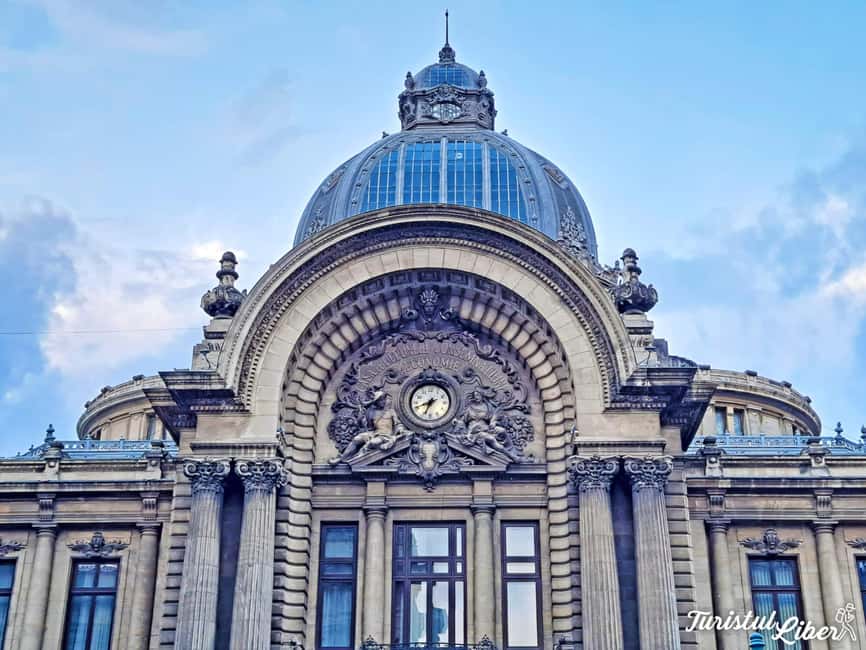
- CEC Palace, a strong visual marker of institutional architecture.
- Macca – Vilacrosse Passage, one of those in-between spaces that makes Bucharest feel human-scaled even when the city turns grand.
- Corinthia Grand Hotel du Boulevard Bucharest and National Military Circle, which help you understand how different kinds of authority—hospitality, military, civic—took physical form.
- Casa Capșa and Hotel Capitol, which give you a sense of social life tied to iconic addresses.
- Odeon Theatre, useful because culture isn’t separate from urban planning—it lives in the streets and buildings.
- Palace of Telephones, a reminder that modern systems become landmarks once they shape daily life.
- Pasajul Victoria, another passage stop that makes the “hidden movement” theme feel real.
- Kretzulescu Church, tying the older religious thread back into a boulevard route that could otherwise feel purely modern.
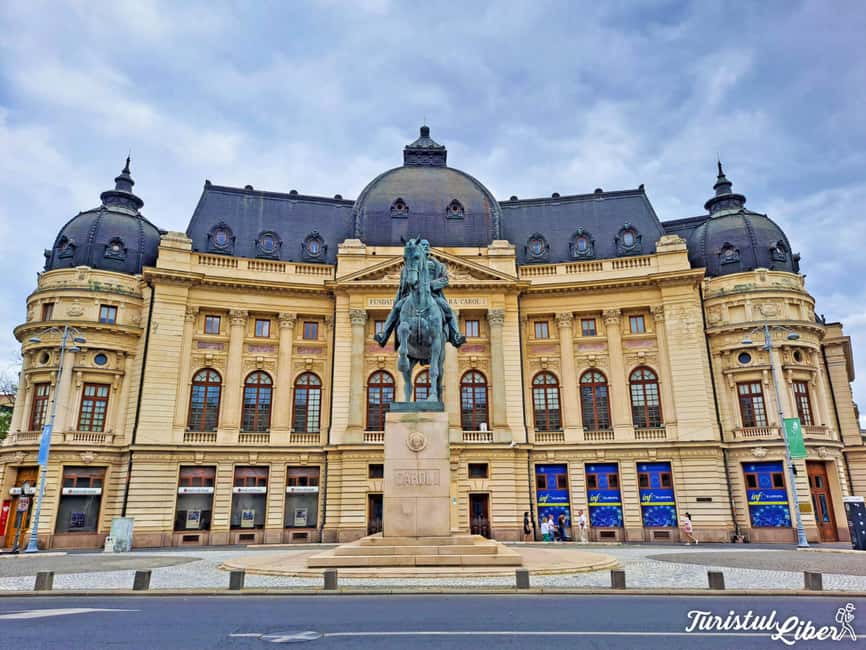
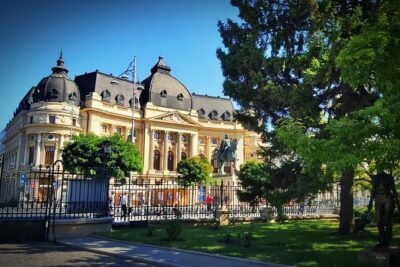
- Royal Palace of Bucharest and Central University Library of Bucharest, both reinforcing how education, governance, and prestige shaped the city’s outward face.
If your travel style is “one great walking hour beats five distracted museum hours,” Calea Victoriei is where you’ll feel that philosophy pay off. You get a compressed overview of Bucharest’s big identity markers without the stress of hopping around independently.
Finish at the Romanian Athenaeum: Ending on a Public-Stage Note
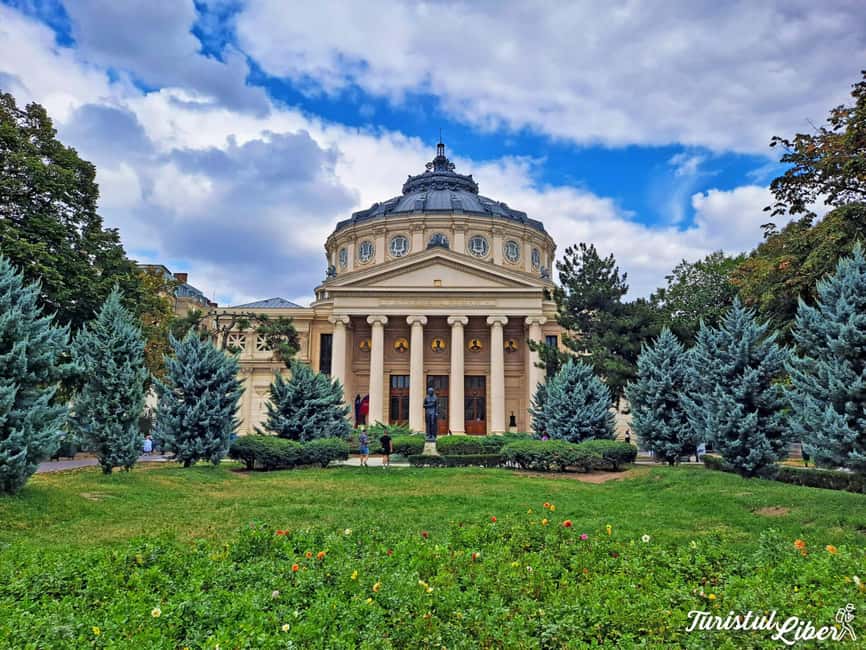
The tour closes at the Romanian Athenaeum, which is a smart final move. By the time you reach it, you’ve already seen how Bucharest built cultural authority along its streets, and you’re walking into the kind of landmark that signals music, performance, and public life.
It’s also a good way to cap the day because it gives you a clear end point. Instead of wandering, you finish with a destination that feels central to the city’s self-image.
Price and Value: Why $30 Can Be a Good Deal Here
At $30 per person for 2.5 hours, this tour can be good value because you’re paying for three things that add up: a licensed local guide, a structured route across multiple key zones, and storytelling that ties buildings to urban change.
If you were trying to piece this together yourself, you’d either spend time researching why each stop matters or you’d end up with a photo-only walk. Here, the work is done for you, especially across the tricky transition from Old Town character to Calea Victoriei grandeur.
The biggest cost savings is mental energy: you spend less time figuring out what to look for, and more time actually understanding what you see.
Who Should Book This Tour (and Who Might Skip It)
This is best for:
- First-time visitors who want a coherent overview without a car.
- History and architecture lovers who like explanations tied to street layout.
- Travelers who enjoy small-group pacing and asking questions.
You might consider another option if:
- You hate walking in the cold or need very long seated breaks.
- You want a single-theme tour focused only on one type of architecture or one neighborhood.
The Human Factor: How the Guide Makes It Click
A recurring theme in the guide experience is how warm and patient the explanations can be, plus a strong focus on keeping people comfortable on colder days. When the guide is clearly tuned to the group, the walk feels more like a conversation than a lecture.
You’ll also benefit if you like interactive moments—where the guide explains, then responds to your questions. That turns the tour from sightseeing into real understanding, which is exactly what you want when a city is new to you.
Should You Book This Bucharest Old Town & Calea Victoriei Tour?
If you want a practical introduction that connects medieval street life to modern Bucharest institutions, book it. The route is timed well for a half-day walk, and the small-group size makes the history feel usable rather than abstract.
I’d especially recommend it if you’re trying to decide what to do on your first day. This tour helps you get your bearings fast, then gives you ideas for what to explore later at your own pace—whether that’s churches, passages, or the boulevard big-hitters like the Athenaeum.
FAQ
Where does the tour start?
It starts in front of Hanu lui Manuc Restaurant, near Piața Sfântul Anton.
How long is the walk?
The tour lasts about 2.5 hours.
How big is the group?
The tour is a small group, with a maximum of 12 people.
What language is the tour in?
The guided tour is offered in English.
What’s the price?
The price is $30 per person.
What’s included in the tour price?
You get a guided walking tour through Bucharest’s old center, including visits to heritage buildings and sights, plus stories about Bucharest’s history and urban development and a walk along Calea Victoriei.
What isn’t included?
Transportation to and from the meeting point and meals and drinks are not included.
More Tour Reviews in Bucharest
- Bucharest: Dracula’s Castle, Peles Castle, & Brasov Old Town
★ 4.5 · 17,858 reviews - Bucharest: Dracula Castle, Peles Castle & Brasov Old Town
★ 4.6 · 10,891 reviews - Bucharest: Dracula’s Castle, Peleș Castle & Brașov Day Trip
★ 4.4 · 6,100 reviews - Bucharest: Palace of Parliament Tickets and Guide
★ 4.3 · 3,182 reviews - Bucharest: Day Trip to Dracula Castle, Peles Castle & Brașov
★ 4.4 · 3,049 reviews - Bucharest to Dracula Castle, Peles Castle and Brasov Guided Tour
★ 4.5 · 2,933 reviews
Bucharest on Foot, Continued
- Bucharest: City Highlights Guided Walking Tour
★ 4.9 · 1,482 reviews - Bucharest: Communism and History Guided City Walking Tour
★ 4.9 · 918 reviews - Bucharest Highlights Walking Tour
★ 5.0 · 469 reviews - Bucharest: Hidden Markets Walking Tour with Tastings
★ 4.9 · 329 reviews - Bucharest: Ghost Stories & Romanian Mythology Walking Tour
★ 4.9 · 287 reviews - Bucharest: Guided Walking Tour with Romanian Snack
★ 4.9 · 228 reviews
The Old Town and Lipscani
- Bucharest: Dracula’s Castle, Peles Castle, & Brasov Old Town
★ 4.5 · 17,858 reviews - Bucharest: Dracula Castle, Peles Castle & Brasov Old Town
★ 4.6 · 10,891 reviews - Bucharest: Peles Castle, Bran Castle, & Brasov Old Town Tour
★ 4.5 · 1,035 reviews - Bucharest Pub Crawl in the Old Town
★ 5.0 · 462 reviews - Bucharest: Dracula’s Castle, Peles Castle, & Brasov Old Town
★ 4.6 · 229 reviews - Bucharest : Dracula’s Castle, Peles Castle & Brasov Old Town
★ 4.9 · 180 reviews
Just In: The Latest Bucharest Reviews



Old Town & Lipscani, compared.
 ★ 4.5Dracula’s Castle, Peles Castle, & Brasov Old TownFrom $4017,858 reviews
 ★ 4.6Dracula Castle, Peles Castle & Brasov Old TownFrom $4010,891 reviews
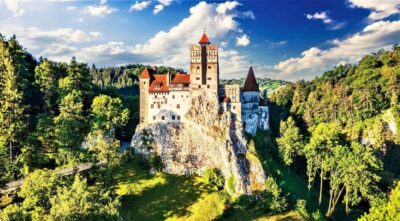 ★ 4.5Peles Castle, Bran Castle, & Brasov Old Town TourFrom $401,035 reviews
 ★ 5.0Bucharest Pub Crawl in the Old TownFrom $26462 reviews
★ 4.6Dracula’s Castle, Peles Castle, & Brasov Old TownFrom $31229 reviews
★ 4.9Dracula’s Castle, Peles Castle & Brasov Old TownFrom $1180 reviews
★ 5.0Bucharest Pub Crawl in the Old TownFrom $26462 reviews
★ 4.6Dracula’s Castle, Peles Castle, & Brasov Old TownFrom $31229 reviews
★ 4.9Dracula’s Castle, Peles Castle & Brasov Old TownFrom $1180 reviews
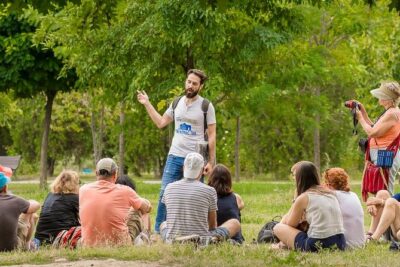 ★ 5.0Bucharest Essential Tour: Old Town, Calea Victoriei & CommunismFrom $24142 reviews
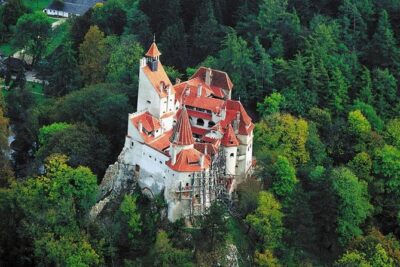 ★ 4.5Dracula’s Castle, Peles Castle and old town Brasov from BucharestFrom $119121 reviews
Browse the lists this tour appears in