
REVIEW · BRAșOV & TRANSYLVANIA
2 Days – Private Tour to Transylvania – Brașov, Sighișoara, Sibiu
Two days, lots of medieval drama. This private route packs Peleș and Bran castles plus Brașov and the UNESCO towns of Sighișoara and Sibiu, with door-to-door pickup and an air-conditioned drive from Bucharest. It’s a smart way to see more without spending your whole day figuring out trains and timetables.
I love how Peleș Castle is more than a pretty photo spot. The place is famous for real 19th-century details like an on-site power plant and early electricity—then it still delivers on art, stained glass, and those Murano crystal chandeliers. I also like the UNESCO medieval feel of Sighișoara, where the Saxon citadel still lives like a town, not a staged museum.
One thing to plan for: you’ll pay extra for major entrances (and lodging is also not included), so the true cost is higher than the sticker price. Budget time and money for tickets to get the full castle experience.
In This Review
- Key things to know before you go
- Why a private 2-day Transylvania route works from Bucharest
- Peleș Castle: the first European castle with electricity
- If Peleș is closed on your day
- Bran Castle and the Dracula myth you can actually talk about
- Brașov Historical Center: medieval trade city energy
- Sighișoara citadel: UNESCO medieval life, not a static set
- Sibiu’s fortified old town: squares, walls, and guild money
- Cozia Monastery: a short stop with real Orthodox heritage
- Price and what $431.35 really buys you
- Transportation, timing, and how to get the most out of each day
- Who this private Transylvania trip is best for
- Should you book this 2-day private Transylvania tour?
- FAQ
- What stops are included in the 2-day Transylvania experience?
- Is hotel pickup and drop-off included?
- Are the castle entrance fees included in the price?
- Is accommodation included?
- What happens if Peleș Castle is closed?
- Do I get an English-speaking guide and private transport?
- Can I cancel for a full refund?
Key things to know before you go
- Private, door-to-door pickup from Bucharest means less stress and more sightseeing time
- AC vehicle with a professional driver helps a lot in longer touring days
- Peleș and Bran are both included as core sights, but entrance fees are extra
- Sighișoara and Sibiu are free to enter for the main walk-and-see areas
- Guides can reroute if timing hits a closure—one guide type response included securing tickets on the fly
- Optional add-ons happen because it’s private, with examples like a bear sanctuary and a synagogue visit
Deeper into Brasov and Saxon Transylvania
- Bucharest: Dracula’s Castle, Peles Castle, & Brasov Old Town★ 4.5 · 17,858 reviews
- Bucharest: Dracula Castle, Peles Castle & Brasov Old Town★ 4.6 · 10,891 reviews
- Bucharest: Dracula’s Castle, Peleș Castle & Brașov Day Trip★ 4.4 · 6,100 reviews
- Bucharest: Day Trip to Dracula Castle, Peles Castle & Brașov★ 4.4 · 3,049 reviews
Why a private 2-day Transylvania route works from Bucharest
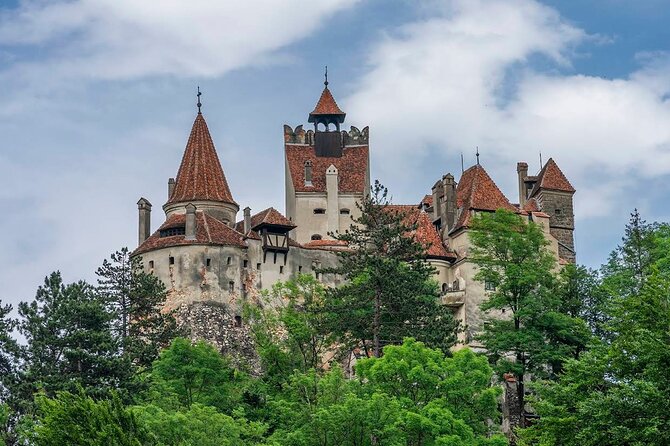
Transylvania gets hyped for Dracula, but your real payoff on this kind of short visit is efficiency with style. You’re not hopping between bus changes or crossing town while everyone else is catching up. Instead, you get private transport in an air-conditioned vehicle and a guide who can keep the story straight as you move city to city.
This is also a nice choice if you’re the type who likes to ask questions at your pace. In the feedback for this experience, guides named George, Laura, Sebastian, Catalin, Mircea, and Alin come up again and again for being punctual, professional, and flexible. That matters here because two days can either feel rushed… or feel like you’re being looked after.
Peleș Castle: the first European castle with electricity
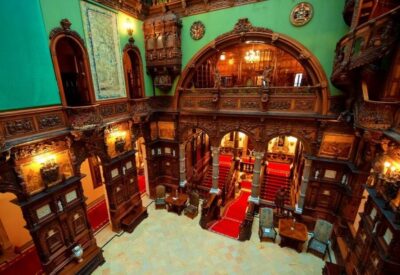
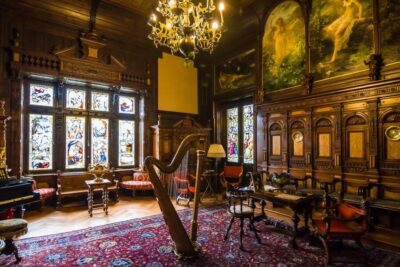
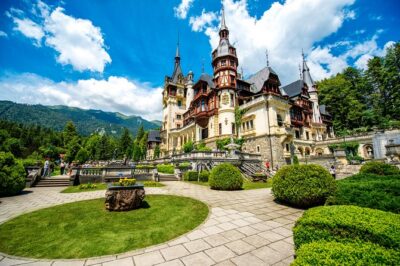
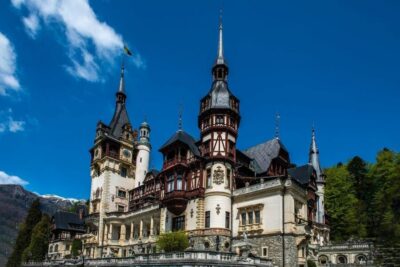
If you only know Peleș as a postcard castle, you’ll still be impressed. But what really makes it worth your time is the engineering-brain side of the place. Commissioned by King Carol I in 1873 and completed in 1883, Peleș became the royal summer residence. The castle has 160 rooms, and the decor leans into top-tier European craftsmanship, including Murano crystal chandeliers, German stained-glass windows, and even walls covered in Cordoba leather.
Then there’s the standout bragging-rights section of Romanian royal life: Peleș was the first European castle with electricity, plus it has its own power plant. The castle also lists hot and cold running water, central heating, and a central vacuum system. It’s the rare castle where the technical details are part of the wow factor.
Tour-time reality check: the castle visit is listed as about 4 hours, and the entrance fee is extra. If you want the full effect—artwork, windows, rooms—this is one stop where you shouldn’t show up tired or rushed.
If Peleș is closed on your day
Important: Monday and Tuesday, Peleș Castle is closed, and the plan is to visit the outer courtyard instead. That’s still worth doing for the atmosphere and architecture, but it’s not the same as going deep into the interiors—so plan your expectations around the weekday.
Bran Castle and the Dracula myth you can actually talk about
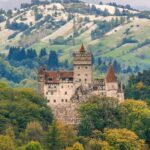
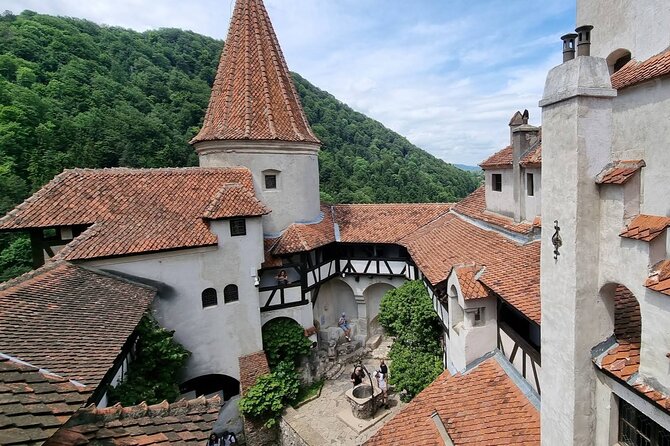
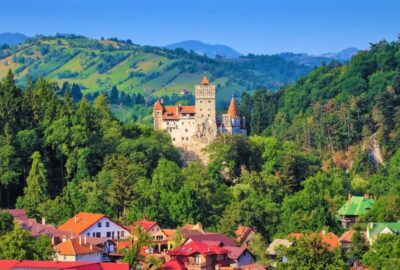
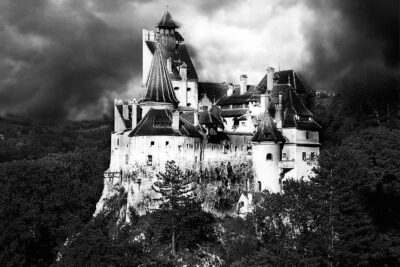
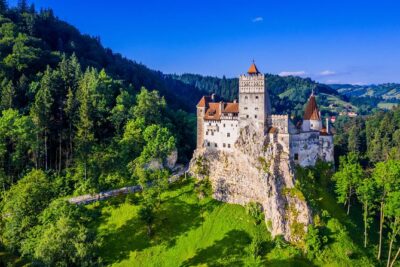
Bran Castle is the one most people connect to Dracula. Even outside Romania it’s commonly called Dracula’s Castle. But Bran comes with an excellent kind of educational twist: there’s no solid evidence that Bram Stoker knew the real castle, and Bran only has a tangential link to Vlad the Impaler. Stoker’s fictional description doesn’t match Bran Castle.
So this stop is fun on two levels. First: the views and medieval fortress vibe do the heavy lifting. Second: your guide can help you separate the pop-culture story from the real historical connections. That turns Bran from a theme-park impulse into something you can analyze and enjoy at the same time.
Tour-time reality check: the Bran visit is listed as about 4 hours, and entrance fees are extra. Also, because it’s so associated with Dracula, you may want to go in with the mindset of atmosphere + perspective rather than expecting a perfect match to the exact Dracula book or movie version.
The walled squares of Sibiu and Sighisoara
Brașov Historical Center: medieval trade city energy
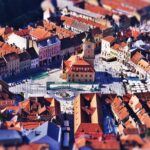
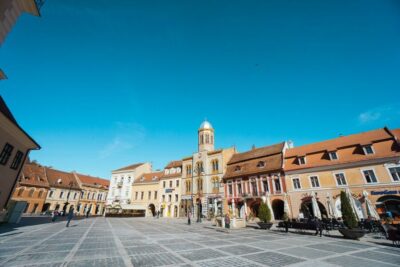
Brașov is one of Romania’s most visited cities for a reason: it mixes medieval bones with modern life. On this route, you get time in the historical center, and it’s one of those places where your walk matters—narrow streets, old buildings, and the sense of a city that kept going through major political shifts.
A detail I like here is the communist-era name change. Brașov was renamed for 10 years to Stalin City, a reminder that this region has been reinvented by politics over and over. The stop is also described as a mix of history, architecture, culture, urban fun, and impressive natural surroundings nearby—so if you like scenery as much as buildings, Brașov has room for both.
Tour-time reality check: the historical center stop is about 4 hours and is listed as free for admission. In practice, this is a great window to slow down. Grab a snack, take photos, and don’t feel like you have to see everything at museum speed.
Sighișoara citadel: UNESCO medieval life, not a static set
Sighișoara is one of those rare places where “UNESCO” doesn’t feel like a sticker. It’s described as an inhabited medieval citadel built by Saxon settlers starting in the 12th century, and it became a UNESCO World Heritage Site in 1999.
This is also the part of the trip where the story ties directly to the Dracula thread—Sighișoara is listed as the birthplace of Vlad III the Impaler. You’ll see how the city preserves its medieval German architectural and cultural heritage, even through the Communist period.
If you’re visiting around festival time, there’s a medieval festival vibe with arts, crafts, and stage plays. Even when it’s not festival season, the city layout still feels like it was designed to keep time moving slowly: steep streets, fortress walls, and that Saxon feel throughout.
Tour-time reality check: you get about 3 hours and admission for the main experience here is listed as free.
Sibiu’s fortified old town: squares, walls, and guild money
Sibiu is where Transylvania turns into “town with power.” It was the largest and wealthiest of the seven walled citadels (Siebenburgen) built starting in the 12th century by German settlers called the Transylvanian Saxons.
The guide angle here is strong: guilds made serious money, and that wealth funded both impressive buildings and the fortifications meant to protect them. You can feel that logic in the built environment. The Old Town retains a grandeur tied to trade and regional influence.
Your walk time includes church-dominated squares such as Great Square and Little Square, plus narrow streets and steep-roofed 17th-century buildings with gable overhangs. Part of the medieval wall still guards the historic area, so the town feels protected—like history is still holding the door shut behind you.
Tour-time reality check: Sibiu gets about 4 hours, with admission listed as free for the experience areas here. This is a good stop if you like seeing how cities defended themselves and still grew prosperous.
Cozia Monastery: a short stop with real Orthodox heritage
After two full days of castles and medieval towns, Cozia Monastery is the tone shift. It’s located near the Olt River in Călimănești, and it’s described as one of Romania’s most important and well-preserved medieval Eastern Orthodox religious sites.
The monastery’s origin matters. It was founded in 1388 by Mircea the Elder (Mircea cel Bătrân), who ruled Wallachia. The church is Byzantine style with Romanian influences, and the stone carvings and frescoes span multiple periods, with examples dated to the 14th and 18th centuries.
Here’s the human link that makes it more than architecture: Mircea the Elder is buried at Cozia Monastery, and the monastery also served as a cultural and religious center for centuries. It’s still active today and is considered a pilgrimage destination.
Tour-time reality check: it’s only about 30 minutes on this route, and admission is listed as free. That makes it ideal as a “stop for meaning,” not as a slow-hour-long museum visit.
Price and what $431.35 really buys you
This tour is priced at $431.35 per person for a 2-day private experience. Since it’s private, the value comes less from “how many people are on your bus” and more from what’s included around the edges.
What’s included:
- Hotel pickup and drop-off on both days
- Private transportation with a modern air-conditioned vehicle
- Professional English-speaking guide
What’s not included:
- Peleș Castle entrance: 100 RON (about €20)
- Bran Castle entrance: 150 RON (about €30)
- Accommodation: €50 per person
- Meals
So for a realistic budget, you should expect to add the two castle tickets plus lodging. Meals are on you, too. If you plan your snacks and meals in advance, the cost feels more controlled rather than surprising.
Also, this price is tied to convenience. Two days is short. If you’ve ever tried to do a similar route DIY, you know that time is often what costs the most. This setup buys you speed, guidance, and fewer logistical headaches.
Transportation, timing, and how to get the most out of each day
Your pace here is built on two long-ish days rather than one nonstop sprint. That’s a plus. The guide can help you keep each stop moving—without making you feel like you’re on a conveyor belt.
A few practical tips that fit this specific route:
- Bring some flexibility in your schedule, especially if Peleș is closed on your weekday (Monday/Tuesday switch to the outer courtyard).
- Wear shoes that work on uneven medieval streets. Brașov and Sighișoara are not flat-day walking.
- Plan for extra spending at castle entrances. Both major castles have separate fees.
- If you care about a specific theme—architecture, local history, medieval towns—private guiding is where you’ll feel the difference. In the feedback, guides like George and Laura were noted for accommodating extra interests and even arranging extra stops.
Who this private Transylvania trip is best for
This tour is a strong match if you:
- Want a short Transylvania hit without giving up comfort
- Prefer a guide who can explain the myths vs. real history behind Dracula-linked stops
- Enjoy walking medieval towns with someone who can connect the dots
- Travel with a group who appreciates private routing and time-saving transport
It can also work well for couples and solo travelers who want the feeling of having Romania’s region explained without the friction of public transport.
If you’re the type who likes to linger for half-days at major sites, you may feel a little time pressure at the castles. But the trade-off is that you see more ground in just two days.
Should you book this 2-day private Transylvania tour?
I’d book it if your priority is smart coverage: Peleș + Bran + Brașov + UNESCO Sighișoara + Sibiu in a way that stays manageable. The biggest reason to choose it is the combination of private transport and a guide-led flow that keeps history understandable (and often corrects the Dracula hype in a friendly way).
If you hate paying extra for entrances and lodging, or if you only want castles and nothing else, you might feel the add-ons. But if you’re okay budgeting for those ticket costs and you want a tight, guided introduction to Transylvania, this is a very solid way to use your time.
FAQ
What stops are included in the 2-day Transylvania experience?
You visit Peleș Castle and Bran Castle, then the historical center of Brașov on day 1. On day 2, you tour Sighișoara (Sighișoara Citadel), Sibiu, and make a short stop at Cozia Monastery.
Is hotel pickup and drop-off included?
Yes. The experience includes hotel pick-up and drop-off on both days.
Are the castle entrance fees included in the price?
No. Peleș Castle and Bran Castle entrance fees are not included. Peleș is listed as 100 RON (about €20) and Bran as 150 RON (about €30) per person.
Is accommodation included?
No. Accommodation is listed as an additional cost of about €50 per person. There’s also a recommendation for Central Park Hotel in Sighișoara.
What happens if Peleș Castle is closed?
Peleș Castle is closed on Monday and Tuesday. On those days, the visit is to the outer courtyard instead.
Do I get an English-speaking guide and private transport?
Yes. The guide is English-speaking, and private transport is provided in a modern air-conditioned vehicle with a professional driver.
Can I cancel for a full refund?
Yes. Cancellation is free, and you can cancel up to 24 hours in advance for a full refund. If you cancel less than 24 hours before the experience starts, the amount paid is not refunded.
Just the Party You Came With: More Private Days
- Castles of Transylvania: Private Day Trip from Bucharest
★ 4.5 · 248 reviews - Dracula’s Castle, Peles Castle and Brasov – Private Day Trip from Bucharest
★ 5.0 · 211 reviews - Best of Bucharest | Private Walking Tour
★ 5.0 · 199 reviews - Bucharest Panoramic Sightseeing – Private City Tour
★ 5.0 · 128 reviews - THERME “Take It Easy” Pack: Full Spa Access + Private Transfers
★ 4.0 · 117 reviews - 4h Bucharest Private Tour (2h by Car and 2h Walking in Old Town)
★ 5.0 · 90 reviews
Sibiu and Sighisoara, Walled and Medieval
- 2-Day Medieval Transylvania with Brasov,Sibiu and Sighisoara Tour from Bucharest
★ 4.5 · 145 reviews - 2-Day Transylvania from Bucharest: Brasov, Bran, Sighisoara
★ 5.0 · 60 reviews - 4 Days Private Tour in Transylvania: Sibiu, Sighisoara and Brasov
★ 5.0 · 18 reviews - Day Trip to Sibiu Transylvania from Bucharest
★ 4.5 · 11 reviews - 2 Days Private Tour Transfagarasan Road & Sibiu from Bucharest
★ 5.0 · 11 reviews - 2-Day Small-Group Tour to Dracula’s Castle, Rasnov Fortress, Peles Castle, Sighisoara and Libearty Brown Bear Sanctuary with Overnight in Brasov
★ 4.5 · 9 reviews
Brasov and Saxon Transylvania
- Bucharest: Dracula’s Castle, Peles Castle, & Brasov Old Town
★ 4.5 · 17,858 reviews - Bucharest: Dracula Castle, Peles Castle & Brasov Old Town
★ 4.6 · 10,891 reviews - Bucharest: Dracula’s Castle, Peleș Castle & Brașov Day Trip
★ 4.4 · 6,100 reviews - Bucharest: Day Trip to Dracula Castle, Peles Castle & Brașov
★ 4.4 · 3,049 reviews - Bucharest to Dracula Castle, Peles Castle and Brasov Guided Tour
★ 4.5 · 2,933 reviews - Dracula’s Castle, Peles Castle and Brasov Day Trip from Bucharest
★ 4.5 · 1,804 reviews
Just In: The Latest Bucharest Reviews

Brașov & Transylvania, compared.
 ★ 4.5Dracula’s Castle, Peles Castle, & Brasov Old TownFrom $4017,858 reviews
 ★ 4.6Dracula Castle, Peles Castle & Brasov Old TownFrom $4010,891 reviews
 ★ 4.4Dracula’s Castle, Peleș Castle & Brașov Day TripFrom $366,100 reviews
 ★ 4.4Day Trip to Dracula Castle, Peles Castle & BrașovFrom $453,049 reviews
 ★ 4.5Bucharest to Dracula Castle, Peles Castle and Brasov Guided TourFrom $332,933 reviews
 ★ 4.5Dracula’s Castle, Peles Castle and Brasov Day Trip from BucharestFrom $331,804 reviews
 ★ 4.5Transylvania and Dracula Castle Full Day Tour from BucharestFrom $351,589 reviews
 ★ 4.5From Bucharest: Brasov Peles & Dracula’s Castle Day TourFrom $651,244 reviews
Browse the lists this tour appears in