
REVIEW · BRAșOV & TRANSYLVANIA
Your rendez-vous with Europe’s past: time-travel to Maramures, Transylvania
This route feels like a time machine. You get private driving + guiding across Maramures villages and famous Transylvania stops, so the story moves fast and you don’t waste energy on logistics.
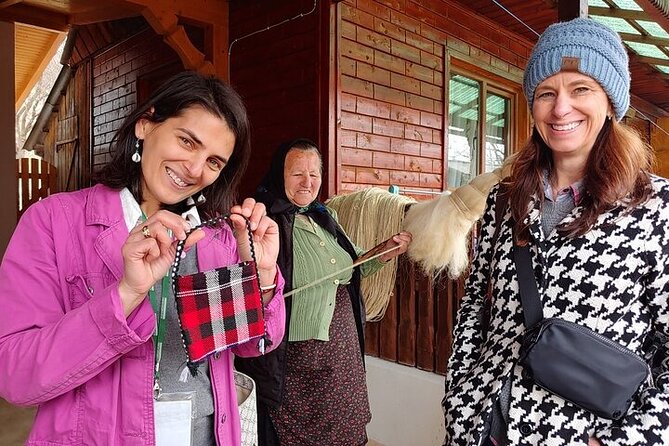
I like how much of the hard work is handled for you: admission is already arranged for key sights, and you’re looking at UNESCO-listed wooden and fortified churches instead of just passing through. I also like the human touch described by the tour style, with guidance from people like Gelu and his driver Vlad, so you’re not stuck reading plaques all day.
One thing to consider: this is a lot of ground covered in 7 days. There are long transfer days (especially shifting between Maramures and the Saxon/Transylvania circuit), so if you want a slow pace, plan for a few big sitting stretches.
In This Review
- Key things that make this tour work
- Time-travel vibes: what you’ll actually see in Maramures and Transylvania
- Day 1: Cozia Monastery then climbing Sibiu’s Council Tower
- Day 2: Alba Iulia fortress, John Hunyadi, and Cluj-Napoca
- Day 3: Surdesti wooden church and settling into a Maramures cottage
- Day 4: Barsana monastery, Sapânta’s Merry Cemetery, and Sighet’s prison memorial
- Day 5: Ieud’s two UNESCO churches, Biertan fortified church, then Sighisoara at dusk
- Day 6: Viscri and Saschiz fortified churches, then Brasov’s Black Church and Rope Street
- Day 7: Bran Pass, Bran Castle, Peles Castle, and a final evening in Bucharest
- Price and value: what $2,185.67 per person is really buying
- The practical rhythm: timing, comfort, and how to pack your days
- Who this tour suits best
- Should you book this Maramures and Transylvania time-travel week?
- FAQ
- What areas does this 7-day tour cover?
- Do I get pickup in Bucharest?
- Are admissions included for the main attractions?
- Where do I sleep during the trip?
- Are meals included?
- Is this a private tour or a group tour?
- Do I need to bring tickets or is there a mobile ticket?
- Is the tour refundable or changeable after booking?
- Is the tour suitable for most travelers?
Key things that make this tour work
- Private driver + private guide keeps the pace flexible and your route efficient
- Admission organized saves time at multiple major sights
- 7 nights with breakfast in hotels/guesthouses simplifies sleeping logistics
- Maramures village culture goes beyond the postcard stops
- UNESCO wooden churches + fortified churches for a coherent theme
- Customizable itinerary lets you adjust based on your interests and timing
Deeper into Brasov and Saxon Transylvania
- Bucharest: Dracula’s Castle, Peles Castle, & Brasov Old Town★ 4.5 · 17,858 reviews
- Bucharest: Dracula Castle, Peles Castle & Brasov Old Town★ 4.6 · 10,891 reviews
- Bucharest: Dracula’s Castle, Peleș Castle & Brașov Day Trip★ 4.4 · 6,100 reviews
- Bucharest: Day Trip to Dracula Castle, Peles Castle & Brașov★ 4.4 · 3,049 reviews
Time-travel vibes: what you’ll actually see in Maramures and Transylvania
This isn’t a theme park of Dracula. It’s more like a guided walk through layers of Romanian life: medieval kingdoms, Orthodox and Greek-Catholic traditions, Saxon communities, and the long shadow of Communism in the north.
In Maramures, the big draw is how buildings and customs still feel tied to the landscape and to craft. In Transylvania, the focus shifts to Saxon fortifications and medieval towns—then it ramps up with the big-name castles at the end.
And because it’s private, you’re not stuck with a rigid group pace. You’re also not stuck figuring out where to go next after each stop.
Day 1: Cozia Monastery then climbing Sibiu’s Council Tower
You start in Bucharest—either from your hotel or the airport—and head out by car through the Olt River’s valley. First stop is Cozia Monastery, founded in 1388 by Mircea the Elder, a Wallachian prince tied to the medieval storylines you’ll hear across Romania. It’s a compact stop, about 30 minutes, and admission is free.
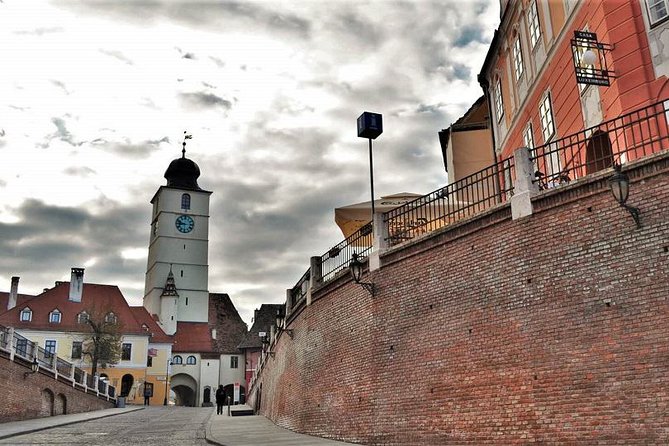
After a quick break and lunch, you reach Sibiu, one of Transylvania’s best walking cities. The signature moment is climbing the medieval stairs up to the Council Tower, then using that view to orient you for the old town. You stroll through main plazas like Grand Square, Small Square, and Albert Huet Square (noted here as dating to the 12th century). You also visit the Orthodox Cathedral and the Evangelical Church, which helps explain how different Christian traditions coexisted in the region.
If you like your first day to mix story + atmosphere without being too rushed, this one does it well. The only drawback is simple: after travel and first stops, it can feel like you’re already on your feet.
Day 2: Alba Iulia fortress, John Hunyadi, and Cluj-Napoca
Day 2 sets a medieval power vibe right away. You visit Cetatea Alba Iulia (Alba Carolina), walking in the footsteps of John Hunyadi and his son, King Matthias Corvinus. The stop ties into a wider Central European conflict map: Hunyadi is associated here with resisting Ottoman pressure, and the tour frames that in a way that helps the places make sense.
You see the Alba Iulia fortress area and Saint Michael Cathedral, with construction starting in 1004, plus the Orthodox Coronation Cathedral. There’s also time at the ruins of the Roman castrum linked to the elite 13th Gemina Roman Legion. That Roman layer matters because it prevents the history from feeling like it starts with medieval knights.
Then you continue to Cluj-Napoca for a shorter city tour. It’s described as ending near places tied to Matthias Rex (again, the tour’s way of connecting names to locations). It’s not a deep-dive city day, but it gives you a sense of modern Transylvania life after the fortress.
This is a good day if you like your travel guided by timelines and named people. If you prefer free time over curated stops, you’ll want to manage your expectations here.
Day 3: Surdesti wooden church and settling into a Maramures cottage
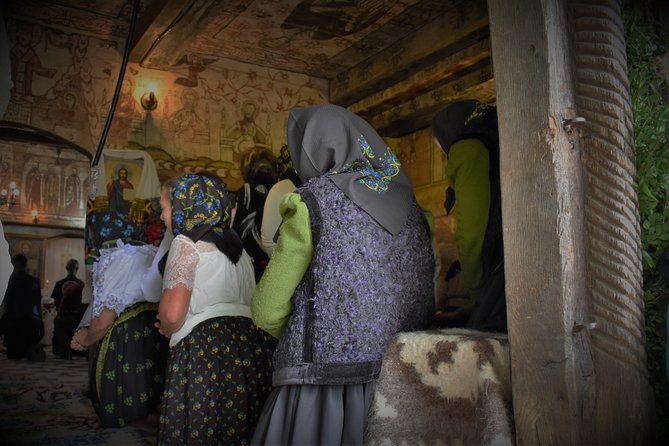
Today turns the dial toward Maramures culture. You head north from Cluj-Napoca toward one of the last bastions of traditional peasant life in Europe, with a big emphasis on wooden architecture.
First is Surdesti, stopping at the UNESCO-listed wooden church. Built in 1766 as a Greek-Catholic church, it’s described as having been the tallest wooden church in the world until recently. That kind of detail is exactly why UNESCO stops aren’t just pretty—they come with real technical history.
After that, you check into a traditional cottage in Breb for the next couple of days. Admission isn’t the point here; it’s the rhythm shift. You get an afternoon to slow down, eat traditional food, and actually feel like you’re in the north rather than commuting through it.
If you’re the type who likes to trade “one more stop” for “one good meal and a quiet evening,” this structure is a win. You also get a more lived-in pace than you might in a hotel-only itinerary.

Day 4: Barsana monastery, Sapânta’s Merry Cemetery, and Sighet’s prison memorial
Day 4 is where the tour balances beauty with weight.
You start at Barsana Monastery, described as a modern ecclesiastical complex rooted in local tradition. It’s early 1990s in date, but that’s part of the point: traditions don’t always mean old buildings only.
Next comes Merry Cemetery in Sapânta, famous for its colorful wooden crosses and the witty, ironic epitaphs carved into them. The tour even gives examples of the tone—funny, human, a little dark—like a local art project that refuses to treat death like a taboo subject.
Then you head to the Memorial of the Victims of Communism and of the Resistance in Sighet. This is the heavy stop: a former Communist prison converted into a memorial. The details provided in the tour description are stark—political and religious leaders, intellectuals, bishops and priests, and more, imprisoned between 1950 and 1955 in brutal conditions.
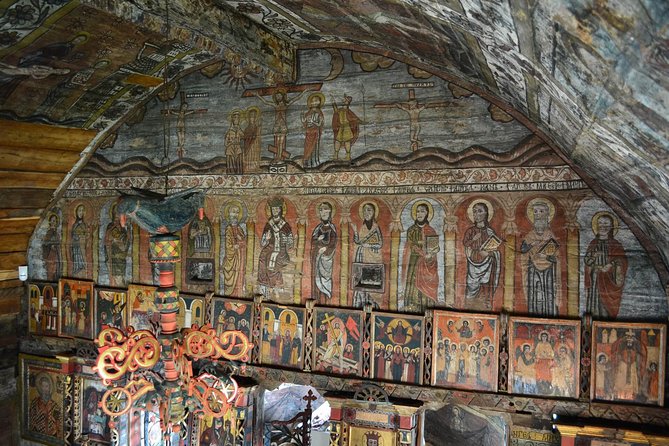
Finally, you visit Desesti for another UNESCO wooden church, noted for its well preserved old picture. This last stop helps you come back to Maramures craft after the memorial’s intensity.
This day is powerful, and also… a lot. Plan for emotional range: laughter at the cemetery, then solemn history at Sighet, then back to quiet wooden church detail.
Day 5: Ieud’s two UNESCO churches, Biertan fortified church, then Sighisoara at dusk
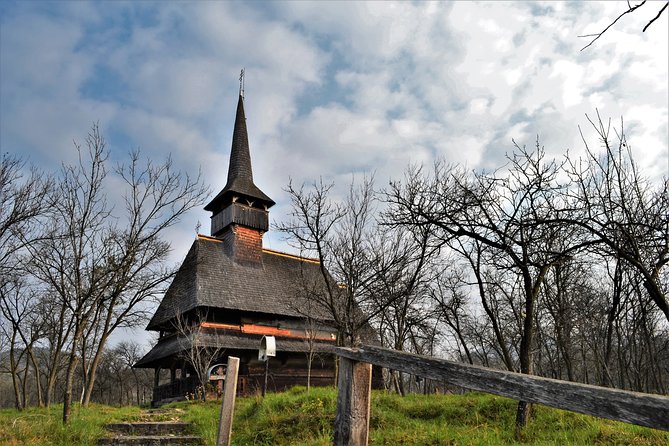
Day 5 is a bridge day. You move from Maramures toward the Saxon heartland of Transylvania, and the itinerary reflects that transition.
You stop in Ieud, with two traditional wooden churches—each tied to a different church tradition and design personality. There’s the church on the hill (Orthodox, 17th century) and the church in the valley (Greek-Catholic), described as slender and balanced, earning the nickname wooden cathedral. You’re also told it was never painted, yet it houses a rich collection of glass icons—an important contrast to the colorful exteriors you may expect.
Next is Biertan Fortified Church, another UNESCO World Heritage monument. This one gives you a different angle: the fortified walls, the nave ceiling, and the tombstones of former bishops and notabilities. In other words, you’re seeing how faith and defense were linked in a borderland world.
You end in Sighișoara’s medieval citadel, with time for late afternoon and evening wandering. You also hear about the birthplace connection for Vlad the Impaler. Even if you don’t care about the Dracula legend, Sighișoara is a fun place to watch the light shift as medieval streets empty out.
Practical note: it’s a long travel day by structure. If you like frequent quick photo stops, you may be tempted to over-shoot photos and rush yourself.
Day 6: Viscri and Saschiz fortified churches, then Brasov’s Black Church and Rope Street
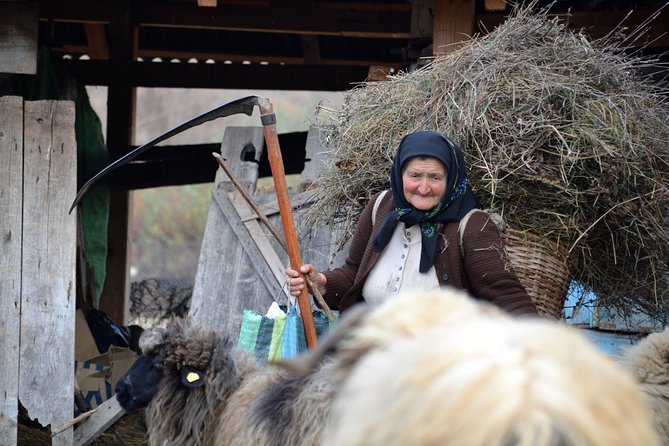
Day 6 is built around Saxon fortified churches. The route from Sighișoara to Brasov includes multiple stops that give the fortified style a coherent look rather than treating each church as a random stop.
You begin with Viscri Fortified Church and the nearby Saschiz stop. Viscri is also where you’re told Prince Charles fell in love with the region after buying a Saxon household in Viscri. That detail matters because it shows how heritage tourism can start with one person’s attachment, not just official planning.
You also drive past Rupea fortress, described as one of Romania’s oldest fortifications, built over preexisting Roman and Dacian fortresses. That layered timeline—Roman/Dacian foundations under later defenses—fits the tour’s overall theme: the region keeps reusing and rebuilding strategic ground.
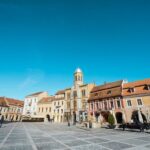
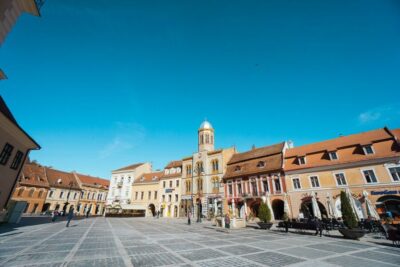
After all those church-and-fortress stops, you arrive in Brasov. Your city time includes the Black Church (14th century Gothic), plus the medieval fortress elements like fortifications, bastions, and towers. Then there’s Rope Street, described as one of the narrowest streets in Europe, which is the kind of place you can’t fully appreciate until you’re walking it.
This day is for people who enjoy architectural details and don’t mind a full schedule. If you want lots of shopping time or long café breaks, you’ll want to save that for the evening.
Day 7: Bran Pass, Bran Castle, Peles Castle, and a final evening in Bucharest
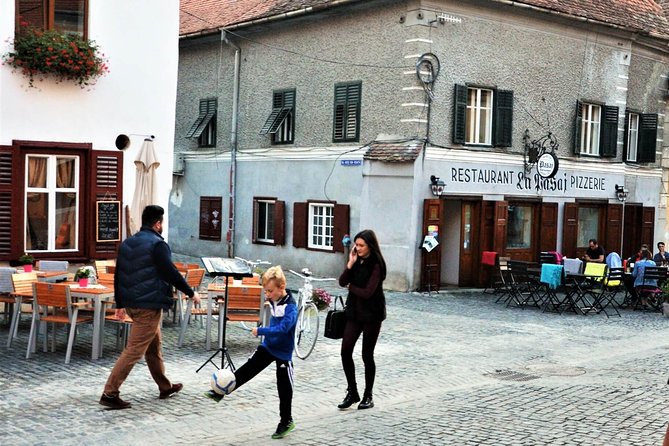
Your last day is the big castle finale, but with mountain scenery used as a buffer.
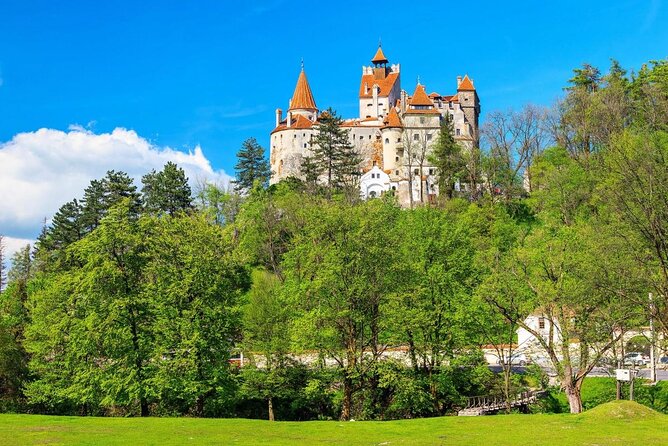
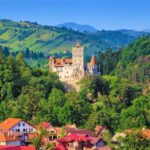
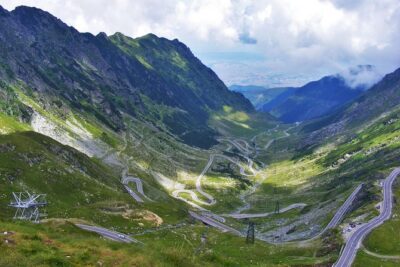
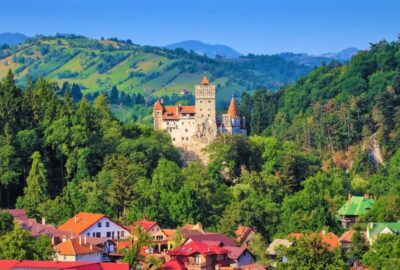
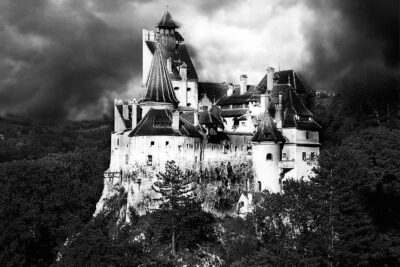
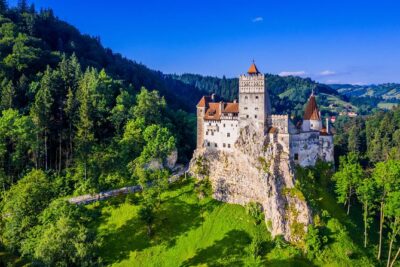
You leave Brasov for Bran Castle, known for the Count Dracula legend. The drive includes scenic views at Bran Pass over the Piatra Craiului and Bucegi mountains. Even if you’re not chasing the legend, the scenery is the right kind of atmosphere to end the tour.
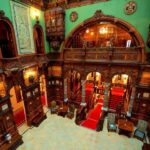
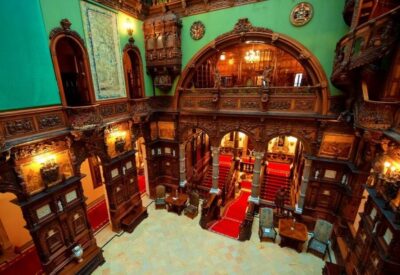
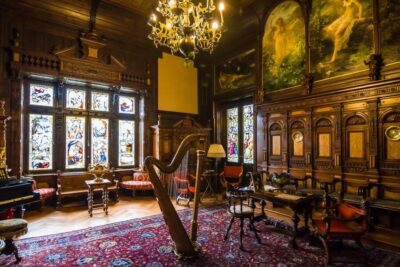
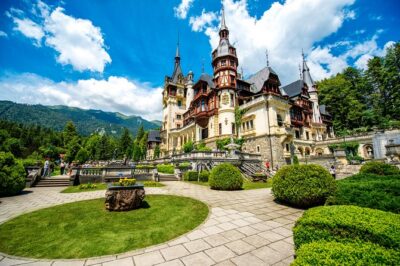
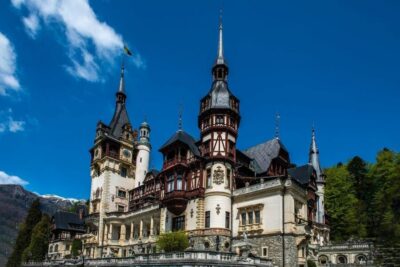
Next is Peles Castle in Sinaia, built at the end of the 19th century. The description highlights the contrast between its flamboyant look and its founder King Carol I, described as sober and first King of Romania. It’s a good capstone after days of stone fortifications and wooden churches because it shows how Romania’s royal image also evolved.
From there you head back to Bucharest. After check-in, you can visit Stavropoleos Church, a monastery church built in 1724 in the city. The tour gives it as a late afternoon option, ideal for letting your Transylvania impressions settle instead of stacking one last heavy day.
If you like your tours to end on a high-impact visual note, this sequence delivers.
Price and value: what $2,185.67 per person is really buying
At $2,185.67 per person for about 7 days (including 7 nights of accommodation), the value question is simple: are you paying for convenience, planning, and admissions—or just transportation?
In this case, you’re paying for a bundle: private transportation, an air-conditioned vehicle, and a schedule where admissions and fees are included/organized for major stops. You also get breakfast included daily, plus 2 lunches and 2 dinners included, which matters more than it sounds because it reduces your daily “where do we eat?” stress.
You’ll still need to budget for what’s not included. The tour data lists meals (beyond the included lunches and dinners) and photo fees as not included, plus flight tickets. That means if you plan to eat out every evening and pay for extras at sites, your final spend will creep up.
One quiet benefit: this is described as a bespoke private tour, so you’re not just buying a fixed checklist. You’re buying a driver/guide setup that can adjust to your needs within the route.
The practical rhythm: timing, comfort, and how to pack your days
This itinerary works because it alternates big sights with breathing room. Some days are dense (Fortress + cathedral + second city, for example). Other days give you an actual pause, like the cottage check-in in Breb, where the afternoon is about settling in.
You should pack for a mix of walking and sitting. These stops include church interiors, outdoor viewpoints, and enough moving to earn good shoes. Bring a light layer too; mountain passes and longer drives can feel cooler than you expect.
Also, because admissions are arranged, you’ll spend more time looking and less time queueing. That’s one of those practical upgrades you feel immediately.
Who this tour suits best
This is a strong match if you want:
- A private way to see both “headline” Transylvania and the quieter Maramures villages
- A history-and-culture route with UNESCO stops that stay tied to a theme
- A guide who can connect sites to stories, names, and why it all matters
- Included lodging and some meals so you can focus on sights instead of planning
It may be less ideal if you:
- Want a slow pace with lots of downtime every day
- Dislike long drives between regions
- Prefer totally free, self-directed wandering with no scheduled stops
Should you book this Maramures and Transylvania time-travel week?
If you want Romania in one organized arc—Maramures wooden churches, Saxon fortified sites, then castle legends with real mountain views—this tour is a sensible choice. The private format and organized admissions are what make the schedule feel smoother than many independent itineraries.
I’d book it if you like guided context and you’re excited by architecture, villages, and the way different eras overlap in one country. I’d think twice if you’re chasing maximum free time or you’re sensitive to long transfer days.
FAQ
What areas does this 7-day tour cover?
It focuses on Maramures and Transylvania, starting from Bucharest. You visit major Transylvania highlights like Bran Castle, Sighișoara, and Brasov, plus several stops in the Maramures region.
Do I get pickup in Bucharest?
Yes. Pickup is offered, meeting at your hotel in Bucharest or at the airport.
Are admissions included for the main attractions?
For many key sights, admission is listed as included or free in the tour plan, and the tour description says admissions are already organized. You should still expect some expenses for anything marked as not included.
Where do I sleep during the trip?
You get 7 nights of accommodation in hotels and guesthouses, with breakfast included.
Are meals included?
Breakfast is included every day. The tour includes 2 lunches and 2 dinners, while other meals are not included.
Is this a private tour or a group tour?
It’s a private tour/activity. Only your group participates, with a private driver and guide.
Do I need to bring tickets or is there a mobile ticket?
A mobile ticket is mentioned as a feature, so you likely won’t need paper tickets.
Is the tour refundable or changeable after booking?
It’s non-refundable and cannot be changed for any reason. If you cancel or ask for an amendment, the amount you paid will not be refunded.
Is the tour suitable for most travelers?
The tour notes that most travelers can participate. Service animals are allowed, and the tour is listed as near public transportation.
More Tour Reviews in Bucharest
- Bucharest: Dracula’s Castle, Peles Castle, & Brasov Old Town
★ 4.5 · 17,858 reviews - Bucharest: Dracula Castle, Peles Castle & Brasov Old Town
★ 4.6 · 10,891 reviews - Bucharest: Dracula’s Castle, Peleș Castle & Brașov Day Trip
★ 4.4 · 6,100 reviews - Bucharest: Palace of Parliament Tickets and Guide
★ 4.3 · 3,182 reviews - Bucharest: Day Trip to Dracula Castle, Peles Castle & Brașov
★ 4.4 · 3,049 reviews - Bucharest to Dracula Castle, Peles Castle and Brasov Guided Tour
★ 4.5 · 2,933 reviews
Brasov and Saxon Transylvania
- Bucharest: Dracula’s Castle, Peles Castle, & Brasov Old Town
★ 4.5 · 17,858 reviews - Bucharest: Dracula Castle, Peles Castle & Brasov Old Town
★ 4.6 · 10,891 reviews - Bucharest: Dracula’s Castle, Peleș Castle & Brașov Day Trip
★ 4.4 · 6,100 reviews - Bucharest: Day Trip to Dracula Castle, Peles Castle & Brașov
★ 4.4 · 3,049 reviews - Bucharest to Dracula Castle, Peles Castle and Brasov Guided Tour
★ 4.5 · 2,933 reviews - Dracula’s Castle, Peles Castle and Brasov Day Trip from Bucharest
★ 4.5 · 1,804 reviews
Just In: The Latest Bucharest Reviews

Brașov & Transylvania, compared.
 ★ 4.5Dracula’s Castle, Peles Castle, & Brasov Old TownFrom $4017,858 reviews
 ★ 4.6Dracula Castle, Peles Castle & Brasov Old TownFrom $4010,891 reviews
 ★ 4.4Dracula’s Castle, Peleș Castle & Brașov Day TripFrom $366,100 reviews
 ★ 4.4Day Trip to Dracula Castle, Peles Castle & BrașovFrom $453,049 reviews
 ★ 4.5Bucharest to Dracula Castle, Peles Castle and Brasov Guided TourFrom $332,933 reviews
 ★ 4.5Dracula’s Castle, Peles Castle and Brasov Day Trip from BucharestFrom $331,804 reviews
 ★ 4.5Transylvania and Dracula Castle Full Day Tour from BucharestFrom $351,589 reviews
 ★ 4.5From Bucharest: Brasov Peles & Dracula’s Castle Day TourFrom $651,244 reviews
Browse the lists this tour appears in