
The road turns history into real terrain. This private day trip from Bucharest pairs the Curtea de Arges Monastery with Vlad’s cliff stronghold at Poienari Fortress, then rides the wind-harassed Transfagarasan Highway all the way to Balea Lake. I love the photo-friendly stops and the way the route layers Dracula-era legends with on-the-ground engineering and mountain views; the main drawback is that Poienari means a serious climb and the day is long.
This tour also shines because you’re not stuck in a rigid bus rhythm. With pickup, an English-speaking guide, and a private vehicle, you get help timing viewpoints and explaining what you’re seeing. In the real world, names like Claudiu and Cristian pop up for being friendly, attentive, and strong drivers on the long haul.
One more thing to consider: mountains can change fast, and the tour stays moving. Bring a jacket and comfortable shoes, and be ready for that “we’re walking uphill again” feeling—especially if your day includes all the steps at Poienari.
In This Review
- Key things you’ll notice right away
- Transfagarasan Highway: the day trip’s main event
- Curtea de Arges Monastery: Byzantine-mausoleum energy in a calm setting
- Poienari Fortress: Vlad the Impaler’s cliff stronghold and the big stair test
- Vidraru Dam: communist-era engineering with real viewpoint payoff
- Riding the Transfagarasan Highway: tunnels, waterfalls, and the Balea Lake pivot
- Price and logistics: what you’re paying for at $165.52 per person
- What to pack for a mountain day that moves fast
- Who should book this Transfagarasan day trip
- Should you book this Transfagarasan Highway private day trip from Bucharest?
- FAQ
- What time does the Transfagarasan Highway private day trip start?
- How long is the tour?
- Is hotel pickup and drop-off included?
- Is this tour private or shared?
- Are entrance fees included in the price?
- Is lunch included?
- How hard is Poienari Fortress?
- How do you reach Balea Lake outside summer?
- What is the cancellation policy?
Key things you’ll notice right away
- Poienari’s 1,480 steps: it’s not a photo stop you can treat like a drive-by
- Vidraru Dam at Belvedere: one planned viewpoint where you’ll want your camera ready
- A 1 km tunnel moment: you’ll pass through Romania’s longest tunnel en route
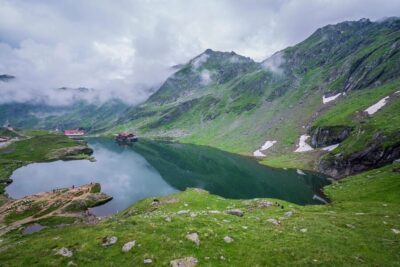
- Balea Lake at 2,034 meters: thin air vibes and big views, even if you only pause briefly
- Private pacing with an English guide: easier photo timing and better context while you’re on the move
Over the peaks on the Transfagarasan road
- Small-group max 7 – Top Gear Road – Transfăgărăşan Highway★ 5.0 · 391 reviews
- Small group max 7 – Top Gear Road – Transfăgărășan Highway★ 4.8 · 254 reviews
- From Bucharest: Castles, Carpathians, and Brașov Day Trip★ 4.6 · 153 reviews
- From Bucharest: Top Gear Road – Transfăgărășan Highway Day Trip★ 4.0 · 68 reviews
Transfagarasan Highway: the day trip’s main event
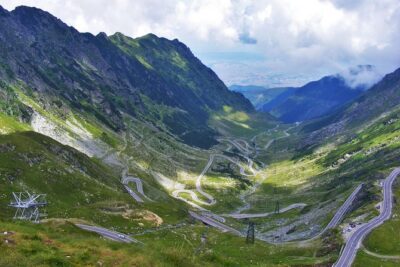
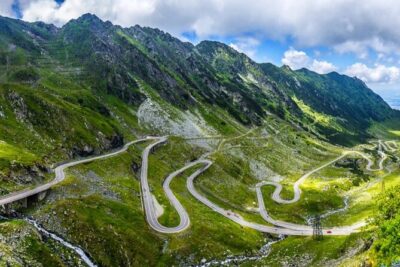
The Transfagarasan Highway is famous for a reason. It’s windy, it climbs hard, and it makes you feel like you’re driving into a story instead of just passing through scenery.
The route is built for a long photo day, not a slow sightseeing stroll. You’ll hit major lookouts, cross dramatic mountain sections, and ride a section that includes a very long tunnel—about 1 km—before continuing to Balea Lake. That tunnel stretch matters because it breaks the drive into clear chapters: stop, drive, surprise, repeat.
If you want a day where the car time still feels like sightseeing, this is the kind of itinerary that does it. You get history stops, engineering stops, and then the highway itself as the centerpiece.
Curtea de Arges Monastery: Byzantine-mausoleum energy in a calm setting
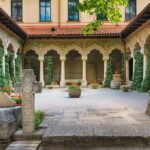
Curtea de Arges Monastery is a 16th-century church that feels like it was designed for pilgrimage and reverence. The setting starts with a long boulevard lined with old linden trees, which gives the visit a slow, ceremonial lead-in before you reach the building.
What I like about this stop is the architecture description is specific, not vague. The church is Byzantine-style with Moorish arabesques, and it also serves as a resting place for Romanian kings and queens. That combination makes the monastery more than a pretty wall—it’s part of how power and faith show up in Romanian history.
In terms of “practical tourist reality,” expect this to be a photo-and-walk stop, not a long sit-down. If you’re timing around crowds, go in with your camera ready but keep moving, because the day does not wait for anyone.
Poienari Fortress: Vlad the Impaler’s cliff stronghold and the big stair test
Poienari Fortress is the reason Dracula fans get their smiles back. It sits around the Arges river gorges, roughly 850 meters (about 2,800 feet) up, and reaching it involves climbing 1,480 steps. That’s a lot of steps—so plan this stop as an effort, not a quick leg stretch.
The history angle is part of the appeal. Documents mention Poienari in the 14th century as a surveillance tower, and later Vlad rebuilt it and used it as a main stronghold. You’re not just reading about the legend here; you’re looking down at the same kind of defensible terrain that makes stories feel believable.
Now the possible drawback: the fortress visit can be affected by conditions on the ground. One account notes a case where the fortress visit was not possible due to bear activity. I can’t promise it won’t happen to you, but I can tell you this: if wildlife presence closes access, there isn’t much a guide can do once safety becomes the priority.
If you go, bring a bottle of water and take it slow on the climb. Your views will be worth it, but your legs need to survive first.
Vidraru Dam: communist-era engineering with real viewpoint payoff
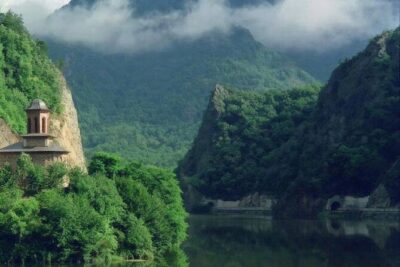
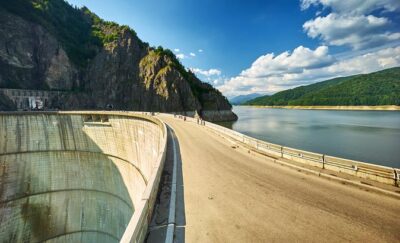
Vidraru Dam is one of those places where the numbers make sense once you’re standing there. Along Transfagarasan Road, the dam is about 40 km from Curtea de Arges, and it’s often described as an engineering “jewelry” because of its double-curved design.
The stats are impressive: 166 meters high and 307 meters of arch length. Even the detail that its outline is electrically lit at night gets mentioned as part of how it shows up from a plane, which helps you picture the scale beyond the road.
For your visit, the best practical detail is the viewpoint option. You can climb to the Belvedere platform to admire the surrounding mountain panorama. This is where the tour’s driving effort starts to feel like it’s paying you back.
Bring your jacket here too. Wind can be real at dam viewpoints, and the dam stop is quick enough that you’ll want to enjoy it, not suffer through it.
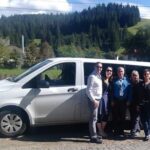
Only your group, at your own speed
Riding the Transfagarasan Highway: tunnels, waterfalls, and the Balea Lake pivot
After Vidraru Dam, you’ll keep driving into higher drama. The road is described as the most famous and most windy European highway, and it really does work like that: you’ll pass waterfalls, then move toward the mountain top where the views get more intense.
One of the key moments is the long tunnel segment. You’ll go through Romania’s longest tunnel for almost 1 km, and then you reach Balea Glacier Lake area. That tunnel is more than trivia—it helps explain why people remember this drive as a series of big visual breaks instead of one long grind.
When you stop near the lake, you’re hitting Balea at 2,034 meters altitude in the Făgăraș Mountains. It’s one of Romania’s most visited lakes, and it’s also practical to know how access changes by season.
- During summer, it’s accessible by car on the Transfagarasan Road.
- Outside summer, access is typically by cable car.
The tour includes a brief photo stop at Balea Lake, so you’ll want to be ready on arrival. Quick visits are normal here; you’re here for the moment and the views, then you drive on.
Price and logistics: what you’re paying for at $165.52 per person
At $165.52 per person for a private day trip, you’re buying convenience and expert guidance as much as you’re buying the road trip itself. The included basics are substantial for a full day: hotel pickup and drop-off, transportation in a modern air-conditioned vehicle, an English-speaking guide, and assistance throughout the trip.
Then there are the extras. Entrance fees and photo fees are listed as about EUR 5, and lunch is not included. That means your final day cost will be a little more than the base price once you factor in food and any small site costs.
Is it good value? For the kind of itinerary involved—monastery plus a 1,480-step fortress plus a signature highway plus a high-altitude lake—private transportation saves a lot of stress. You’re not negotiating schedules or timing buses in a place where the day’s success depends on road conditions and getting to viewpoints at the right time.
The “private” angle is also worth real money if you’re traveling with family or want more flexibility for photo stops. If you’re the type who hates rushing, a private guide helps you pace the day instead of forcing everyone into one tempo.
What to pack for a mountain day that moves fast
The tour gives you a smart packing reminder: wear comfortable walking shoes and bring a jacket. That’s not generic advice—it matters because you’ll likely climb a lot at Poienari and you’ll be exposed to wind and temperature swings on the highway.
I’d add two practical tips based on the day’s structure. First, bring water and keep snacks simple. Lunch isn’t included, and you don’t want to rely on finding the perfect meal mid-route. Second, charge your camera and phone ahead of time since you’ll have multiple photo moments spread through the day.
Also, expect long sits in the car. Air-conditioning helps, but comfort still matters. Bring something for posture and don’t plan on using the drive time as your only rest.
Who should book this Transfagarasan day trip
This tour fits best if you want a single-day hit list with story context. You’ll see the monastery’s royal and Byzantine-Moorish details, tackle the Vlad connection at Poienari, and then drive the famous highway with a stop at Balea Lake and a major viewpoint at Vidraru Dam.
It’s also a good match for people who like photos but want more than “look, mountains” captions. A strong English-speaking guide turns stops into understanding—why a fortress was rebuilt, why a monastery has that style, and why the dam and road are linked.
The big “watch-outs” are effort and timing. If you have limited mobility, the Poienari steps are a major factor. And if weather gets rough, the mountains can change plans quickly, especially if safety issues arise.
Should you book this Transfagarasan Highway private day trip from Bucharest?
Book it if you want a guided, door-to-door road day that focuses on the best known Romanian mountain highlights in one efficient loop. The mix is logical: monastery history, Vlad-era terrain, engineering at Vidraru Dam, then the Transfagarasan drive and Balea Lake height.
Don’t book it if you know you won’t handle big walking and steps. Poienari’s 1,480-step climb isn’t optional once you commit to the stop, and that physical reality shapes the whole day.
My practical final check: if you’re flexible with timing and you pack for wind and mountain weather, this trip is a solid way to turn a Bucharest visit into a very different Romanian experience—one where the highway itself becomes part of the legend.
FAQ
What time does the Transfagarasan Highway private day trip start?
It starts at 7:30 am.
How long is the tour?
The duration is about 12 hours.
Is hotel pickup and drop-off included?
Yes. Hotel pickup and drop-off are included.
Is this tour private or shared?
It’s private. Only your group will participate.
Are entrance fees included in the price?
No. Entrance fees and photo fees are approximately EUR 5 and are not included.
Is lunch included?
No. Lunch is not included.
How hard is Poienari Fortress?
Poienari is accessed by climbing about 1,480 steps, and it sits around 850 meters above the Arges river gorges.
How do you reach Balea Lake outside summer?
Outside summer, Balea Glacier Lake is accessible by cable car rather than by car.
What is the cancellation policy?
Free cancellation is available up to 24 hours in advance for a full refund.
More Tour Reviews in Bucharest
- Bucharest: Dracula’s Castle, Peles Castle, & Brasov Old Town
★ 4.5 · 17,858 reviews - Bucharest: Dracula Castle, Peles Castle & Brasov Old Town
★ 4.6 · 10,891 reviews - Bucharest: Dracula’s Castle, Peleș Castle & Brașov Day Trip
★ 4.4 · 6,100 reviews - Bucharest: Palace of Parliament Tickets and Guide
★ 4.3 · 3,182 reviews - Bucharest: Day Trip to Dracula Castle, Peles Castle & Brașov
★ 4.4 · 3,049 reviews - Bucharest to Dracula Castle, Peles Castle and Brasov Guided Tour
★ 4.5 · 2,933 reviews
Just the Party You Came With: More Private Days
- Castles of Transylvania: Private Day Trip from Bucharest
★ 4.5 · 248 reviews - Dracula’s Castle, Peles Castle and Brasov – Private Day Trip from Bucharest
★ 5.0 · 211 reviews - Best of Bucharest | Private Walking Tour
★ 5.0 · 199 reviews - Bucharest Panoramic Sightseeing – Private City Tour
★ 5.0 · 128 reviews - THERME “Take It Easy” Pack: Full Spa Access + Private Transfers
★ 4.0 · 117 reviews - 4h Bucharest Private Tour (2h by Car and 2h Walking in Old Town)
★ 5.0 · 90 reviews
The Transfagarasan and the Carpathians
- Bucharest: Top Gear Road – Transfăgărășan Highway Day Trip
★ 4.7 · 948 reviews - Small-group max 7 – Top Gear Road – Transfăgărăşan Highway
★ 5.0 · 391 reviews - Small group max 7 – Top Gear Road – Transfăgărășan Highway
★ 4.8 · 254 reviews - From Bucharest: Castles, Carpathians, and Brașov Day Trip
★ 4.6 · 153 reviews - From Bucharest: Top Gear Road – Transfăgărășan Highway Day Trip
★ 4.0 · 68 reviews - SnowMobiles Tour in Carpathian Mountains
★ 5.0 · 55 reviews
Just In: The Latest Bucharest Reviews

Transfăgărășan & the Carpathians, compared.
 ★ 4.7Top Gear Road – Transfăgărășan Highway Day TripFrom $57948 reviews
 ★ 5.0Small-group max 7 – Top Gear Road – Transfăgărăşan HighwayFrom $143391 reviews
★ 4.8Small group max 7 – Top Gear Road – Transfăgărășan HighwayFrom $70254 reviews
★ 5.0Small-group max 7 – Top Gear Road – Transfăgărăşan HighwayFrom $143391 reviews
★ 4.8Small group max 7 – Top Gear Road – Transfăgărășan HighwayFrom $70254 reviews
 ★ 4.6From Bucharest: Castles, Carpathians, and Brașov Day TripFrom $88153 reviews
 ★ 4.0From Bucharest: Top Gear Road – Transfăgărășan Highway Day TripFrom $5868 reviews
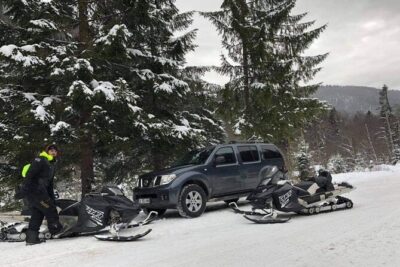 ★ 5.0SnowMobiles Tour in Carpathian MountainsFrom $22955 reviews
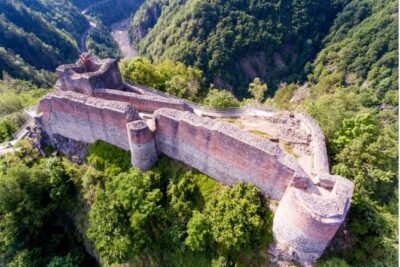 ★ 5.0Small group max 7, Transfăgărășan the Top Gear RoadFrom $13048 reviews
 ★ 5.0Original Carpathian Village Experience and Sinaia in one day tourFrom $17840 reviews
Browse the lists this tour appears in