
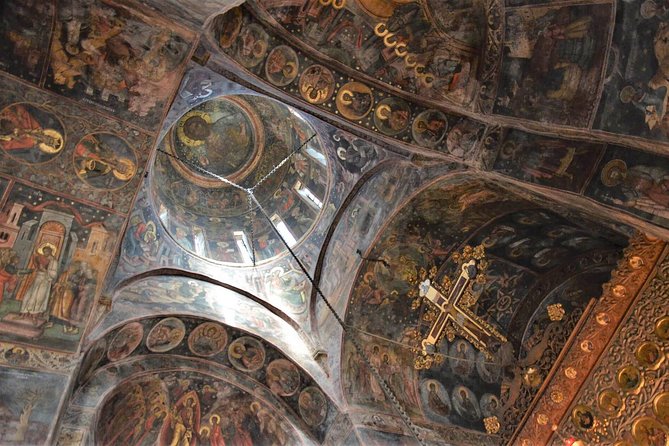
REVIEW · BRAșOV & TRANSYLVANIA
The essence of Saxon Transylvania – 3-day tour of its citadels
Saxon Transylvania hits fast. In three days you’ll walk medieval streets in Sibiu and Sighisoara and hear the real stories behind the legends—thanks to guides such as Gelu, who knows how to turn stone, dates, and power struggles into something you can picture. I love the blend of UNESCO fortifications with everyday Saxon-village life, and I love that the tour keeps moving so you see more than the usual Dracula box-check. One thing to consider: meals aren’t included, so you’ll want to budget time and money for lunch and dinner.
I also like that the big sights are built into the schedule, so you’re not constantly figuring out ticket logistics. With pickup in Bucharest and a private group setup, the pace feels organized, not random. And because this is Romania in real life, you’ll want proper footwear—stairs, cobbles, and uneven old streets are part of the deal.
In This Review
- Key Highlights You’ll Feel Immediately
- Where This Tour Fits in Your Romania Plan
- Cozia Monastery and the Olt Valley Start
- Sibiu: Council Tower Views and Two Church Traditions
- Biertan Fortified Church: A UNESCO Church Built Like a Castle
- Sighisoara Citadel Walk: Clock Tower, Stairs, and Fortification Views
- The “In-Between” Stops: Saschiz and Rupea Fortresses
- Brasov: Black Church, Medieval Streets, and Rope Street
- Bran Castle and Peles Castle: Two Extremes in One Day
- Bran Castle
- Peles Castle
- How the Tour Works: Pickup, Transport, and Included Tickets
- Value Check: Is $914.51 per Person Worth It?
- Who This Tour Suits Best (And Who Might Want Something Else)
- Should You Book Saxon Transylvania’s 3-Day Citadels Tour?
- FAQ
- FAQ
- How long is the Saxon Transylvania citadels tour?
- Where does the tour start?
- What is the price per person?
- What is included in the price?
- Which meals are included?
- Are tickets included for the main sights?
- What are the main places you visit?
- Does the tour use a mobile ticket?
- What are the operating hours?
- What is the cancellation window?
Key Highlights You’ll Feel Immediately
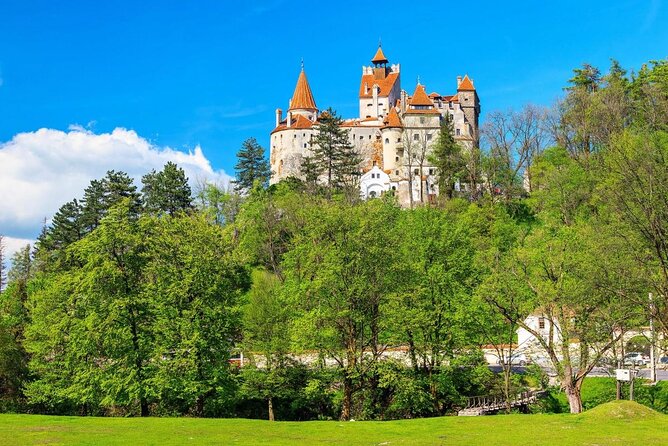
- UNESCO fortified churches: Biertan’s defensive church and the Saxon way of protecting faith
- Sighisoara’s citadel walk: Clock Tower views plus fortification walls and towers
- Brasov’s old-town hits: Black Church, bastions, Rope Street, and medieval lane-hopping
- Dracula lore with context: Bran Castle placed in the politics of routes and control
- Peles Castle contrast: royal-era style that feels nothing like the harsh fortresses
Deeper into Brasov and Saxon Transylvania
- Bucharest: Dracula’s Castle, Peles Castle, & Brasov Old Town★ 4.5 · 17,858 reviews
- Bucharest: Dracula Castle, Peles Castle & Brasov Old Town★ 4.6 · 10,891 reviews
- Bucharest: Dracula’s Castle, Peleș Castle & Brașov Day Trip★ 4.4 · 6,100 reviews
- Bucharest: Day Trip to Dracula Castle, Peles Castle & Brașov★ 4.4 · 3,049 reviews
Where This Tour Fits in Your Romania Plan
This is a “three big days” tour with one clear theme: Saxon Transylvania’s medieval power—and what replaced it. You’ll connect the dots between religion, trade, and competition between regions and empires, because the towns here weren’t built just for beauty. They were built to work, to defend, and to hold influence.
If you like walking cities, photo-worthy viewpoints, and history that explains why buildings look the way they do, you’ll enjoy this format. If you’re only after vampire stuff, you might feel a bit teased: you’ll still visit Bran, but it’s framed by real strategic history, not just spooky marketing.
Cozia Monastery and the Olt Valley Start
Your adventure starts in Bucharest, with pickup offered, then a car ride through the Olt River Valley scenery. The first stop is Cozia Monastery, founded in 1388 by Mircea the Elder. This matters because Mircea the Elder wasn’t just a name on a plaque—he was a Wallachian prince, and he’s directly tied to the larger Vlad family story that pops up later.
Cozia itself is a quick hit—about 30 minutes—with admission noted as free. That brevity is useful. After travel and an early start, it gives you a strong “Romania begins here” mood without burning your whole day before you reach the Saxon towns.
Practical tip: bring a light layer. River valleys can feel cooler even when the cities are warmer.
Sibiu: Council Tower Views and Two Church Traditions
Sibiu is one of those towns where you can feel the Saxon planning in the street layout and public squares. Your guided stop focuses on the old center and the places you’ll actually want to return to on your own later: Grand Square, Small Square, and Albert Huet Square (the oldest square mentioned here, dating to the 12th century).
A standout moment is climbing up to a view from the Council Tower. The tour time is listed as about 2 hours for Sibiu, with admissions noted as free. That’s enough time to do a real walk, not a rushed bus-to-gate sprint.
You also visit two church styles in one go: the Orthodox Cathedral and the Evangelical Church. The Orthodox Cathedral experience is framed around similarities with Constantinople’s Saint Sofia Basilica, which gives you a bigger lens for understanding how religious architecture traveled and changed across borders. Meanwhile, the Evangelical Church reminds you that this region wasn’t religiously uniform.
Possible drawback: expect stairs and uneven steps around historic viewpoints. If you don’t love climbing, you can still enjoy the plazas, but the tower view is the reward for the effort.
Biertan Fortified Church: A UNESCO Church Built Like a Castle
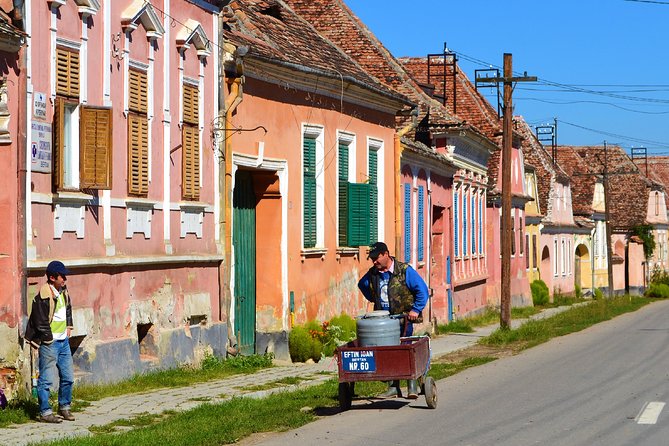
The next day shifts into UNESCO mode at Biertan Fortified Church. From Sibiu you head toward Sighisoara through the Hartibaciu Valley road, crossing Saxon villages and stretching out through deep forest roads. This kind of driving is a hidden benefit. It gives you that “slow Romania” feeling before you hit the most compact medieval sites.
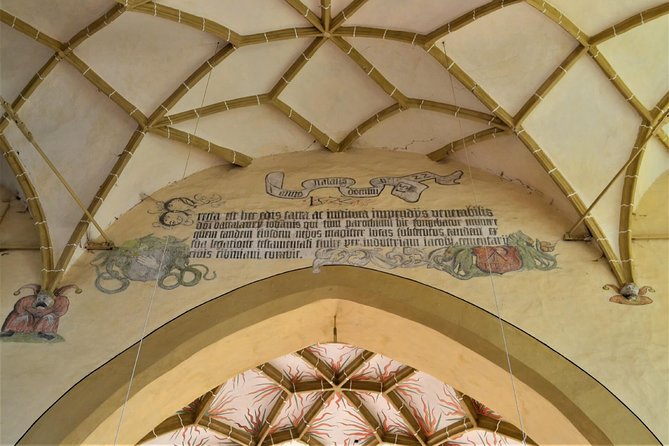
Biertan is the kind of place that changes how you see the word fortification. The church was built between 1486 and 1524, and because Biertan served for centuries as the seat of the Lutheran bishopric, the building was protected with impressive defenses.
You’ll get about 1 hour here. And unlike many sites where you just look at walls, this one connects structure to purpose: defense walls, a beautiful nave ceiling, and a collection of tombstones connected to former bishops and notabilities. It’s not only architecture—it’s a snapshot of how power was stored in stone.
Admission is included, so you won’t need to plan extra ticket stops for this one.
Worth a look before you lock in this Bucharest tour:

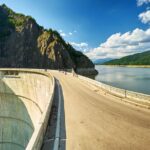


Sighisoara Citadel Walk: Clock Tower, Stairs, and Fortification Views
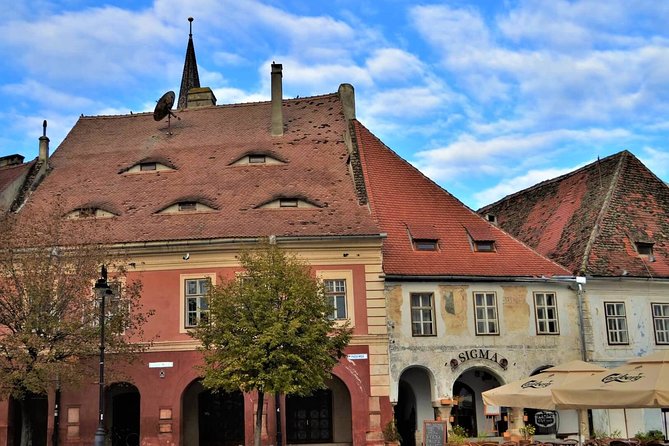
Sighisoara’s citadel is close to Biertan, and the tour gives you a focused visit time of around 2 hours. This is a UNESCO site, and the route is built around the big elements you’ll recognize even before you read any signage: the Clock Tower, the Church on the Hill, the stairs, and the fortifications with towers.
Sighisoara’s best feature is how complete it feels for its size. You walk through layers of defense and religious life, and it’s easy to imagine the town as a working fortress community, not just a postcard.
There’s also a personal-history connection that the tour explicitly ties in: Sighisoara is linked to Vlad the Impaler’s birthplace (as described here). The tour connects Vlad back to Mircea the Elder, the founder of Cozia Monastery—so you get a story thread rather than isolated Dracula references.
Practical tip: expect stairs. The citadel has sections that climb and narrow. Wear shoes with grip; your feet will thank you halfway through.
The “In-Between” Stops: Saschiz and Rupea Fortresses
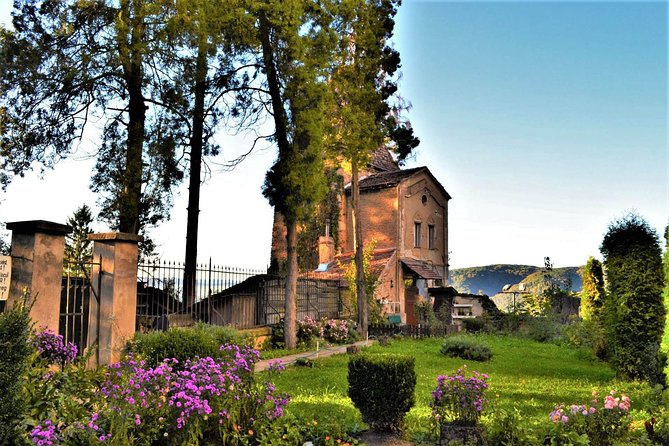
On the way to Brasov, you don’t just transfer between major towns—you pass through older fortified markers that explain how defense spread across the region.
First is Saschiz Fortified Church, a UNESCO monument built toward the end of the 15th century, with a tower that’s compared here to the Clock Tower you just saw in Sighisoara. Even if you only stop briefly, it helps your brain make a pattern: similar defensive logic, different town scale.
Then you get a sighting of Rupea Fortress, described as one of Romania’s oldest fortifications, built over preexisting Roman and Dacian fortresses. That layering matters. It shows the area was strategically important long before the Saxon period, which makes the medieval Saxon story feel grounded rather than invented.
If you’re sensitive to “too many quick stops,” note that these are framed as in-transit highlights, not extra full-day excursions.
Brasov: Black Church, Medieval Streets, and Rope Street
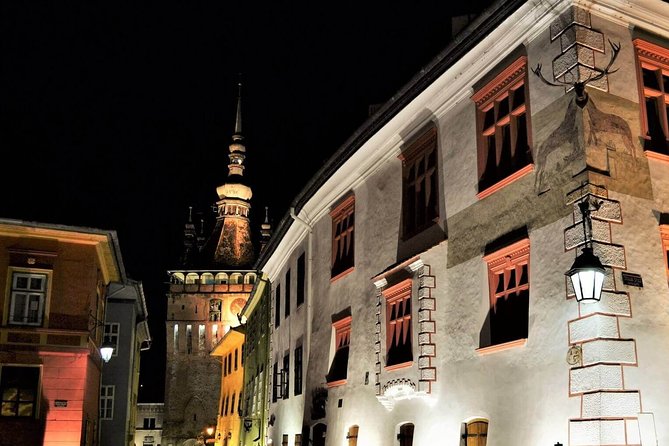
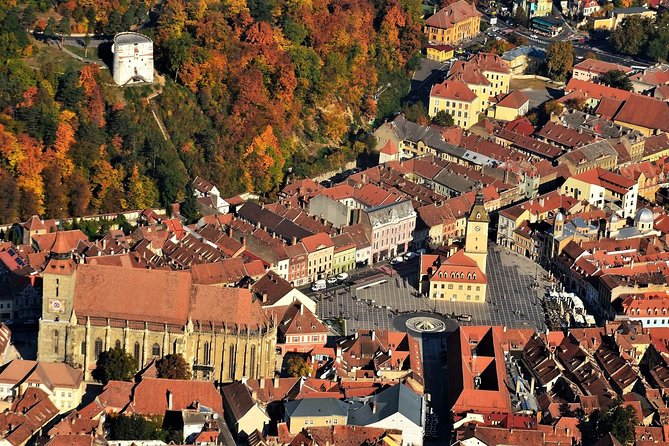
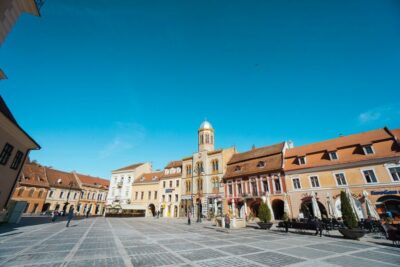
When you reach Brasov, you check in, then head straight to the historical center. Brasov has had a strong role through industry and migration from across Romania, and the tour frames it as a city grown around an early fortress established in 1211 by the Teutonic Knights, later shaped by German settlers after a dispute with the king.
Your Brasov visit includes several key stops:
- Black Church, a 14th-century Gothic monument
- the fortress fortifications, bastions, and towers
- Rope Street, described as one of the narrowest streets in the world
Rope Street is the kind of detail that’s small on paper but fun in real life. It’s a reminder that everyday movement—turning corners, fitting people through space—was designed into these cities, not added later for tourists.
Admission is listed as included for Brasov sights, which helps the value side of the trip. The tour time is about 2 hours in town, which is just long enough to build a mental map without burning your afternoon.
Practical tip: you’ll likely do more walking than you expect. Even with a guided pace, Brasov’s historic center doesn’t reward rushing.
Bran Castle and Peles Castle: Two Extremes in One Day
Day 3 is where the legend and the royal fantasy collide.
Bran Castle
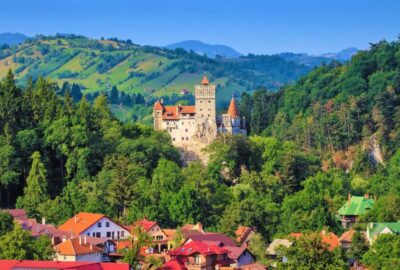
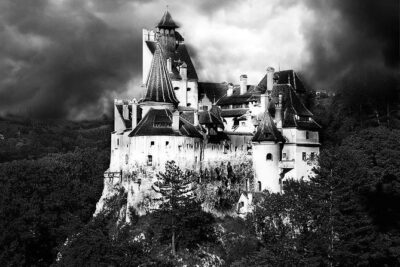
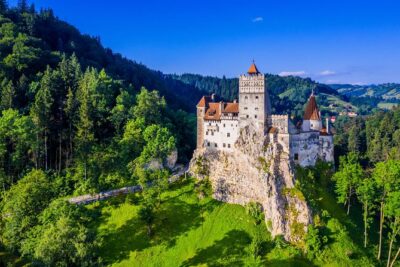
You’ll head from Brasov to Bran, with a sight-from-the-road moment for Rasnov Fortress in the distance. Bran Castle itself is next, and the tour gives you the strategic reason for its existence: it guarded a commercial route between Walachia and Transylvania.
That’s what makes Bran so interesting. Yes, you’ll hear Dracula references—this castle is commonly linked to the idea of the count—but here the emphasis is on why the castle was built: location, defense, and control of movement across rugged terrain.
Admission is included, and the visit is about 2 hours. That’s enough time to see the main structure and the viewpoints without turning it into a marathon.
Peles Castle
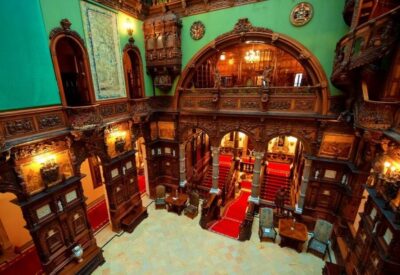
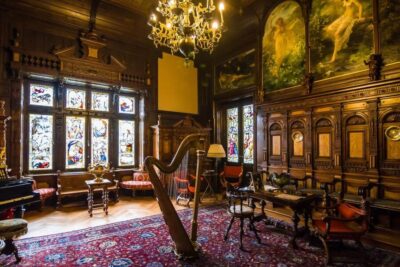
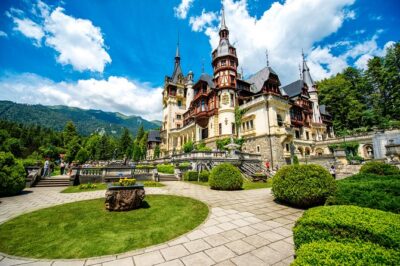
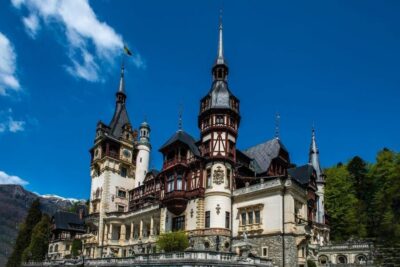
Later in the day you arrive at Sinaia for Peles Castle, built at the end of the 19th century. The contrast with Bran is huge on purpose. Bran is about defense and routes; Peles is about style.
The tour frames the castle through its founder, Carol I of Hohenzollern-Sigmaringen, the first King of Romania. He’s described as unusually sober for someone with a palace this flashy, which makes the whole visit more than just pretty rooms.
Admission is included here too, with about 2 hours. If you like seeing how power expressed itself in architecture—fortress versus royal showpieces—this pairing is a smart way to end the trip.
How the Tour Works: Pickup, Transport, and Included Tickets
This is a private tour/activity, meaning only your group participates. That matters more than it sounds: it usually means less waiting around, less “everyone back on the bus” chaos, and better chances to ask questions when something catches your eye.
Logistics also look smoother because the tour includes:
- an air-conditioned vehicle
- private transportation
- all fees and taxes
- a mobile ticket
- pickup from your Bucharest hotel or the airport (as described)
Most major admissions are included (Biertan, Sighisoara, Brasov, Bran, Peles, plus Saschiz along the way). Cozia Monastery and Sibiu’s cathedral/church visits are listed as free. That mix is handy because it reduces the money you need to pull out on the spot.
One thing to plan: meals aren’t included. The tour schedule includes lunch/rest time in Sibiu and dinner timing will depend on your day’s walking pace. If you’re the type who needs a sit-down lunch to keep energy up, build that into your budget.
Value Check: Is $914.51 per Person Worth It?
At $914.51 per person, the cost isn’t “cheap,” but it’s not random either. You’re paying for a full three-day circuit with guided time, transportation, and a lot of paid entries bundled in.
The value case gets stronger when you look at what’s actually included:
- 2 nights in a 3-star superior hotel/guesthouse (double room occupancy) with breakfast
- private transportation and all fees/taxes
- admissions for the biggest ticket sights like Biertan, Sighisoara, Brasov, Bran, and Peles
Then subtract the likely extras. Meals, photo fees, and flights aren’t included. If you come with a realistic food budget, you won’t feel hit with surprise costs halfway through.
Where this price makes extra sense is for people who want a guided history thread across multiple towns without constantly organizing trains, buses, or driving themselves. You’re not just seeing castles—you’re connecting them.
Who This Tour Suits Best (And Who Might Want Something Else)
This tour is built for you if you:
- like medieval towns where the layout and churches matter
- enjoy explanations that tie legend to real historical forces
- want a guided experience with enough walking time for photos and viewpoints
You might think twice if you:
- hate stairs or uneven cobblestones (there are plenty across citadels and old streets)
- prefer full-day free time with no structure (this is intentionally scheduled and ticket-heavy)
Also, if language barrier anxiety is part of your planning, you’ll be glad the guide experience in reviews highlights very solid English and lots of story-telling. Gelu is specifically mentioned as a strong guide, and the trip is described as exciting thanks to anecdotes, not just facts on a wall.
Should You Book Saxon Transylvania’s 3-Day Citadels Tour?
I think it’s a good booking if you want a focused Saxon Transylvania snapshot with real medieval architecture and UNESCO fortifications, all tied together with clear historical context. The mix of Sibiu’s squares, Sighisoara’s citadel walk, Biertan’s fortified church, and the Bran–Peles contrast gives you variety without losing the theme.
I’d book it if you want convenience too: pickup in Bucharest, private transport, two nights in an included hotel with breakfast, and most admissions handled. Just be honest with yourself about walking and budgeting meals. If you do that, you’ll get a tight, memorable route that feels like more than a checklist.
FAQ
FAQ
How long is the Saxon Transylvania citadels tour?
It runs for 3 days (approx.).
Where does the tour start?
The tour is based in Bucharest, Romania, with pickup offered at your hotel in Bucharest or at the airport.
What is the price per person?
The price is $914.51 per person.
What is included in the price?
Included are an air-conditioned vehicle, private transportation, all fees and taxes, and 2 nights in a 3 star superior hotel/guesthouse with breakfast (double room occupancy).
Which meals are included?
Meals are not included.
Are tickets included for the main sights?
Admission is listed as included for Biertan Fortified Church, Sighisoara citadel sights, Brasov historical center sights, Bran Castle, Peles Castle, and Saschiz fortified church (as part of the route). Cozia Monastery and Sibiu’s visits are listed as free.
What are the main places you visit?
You’ll see Cozia Monastery, Sibiu, Biertan Fortified Church, the Sighisoara citadel, Brasov (including Black Church and Rope Street), Bran Castle, and Peles Castle, with additional fortress sights along the way (such as Saschiz fortified church, Rupea fortress, and Rasnov fortress from afar).
Does the tour use a mobile ticket?
Yes, mobile ticket is listed.
What are the operating hours?
It runs Monday through Sunday from 8:00 AM to 8:00 PM.
What is the cancellation window?
You can cancel up to 6 days in advance for a full refund, 2–6 days in advance for a 50% refund, and less than 2 days in advance is not refundable.
More 3-Day Experiences in Bucharest
- 3-Day Medieval Transylvania Package Tour
★ 4.7 · 31 reviews - 3-Day Explore Transylvania from Bucharest
★ 5.0 · 17 reviews - 3-Day Tour of Transylvania’s Landmarks from Bucharest
★ 5.0 · 16 reviews - 3-Day Private Tour of Medieval Transylvania from Bucharest
★ 5.0 · 15 reviews - 3 Days Private Tour in Romania from Bucharest with Tour Guide
★ 5.0 · 12 reviews - Medieval Transylvania: Shared 3-Day Tour from Bucharest
★ 5.0 · 12 reviews
More Tour Reviews in Bucharest
- Bucharest: Dracula’s Castle, Peles Castle, & Brasov Old Town
★ 4.5 · 17,858 reviews - Bucharest: Dracula Castle, Peles Castle & Brasov Old Town
★ 4.6 · 10,891 reviews - Bucharest: Dracula’s Castle, Peleș Castle & Brașov Day Trip
★ 4.4 · 6,100 reviews - Bucharest: Palace of Parliament Tickets and Guide
★ 4.3 · 3,182 reviews - Bucharest: Day Trip to Dracula Castle, Peles Castle & Brașov
★ 4.4 · 3,049 reviews - Bucharest to Dracula Castle, Peles Castle and Brasov Guided Tour
★ 4.5 · 2,933 reviews
Brasov and Saxon Transylvania
- Bucharest: Dracula’s Castle, Peles Castle, & Brasov Old Town
★ 4.5 · 17,858 reviews - Bucharest: Dracula Castle, Peles Castle & Brasov Old Town
★ 4.6 · 10,891 reviews - Bucharest: Dracula’s Castle, Peleș Castle & Brașov Day Trip
★ 4.4 · 6,100 reviews - Bucharest: Day Trip to Dracula Castle, Peles Castle & Brașov
★ 4.4 · 3,049 reviews - Bucharest to Dracula Castle, Peles Castle and Brasov Guided Tour
★ 4.5 · 2,933 reviews - Dracula’s Castle, Peles Castle and Brasov Day Trip from Bucharest
★ 4.5 · 1,804 reviews
Just In: The Latest Bucharest Reviews

Brașov & Transylvania, compared.
 ★ 4.5Dracula’s Castle, Peles Castle, & Brasov Old TownFrom $4017,858 reviews
 ★ 4.6Dracula Castle, Peles Castle & Brasov Old TownFrom $4010,891 reviews
 ★ 4.4Dracula’s Castle, Peleș Castle & Brașov Day TripFrom $366,100 reviews
 ★ 4.4Day Trip to Dracula Castle, Peles Castle & BrașovFrom $453,049 reviews
 ★ 4.5Bucharest to Dracula Castle, Peles Castle and Brasov Guided TourFrom $332,933 reviews
 ★ 4.5Dracula’s Castle, Peles Castle and Brasov Day Trip from BucharestFrom $331,804 reviews
 ★ 4.5Transylvania and Dracula Castle Full Day Tour from BucharestFrom $351,589 reviews
 ★ 4.5From Bucharest: Brasov Peles & Dracula’s Castle Day TourFrom $651,244 reviews
Browse the lists this tour appears in