
REVIEW · PALACE OF PARLIAMENT
Spanish & Italian guided tour – Palace of Parliament
The Palace of Parliament is all drama. I like the Honor Hallway torsos and the tour’s clean focus on the Pink Room and the biggest public spaces. The hour is short, but it gives you a fast handle on why this building still grabs attention.
One thing to keep in mind: it’s a one-hour route, so you’ll only see a small slice of the complex. Also, expect a strict passport/ID security check before you get inside.
In This Review
- Key things to know before you go
- Where the hour starts: meeting at Bulevardul Națiunile Unite 4
- Security rules that can make or break your entry
- Honor Hallway: the torsos that set the tone
- The enormous hallways and the named rooms
- Pink Room and ONU meetings: color with a mission
- Music Hall: when the palace connects to international stages
- The grand ballroom finale: the scale is hard to forget
- How much of the palace you’ll actually see
- Spanish or Italian: language quality can vary, so plan around it
- Price and value: is $43 for one hour worth it?
- Practical tips for a smooth entry day
- Who should book this tour (and who should skip it)
- Should you book this Palace of Parliament tour?
- FAQ
- How long is the guided tour?
- What language is the live guide?
- Where is the meeting point?
- What time should I arrive?
- Do I need to bring my passport or ID?
- Are driver’s licenses or photocopies accepted?
- What’s included in the price?
- Is the tour refundable if plans change?
- Is the tour suitable for wheelchair users or mobility impairments?
Key things to know before you go
- Torsos in the Honor Hallway: kings and leaders, from medieval Romania to modern figures
- Room names you’ll actually recognize: corridors tied to Romanian writers and artists
- Pink Room tied to ONU meetings: a standout stop with a specific diplomatic purpose
- Music Hall: a major performance space that connects the building to international events
- The final ballroom is massive: the tour ends in a hall compared to four football fields
- Expect route changes: this is a working parliament, so plans can shift for security or events
Inside Ceausescu's colossal Palace of Parliament
- Bucharest: Palace of Parliament Tickets and Guided Tour★ 4.4 · 1,877 reviews
- Bucharest: Parliament Palace Skip-the-line Ticket★ 4.2 · 1,518 reviews
- Palace of Parliament in Bucharest – fast-track tickets and guide★ 4.0 · 450 reviews
- Bucharest: Parliament, Ceausescu House & Village Museum Tour★ 5.0 · 208 reviews
Where the hour starts: meeting at Bulevardul Națiunile Unite 4
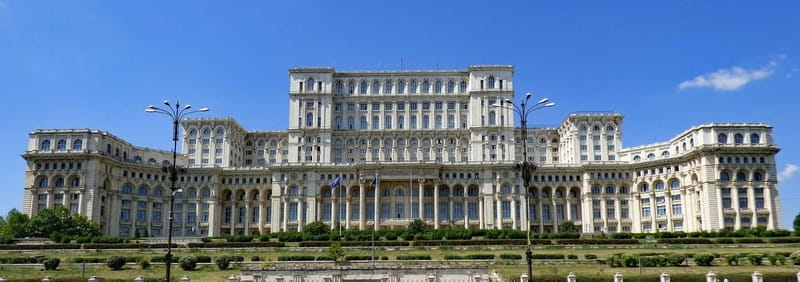
Your visit is built around one practical goal: getting you past the first gate quickly, then into the high-impact rooms. The meeting point is Bulevardul Națiunile Unite 4, and you’ll return there at the end. The exact meeting time matters because you’re asked to arrive 30 minutes before the starting time to allow for check-in and security.
I recommend treating this like an airport moment, not a casual sightseeing stroll. You’ll pass metal detectors as part of entry, so plan to move at a steady pace and avoid arriving flustered. If you’re the kind of person who likes last-minute photos, save them for after the security line.
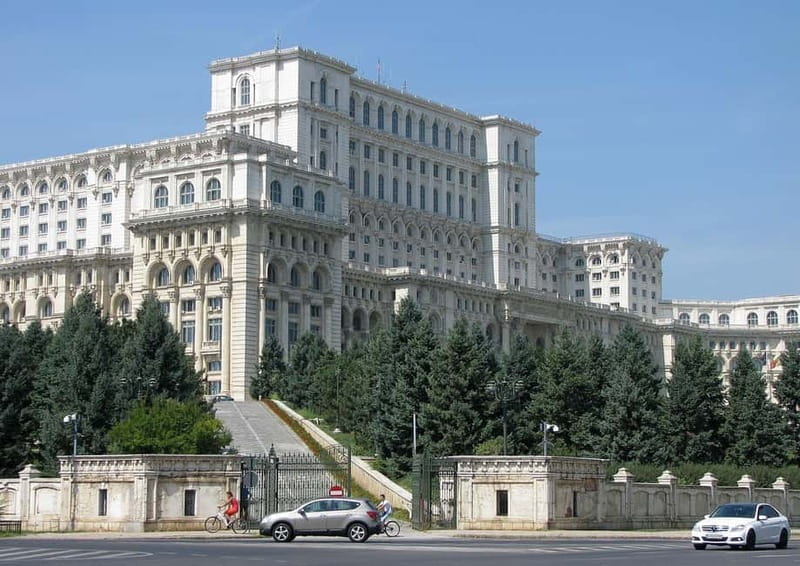
Also, don’t be surprised if your exact path inside the building shifts. This is the House of the Romanian Parliament, so admissions, security procedures, or assemblies inside the complex can change what you see.
Security rules that can make or break your entry
This tour requires original identification. For EU citizens, bring your passport or ID card in original form. For non-EU passports, bring the passport original for the security check.
Important practical detail: a driver’s license (or photocopies of your ID/passport) isn’t accepted. That rule sounds strict because it is strict. If you show up without the correct documents, you may simply not be able to get into the building.
If you want this hour to feel smooth instead of stressful, do these two things before you leave your hotel:
- Put your passport/ID in a dedicated pocket or small pouch
- Double-check the spelling and document type (passport vs ID card) so you don’t lose time at the counter
Honor Hallway: the torsos that set the tone
Once you’re inside, the first major stop is the Honor Hallway, where you’ll see torsos representing representative Romanian kings across eras. It’s not just decoration. The idea is to frame Romanian identity through recognizable figures, from medieval leadership to more recent rulers.
Among the names you’ll encounter are Vlad Dracula and Stefan cel Mare, plus later political figures like Alexandru Ioan Cuza. Even if you don’t know every name, the hallway gives you a clear visual story: power, continuity, and national pride, told through sculpture.
Why I like this first: it’s a quick orientation tool. You walk in and immediately understand the building’s mindset. This is a palace designed to impress, but also to communicate something about legitimacy and heritage.
Photo tip: you’ll likely want to slow down and frame shots carefully, because the hallway is designed for viewing from specific angles. Move with the group, but don’t rush the moments where the guide is naming figures—those are the moments that turn marble into meaning.
The enormous hallways and the named rooms
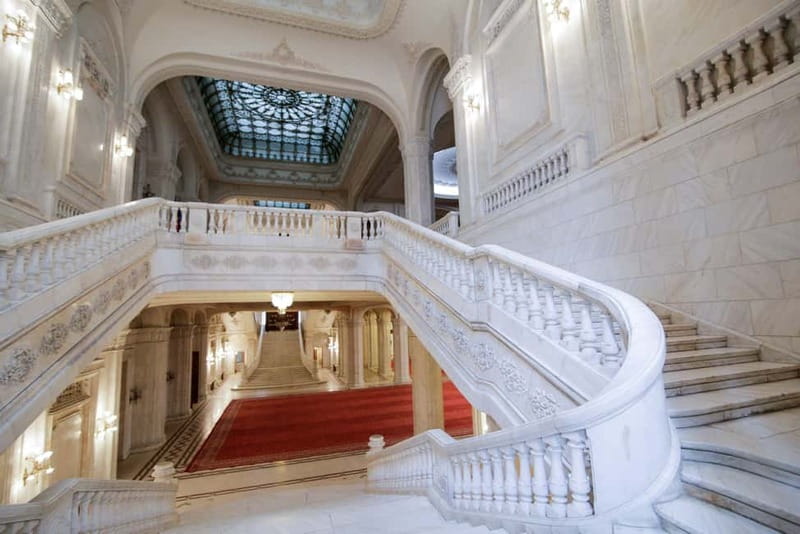
After the Honor Hallway, you’ll move into large corridors and rooms named after Romanian artists, poets, and writers. This is a smart use of limited time, because it connects the building to Romania’s cultural identity in a way you can actually track.
You’ll hear names such as N. Balcescu and M. Kogalniceanu. What to pay attention to here is less about memorizing dates and more about seeing how themes are placed into architecture. Even in a communist-era structure, the symbolism is presented through people and ideas—culture alongside governance.
The building’s scale can feel like a maze, so the guide matters. On this kind of visit, a strong guide helps you stay oriented by giving you a mental map: hallways lead to rooms, rooms reflect themes, and each stop has a purpose. Some guides also explain the way different spaces were used, which helps the rooms feel less random.
A small drawback: because the palace is huge, you’re seeing highlighted sections, not everything. That means you’ll appreciate the big storytelling stops most if you’re okay with a fast pace.
Pink Room and ONU meetings: color with a mission
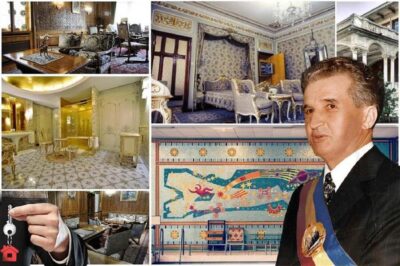
One standout stop is the Pink room, described as dedicated to ONU meetings. The name alone tells you this isn’t just a normal office space. It’s a room built to be seen, used, and recognized—an official interior with a clear diplomatic purpose.
This is where architecture starts working like theatre. A color-heavy room signals intention: this isn’t meant for casual use. It’s meant for occasions that carry political weight, and the guide’s explanation helps you understand why that matters in a building like this.
If you like spaces where design is tied to function, you’ll enjoy this stop. Even if you’re not a politics person, you can still appreciate the idea: this hall isn’t only about power at home; it’s also about projecting image outward.
Music Hall: when the palace connects to international stages
Next comes the Music Hall, a space where some of the world’s biggest artists performed. That detail changes the mood in a useful way. It’s still a monumental state building, but the Music Hall brings performance energy into the mix.
I like this stop because it gives you a different angle on the complex. Instead of only thinking about government and symbolism, you can also imagine how the same walls might have held concerts and big public-facing events.
In practical terms, you’ll likely spend enough time here to see the room’s scale and listen to the guide’s points. Don’t expect a long musical session; this is still a guided walking tour. But it’s a memorable “oh, this place did more than speeches” moment.
The grand ballroom finale: the scale is hard to forget
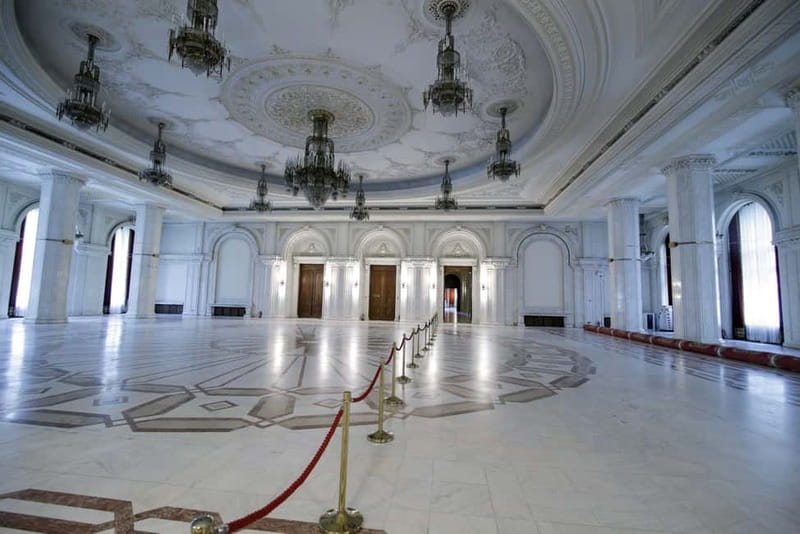
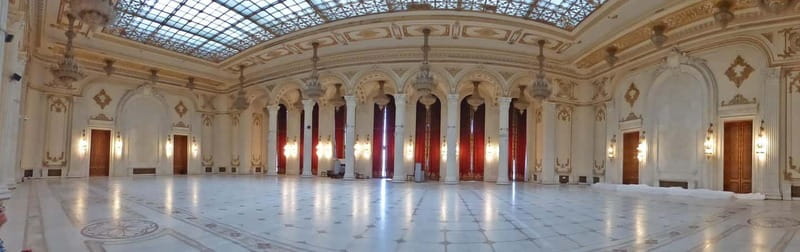
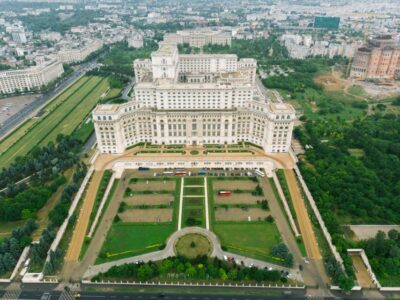
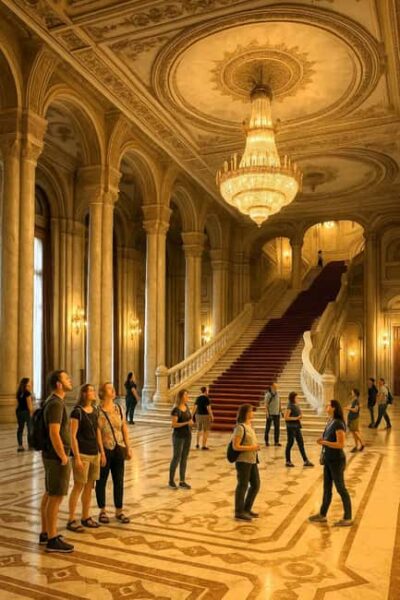
The tour ends in something the building is often described as Europe’s biggest ballroom—comparable to the size of four football fields attached together.
That comparison matters because it gives you a way to measure the space. When you stand in a huge room, your brain guesses too fast. The guide’s framing helps you understand you’re not just in a big hall—you’re in a space designed to overwhelm.
This is a great ending stop because it forces your perspective wider. Even if you felt like the earlier rooms moved quickly, the ballroom gives you time to slow down and take in the full effect.
If you’re a photographer, this is probably where you’ll get your strongest “Palace of Parliament” image. Just follow the guide and don’t block others while aiming for the perfect angle.
How much of the palace you’ll actually see
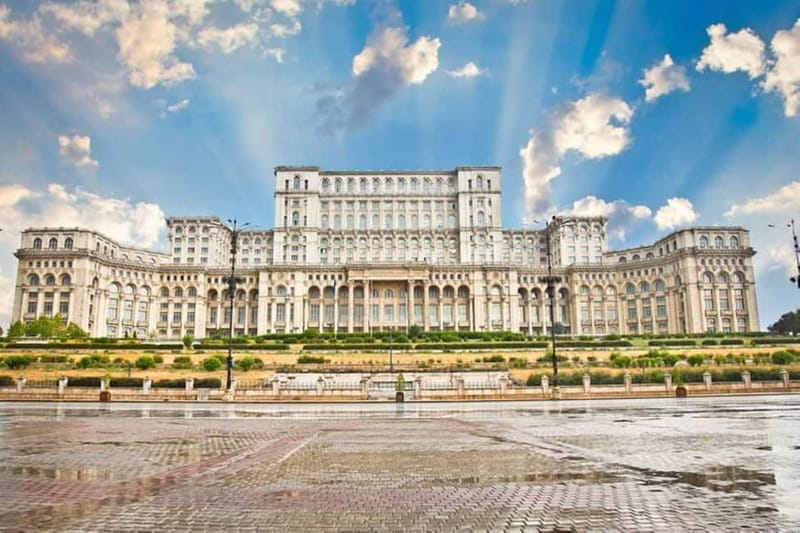
Here’s the honest expectation you should carry into this visit: you won’t see the whole building. In fact, the route is described as covering only about 5% of the complex.
That doesn’t mean the tour is a letdown. It means it’s a specific product: a focused overview that hits the big signature spaces. If you want a deep, room-by-room education across the entire palace, one hour is not enough time.
Think of it like a highlight reel. You’ll get the rooms that do the heavy lifting: the symbolic sculpture corridor, the culturally named areas, the pink diplomatic room, the performance chamber, and finally the ballroom scale.
Also, because the building can change access due to security or internal assemblies, you might not see your exact route in the order you expect. Treat that as part of visiting a live government site, not a flaw in the tour.
Spanish or Italian: language quality can vary, so plan around it
The live guide language is Italian or Spanish, depending on what you book. Language quality matters here because the tour’s value comes from explanation. You’re not just walking through halls; you’re decoding what you’re seeing.
One guide named Carmen stands out in the feedback: she’s described as friendly and very good at explaining each corner. When you get someone like that, the hour can feel well-paced and fun.
On the other hand, you should know that Spanish proficiency can be a factor with guides. If you’re booking Spanish, you’ll likely be fine, but if your language needs are strict, I’d treat this as a “guided overview” rather than a guaranteed academic lecture in perfect phrasing.
Price and value: is $43 for one hour worth it?
At about $43 per person, the value makes sense if you want an efficient, high-impact interior visit. This price includes entry tickets plus a live guide, so you’re paying for two key things:
- permission to access the palace spaces
- a person to translate the architecture and symbolism into something you can understand fast
Is it a bargain? It depends on your travel style. If you’re the type who likes long museum mornings with lots of sitting time, you might feel the hour is too short. If you’re here for the main stops and you like your experiences structured, it’s a decent use of time.
My rule of thumb: for the Palace of Parliament, start with the guided highlight tour, then decide later if you want more time. This one-hour version gives you the “what am I looking at” foundation.
Practical tips for a smooth entry day
A few small choices can save you real hassle:
- Bring your passport/ID original. No photocopies. No driver’s license.
- Arrive early because meeting time is 30 minutes before the tour start.
- Be ready for security screening. You’ll go through metal detectors.
- Wear shoes you can stand in for a short while. The tour is not listed as suitable for wheelchair users or people with mobility impairments.
Also, keep your expectations realistic about pace. The palace is huge, and the route is designed to hit major rooms without turning into a marathon.
If you want the best experience, keep your questions in your head until the guide pauses. It’s a group tour inside a security-controlled building, so constant interruptions can slow everyone down.
Who should book this tour (and who should skip it)
This is a strong match if:
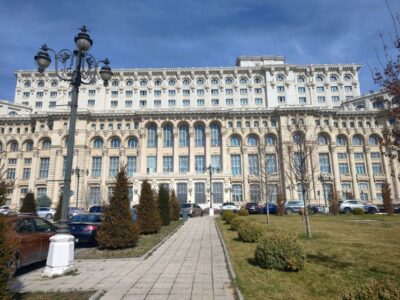
- you want a first look at Bucharest’s most famous communist-era structure
- you like guided storytelling tied to specific rooms and names
- you want one focused hour instead of a half-day commitment
It may not be the best fit if:
- you have mobility constraints, since it isn’t suitable for wheelchair users
- you’re looking for a long, room-by-room deep dive across more than the signature areas
If you’re visiting with kids, the biggest wow factor is likely the scale of the rooms and the torsos in the Honor Hallway, plus that enormous ballroom finale.
Should you book this Palace of Parliament tour?
Book it if you want a controlled, guided highlight route that covers the big signature spaces in about an hour, especially if you’ll be visiting the building for the first time. The inclusion of entry tickets and a live Italian or Spanish guide makes the $43 feel reasonable for what you get.
Skip or rethink it if you need accessibility support or you know you want more than a quick overview. In that case, you’ll likely want a longer visit option that lets you linger.
If you do book: bring your original ID, show up early, and be open to the fact that security and internal events can change the exact route. With that mindset, this tour is one of the fastest ways to understand why this palace still feels like a monument to both power and propaganda.
FAQ
How long is the guided tour?
The duration is 1 hour.
What language is the live guide?
The live tour guide is available in Italian or Spanish.
Where is the meeting point?
The meeting point is listed as Bulevardul Națiunile Unite 4, and it may vary depending on the option booked.
What time should I arrive?
You should arrive 30 minutes before the starting time.
Do I need to bring my passport or ID?
Yes. EU members should bring an EU passport or ID in original form. Non-EU passports must be brought in original for the security check.
Are driver’s licenses or photocopies accepted?
No. Driver’s license and photocopies of the IDs/passports are not accepted.
What’s included in the price?
Your ticket includes entry tickets and a live guided tour.
Is the tour refundable if plans change?
You can cancel up to 24 hours in advance for a full refund.
Is the tour suitable for wheelchair users or mobility impairments?
No, it is not suitable for people with mobility impairments or wheelchair users.
More Tour Reviews in Bucharest
- Bucharest: Dracula’s Castle, Peles Castle, & Brasov Old Town
★ 4.5 · 17,858 reviews - Bucharest: Dracula Castle, Peles Castle & Brasov Old Town
★ 4.6 · 10,891 reviews - Bucharest: Dracula’s Castle, Peleș Castle & Brașov Day Trip
★ 4.4 · 6,100 reviews - Bucharest: Palace of Parliament Tickets and Guide
★ 4.3 · 3,182 reviews - Bucharest: Day Trip to Dracula Castle, Peles Castle & Brașov
★ 4.4 · 3,049 reviews - Bucharest to Dracula Castle, Peles Castle and Brasov Guided Tour
★ 4.5 · 2,933 reviews
Inside the Palace of Parliament
- Bucharest: Palace of Parliament Tickets and Guide
★ 4.3 · 3,182 reviews - Bucharest: Palace of Parliament Tickets and Guided Tour
★ 4.4 · 1,877 reviews - Bucharest: Parliament Palace Skip-the-line Ticket
★ 4.2 · 1,518 reviews - Palace of Parliament in Bucharest – fast-track tickets and guide
★ 4.0 · 450 reviews - Bucharest: Parliament, Ceausescu House & Village Museum Tour
★ 5.0 · 208 reviews - Bucharest: Parliament Senate Entry Tickets and Guided Tour
★ 4.5 · 163 reviews
Just In: The Latest Bucharest Reviews


Palace of Parliament, compared.
 ★ 4.3Palace of Parliament Tickets and GuideFrom $383,182 reviews
 ★ 4.4Palace of Parliament Tickets and Guided TourFrom $281,877 reviews
 ★ 4.2Parliament Palace Skip-the-line TicketFrom $291,518 reviews
Palace of Parliament in Bucharest – fast-track tickets and guideFrom $39450 reviews
★ 4.2Parliament Palace Skip-the-line TicketFrom $291,518 reviews
Palace of Parliament in Bucharest – fast-track tickets and guideFrom $39450 reviews
 ★ 5.0Parliament, Ceausescu House & Village Museum TourFrom $1208 reviews
 ★ 4.5Parliament Senate Entry Tickets and Guided TourFrom $28163 reviews
 ★ 4.9Palace of Parliament, Ceausescu House & Village MuseumFrom $186 reviews
 ★ 4.0Skip the Line Ticket of the Palace of Parliament in BucharestFrom $2871 reviews
Browse the lists this tour appears in