
REVIEW · BRAșOV & TRANSYLVANIA
Classic Romania Tour – small group in 8 days: Transylvania and Maramures
Romania’s history hits hard in small places. This route strings together Transylvania legends, UNESCO sites, and Maramureș traditions, starting and ending in Bucharest. You also get a private English-speaking guide and organized transport, so the trip feels smooth even when days are full.
I especially like the combo of major sights and local rhythm. Bran Castle and Peles Castle give you the big-name contrast to the quieter medieval streets in towns like Sibiu and Brașov, and the Turda Salt Mine is one of those rare stops that feels totally different from everything above ground. The tour also leans into hands-on culture, including a horse-drawn carriage ride and a folk show dinner.
The main drawback to plan for is the pace. You’re moving by car most days, with multiple guided stops plus walking (including a climb of about 300 steps in Sighișoara), so pack for moderate physical fitness and bring good footwear.
In This Review
- Key highlights worth getting excited about
- Bucharest first: Old Town energy and the Parliament workaround
- Olt Valley monasteries to Sibiu: medieval faith with real scenery
- Cluj and Alba Iulia: Gothic streets, star-shaped fortifications, and a salt mine
- Maramureș country: wooden houses, Breb village, and Săpînţa’s laughing cemetery
- UNESCO wooden churches and workshops in the north
- Biertan, Sighișoara, and Viscri: fortress views and a royal house
- Brașov streets, Bran Castle legends, and Sinaia’s Peles finish
- How the schedule feels: private transport, small group, and a doable pace
- Price and value: what $2,339.64 really buys you
- Who should book this tour (and who should skip)
- Should you book Classic Romania Tour: Transylvania and Maramures?
- FAQ
- Is the tour pickup included?
- Can I visit the Palace of the Parliament on this tour?
- How many people are in the group?
- What’s included in the price?
- What is not included?
- What kind of fitness level do I need?
- How do single rooms and child pricing work?
Key highlights worth getting excited about
- A max group size of 6 means you’re not lost in a crowd, and your guide can adjust the day
- UNESCO sites across styles: wooden churches, a fortified church, and an inhabited medieval fortress
- The Turda Salt Mine delivers one of the most photogenic interiors on the whole route
- Maramureș village life + Săpînţa’s merry cemetery gives you Romania’s humor alongside its hardship
- Royal connections in Viscri through a traditional house restored by Prince Charles
- Castle day without total chaos: Bran + Sinaia + Peles in a single logical run from Brașov
Deeper into Brasov and Saxon Transylvania
- Bucharest: Dracula’s Castle, Peles Castle, & Brasov Old Town★ 4.5 · 17,858 reviews
- Bucharest: Dracula Castle, Peles Castle & Brasov Old Town★ 4.6 · 10,891 reviews
- Bucharest: Dracula’s Castle, Peleș Castle & Brașov Day Trip★ 4.4 · 6,100 reviews
- Bucharest: Day Trip to Dracula Castle, Peles Castle & Brașov★ 4.4 · 3,049 reviews
Bucharest first: Old Town energy and the Parliament workaround
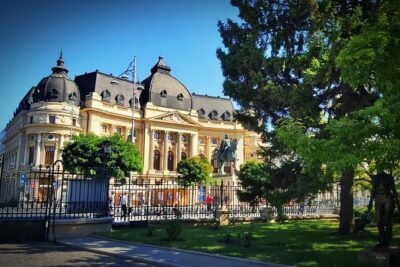
Most tours rush into Bucharest and then leave. This one actually gives you a proper orientation on day one, starting with a guided look at the city’s big political landmark from the communist era: the Palace of the Parliament.
There’s an important real-world note though. The Palace of the Parliament isn’t visitable right now (it’s closed until June), so the tour replaces it with the Spring Palace. That’s a smart swap because you still get the grand scale and the story behind it, without wasting time standing outside waiting for access.
After that, you’ll head to the Old Town for a guided sightseeing walk. This is the part of Bucharest where the city feels like a mix of European influences—plus a reminder of how communist rule shaped what you see today. Expect atmosphere, built texture, and plenty of chances to orient yourself for the rest of the trip.
If you want an easy first day, this works. You get structure, and then you’re done early enough to settle in.
Olt Valley monasteries to Sibiu: medieval faith with real scenery
Day two slows things down just enough to feel like you’re leaving the city behind. You start with a religious stop at Curtea de Argeș Monastery, set at the foot of the Carpathians. It’s the kind of location that helps you understand why monasteries in this region weren’t just spiritual centers—they also shaped the landscape around daily life.
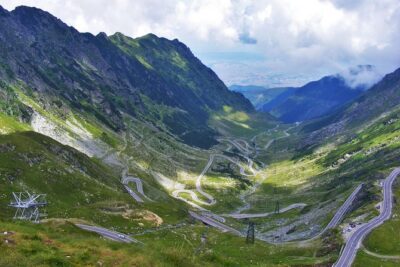
Next comes Cozia Monastery, which is described around national medieval art and architecture. There’s also a seasonal substitution you should know about: in summer (mid-June to early November), the visit to Cozia Monastery is replaced with a road trip on Transfăgărășan. If you’re traveling in that window, it’s worth expecting more driving time and a more road-trip feel, while still keeping the medieval theme through the rest of the day.
Then you reach Sibiu, a city with a strong pedestrian core and an easy rhythm for a walking tour. The route includes the Main Square, the Brukenthal Museum building, the Roman Catholic Cathedral, and Huet Square with the Evangelical Church. This is one of those days where you learn how different communities coexisted and how their buildings still shape the city center.
You’ll also cross the Bridge of Lies, plus pass the staircase area that connects parts of the old town. The stop is more than a quirky landmark—it’s a quick snapshot of how Sibiu mixes story, architecture, and local character.
By the end of the day, you land in Sibiu for the night, which is exactly what you want when you’ve got more historic stops ahead.
Cluj and Alba Iulia: Gothic streets, star-shaped fortifications, and a salt mine
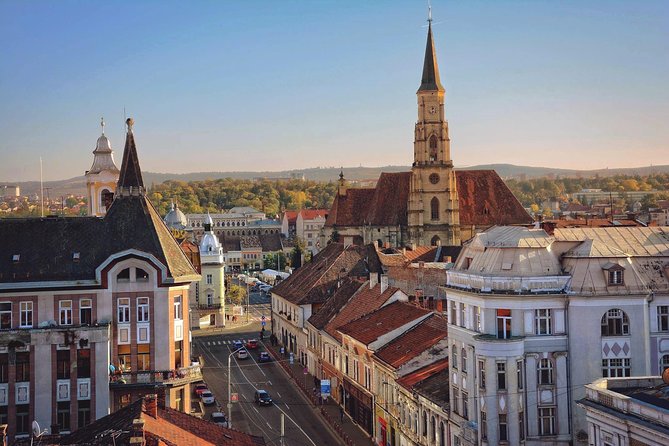
Day three and day four together cover a big chunk of Central Transylvania’s “big-city meets legend” character. Day three starts in Cluj-Napoca, with a city tour that begins at St Michael’s Gothic Cathedral overlooking the central square.
You then move through key landmarks like Banffy Palace and Mirror Street. That’s a good mix because it’s not just one style or one era. You get Gothic religious architecture, civic grandeur, and then the smaller street-level look that makes cities feel lived-in.
After Cluj, you head toward Alba Iulia to see the largest fortress in Romania, built in a star shape and surrounded by about 12 km of walls. The fortress has layers: Roman fort roots, Middle Ages fortification, then a Vauban-type citadel with bastions. That layering matters because it explains why the shape of the place looks the way it does—you’re not just admiring walls; you’re reading centuries in stone.
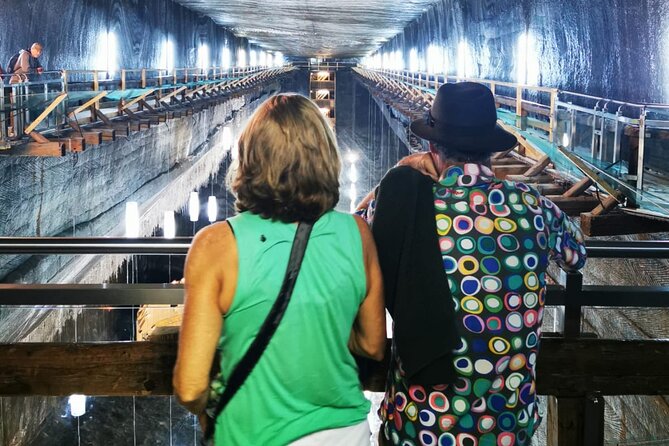
Then comes Turda Salt Mine. This is one stop where the “tourist trap” label doesn’t fit. It’s described as a subterranean cave carved in salt with galleries, halls, and a huge interior space (including a hall that reaches 118 meters tall, plus a lake at the bottom). In practice, it gives you a dramatic change of pace: you go from open air cities and fortifications to something that feels like an underground world.
The tour also calls out that this is where you’ll get that kind of photo that actually surprises people. Even if you’re not chasing pics, the mine is a rare sensory break in a week packed with buildings and legends.
Overnight in Cluj-Napoca keeps the schedule coherent—one night to process all that architecture before you swing north.
Maramureș country: wooden houses, Breb village, and Săpînţa’s laughing cemetery
Day four shifts from Transylvania’s urban centers to something closer to an open-air museum feel. You travel toward Maramureș, where traditional wooden houses connect the present to centuries of rural life. The tour emphasizes the region’s resilience—people living through hardship and valuing spirit and community.
You visit Breb, one of the best preserved traditional villages, and get time to explore local ways of living, including contact with residents and a look inside an authentic house. This isn’t just walking around buildings. It’s designed to help you understand the culture behind the architecture.
Lunch is also part of the package here: fresh local products and fruity liqueurs are included, which helps you experience the region’s flavor without hunting for it after a long drive.
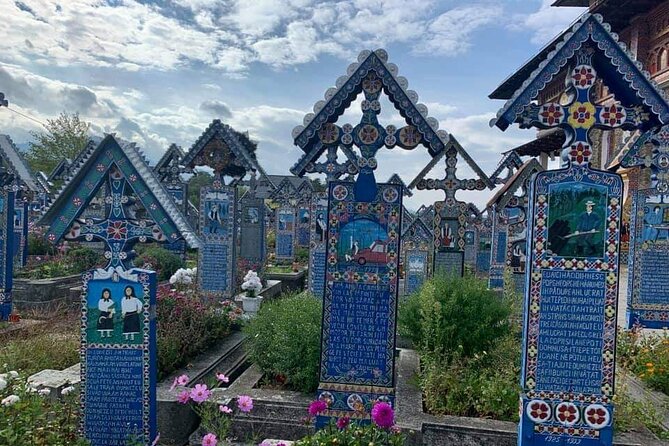
Later you reach Săpînţa and see the world’s only community with a merry cemetery. Instead of solemn stone markers, you’ll see brightly painted wooden crosses with witty, humorous quatrains inspired by the people who have passed. That blend of humor and memory is unusual, and it’s exactly the kind of stop that makes a trip feel more human than scenic.
The day ends with a Romanian traditional dinner and a folkloric show. That’s a good way to land the Maramureș theme: you see everyday life, then you hear it performed.

UNESCO wooden churches and workshops in the north
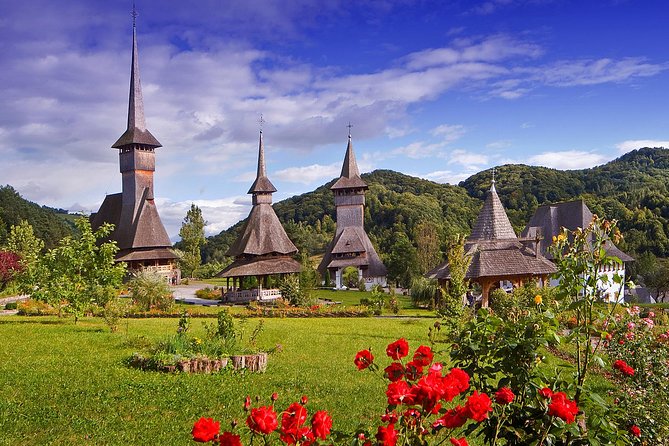
Day five focuses on a different kind of Transylvanian spirituality—wood. You visit two churches that are part of the UNESCO World Heritage Site: Poienile Izei (Iza Meadows) and Barsana. Both are Orthodox wooden churches, described as major examples of the region’s craftsmanship.
Barsana is noted as one of the largest Orthodox architectural ensembles in Romania, while Poienile Izei is associated with the meadows area and the tradition of wooden church culture. The key here is that the visit is meant to be about skill passed down across generations, not just a pretty building.
You’ll also see craft work through a visit to a workshop of a local artisan. That means you get the chance to buy handmade souvenirs that match what you’re learning about on-site. It’s a better souvenir strategy than picking up something generic after the fact.
The tour also includes time for local food tasting in a picturesque, well-preserved region where locals use their own harvest from their gardens. Then you move toward Târgu Mureș for the night, a city recognized for ethnic and cultural diversity.
This is a good day to keep expectations realistic. You’ll be outside, walking between village stops, and your schedule is built around UNESCO sites and learning the “how” behind the “wow.”
Biertan, Sighișoara, and Viscri: fortress views and a royal house
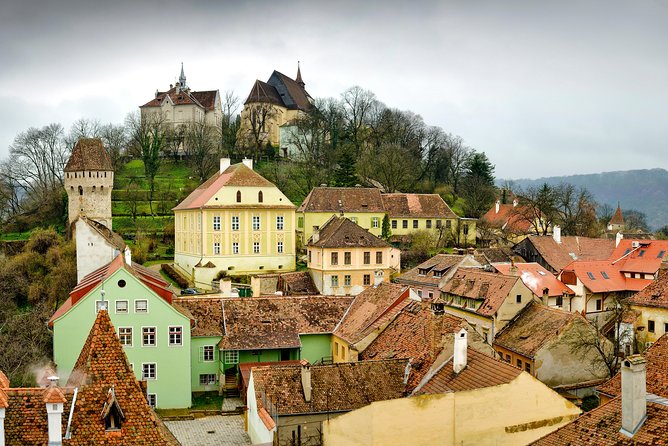
Day six takes you back into fortified and medieval territory. You start with Biertan, described as the largest fortified church in Transylvania, built by the Saxons in the sixteenth century and listed as a UNESCO monument. The point of stopping here is understanding how communities defended themselves. It’s not only a church visit—it’s a look at a whole defensive system wrapped in religious meaning.
Then the tour moves to Sighișoara, the only inhabited medieval fortress included in UNESCO’s World Heritage Sites. Walking up winding cobblestone streets here feels like you’re stepping into the kind of medieval layout that’s hard to recreate elsewhere.
You’ll visit the Clock Tower, along with a museum of medieval weapons and a torture chamber (so yes, this is the heavier edge of medieval storytelling). After that, the tour includes climbing about 300 wooden steps to reach the Church-on-the-Hill. That climb is worth doing—if you pace yourself and take breaks, it’s manageable—but it’s also the day’s most physical moment.
Next is Viscri, where the tour ties architecture to living tradition. A traditional house restored by Prince Charles is included, and you also get time to admire specific Viscri houses. There’s even a horse-drawn carriage ride through the village and a stop to enjoy home-made cake. That’s the kind of “small” included moment that makes the whole week feel less like sightseeing and more like time spent somewhere.
Then you end in Brașov, with overnight there to prepare for your castle-heavy finale.
Brașov streets, Bran Castle legends, and Sinaia’s Peles finish
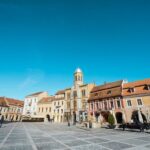
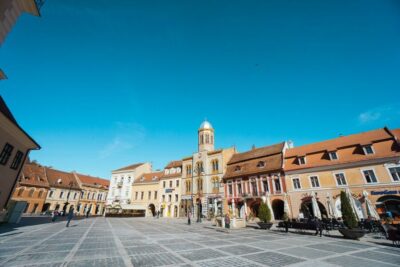
Brașov day starts with a walking tour of the old town: narrow streets, Council Square, and the Black Church. This combination matters. You get the compact medieval feel (the tight streets and square geometry), plus a major landmark that anchors the story of the city.
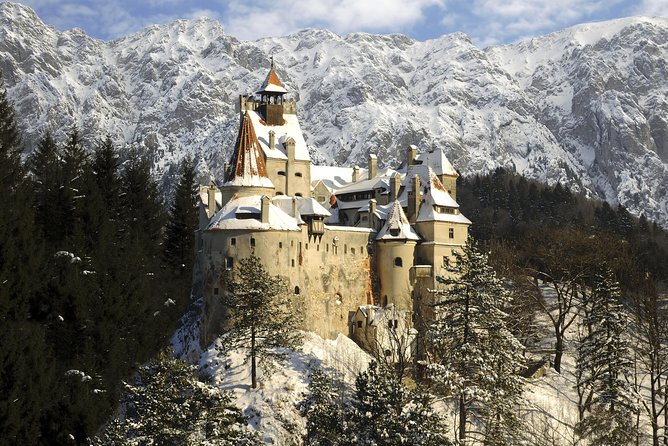
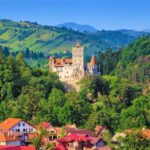
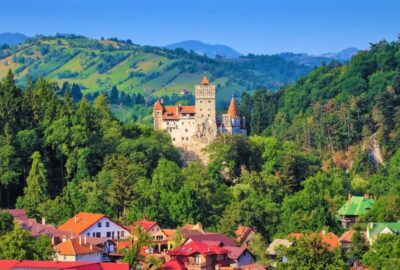
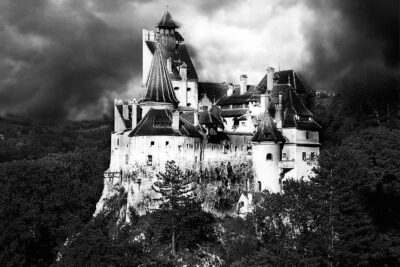
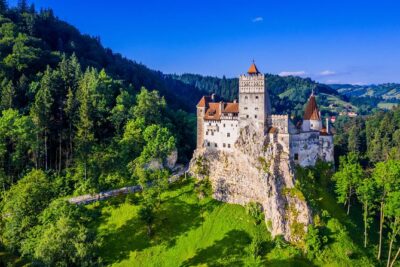
Then you head to Bran Castle from Brașov. You’ll hear the Dracula legend in a Bran Castle tour, with the castle positioned on a 60-meter cliff and built in the 13th century as a strategic point over an access route into medieval Transylvania.
A quick practical thought: Dracula is the headline, but the fortress setting is the real reason to go. The views and the defensive positioning are what make Bran more than just a pop-culture stop.
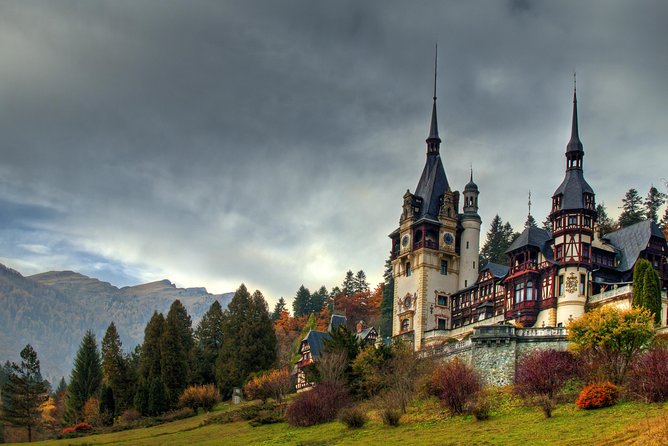
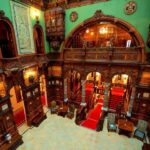
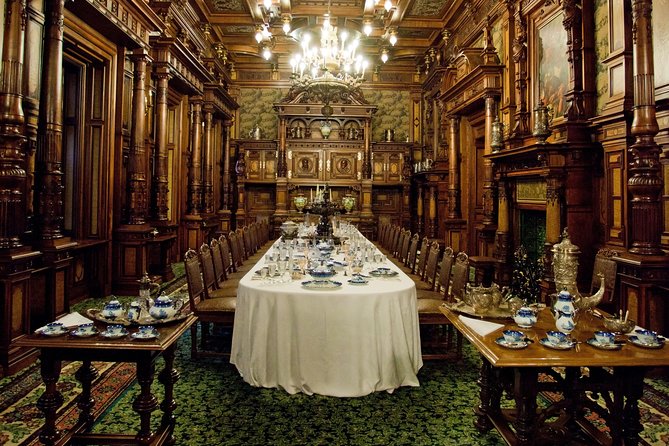
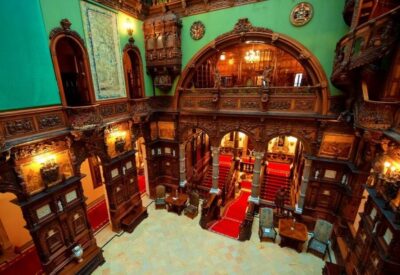
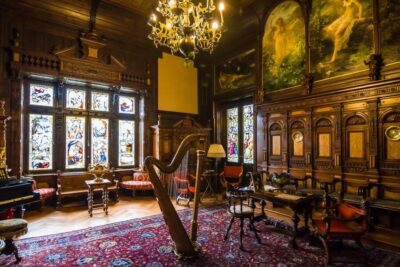
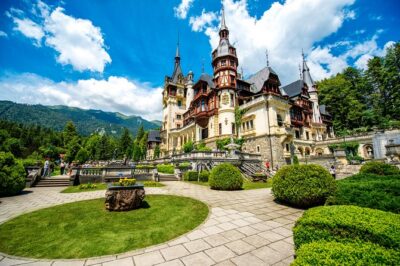
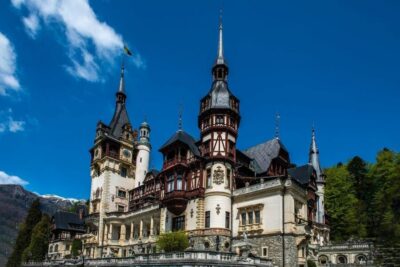
After Bran, the tour continues to Sinaia, a mountain resort tied to royalty in the 20th century. The day includes a visit to the Orthodox Monastery in Sinaia, followed by Peles Castle, described as Gothic style and built for the first king of Romania, Carol I of Hohenzollern. You’ll tour Peles Castle and see life of the Romanian royal family.
Even if you’re not a castle person, this pairing works because it contrasts two different castle types and atmospheres: the famous cliffside legend site and the ornate royal residence.
Then you head back to Bucharest for the night, which is a relief after two heavy days of walking and viewing.
How the schedule feels: private transport, small group, and a doable pace
This is a private 8-day route with a modern car or minivan and professional English-speaking guidance. It’s also a maximum of 6 travelers, which is a meaningful detail. In practice, it usually means fewer delays, less waiting, and a smoother flow between stops—especially in towns where parking and street access can be tricky.
Most days are listed around several hours of touring time, with significant time spent on the road between regions. So you should plan to settle into the rhythm: short walks, guided stops, and then driving to the next “chapter.”
The tour also includes breakfast every day, plus selected meals. That matters more than it sounds. When you’re juggling castles, fortresses, and villages, you don’t want to spend every lunch hour trying to find food options.
Also check the scope of what’s included versus what’s not. Monument entrance fees are included for the attractions marked as included, but other entrances outside that set are not included. That’s normal for this kind of tour—just budget for it so nothing surprises you later.
Finally, the tour notes moderate physical fitness level. That lines up with the walking tours and the stair climb in Sighișoara.
Price and value: what $2,339.64 really buys you
At $2,339.64 per person, this isn’t a cheap “hop-on, hop-off” type of trip. The value comes from how the days are packaged.
First, you’re paying for the guide. A professional English-speaking guide handles the logistics, the explanations, and the flow—so you get context rather than just photos.
Second, you’re paying for time-savers. You don’t have to plan transport between Bucharest, Transylvania, Maramureș, and back again. Your overnight stays are handled too: 7 nights in centrally located hotels.
Third, the included experiences are not just filler. You get a folk show dinner, a traditional products lunch, a horse-drawn carriage ride, and the walking tours and listed admissions that are baked into the schedule. Those add up, especially once you compare them to the cost of building the same mix yourself.
Is it expensive? Yes. But if you want castles, UNESCO villages, fortresses, and regional culture in a structured small group without having to coordinate it all, the price starts to look more reasonable.
Who should book this tour (and who should skip)
This tour is a good fit if you want a guided route through Transylvania and Maramureș that still leaves room for a few memorable cultural moments. It’s also ideal if you like history told through places: fortresses, cathedrals, monasteries, and villages where the architecture reflects local life.
It may not be for you if you want long, lazy days and lots of independent free time. The schedule is full, and the physical parts (walking tours and steps) are real.
One more note: the tour is privately guided and small, and that can be a big advantage if you appreciate flexibility. A good example is Valentin Val Nan, who is mentioned for being extremely knowledgeable and courteous, and for accommodating changes to the schedule—like fitting in visits to places such as Konstanza and Histria when possible. Even if those exact stops aren’t always part of your dates, it’s a clue about the guide style: they can be proactive when conditions allow.
Should you book Classic Romania Tour: Transylvania and Maramures?
If you’re excited by castles like Bran and Peles, fascinated by UNESCO wooden churches, and curious about Maramureș village life (including the surprising tone of Săpînţa’s merry cemetery), then yes, this is the kind of trip that can make Romania feel specific and personal, not generic.
I’d book it when you like structure. This itinerary does the heavy lifting: transport, hotels, breakfasts, and the major guided stops. And because the group stays small, you’re less likely to feel rushed or ignored.
I’d reconsider if you’re sensitive to a busy pace or you don’t like stairs and walking days. Also note the Palace of the Parliament closure affects what you see in Bucharest, though the tour replaces it with the Spring Palace.
If you’re ready for a full, guided week that balances big landmarks with local culture, this one is a strong choice.
FAQ
Is the tour pickup included?
Yes. Airport pick-up and drop-off are included, and the tour starts with pickup at 9:00 am.
Can I visit the Palace of the Parliament on this tour?
Not at the moment. The Palace of the Parliament cannot be visited until June, and it is replaced with the Spring Palace during the Bucharest stop.
How many people are in the group?
The tour has a maximum of 6 travelers.
What’s included in the price?
Included items are an English-speaking guide, accommodation for 7 nights in centrally located hotels, transportation by modern car/minivan, airport pick-up and drop-off, breakfasts, a folk show dinner, a traditional products lunch, a horse-drawn carriage ride, and the entrance tickets marked as included.
What is not included?
Health insurance is not included, and meals other than those listed in the itinerary are not included. Entrance fees to monuments not marked as included are also not included.
What kind of fitness level do I need?
The tour is listed for travelers with a moderate physical fitness level, which matters because there are walking tours and a climb of about 300 wooden steps in Sighișoara.
How do single rooms and child pricing work?
The price is based on two people sharing a double room. If you want a single room, there is a single supplement fee. Child rates are €25 cheaper than adult rates, but the child rate applies only when traveling with at least two paying adults.
More Tour Reviews in Bucharest
- Bucharest: Dracula’s Castle, Peles Castle, & Brasov Old Town
★ 4.5 · 17,858 reviews - Bucharest: Dracula Castle, Peles Castle & Brasov Old Town
★ 4.6 · 10,891 reviews - Bucharest: Dracula’s Castle, Peleș Castle & Brașov Day Trip
★ 4.4 · 6,100 reviews - Bucharest: Palace of Parliament Tickets and Guide
★ 4.3 · 3,182 reviews - Bucharest: Day Trip to Dracula Castle, Peles Castle & Brașov
★ 4.4 · 3,049 reviews - Bucharest to Dracula Castle, Peles Castle and Brasov Guided Tour
★ 4.5 · 2,933 reviews
Brasov and Saxon Transylvania
- Bucharest: Dracula’s Castle, Peles Castle, & Brasov Old Town
★ 4.5 · 17,858 reviews - Bucharest: Dracula Castle, Peles Castle & Brasov Old Town
★ 4.6 · 10,891 reviews - Bucharest: Dracula’s Castle, Peleș Castle & Brașov Day Trip
★ 4.4 · 6,100 reviews - Bucharest: Day Trip to Dracula Castle, Peles Castle & Brașov
★ 4.4 · 3,049 reviews - Bucharest to Dracula Castle, Peles Castle and Brasov Guided Tour
★ 4.5 · 2,933 reviews - Dracula’s Castle, Peles Castle and Brasov Day Trip from Bucharest
★ 4.5 · 1,804 reviews
Just In: The Latest Bucharest Reviews

Brașov & Transylvania, compared.
 ★ 4.5Dracula’s Castle, Peles Castle, & Brasov Old TownFrom $4017,858 reviews
 ★ 4.6Dracula Castle, Peles Castle & Brasov Old TownFrom $4010,891 reviews
 ★ 4.4Dracula’s Castle, Peleș Castle & Brașov Day TripFrom $366,100 reviews
 ★ 4.4Day Trip to Dracula Castle, Peles Castle & BrașovFrom $453,049 reviews
 ★ 4.5Bucharest to Dracula Castle, Peles Castle and Brasov Guided TourFrom $332,933 reviews
 ★ 4.5Dracula’s Castle, Peles Castle and Brasov Day Trip from BucharestFrom $331,804 reviews
 ★ 4.5Transylvania and Dracula Castle Full Day Tour from BucharestFrom $351,589 reviews
 ★ 4.5From Bucharest: Brasov Peles & Dracula’s Castle Day TourFrom $651,244 reviews
Browse the lists this tour appears in