
REVIEW · OLD TOWN & LIPSCANI
Bucharest Old Centre Tour
Bucharest history walks better with a guide. I like the hotel pickup and drop-off for saving time, and I also like how this is built as a focused 1-hour walk that makes the old centre feel readable fast. One thing to plan for: you’ll be on foot on city surfaces, so bring sturdy shoes if you’re sensitive to uneven stones.
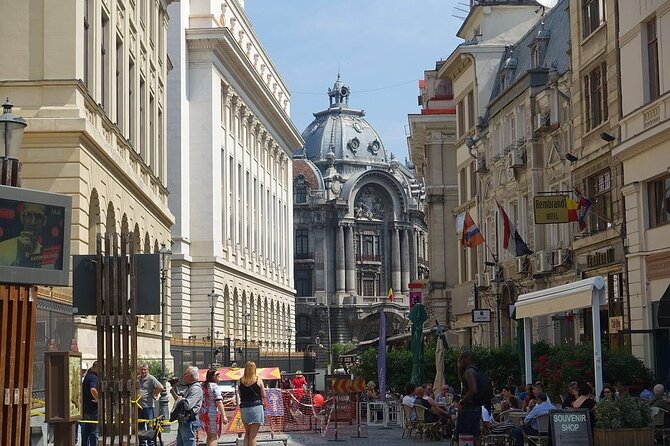
This is a small, direct tour that orients you in Bucharest’s old core and then connects the dots between sites you might otherwise pass with a shrug. You’ll move through landmark clusters around the Princely Old Court, the Church of St Anthony, Strada Lipscani, and the Stavropoleos Monastery area, with a local guide doing the heavy lifting on meaning and context. The morning or afternoon departure choice also helps you fit it into a busy day.
In This Review
- Key Highlights Worth Your Time
- One Hour in Bucharest’s Old Centre: What You’ll Actually Get
- Price and Value: Is $16.77 a Good Deal?
- Pickup, Times, and the Route Starting Point You’ll Want to Find
- The First Steps: Princely Old Court, Old Inns, and Street Life
- National History Museum Area and the Former Post Office Building
- Old Princely Palace Ruins and Vlad the Impaler
- St Anton Orthodox Church: Wallachian Rulers in the Heart of Town
- Oldest Inns and Strada Lipscani: Where the City Walks Itself
- National Bank Grandeur and the Șerban Voda Ruins Nearby
- Stavropoleos Monastery (Built in 1724): A Calm Ending Point
- Who Should Book This Tour, and Who Might Skip It
- Should You Book the Bucharest Old Centre Tour?
- FAQ
- How long is the Bucharest Old Centre Tour?
- Where does the tour start?
- Is hotel pickup included?
- Does the tour include food or drinks?
- Is this a private tour?
- Are there different departure times?
- What should I wear for the walk?
Key Highlights Worth Your Time
- Hotel pickup in selected central hotels, so you lose less time getting started
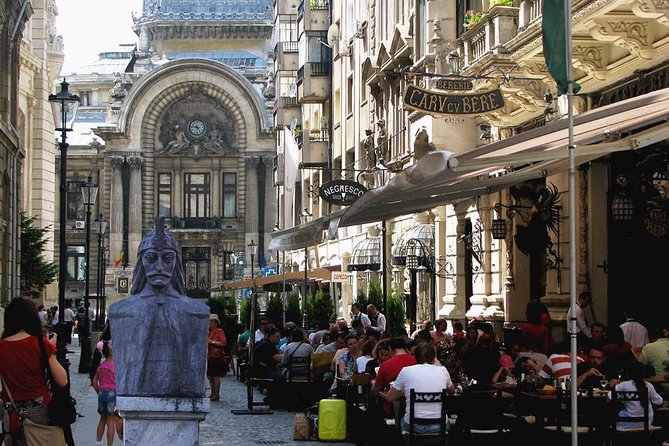
- A true walking route through the old centre, including Strada Lipscani
- Princely Old Court, St Anton Church, and ruins tied to Vlad the Impaler
- Stavropoleos Monastery (built in 1724) as a memorable anchor stop
- Private group format, so your pace stays yours
Through the Lipscani lanes and old town
- Bucharest: Dracula’s Castle, Peles Castle, & Brasov Old Town★ 4.5 · 17,858 reviews
- Bucharest: Dracula Castle, Peles Castle & Brasov Old Town★ 4.6 · 10,891 reviews
- Bucharest: Peles Castle, Bran Castle, & Brasov Old Town Tour★ 4.5 · 1,035 reviews
- Bucharest Pub Crawl in the Old Town★ 5.0 · 462 reviews
One Hour in Bucharest’s Old Centre: What You’ll Actually Get
Think of this tour as a shortcut through Bucharest’s tangled past. In an old city, self-guided exploring can turn into a lot of standing around and guessing: What was this? Why is it here? Why does it matter? With a guide, the same streets turn into a timeline, and you start recognizing how power, worship, and everyday business lined up in the old centre.
The pace is also the point. At roughly an hour, you get enough stops to feel like you learned something real without needing a half-day commitment. You’ll cover major anchors like the Princely Old Court area, the Church of St Anthony, and the Stavropoleos Monastery, plus the surrounding streets that give you the feel of the neighbourhood.
I also like that the tour is built for atmosphere, not just photos. You spend time walking Strada Lipscani, seeing the monumental side of Bucharest near the National Bank, and then shifting back to the human scale near older inns and church spaces.
Price and Value: Is $16.77 a Good Deal?
At $16.77 per person for about an hour, the value depends on one thing: whether you want a guide’s interpretation. If you love reading plaques, you could do this on your own. But if you want the fast path to understanding what you’re seeing, the price makes sense, especially because the tour includes a guide and (for selected hotels) pickup and drop-off.
This is also a private tour/activity, meaning it’s set up for your group rather than a giant mixed crowd. That matters in a small old town walk, where questions come faster and the guide can keep the story line clear.
One caution on value: the tour does not include food or drinks, so you might want to plan a snack afterward, especially if you’re doing it mid-day. The tour is focused on walking and explanations, not meals.
Pickup, Times, and the Route Starting Point You’ll Want to Find
You start at the National Museum of Romanian History on Calea Victoriei 12, București 030026. The tour ends back at that same meeting point, which is handy because you’re not stuck figuring out where you’ll “finish somewhere else.”
If your hotel is within the selected pickup zone, you get hotel pickup and drop-off. That’s a big deal in Bucharest because the old centre gets busy and it’s easy to waste minutes zig-zagging for the next stop. For me, saving walking time before the walk is a win, especially if you’re fitting this around museum hours or dinner plans.
Departure can be morning or afternoon, so you can match it to your energy level. The route also requires good weather, and since it’s outdoors on foot, plan for the practical reality: if it’s pouring, you’ll likely need to swap dates.
The First Steps: Princely Old Court, Old Inns, and Street Life
The tour begins by stepping into Bucharest’s old centre, an area tied to more than 500 years of history. Early on, you’ll hear how clusters like the Princely Old Court shaped the city, and you’ll also get introduced to the older hospitality and commerce names that still echo through the area.
Expect the guide to point out places tied to day-to-day life as well as ruling power. The tour route includes stops and references such as the Old Coffee House, Gabroveni Inn, Linden Tree Inn, and the ruins of Șerban Voda Inn. Even if some structures are only partially visible today, ruins in the old centre are useful: they show you what used to sit here, and they give the guide a chance to explain how Bucharest used to function.
A practical tip: the old centre can feel like it has layers, and you’ll do yourself a favor by paying attention to the guide’s order. You’re not just collecting monuments; you’re building a map in your head: where the important institutions were, where visitors and traders would have moved, and how the streets connect.

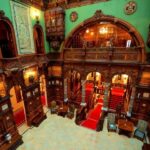

National History Museum Area and the Former Post Office Building

From the early old-centre atmosphere, you’ll move into the museum and civic zone near the National History Museum of Bucharest and the former Post Office building. This part works because it shifts you from old-world courts and inns into the broader public face of the city.
Even without going inside, you’ll still gain context: the guide ties what you’re seeing to how the area grew and how buildings like these mattered for communication, administration, and public life. It’s a good balancing act in one short walk—churches and palaces on one end, civic landmarks on the other.
The main drawback here is also simple: if you’re hoping for a deep museum-style visit, this isn’t that. It’s a walk with storytelling stops. So come with curiosity about what a building’s role used to be, not with the expectation of spending time inside.
Old Princely Palace Ruins and Vlad the Impaler
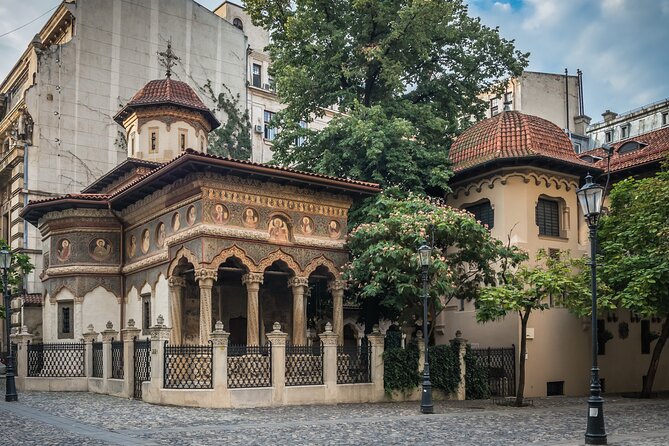
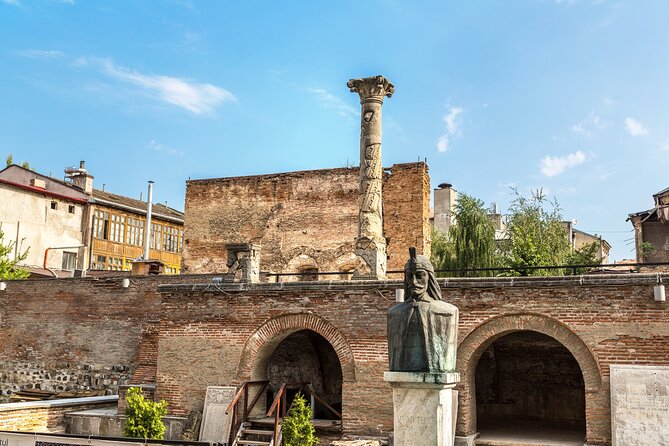
One of the most striking stops is the ruins of the Old Princely Palace, described as one of the oldest buildings in Bucharest and once a residence of Vlad the Impaler. The value of a ruins stop is that it forces the guide to explain in a different way. Instead of only showing you something intact, you learn what’s been lost—and why the location still matters.
If you know Vlad mainly from popular stories, this is where the tour can change how you picture the setting. The guide’s job is to make the place feel grounded: what the palace area meant in its time, and how that past still leaves marks in the street layout and nearby landmarks.
For most people, this is a highlight. For me, it’s also a reminder that old cities don’t preserve everything. Ruins are part of the story, not a sad ending.
St Anton Orthodox Church: Wallachian Rulers in the Heart of Town
Next comes the St Anton Orthodox Church, presented as the church of Wallachian rulers, located in the heart of Bucharest. This is one of those stops where you’ll get more from hearing the background than from just looking.
Churches like this help you understand what kind of authority the city recognized—religious, political, and social strands tied together. The guide also connects the church to the surrounding old-centre focus, so it doesn’t feel like a random detour. It becomes a key node in the story of how Bucharest organized influence.
This is also a solid spot for your photos. Just keep expectations realistic: it’s an operating religious site in a real neighbourhood, so you’ll want to be respectful with timing and volume. The tour format keeps you moving, so you won’t linger for long—but you’ll still get a meaningful look.
Oldest Inns and Strada Lipscani: Where the City Walks Itself
A big part of the charm here is that the tour doesn’t treat Bucharest as only grand buildings. You’ll hear the history of the city’s oldest and famous inn in the oldest part of Bucharest, and you’ll also learn about the Strada Lipscani, described as the heart of the old centre.
That pairing matters. Inns and streets show you how people moved, met, and did business. Even if the exact structure has changed over time, the idea stays: this is where visitors and locals would have crossed paths. Strada Lipscani helps you feel the city’s energy in a way that a single landmark never can.
One thing I’d plan for: this stretch is where you’ll want your steps to stay comfortable. Flagstones and older pavement can be hard on shoes after a while, especially if you’re on foot in the heat or chill. Sturdy footwear pays off.
National Bank Grandeur and the Șerban Voda Ruins Nearby
After the intimate scale of churches and old streets, the tour rises to bigger, more formal architecture near the National Bank of Romania. The guide will share its interesting history and connect it back to the old-centre setting.
This section is useful because it shows how Bucharest’s identity kept evolving. The old centre isn’t frozen in time. You’re seeing layers—old courts and inns over here, then more monumental institutions nearby.
You’ll also come across ruins connected again to Șerban Voda Inn, reinforcing the idea that the old centre is a patchwork of surviving buildings and traces. The guide’s story helps these fragments feel intentional instead of random.
If you like architecture even a little, this is a good moment. If you’re more into stories and less into facades, you’ll still get a clear explanation of why that building mattered in its era.
Stavropoleos Monastery (Built in 1724): A Calm Ending Point
The tour finishes with the Stavropoleos Monastery, built in 1724. Monasteries often work as emotional punctuation marks in city walks, and this one does that job. After palaces, inns, and banks, it gives you a quieter focus and a sense of continuity.
Even if you’re not a religious-history specialist, the timing makes sense. A short walking tour needs a strong final anchor, and Stavropoleos gives you one: a date you can remember and a site that feels distinct from the surrounding civic vibe.
In a practical sense, it also gives your legs a clean landing. By the time you reach the monastery area, you’ve already done the heavy storytelling work across the old centre. The finishing stop helps the experience feel complete.
Who Should Book This Tour, and Who Might Skip It
This is a smart fit if you want to learn fast and you like getting your bearings on foot. It also works well if you prefer a guided pace rather than trying to interpret symbols and names on your own while navigating an active city.
You should book if:
- you want a guided walk through major old-centre sites like St Anton Church and Stavropoleos Monastery
- you value pickup and drop-off from selected central hotels
- you like stories that connect streets, power, and everyday places
You might skip if:
- you’re expecting a longer visit with lots of time inside buildings (this is about walking and explanation)
- you have limited tolerance for uneven old pavement, since comfortable shoes matter
It also helps to know this is built as a private tour for your group. If you’re travelling with someone who asks a lot of questions, or you want a calmer pace than a big-group format, private can be a real advantage.
Should You Book the Bucharest Old Centre Tour?
Yes, I’d book it if your priority is understanding the old centre quickly. For the money, you’re paying for more than stops—you’re paying for the guide’s ability to connect Princely Old Court landmarks, old inns, Vlad-linked ruins, Strada Lipscani, and Stavropoleos into one coherent walk.
The strongest reasons to choose it are hotel pickup when available and the tight one-hour format that keeps you moving without feeling rushed. If you’re the type who likes meaningful context more than just checking boxes, this tour fits your style well.
If you want a simple DIY afternoon, you can do that too. But if you’d rather get it while you’re standing in the streets, this is a good way to make Bucharest’s old centre click.
FAQ
How long is the Bucharest Old Centre Tour?
The tour lasts about 1 hour.
Where does the tour start?
The meeting point is the National Museum of Romanian History, Calea Victoriei 12, București 030026.
Is hotel pickup included?
Hotel pickup and drop-off are included for selected central hotels.
Does the tour include food or drinks?
No, food and drinks are not included.
Is this a private tour?
Yes. Only your group participates.
Are there different departure times?
Yes. You can choose between a morning or an afternoon departure.
What should I wear for the walk?
Plan on comfortable, sturdy shoes for walking, especially since you may encounter flagstones or uneven surfaces.
More Tour Reviews in Bucharest
- Bucharest: Dracula’s Castle, Peles Castle, & Brasov Old Town
★ 4.5 · 17,858 reviews - Bucharest: Dracula Castle, Peles Castle & Brasov Old Town
★ 4.6 · 10,891 reviews - Bucharest: Dracula’s Castle, Peleș Castle & Brașov Day Trip
★ 4.4 · 6,100 reviews - Bucharest: Palace of Parliament Tickets and Guide
★ 4.3 · 3,182 reviews - Bucharest: Day Trip to Dracula Castle, Peles Castle & Brașov
★ 4.4 · 3,049 reviews - Bucharest to Dracula Castle, Peles Castle and Brasov Guided Tour
★ 4.5 · 2,933 reviews
The Old Town and Lipscani
- Bucharest: Dracula’s Castle, Peles Castle, & Brasov Old Town
★ 4.5 · 17,858 reviews - Bucharest: Dracula Castle, Peles Castle & Brasov Old Town
★ 4.6 · 10,891 reviews - Bucharest: Peles Castle, Bran Castle, & Brasov Old Town Tour
★ 4.5 · 1,035 reviews - Bucharest Pub Crawl in the Old Town
★ 5.0 · 462 reviews - Bucharest: Dracula’s Castle, Peles Castle, & Brasov Old Town
★ 4.6 · 229 reviews - Bucharest : Dracula’s Castle, Peles Castle & Brasov Old Town
★ 4.9 · 180 reviews
Just In: The Latest Bucharest Reviews




Old Town & Lipscani, compared.
 ★ 4.5Dracula’s Castle, Peles Castle, & Brasov Old TownFrom $4017,858 reviews
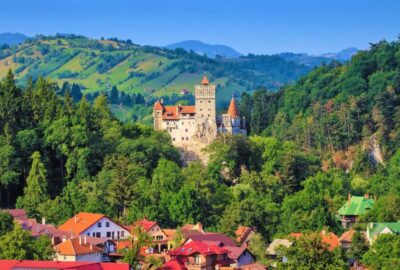 ★ 4.6Dracula Castle, Peles Castle & Brasov Old TownFrom $4010,891 reviews
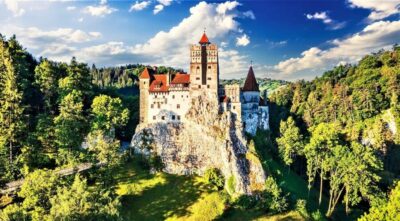 ★ 4.5Peles Castle, Bran Castle, & Brasov Old Town TourFrom $401,035 reviews
 ★ 5.0Bucharest Pub Crawl in the Old TownFrom $26462 reviews
★ 4.6Dracula’s Castle, Peles Castle, & Brasov Old TownFrom $31229 reviews
★ 4.9Dracula’s Castle, Peles Castle & Brasov Old TownFrom $1180 reviews
 ★ 5.0Bucharest Essential Tour: Old Town, Calea Victoriei & CommunismFrom $24142 reviews
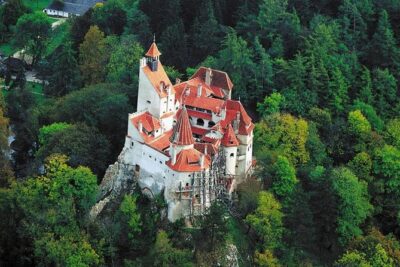 ★ 4.5Dracula’s Castle, Peles Castle and old town Brasov from BucharestFrom $119121 reviews
Browse the lists this tour appears in