
REVIEW · BRAșOV & TRANSYLVANIA
A Journey Back in Time: Countryside from Transylvania and Maramures – 15 Days
Time travel is real in Romania. On this private 15-day route, you see the stories behind the scenery, from royal palaces to old wooden churches, without spending your vacation on planning. I love the private pacing, which means you get more time where it matters to you, and I love the village stays that make Transylvania feel lived-in instead of museum-straight.
What to consider: it’s a packed itinerary, and some sights can be closed on Mondays or public holidays, so your experience depends on the day you land on the calendar. The upside is that a guide like George (as I’ve seen firsthand in how he works) can help adjust what you prioritize when timing gets tight.
4-6 things I’d watch for before you book
- A private tour with a real guide: you’re not stuck with a rigid group rhythm
- Castles plus UNESCO churches: you get medieval walls and fortified Saxon life in one run
- Maramures wood churches and monastery visits: not just the famous postcards
- Traditional village lodging and local meals: the trip isn’t only driving from sight to sight
- Season-based Transfagarasan plans: the route changes between driving and cable car
- A bear sanctuary stop with real conservation: you’ll visit an established forest sanctuary
In This Review
- Bucharest first steps, and why your route starts off strong
- Royal palace day in Sinaia, then off to Fundățica’s mountain life
- Bran Castle, Rasnov Fortress, and the bear sanctuary: more than Dracula stops
- Viscri and the Saxon village feel you can actually walk into
- Sighisoara and Malancrav: medieval citadel energy, then a remote church stay
- Biertan and UNESCO churches: the Saxons’ fortress-minded worldview
- Cluj-Napoca then Maramures: wooden churches start showing up everywhere
- Maramures days that balance emotion and history: cemetery, churches, monastery
- The Mocănița steam train ride: a slower pace inside the busy schedule
- A relaxed Breb day, plus Rimetea for a different kind of village study
- Alba Iulia and Sibiu: where Romania’s bigger story comes into focus
- Transfagarasan Highway by season: drives and cable cars
- Curtea de Argeș Monastery and the return to Bucharest
- Price and value: what you’re really paying for at $4,585.57 pp
- Logistics you should plan for (without letting it spoil the fun)
- Who should book this tour
- Should you book this Transylvania and Maramures countryside journey?
- FAQ
- How long is the countryside tour from Transylvania and Maramures?
- Is this tour private or shared with other travelers?
- What’s included in the price?
- Are breakfast and dinner included?
- What sights and activities have admission fees included?
- Does the Transfăgărășan Highway plan change by season?
- What is not included in the tour price?
Bucharest first steps, and why your route starts off strong
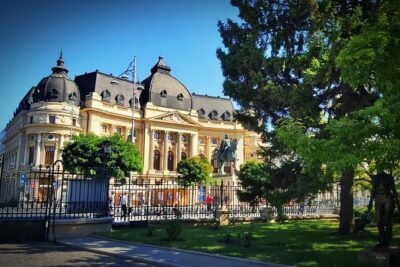
You’ll begin in Bucharest with a walking tour of the city’s key sights. Three hours is long enough to get your bearings, but not so long that you’re fried before the countryside even starts. This matters because the rest of the trip is all about contrast: big-city history, then tight medieval streets, then remote northern villages where life runs on different time.
If you like having context before you start taking photos, this start is a good fit. You’re not just collecting landmarks—you’re learning what you’re looking at and why Romania’s layers of history matter. Expect a mix of official sites and street-level atmosphere, which gives you a solid base before the first castle day.
Deeper into Brasov and Saxon Transylvania
- Bucharest: Dracula’s Castle, Peles Castle, & Brasov Old Town★ 4.5 · 17,858 reviews
- Bucharest: Dracula Castle, Peles Castle & Brasov Old Town★ 4.6 · 10,891 reviews
- Bucharest: Dracula’s Castle, Peleș Castle & Brașov Day Trip★ 4.4 · 6,100 reviews
- Bucharest: Day Trip to Dracula Castle, Peles Castle & Brașov★ 4.4 · 3,049 reviews
Royal palace day in Sinaia, then off to Fundățica’s mountain life
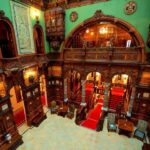
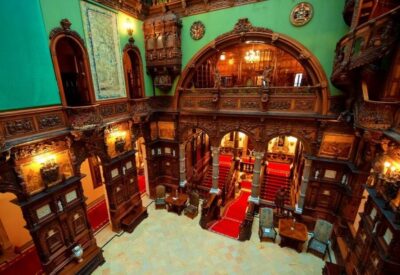
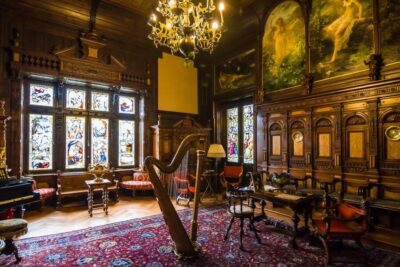
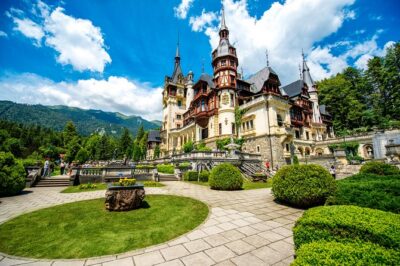
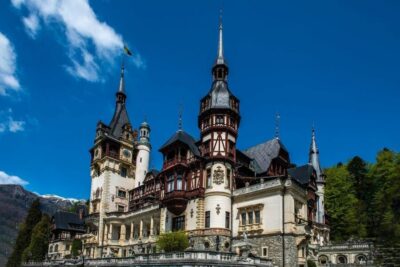
On the next stretch, you’ll visit Pelișor Castle (Peleș Palace in Sinaia), the former summer residence of the Romanian royal family. This is one of those stops where the ticket cost is worth it because you’re seeing craftsmanship and royal design in a setting made for it. Two hours is enough time to appreciate the building without rushing the rooms like a drive-by.
Then comes the switch: travel into the mountains to Fundățica, a mountain village where you’ll spend two nights. This isn’t about checking a box. It’s about settling into a rural rhythm—scenery that slows you down, and meals and village time that let you see what people mean when they talk about traditions living outside major cities.
Practical note: when the tour shifts from palace grandeur to mountain village life, your comfort matters. Comfortable shoes and a light layer help, because you’re walking and moving between viewpoints and village paths.
Bran Castle, Rasnov Fortress, and the bear sanctuary: more than Dracula stops
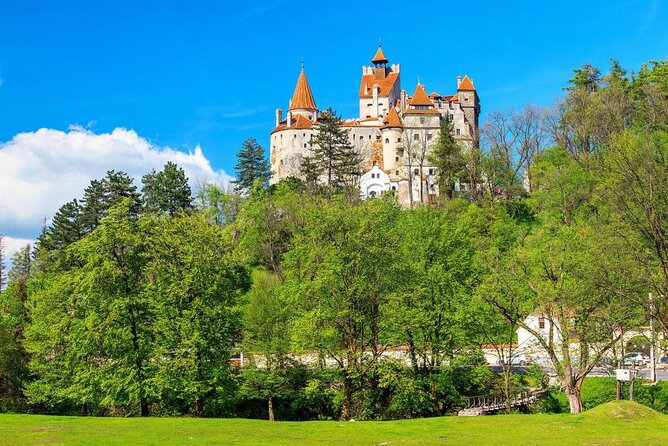
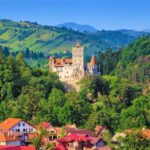
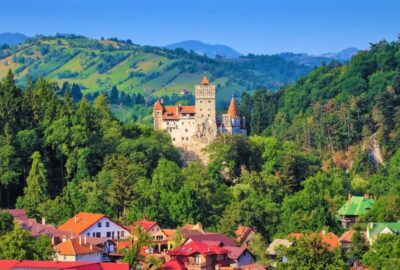
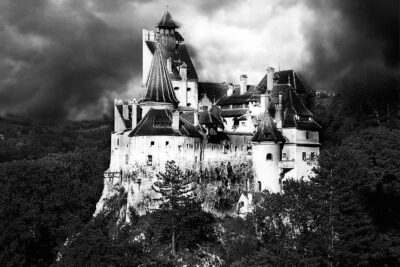
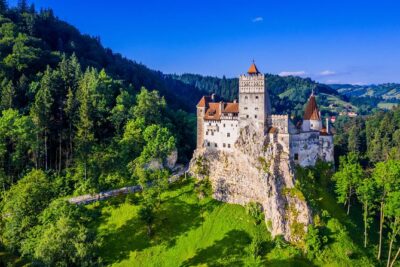
You’ll hit Bran Castle, often nicknamed Dracula’s Castle. The tour’s angle here is smart: you’ll hear what’s real versus legend tied to this famous name. One hour can feel short for a big site, but it’s a good length if your goal is understanding and orientation rather than endless wandering.
Then you’ll add Rasnov Citadel, an 800-years-old fortress with a garden and panoramic views. Fortresses work well on tours because they show defensive thinking—and because views make the walking worth it. If you like photography, this is one of the better times of day to take your shots calmly.
Next: Libearty Bear Sanctuary Zărnești, where around 80 bears live in a forest setting. This stop changes the tone from medieval stories to a current-day conservation mission. Two hours gives you enough time to walk the sanctuary path, observe how the preserve is run, and absorb a different kind of Romanian reality—one where caring for animals is part of the travel story.
Viscri and the Saxon village feel you can actually walk into
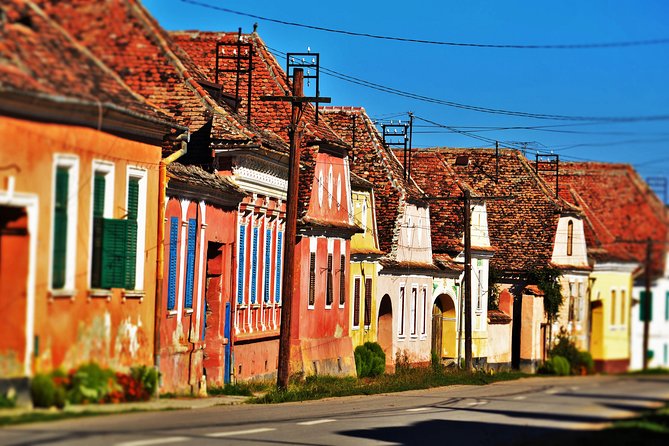
After the more famous names, the tour shifts to something slower and more personal. You’ll spend one night in Viscri, a Saxon village tied to the interest of Charles, Prince of Wales. Even if you’ve never studied Saxon history, you’ll feel it in the fortified church and the way the streets hold onto old patterns.
This is one of the most valuable sections of the trip because you get both the sights and the daily life vibe. You’ll walk the village, visit the fortified church, and eat traditional food. That pairing—heritage site plus local meal—turns a stop into a real experience rather than a photo moment.
Sighisoara and Malancrav: medieval citadel energy, then a remote church stay
In Sighișoara, you’ll visit one of the last inhabited citadels in Europe, a UNESCO World Heritage site. The medieval layout feels like a time machine, and the three-hour timing works well: you can explore the core streets without turning it into an all-day endurance test.
Next, the tour goes remote with two nights in Malancrav, staying in a traditional old Saxon house. You’ll see the Fortified Lutheran Church of Malancrav, a 700-years-old site, and you’ll enjoy local cuisine. Here’s the key value: this isn’t only sightseeing. It’s sleeping in a place built for a different kind of community. When you wake up in a village like this, it changes how you remember the day.
If your travel style is “I want to feel where I’m sleeping,” you’ll appreciate this segment a lot.

Biertan and UNESCO churches: the Saxons’ fortress-minded worldview
You’ll visit Biertan Fortified Church and Valea Viilor Fortified Church, both UNESCO World Heritage sites. A one-hour stop at Biertan plus a 45-minute visit to Valea Viilor keeps the flow moving, while still giving you time to understand why fortified churches mattered. Think defense, community, and identity wrapped into one structure.
You’ll also stop at Alma Vii, described as a remote charming Saxon village with a traditional lunch. Two hours here is a pressure release valve after more structured fortress stops. It’s also a reminder that these regions aren’t only famous for walls; they’re known for how people built ordinary life within strong community systems.
Cluj-Napoca then Maramures: wooden churches start showing up everywhere
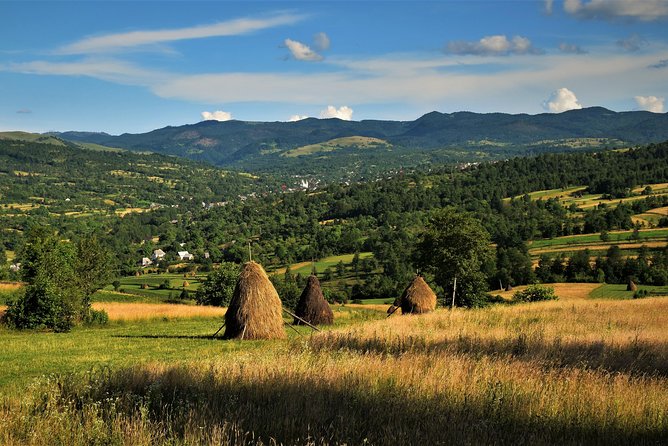
On the way to Maramures, you’ll stop in Cluj-Napoca for a walking tour. It’s a useful pivot point: you go from Transylvanian fortress culture into the northern wood-and-orthodox tradition that shapes Maramures. Two hours gives you city context without stealing too many hours from the countryside.
Then you’ll reach Surdesti Wooden Church, noted as the first wooden church from Maramures in that area and among the tallest wooden churches in the world. The stop is 45 minutes—enough for the wow factor and the basic explanation.
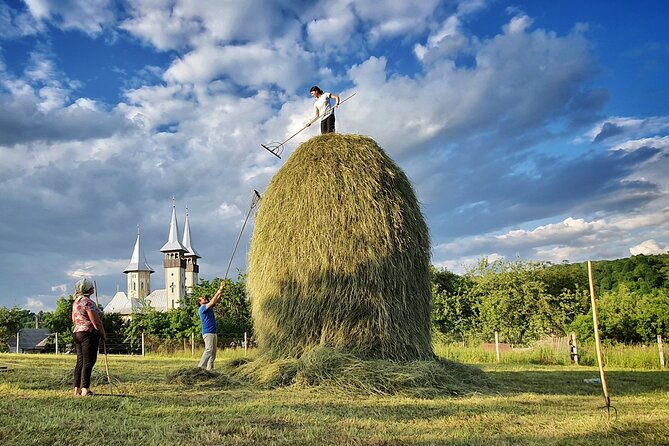
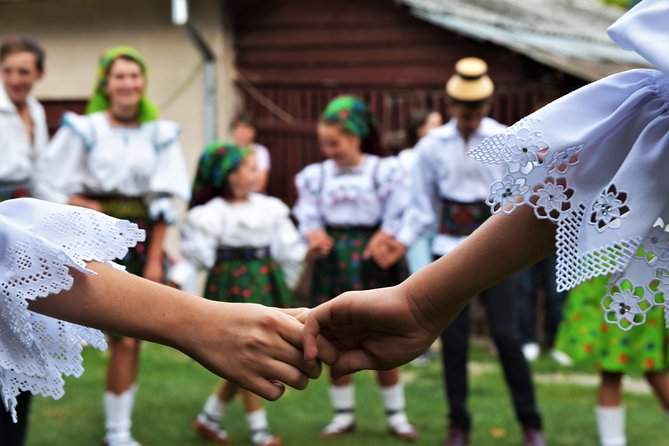
After that, you’ll spend four nights in Breb village. This is the heart-of-the-trip lodging choice, because Breb isn’t just where you sleep. It’s where you walk, meet locals, and eat village food at a slower pace. If your priority is authenticity over bullet-point highlights, Breb will likely be one of your favorite days.
Maramures days that balance emotion and history: cemetery, churches, monastery
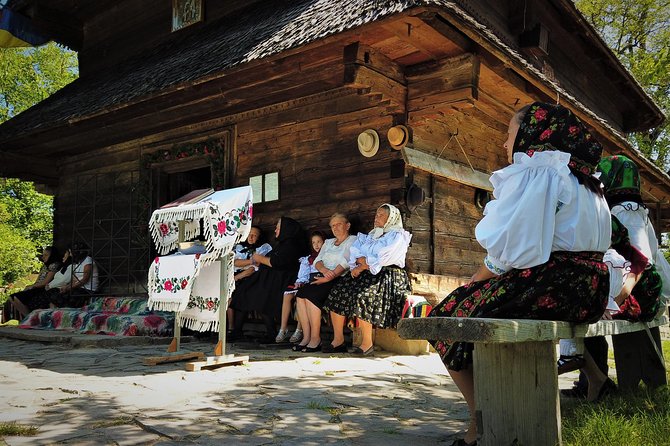
You’ll visit Merry Cemetery in Sapanta, with a unique perspective on death. It’s one of those stops that can be surprisingly moving because cemeteries are often where culture gets honest. The time is short—30 minutes—but the impact can last.
Next comes Desesti Wooden Church, described as the best preserved wooden church in Maramures, plus a beautiful cemetery. Another 45-minute visit keeps it focused while still giving you time to notice details instead of rushing past them.
Then you’ll head to Barsana Monastery, one of the most famous Orthodox monasteries in Romania. It’s 45 minutes, which is enough for viewing and understanding the spiritual role it plays, especially in a region where Orthodox traditions are a visible thread.
If you’re the type who likes variety—quiet, art, faith, and architecture—these Maramures days deliver.
The Mocănița steam train ride: a slower pace inside the busy schedule
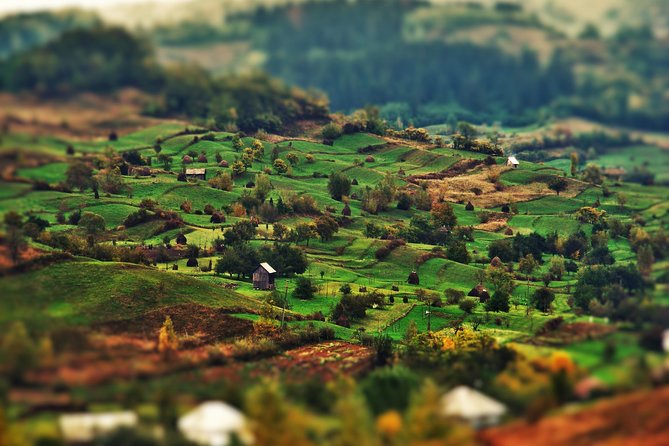
One of the most fun logistics choices on this tour is the Mocănița Maramureș train ride. You’ll ride an old train pulled by old steam locomotives for about six hours. This isn’t simply transport; it’s built-in experience time.
Why it works: you sit back, watch the route unfold, and get a different rhythm than the car days. It’s also a good break from constant walking. If you’re traveling with someone who gets tired of “more churches,” the train often saves the day.
A relaxed Breb day, plus Rimetea for a different kind of village study
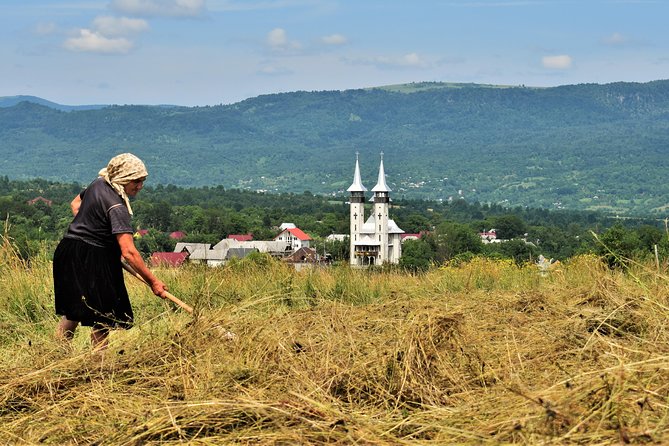
You’ll get a day back in Breb with a relaxed schedule, basically giving you time to walk the village for about eight hours. I like days like this because you remember places better when you’re not constantly moving to the next official stop.
Then the itinerary shifts to Rimetea, a village described as one of the most beautiful in Romania. You’ll drive there, and you’ll visit the Ethnographic Museum. The time is short—45 minutes—but museums like this can help you read the village like a story instead of a postcard.
You’ll spend one night in Rimetea, which keeps you from rushing the region.
Alba Iulia and Sibiu: where Romania’s bigger story comes into focus
On the way to Sibiu, you’ll visit Cetatea Alba Iulia. You’ll learn that Alba Iulia is the most important historical site of Romania, and the stop lasts about two hours. This is where the trip stops being only about medieval architecture and starts tying together national context.
Then you’ll visit Castelul Corvinilor (Corvin Castle), described as the biggest Gothic castle from Romania, built in the 14 hundreds. With a one-hour visit, you’ll see enough to appreciate the scale and style without running out of time for Sibiu.
Finally, you’ll explore Sibiu on a walking tour. The stop is about one hour, so treat it as “get the essentials” rather than “see every corner.” If you want more time there after the tour ends, Sibiu is a city that makes you want to linger.
Transfagarasan Highway by season: drives and cable cars
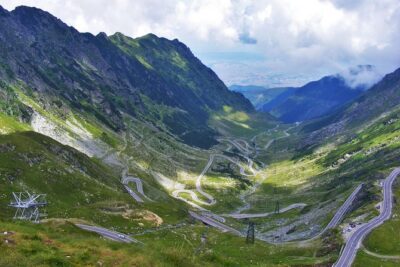
This part can be the trip’s jaw-drop moment. You’ll experience Transfăgărășan Highway, with timing and method dependent on season: if you travel between July 1 and Nov 1, you’ll drive the road by car; otherwise you’ll take a cable car for amazing views over the mountains. The itinerary flags that the road is open from July 1 through Oct 31, which helps you plan expectations.
The practical takeaway is simple: your photos and your comfort will depend on the month you travel. If you’re going outside the main season, you should be ready for a different travel method, not a worse one—just different.
Curtea de Argeș Monastery and the return to Bucharest
On the way back to Bucharest, you’ll stop at Curtea de Argeș Monastery, a 500-years-old site described as one of the most beautiful Orthodox churches in Romania. The visit is about 45 minutes.
This final church stop is a good way to close the story because it brings you back to the Orthodox thread you’ve seen across Maramures. When the trip ends, you’ll have moved through royal spaces, fortified castles, and village churches—then returned to a classic religious monument that ties it together.
Price and value: what you’re really paying for at $4,585.57 pp
At $4,585.57 per person, this is not a budget trip. But it’s also not just paying for a car and a list of sites. You’re paying for three big things:
First, the tour is private with professional guide support and tour escort/host, plus hotel pickup and drop-off. That reduces wasted time and stress. Second, the itinerary includes breakfasts (15) and dinners (12), which is meaningful when you’d otherwise be paying out of pocket in small towns. Third, the transport is handled end-to-end with an air-conditioned vehicle and round-trip private transfers, which matters a lot in Romania when distances are real.
Add in admissions that are listed as included for many of the major sights, and you end up with a smoother travel experience than self-planning across multiple regions. You’re also getting stops that are described as seldom visited by foreign tourists, which is where private guidance tends to pay off most.
One last point: this tour is priced for people who want fewer decisions. If you love researching every detail and booking every connection yourself, you might do cheaper. If you want the freedom to relax while someone else connects the dots, this price starts to make more sense.
Logistics you should plan for (without letting it spoil the fun)
This is a private tour, so it’s built around your group only. The minimum booking requirement is 2 people per booking, and confirmation is provided within 48 hours subject to availability.
Also, this schedule notes that some sights are closed on Mondays and public holidays. If you’re booking for those dates, build flexibility into your expectations. The good news is that this style of tour—with a guide like George described as able to customize—usually gives you at least some practical help when timing changes.
Finally, the tour uses a mobile ticket and offers pickup—small things, but they reduce friction the day you arrive.
Who should book this tour
This trip is a strong match if you want:
- Culture with structure: castles and UNESCO churches plus villages where you can walk and eat local food
- A guide who adds meaning: history explanations and real story-vs-legend framing
- Comfort plus authenticity: air-conditioned transport, meals included, and traditional village lodging
It’s also a good choice if you’re traveling with someone who appreciates planning but doesn’t want to micromanage. The itinerary is packed, though, so if you want lots of pure downtime every day, you may want to save some energy for Breb’s relaxed block.
Should you book this Transylvania and Maramures countryside journey?
I’d book this tour if you want Romania that feels connected: one region informs the next. You get royal-era sites, medieval fortifications, UNESCO church architecture, and Maramures traditions—plus a steam train day that breaks the driving rhythm.
Skip it only if you hate structured schedules or you’re traveling during the parts of the calendar where closures could hit you hard (Mondays or public holidays). If you can be flexible, this route is built to make the distance feel shorter and the history feel closer.
FAQ
How long is the countryside tour from Transylvania and Maramures?
The tour is listed as 14 days (approx.) for a 15-day journey, starting in Bucharest.
Is this tour private or shared with other travelers?
It’s a private tour/activity, meaning only your group participates.
What’s included in the price?
The package includes driver/guide and professional guide services, tour escort/host, hotel pickup and drop-off, private transfers, air-conditioned vehicle transport, breakfast for 15 days, and dinner for 12 days, plus all taxes and fees.
Are breakfast and dinner included?
Yes. Breakfast is included for 15 days, and dinner is included for 12 days.
What sights and activities have admission fees included?
Many major stops list admission as included, while others are marked free. The tour also notes that photo fees are not included.
Does the Transfăgărășan Highway plan change by season?
Yes. The tour states that if you travel between July 1 and Nov 1, you drive the road by car. Otherwise, you take a cable car for the mountain views. It also notes the road is open July 1 to Oct 31.
What is not included in the tour price?
The tour lists photo fees as not included.
More Tour Reviews in Bucharest
- Bucharest: Dracula’s Castle, Peles Castle, & Brasov Old Town
★ 4.5 · 17,858 reviews - Bucharest: Dracula Castle, Peles Castle & Brasov Old Town
★ 4.6 · 10,891 reviews - Bucharest: Dracula’s Castle, Peleș Castle & Brașov Day Trip
★ 4.4 · 6,100 reviews - Bucharest: Palace of Parliament Tickets and Guide
★ 4.3 · 3,182 reviews - Bucharest: Day Trip to Dracula Castle, Peles Castle & Brașov
★ 4.4 · 3,049 reviews - Bucharest to Dracula Castle, Peles Castle and Brasov Guided Tour
★ 4.5 · 2,933 reviews
Brasov and Saxon Transylvania
- Bucharest: Dracula’s Castle, Peles Castle, & Brasov Old Town
★ 4.5 · 17,858 reviews - Bucharest: Dracula Castle, Peles Castle & Brasov Old Town
★ 4.6 · 10,891 reviews - Bucharest: Dracula’s Castle, Peleș Castle & Brașov Day Trip
★ 4.4 · 6,100 reviews - Bucharest: Day Trip to Dracula Castle, Peles Castle & Brașov
★ 4.4 · 3,049 reviews - Bucharest to Dracula Castle, Peles Castle and Brasov Guided Tour
★ 4.5 · 2,933 reviews - Dracula’s Castle, Peles Castle and Brasov Day Trip from Bucharest
★ 4.5 · 1,804 reviews
Just In: The Latest Bucharest Reviews

Brașov & Transylvania, compared.
 ★ 4.5Dracula’s Castle, Peles Castle, & Brasov Old TownFrom $4017,858 reviews
 ★ 4.6Dracula Castle, Peles Castle & Brasov Old TownFrom $4010,891 reviews
 ★ 4.4Dracula’s Castle, Peleș Castle & Brașov Day TripFrom $366,100 reviews
 ★ 4.4Day Trip to Dracula Castle, Peles Castle & BrașovFrom $453,049 reviews
 ★ 4.5Bucharest to Dracula Castle, Peles Castle and Brasov Guided TourFrom $332,933 reviews
 ★ 4.5Dracula’s Castle, Peles Castle and Brasov Day Trip from BucharestFrom $331,804 reviews
 ★ 4.5Transylvania and Dracula Castle Full Day Tour from BucharestFrom $351,589 reviews
 ★ 4.5From Bucharest: Brasov Peles & Dracula’s Castle Day TourFrom $651,244 reviews
Browse the lists this tour appears in