
REVIEW · BUCHAREST PRIVATE TOURS
8 Days Private Romania Tour from Bucharest
Romania by car is a story you can see. This private 8-day route strings together royal ruins, salt mines, carved wooden churches, and famous castles, with lots of time to ask questions from a licensed English-speaking guide who keeps the drive moving and the mood light.
Two things I really like about this tour are the private car (so you’re not tied to a slow group) and the guide-first approach, where the explanations connect the sites to real Romanian life and history. One thing to think about: it’s a driving-heavy itinerary, so you’ll want to plan for long days behind the wheel and for entrance fees that are not always included.
In This Review
- Key highlights to look for
- Private Romania: what this 8-day drive really delivers
- Curtea de Argeș, Poienari, Sibiu’s Piata Mare, and the Transfăgărășan rollercoaster
- Salina Turda, the Cluj-Napoca area time, and Surdești’s wooden church skill
- Sapanta’s Merry Cemetery and the Communism Resistance memorial in Maramureș
- Barsana’s tall wooden monastery, Tihuța Pass driving, and Ciocănești’s color riot
- Bukovina painted monasteries: Voroneț, Humor, Sucevița, Moldovița, plus Lucia Condrea’s egg museum
- Bicaz Gorges, Lacul Roșu, and Nicolae Popa’s folk sculpture detour
- Sighișoara citadel time, Viscri village charm, and Brașov’s Piata Sfatului
- Bran, Peles, and Sinaia: Dracula’s shadow meets real royal life
- Price and logistics: private comfort, plus a realistic budget for entrances
- Should you book this private Romania tour?
- FAQ
- FAQ
- What’s included with the tour price?
- Is pickup offered?
- Does the tour include accommodation and meals for me?
- Are entrance fees included?
- How long is the tour and where does it start?
- When is the Transfăgărășan Highway fully open?
- Is this a private tour?
Key highlights to look for
- Curtea de Argeș and Poienari for royal tombs and cliff-top fortress ruins tied to Vlad stories
- Transfăgărășan Highway viewpoints and the Lake Bâlea tunnel area (season matters)
- Salina Turda salt-mining history plus that oddly good air in underground halls
- Maramureș wooden churches and Sapanta’s Merry Cemetery for craft and humor in the same region
- Bukovina painted monasteries like Voroneț, Humor, Sucevița, and Moldovița
- Bran and Peles for myth and monarchy back-to-back
Only your group, at your own speed
- Castles of Transylvania: Private Day Trip from Bucharest★ 4.5 · 248 reviews
- Dracula’s Castle, Peles Castle and Brasov – Private Day Trip from Bucharest★ 5.0 · 211 reviews
- Best of Bucharest | Private Walking Tour★ 5.0 · 199 reviews
- Bucharest Panoramic Sightseeing – Private City Tour★ 5.0 · 128 reviews
Private Romania: what this 8-day drive really delivers

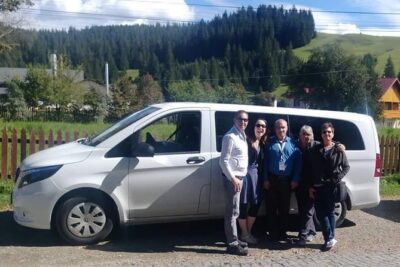
This is a private circuit, built for people who want breadth without wasting time hopping between buses and schedules. You’ll have a private car for your group, with a licensed English-speaking guide/driver staying with you throughout, plus wireless internet in the vehicle. The pace is intentionally “on the road,” and that can be a feature, not a bug, because Romania starts to make sense when you watch the geography change day by day.
I also like that the plan is designed for flexibility after you start. That matters in Romania, where weather and traffic can shift your day. If you’re the type who likes to ask, linger for one more photo, or adjust timing around meals, this structure helps.
The trade-off is simple: you won’t feel “slow travel.” If you hate car time, or you’re sensitive to long drives, you’ll feel it here.
Curtea de Argeș, Poienari, Sibiu’s Piata Mare, and the Transfăgărășan rollercoaster
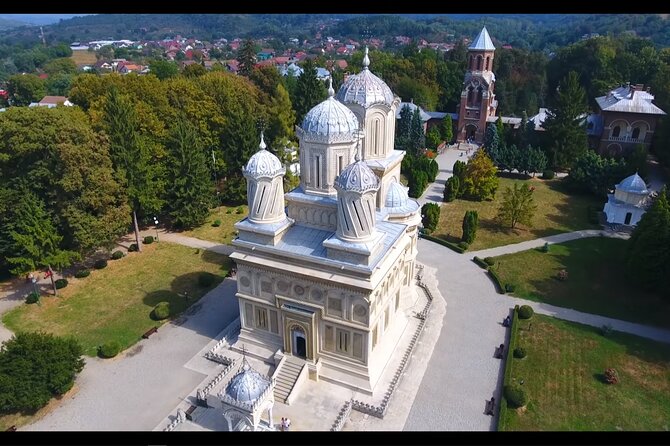
Your route kicks off around Wallachian history and dramatic highland roads. In Curtea de Argeș, you’ll visit the Curtea de Argeș Monastery, known for important royal tombs, plus the nearby ruins of the princely court and the 13th-century Royal Church. The story is heavy in places, but the setting feels real, not staged.
Then comes Poienari Castle, perched high over the Argeș River near the foothills of the Carpathians. The ruins trace back to the early Wallachian rulers and later fortification efforts, and the place is famously tied to Vlad’s escape route after the Turks captured the castle in 1462. Expect big views and a fortress atmosphere that makes the legends feel less like a movie prop.
From there, the tour shifts into Transylvania’s town-life charm with Sibiu’s Piata Mare (Big Square). This area is listed as free and is the kind of square you can walk through slowly: you’re near the Evangelical Cathedral and the old-city lanes that helped Sibiu become European Capital of Culture.
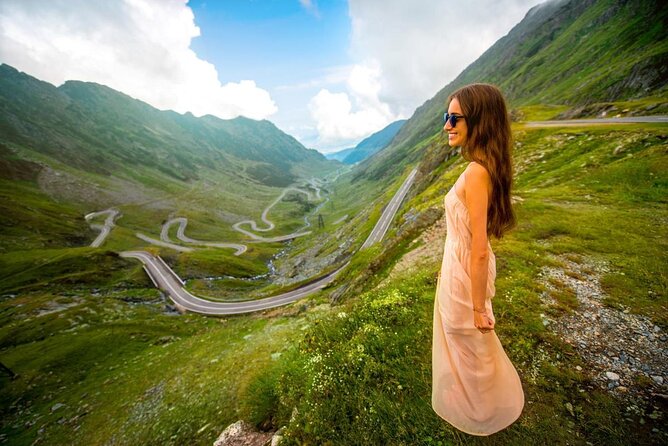
Finally, you get the wow-factor driving day: Transfăgărășan Highway. The road is known for its dramatic switchbacks and for being fully open only from June to October. Its high point reaches 2,042 meters, and the Lake Bâlea area includes a tunnel linking northern and southern sides—one of those Romania moments that feels like it belongs on a map.
Salina Turda, the Cluj-Napoca area time, and Surdești’s wooden church skill
If you want a break from castles and churches that look like they’ve been standing since forever, Salina Turda is a great reset. This salt-mining site reaches far back in local Roman heritage and still shows off the long tradition of mining: the former Iosif, Terezia, and Rudolf mines, plus medieval machinery like the crivac (or gepel), the salt mill, and even carved details such as an altar in the salt wall. You’ll also see features like the Stairway of the Rich, with intricate woodwork.
The other reason to love it: the tour notes that the saline air is purifying, and it’s beneficial for respiratory issues like allergies or asthma. Even if that doesn’t apply to you, it’s a memorable sensory change—cool, quiet, and unlike the outdoors.
Next you’ll spend time around Gradina Botanica Alexandru Borza with additional city-area sightseeing tied to Cluj-Napoca. The plan includes stops around the old city center and its mix of Baroque, Renaissance, and Gothic styles, including buildings reaching back to the 17th century. This is also a good day for practical food planning since the local restaurants can have lines.
For pure craftsmanship, the itinerary includes Surdești Wooden Church. Built in 1721, it’s known as a tall wooden tower church, with a tower height of 54 meters and an overall wooden church presence that feels like a technical miracle for its era. Admission is not included for this stop, so budget for it when you add up your total trip.
Sapanta’s Merry Cemetery and the Communism Resistance memorial in Maramureș

Maramureș is where the tour turns more emotional, but in a way that feels connected to everyday people. In Sapanta, you’ll visit Merry Cemetery, famous for the colorful crosses and tombstones decorated with humorous poems about the deceased. The point isn’t disrespect—it’s a cultural approach to life and death. The tour framing even nods to Dacian beliefs, including Zalmoxis, to underline why this region’s tradition treats funerals with a different emotional tone than you might expect.
From there, you’ll move to the Memorial of the Victims of Communism and of the Resistance. This museum is designed to explain why Romanians fought so hard to escape communist oppression and what the regime did in a relatively short period. It’s one of those stops that can slow the day down, so it helps to go in with the mindset that this is part of understanding modern Romania.
Then you’ll lighten the rhythm again with Sapanta-Peri Monastery. The stop centers on a wooden church context (built in 1391) linked to monastery patronage history, plus its setting near Sapanta Village inside a dendrology park. Admission is listed as free here, so it’s a good value add.

Barsana’s tall wooden monastery, Tihuța Pass driving, and Ciocănești’s color riot
If wooden churches are your thing, Barsana Monastery is the headliner. It’s described as one of the tallest wooden churches in Romania at 57 meters, and the approach includes courtyard time and a slow look at why the architecture feels almost fairytale-like. This is the kind of place where photos don’t replace the feeling of being close to the craft—especially if you’ve been focused on stone churches earlier in the trip.
Then you’ll tackle Tihuța Pass (Borgo Pass), crossing from Moldavia toward Transylvania across the Bârgău mountains. The pass sits at 1,201 meters, with the ride built between 1812 and 1817 at the initiative of the Austro-Hungarian Army’s Council of War, then paved and later asphalted in 1969. The road conditions are noted as very good, but it can be crowded behind trucks, so your comfort depends on timing.
The day finishes in Northern Romania with Ciocănești, a village known for its painted facades. The tour description links it to a Lonely Planet feature about colorful destinations and calls out the Easter-egg style of painting. This is a fun stop, and it gives your eyes a break after religious monuments and mountain driving.
Bukovina painted monasteries: Voroneț, Humor, Sucevița, Moldovița, plus Lucia Condrea’s egg museum
This part of the trip is a visual feast, but it’s also practical: these monasteries are famous because their art carries meaning you can actually see while standing in front of the walls. Voroneț Monastery is highlighted with the intense shade of blue called Voroneț blue, and it’s famously linked to Stephen the Great, built in 1488 to commemorate victory at the Battle of Vaslui. Admission is not included for this stop, so treat it as a paid highlight.
Then you’ll continue with Humor Monastery, described as a fortified monastery that has endured after earlier churches were destroyed. The stop is framed around how people built churches away from danger—sometimes in the woods or even tucked into caves at higher altitudes—so it’s more than pretty walls. Sucevița Monastery continues the theme as another fortified church where biblical scenes act like an open book for visitors, and it’s tied to UNESCO World Heritage status.
Finally, Moldovița Monastery adds a mix of styles—Byzantine, Gothic, and Moldavian—and the big draw is mural artwork on both inside and outside. The tour also notes it was built in 1532 and connects it to some of Romania’s oldest monastic settlement history.
If you want something completely different after so much religious art, the itinerary includes Muzeul Internațional al Oualor (Lucia Condrea) in Moldovița. Opened in 1993, it houses over 5,500 exhibits displayed across 56 display cases in a building with two levels. Admission is not included here, but the specificity of the collection makes it feel like a genuine stop, not a random museum halt.
Bicaz Gorges, Lacul Roșu, and Nicolae Popa’s folk sculpture detour
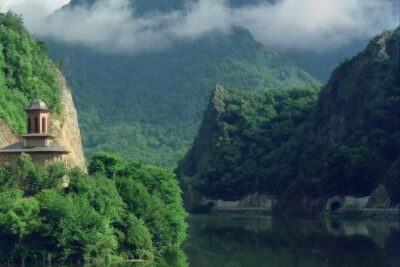
After monastery intensity, the itinerary shifts to nature and then back to human creativity. In Cheile Bicazului (Bicaz Gorges), the drive follows the ravines along an 8-kilometer stretch of rock with serpentines—rock on one side and a steep drop on the other. The tour notes you can see the wallcreeper, a cliff-dwelling bird, adding a small wildlife detail to a big-view day.
Inside the gorge area is Lacu Roșu (Red Lake) at about 980 meters altitude, formed by a landslide in the 19th century. The route mentions the formation is discussed among sources, with references to dates such as 1837 or 1838 and connections to earthquakes and storms. Either way, it’s a reminder that Romania’s scenery has stories written by geology, not just people.
Then comes an art stop that’s more intimate than it sounds: Nicolae Popa Museum. It’s a small museum founded in the 1970s by sculptor Nicolae Popa in his own house. The story is central—he was wounded in WWII, imprisoned by the communists for fighting the regime, and ended up building a body of naive folklore sculpture after having lost everything but the house. Admission is not included for the museum, so it’s worth slotting into your budget as more than just a quick roadside stop.
Sighișoara citadel time, Viscri village charm, and Brașov’s Piata Sfatului
Medieval towns get a turn later in the route, starting with Sighișoara. You’ll visit the Clock Tower and the Arms museum, then walk the old-town streets inside the Citadel, built in 1280. The big selling point here is that Sighișoara is still inhabited—over 700 years of continuous life in a fortress setting is rare anywhere.
This stop also ties into the Vlad/Dracula thread. The tour notes Vlad the Impaler’s (the real historical link behind Dracula’s myth) connection to the town, and it positions Sighișoara as a must-see for anyone who wants medieval walls without turning your trip into theme-park mode.
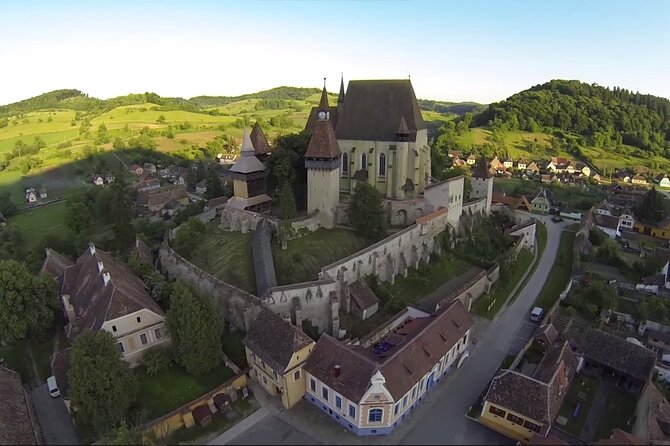
After Sighișoara, you’ll visit Village de Viscri, with history traced back to the 12th century. The route mentions the fortified church and references the Mihai Eminescu Trust, plus Prince Charles’ visits as part of the village’s modern recognition. Admission is listed as free here, and that makes it a nice budget-friendly cultural hour.
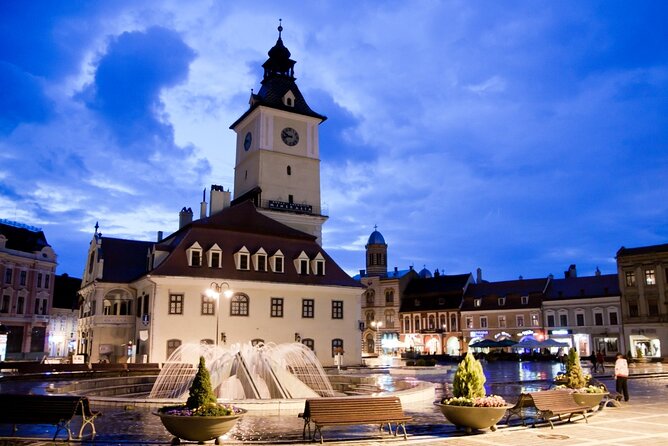
Then the itinerary ends this cluster in Brașov with Piata Sfatului (Council Square). The tour includes context about when markets were granted (markets held since 1520) and that it has hosted markets since 1364. The square is surrounded by 18th and 19th century houses that are historical monuments—so even a short walk feels like history with edges.
Bran, Peles, and Sinaia: Dracula’s shadow meets real royal life
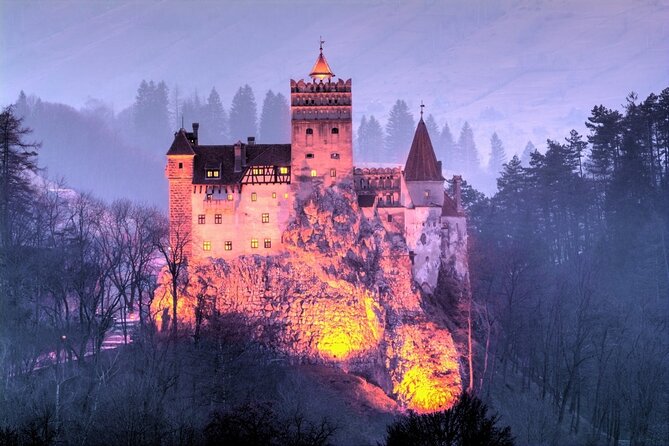
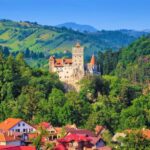
This part of the tour is where myth and monarchy show up side by side. Bran Castle is famously linked to Dracula’s story, and the tour description highlights the common belief that Bram Stoker drew from Bran’s look when shaping his fictional castle. It’s a good stop for people who want to see the origin point of the Dracula “vibe,” even while knowing it’s a mix of legend and marketing.
The tour also adds a practical food moment outside the castle: handmade cheeses, pálinka (plum and pear brandy), and traditionally produced ham and sausages. That’s useful because it turns a castle stop into a local tasting stop instead of just another photo line.
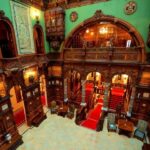
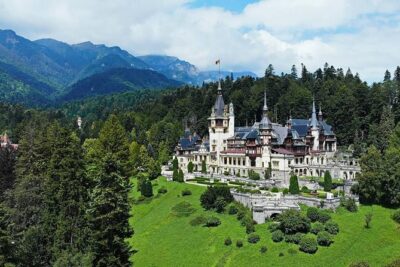
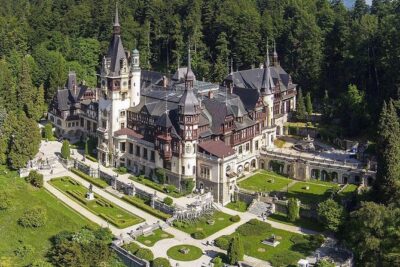
Next is Peles Castle, framed as the Romanian royal family’s summer residence and described as a top castle attraction. This one is about opulence and architecture, and the guide time helps you understand why it’s singled out.
You finish with Manastirea Sinaia. The monastery was founded in 1695 by Prince Mihail Cantacuzino and named after Saint Catherine’s Monastery on Mount Sinai in Egypt. It’s described as still active with 13 Orthodox monks led by hegumen Macarie Boguș. Admission is not included for this stop, so plan for it.
Price and logistics: private comfort, plus a realistic budget for entrances
At $2,825.81 per person, this isn’t a cheap tour—but it’s also not a generic bus day. You’re paying for a private car that stays with your group and for a licensed English-speaking guide/driver available throughout the itinerary. The tour also includes complimentary wireless in the car and covers all car expenses like gasoline, parking, and road tolls.
One more value point: the tour explicitly offers flexibility regarding changes to the daily itinerary even after the start. That can save you money and frustration if something doesn’t work for your group—especially when entrances or meal timing don’t line up perfectly.
What you should budget for separately is the big stuff the tour lists as not included: your accommodation, meals, beverages, and entrance fees as per the itinerary. Some stops are marked free (like parts of the city-square time and the Transfăgărășan Highway drive), but many key sites list admission not included, so your final trip cost depends on what you personally choose to pay for onsite.
Should you book this private Romania tour?
Book it if you want a single-driver, English-speaking guided experience that covers a lot of Romania’s “greatest hits” plus the crafts and memorials that explain the country beyond postcards. It’s especially a good fit if you like variety: castles one day, salt mines the next, wooden churches after that, then painted monasteries and folk art.
Don’t book it if you want a slow pace or minimal driving. This route is built around wheels, not resting. Also, if you’re traveling outside June to October, you may miss the Transfăgărășan Highway being fully open, so double-check your season.
If you decide to go, I’d plan your budget around entrances and meals from day one, and pack for both city walking and longer car days. The payoff is that Romania starts to feel like one connected story, not eight random stops.
FAQ
FAQ
What’s included with the tour price?
The tour includes a private car for your group, a private licensed English-speaking guide/driver available throughout the tour, accommodation/meals/entrances fee for the guide, wireless internet in the car, and all car expenses like gasoline, parking, and road tolls.
Is pickup offered?
Yes, pickup is offered.
Does the tour include accommodation and meals for me?
No. Accommodation, meals, and beverages are not included for you.
Are entrance fees included?
Entrance fees are not included as per the itinerary. Some stops are listed as free, but many are listed as admission not included.
How long is the tour and where does it start?
It’s about 8 days, starting from Bucharest, Romania.
When is the Transfăgărășan Highway fully open?
It is fully open only from June to October.
Is this a private tour?
Yes, it’s a private tour/activity, with only your group participating.
More Tour Reviews in Bucharest
- Bucharest: Dracula’s Castle, Peles Castle, & Brasov Old Town
★ 4.5 · 17,858 reviews - Bucharest: Dracula Castle, Peles Castle & Brasov Old Town
★ 4.6 · 10,891 reviews - Bucharest: Dracula’s Castle, Peleș Castle & Brașov Day Trip
★ 4.4 · 6,100 reviews - Bucharest: Palace of Parliament Tickets and Guide
★ 4.3 · 3,182 reviews - Bucharest: Day Trip to Dracula Castle, Peles Castle & Brașov
★ 4.4 · 3,049 reviews - Bucharest to Dracula Castle, Peles Castle and Brasov Guided Tour
★ 4.5 · 2,933 reviews
Just the Party You Came With: More Private Days
- Castles of Transylvania: Private Day Trip from Bucharest
★ 4.5 · 248 reviews - Dracula’s Castle, Peles Castle and Brasov – Private Day Trip from Bucharest
★ 5.0 · 211 reviews - Best of Bucharest | Private Walking Tour
★ 5.0 · 199 reviews - Bucharest Panoramic Sightseeing – Private City Tour
★ 5.0 · 128 reviews - THERME “Take It Easy” Pack: Full Spa Access + Private Transfers
★ 4.0 · 117 reviews - 4h Bucharest Private Tour (2h by Car and 2h Walking in Old Town)
★ 5.0 · 90 reviews
Just In: The Latest Bucharest Reviews

Bucharest Private Tours, compared.
 ★ 4.5Castles of Transylvania: Private Day Trip from BucharestFrom $151248 reviews
 ★ 5.0Dracula’s Castle, Peles Castle and Brasov – Private Day Trip from BucharestFrom $199211 reviews
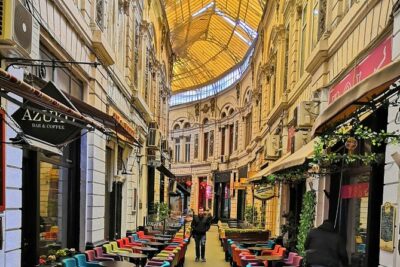 ★ 5.0Best of Bucharest | Private Walking TourFrom $314199 reviews
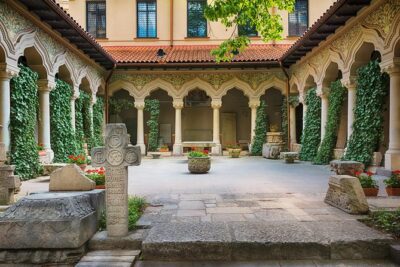 ★ 5.0Bucharest Panoramic Sightseeing – Private City TourFrom $101128 reviews
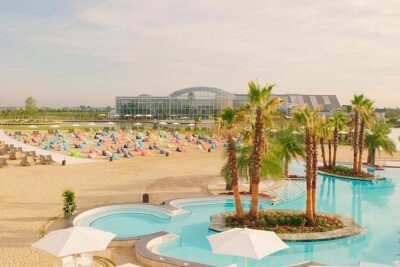 ★ 4.0THERME “Take It Easy” Pack: Full Spa Access + Private TransfersFrom $118117 reviews
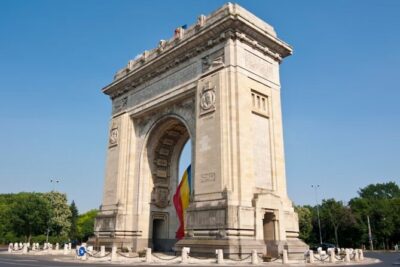 ★ 5.04h Bucharest Private Tour (2h by Car and 2h Walking in Old Town)From $10090 reviews
 ★ 5.0Discover Bucharest: Private Highlights and Traditional Food TourFrom $14386 reviews
 ★ 5.0Dracula Castle, Peles Castle & Brasov-Private Tour from BucharestFrom $16580 reviews
Browse the lists this tour appears in