
Transylvania can be a blur. This trip is built for fewer, better stops across Romania’s real heartlands. I like that it mixes big-name sights (Sibiu, Sighisoara, Bran, Peliș) with Maramureș village life and the wooden-church craft that most tours skip. I especially love the small-group feel (max 8) and the English-speaking guide who keeps the story clear and practical. One consideration: you’ll cover a lot of ground in six days, so some days are long drives, even with the live onboard commentary.
Here’s what I’d call the best part: you get two homemade dinners in Maramureș and time at key monasteries and churches rather than quick photo stops. The itinerary also works in seasonal flexibility for the famous Transfăgărășan Road, with an alternate route if it’s closed. The drawback is straightforward: entrance fees aren’t included (budget about 50 euros per person), and overnight stays in Sibiu, Sighisoara, and Brașov aren’t included—only the Maramureș nights are.
I also felt reassured by the guidance quality shown in past groups. People talked about guides such as Marius, Andrei, and Paul for being organized and attentive, and that matters on a fast, big-country route.
In This Review
- Key Highlights You’ll Actually Feel on the Trip
- How This 6-Day Route Feels From Bucharest
- Curtea de Argeș Monastery: The Moorish-Style Start That Sets a Tone
- Transfăgărășan Road to Sibiu: Summer Views, Backup Planning
- Alba Iulia’s Citadel + Corvin Castle: Where Romania’s Story Gets Specific
- Maramureș Wooden Churches and Village Life: The Part Most People Remember
- Barsana Monastery and Wood Carving Craft
- Dragomirești Museum (Muzeul Țăranilor Români)
- Wooden Churches Stop + Whirlpool Washing Place
- Merry Cemetery: A Funny-Sad Twist
- Your Maramureș Meals
- Sighisoara’s Historic Center: Medieval Streets and Vlad Dracula Lore
- UNESCO Fortified Churches: Biertan and Viscri Beyond the Photos
- Bran and Peliș: Dracula Myths vs. Royal Craft
- Price and Entrance Fees: Where the Value Really Comes From
- Who This Tour Suits Best (and Who Should Skip It)
- Should You Book 6-Days Transylvania & Wooden Churches of Maramures?
- FAQ
- What’s the group size for this tour?
- What’s included in the price?
- Are entrance fees included?
- Where does the tour start and what time?
- Is Transfăgărășan Road guaranteed?
- What about overnight stays in other towns?
- Do you offer vegetarian meals?
- What’s the cancellation window?
Key Highlights You’ll Actually Feel on the Trip
- Small group size (max 8) with flexible, personal pacing rather than cattle-car tourism
- English-guided story plus live onboard commentary while you travel between regions
- Maramureș wooden church culture with stops tied to makers, monasteries, and daily life
- UNESCO fortified churches at Biertan and Viscri, both worth the extra time
- Castles that teach context: Bran and Peliș, framed beyond the quick Dracula myths
- Seasonal route planning for Transfăgărășan Road (summer access, Olt Valley backup)
Deeper into Brasov and Saxon Transylvania
- Bucharest: Dracula’s Castle, Peles Castle, & Brasov Old Town★ 4.5 · 17,858 reviews
- Bucharest: Dracula Castle, Peles Castle & Brasov Old Town★ 4.6 · 10,891 reviews
- Bucharest: Dracula’s Castle, Peleș Castle & Brașov Day Trip★ 4.4 · 6,100 reviews
- Bucharest: Day Trip to Dracula Castle, Peles Castle & Brașov★ 4.4 · 3,049 reviews
How This 6-Day Route Feels From Bucharest
This is a “see a lot, but don’t rush every single stop” style of tour. You start in the morning from the Hilton Garden Inn on Strada Doamnei, with a departure time of 8:00am, and you end back at the same meeting point. You’ll be in a minivan with live commentary, which is a big deal on day-to-day drives—Romania’s regions can feel disconnected unless someone stitches the background together.
The tour is offered in English, and it runs as a small group (up to 8). In practice, that often means you get more questions answered and a better rhythm if your guide is adjusting routes or timings to the day.
One more practical point: this is a six-day “big loop” across Transylvania and then back toward Bucharest. You’ll do real walking in towns and church visits, but the physical demands are moderate overall. If you know you get tired on long car days, plan to treat the driving time like part of the sightseeing.
Curtea de Argeș Monastery: The Moorish-Style Start That Sets a Tone
The first stop after leaving Bucharest is Curtea de Argeș Monastery. It’s a Moorish-style Orthodox church, and that contrast is part of why I like the opening. Romania isn’t one single look; it’s layers—religion, empire, architecture, and local interpretation of faith.
The itinerary keeps this stop short (around 20 minutes), so you’re not there to read every stone. But the stop works as a mood setter. You get an immediate sense that the trip isn’t only about castles and legends. It’s also about belief and identity, in a form that’s very Romanian.
If you care about churches, do expect this to be your “first taste” day. Wear something comfortable for stepping in and out, and bring a small sense of patience—churches often have strict behavior expectations and you’ll move with the group.
Transfăgărășan Road to Sibiu: Summer Views, Backup Planning
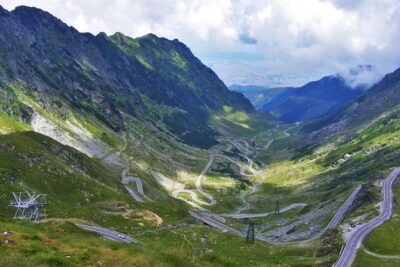
From there, you head toward Sibiu through the Transfăgărășan Highway if conditions allow it. This is one of those routes that can feel almost cinematic, but it’s also seasonal: June to October is when it’s open. If it’s closed, the tour uses the Olt Valley River Road instead.
Why does that matter for you? Because it tells you how the trip protects your time. You’re not stuck staring at roadblocks. You’ll still reach Sibiu, and the route choice will guide what kind of mountain feel you get that day.
When you arrive in Sibiu, you do a walking tour of the old town. You’ll cover the Big Square and the small square and get oriented fast. Sibiu is one of those Transylvanian towns where the streets feel built for wandering: medieval corners, dense little blocks, and a look that’s a step beyond “pretty town” into “lived-in history.”
A small caution: you’ll likely arrive in the afternoon after travel. That’s great for photos and strolling, but it means you’ll want to keep your evening flexible if you want to explore beyond the guided walk.
Alba Iulia’s Citadel + Corvin Castle: Where Romania’s Story Gets Specific
Day two starts with Alba Iulia, and it’s a smart choice for anyone who wants more than Dracula headlines. The citadel area is built on layered history: it was once a Roman city set to protect gold mines in the region. Then it becomes a major national marker later, including the 1918 unification of Romania.
You’ll spend about an hour there, including time to check out key parts like the Orthodox Monastery and the main gates from inside the citadel area. That timeframe is just enough to make you feel grounded. You’ll walk away knowing what you saw and why it matters, even if you didn’t come as a deep-history buff.
After Alba Iulia, the day shifts to Corvin Castle, also called one of the most emblematic castles in the area. It’s a classic stop that helps break up all the fortifications and churches with a visual, dramatic change.
Then you move onward to Maramureș and Breb village, where you stay in a traditional wooden house. That overnight decision is important. It means you’re not commuting back and forth to see “the countryside.” You’re sleeping inside it, which changes how the region feels at morning and evening.

Maramureș Wooden Churches and Village Life: The Part Most People Remember
If you’re choosing this tour for one reason, make it Maramureș. This is where the trip earns its longer time blocks and more cultural stops.
Barsana Monastery and Wood Carving Craft
You start with Barsana Monastery, one of the most important monasteries in the region. The guide’s focus here is on local culture and the role wood carving plays in the area’s artistic identity. You also visit a wood carver workshop or area where you can see how the craft is done.
This isn’t just “look at wood.” It’s about understanding why wood is the medium. Maramureș has a strong tradition of wooden architecture and ornamentation, and that shows up in churches and homes. When a guide explains that link, the churches make more sense once you see them.
Dragomirești Museum (Muzeul Țăranilor Români)
Next is Muzeul Țăranilor Români at Dragomirești, plus a traditional house visit with traditional belongings. The point here is to get beyond the postcard version of village life. You learn how people lived, and you see everyday objects treated as part of cultural identity.
Entrance for this stop is listed as not included, so check your budget plan.
Wooden Churches Stop + Whirlpool Washing Place
Then you go to the Wooden Churches of Maramureș area. The itinerary also includes a visit to a local washing scene—referred to as a whirlpool where people historically washed clothes and rugs. That’s one of those details I love because it makes the landscape practical. This region wasn’t built for tourism first; it was built for daily living.
Merry Cemetery: A Funny-Sad Twist
You finish the day at the Merry Cemetery, built in 1947. The guide shares funny stories about people buried there, and the emotional tone flips what many visitors expect from cemeteries. It’s not disrespectful; it’s an approach to afterlife that uses humor to handle mortality.
Some people will find this day-ending stop lighter than they expected. I think that’s exactly why it lands. After long travel and serious architecture, it gives you a human angle.
Your Maramureș Meals
You also get two homemade dinners in a Maramureș house, included in the price. Food is one of the easiest ways to understand a place without needing a textbook. If you have a vegetarian preference, the tour states a vegetarian option is available if you tell them at booking.
Sighisoara’s Historic Center: Medieval Streets and Vlad Dracula Lore
On day four, you head to Sighișoara for the historic center (about a 3-hour walking experience). The town is well preserved and has a fairytale look, plus a specific Dracula connection as the birthplace of Vlad Dracula—so you’ll see that legend woven into the tour.
You also get a proper guide-led walk rather than a quick drop-off. That’s valuable because Sighișoara’s beauty is in details: street layouts, fortification remnants, and the feel of a town that stayed put.
Entrance fees are listed as not included for this stop. So factor that into your day planning if you want to go inside certain sites beyond what the guide covers.
UNESCO Fortified Churches: Biertan and Viscri Beyond the Photos
Day five is a UNESCO-heavy day, and that’s a good thing. Biertan Fortified Church is first. It’s a UNESCO site, perched on a hill with views over the village. Your guided time focuses on the history of the place and why it’s become so well known.
After that, you head to Viscri Village, another UNESCO protected fortified church area. Viscri is known for being one of the best preserved Transylvanian villages, and the tour includes checking out how the fortified church fits into village life.
A key added value here: the tour mentions that Prince Charles bought houses in the village. That’s not a random celebrity fact; it’s a clue about Viscri’s cultural attention and why the village has stayed intact.
You’ll have the option for a traditional lunch in Viscri (at your own expense). If you can, this is one of the best moments to slow down and eat locally, because you’re seeing the same everyday rhythm the food comes from.
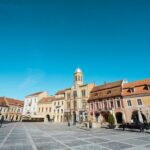
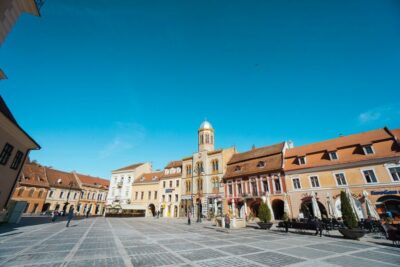
Then in the afternoon you reach Brașov, where you do a shorter guided stroll. You pass the Black Church, see Council Square, and go by the main former gates. Brașov is a great “wrap-up town” before your final castle days.
Bran and Peliș: Dracula Myths vs. Royal Craft
Day six is where the tour leans into castle mode.
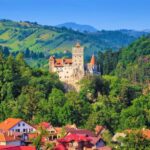
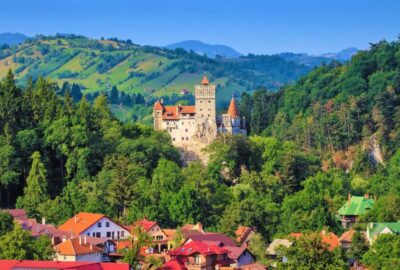
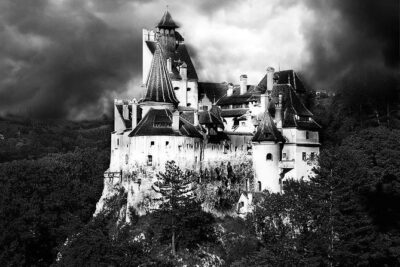
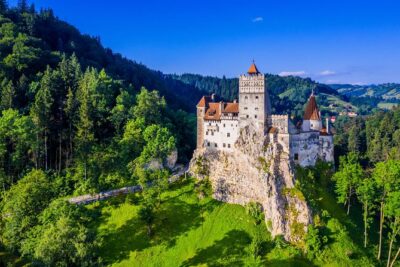
First is Bran Castle, often called Dracula’s Castle. The tour frames it as a 14th-century customs point between Transylvania and Wallachia. The guide also covers the real story behind Vlad Dracula and Bran Castle, which helps keep you from leaving with only one myth.
Inside time is guided (about 2 hours total for the castle experience). Afterward, you’ll have time at the market in front of the castle for souvenirs. If you like shopping, this is where you’ll spot the most tourist-oriented crafts.
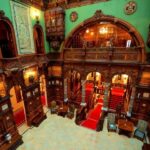
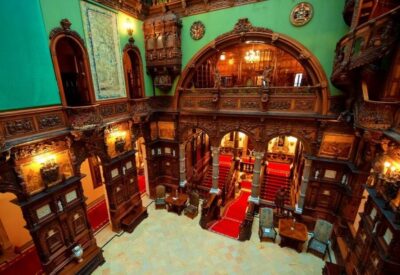
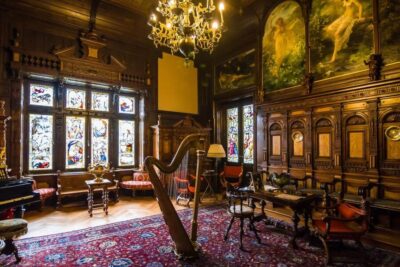
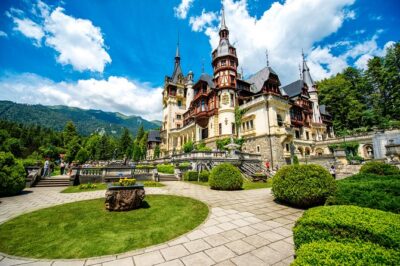
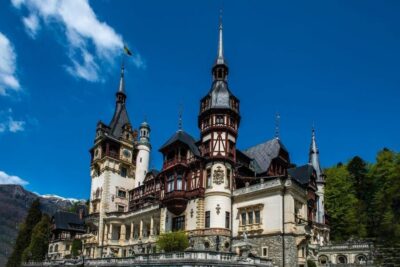
Then you go to Peliș Castle in Sinaia, traveling through the Carpathian Mountains and passing ski resorts. Peliș is a 19th-century royal palace built for Romania’s first king, and the guide walks you through the palace rooms and key details.
This stop is listed as not including admission fees, so again budget for that part separately. But I think Peliș is exactly the kind of ending that changes the mood. Bran is about the legend. Peliș is about craftsmanship and design.
After Peliș, you head back to Bucharest and finish at the original meeting point.
Price and Entrance Fees: Where the Value Really Comes From
The tour price is $2,247.56 per person for six days. That’s not cheap, and you should judge it against what’s actually included.
Included basics are strong:
- Professional English guide and live commentary
- Transport by minivan
- Two Maramureș nights in a traditional wooden house
- Two dinners (homemade)
- Two breakfasts (as listed)
- Local taxes, fuel surcharge, and a mobile ticket
The big money question is the “not included” items:
- Entrance fees: 50 euros per person
- Other meals and drinks
- Overnight accommodations in Sibiu, Sighișoara, and Brașov aren’t included
That last point matters for total cost. If you plan your lodging in those towns casually, the saved “included accommodation” piece can disappear fast. Still, it can be a good value if you prefer choosing your own hotels in those cities—or if you find comfortable mid-range rooms for less than you would pay for a fully packaged package.
Who gets the best value? Someone who wants a guided, multi-region route with cultural stops in Maramureș and doesn’t want to coordinate transportation themselves. The guide does the hard part: sequencing towns, handling timing, and explaining what you’re actually seeing.
Who This Tour Suits Best (and Who Should Skip It)
This tour is ideal if you:
- Want Transylvania plus Maramureș in one trip
- Like guided context more than self-guided wandering
- Appreciate churches, village life, and UNESCO sites
- Prefer a small group (max 8) for better questions and pacing
You might not love it as much if you:
- Want a slow-paced vacation with lots of free time
- Hate long driving days
- Don’t want to budget separately for lodging in Sibiu, Sighișoara, and Brașov
If you enjoy history but also enjoy daily life details, Maramureș is the main reason to book. The wooden churches, monasteries, craft visit, and the Merry Cemetery all point to a region with its own logic and humor.
Should You Book 6-Days Transylvania & Wooden Churches of Maramures?
I’d book it if you want a smart sampler of Romania that avoids feeling random. The route is packed, but it’s packed with meaning: you get monasteries, fortified UNESCO churches, and castles framed in context—not just in legend.
Before you pay, do two quick checks:
- Budget for 50 euros per person entrance fees, plus your meals beyond the included dinners and breakfasts.
- Plan lodging for Sibiu, Sighișoara, and Brașov, since those nights aren’t included.
If you’re good with that, this is a strong, efficient way to see both iconic Transylvania and the wooden-church culture of Maramureș without handling the logistics yourself.
FAQ
What’s the group size for this tour?
The tour has a maximum of 8 travelers, which helps keep the experience more personal.
What’s included in the price?
The included items are the English-speaking guide, minivan transport, live onboard commentary, local taxes, fuel surcharge, 2 nights in Maramureș, 2 breakfasts, and 2 homemade dinners. Entrance fees and other meals/drinks are not included.
Are entrance fees included?
No. Entrance fees are listed as 50 euros per person.
Where does the tour start and what time?
It starts at the Hilton Garden Inn (Strada Doamnei 12, București 030055, Romania) at 8:00am.
Is Transfăgărășan Road guaranteed?
It’s only open between June and October. If it’s closed, the tour uses the Olt Valley River Road instead.
What about overnight stays in other towns?
Overnight accommodations in Maramureș are included, but overnight stays in Sibiu, Sighișoara, and Brașov are not included.
Do you offer vegetarian meals?
A vegetarian option is available if you advise at the time of booking.
What’s the cancellation window?
You can cancel up to 3 days in advance for a full refund, and changes made less than 3 days before the experience start time aren’t accepted.
More Tour Reviews in Bucharest
- Bucharest: Dracula’s Castle, Peles Castle, & Brasov Old Town
★ 4.5 · 17,858 reviews - Bucharest: Dracula Castle, Peles Castle & Brasov Old Town
★ 4.6 · 10,891 reviews - Bucharest: Dracula’s Castle, Peleș Castle & Brașov Day Trip
★ 4.4 · 6,100 reviews - Bucharest: Palace of Parliament Tickets and Guide
★ 4.3 · 3,182 reviews - Bucharest: Day Trip to Dracula Castle, Peles Castle & Brașov
★ 4.4 · 3,049 reviews - Bucharest to Dracula Castle, Peles Castle and Brasov Guided Tour
★ 4.5 · 2,933 reviews
Brasov and Saxon Transylvania
- Bucharest: Dracula’s Castle, Peles Castle, & Brasov Old Town
★ 4.5 · 17,858 reviews - Bucharest: Dracula Castle, Peles Castle & Brasov Old Town
★ 4.6 · 10,891 reviews - Bucharest: Dracula’s Castle, Peleș Castle & Brașov Day Trip
★ 4.4 · 6,100 reviews - Bucharest: Day Trip to Dracula Castle, Peles Castle & Brașov
★ 4.4 · 3,049 reviews - Bucharest to Dracula Castle, Peles Castle and Brasov Guided Tour
★ 4.5 · 2,933 reviews - Dracula’s Castle, Peles Castle and Brasov Day Trip from Bucharest
★ 4.5 · 1,804 reviews
Just In: The Latest Bucharest Reviews

Brașov & Transylvania, compared.
 ★ 4.5Dracula’s Castle, Peles Castle, & Brasov Old TownFrom $4017,858 reviews
 ★ 4.6Dracula Castle, Peles Castle & Brasov Old TownFrom $4010,891 reviews
 ★ 4.4Dracula’s Castle, Peleș Castle & Brașov Day TripFrom $366,100 reviews
 ★ 4.4Day Trip to Dracula Castle, Peles Castle & BrașovFrom $453,049 reviews
 ★ 4.5Bucharest to Dracula Castle, Peles Castle and Brasov Guided TourFrom $332,933 reviews
 ★ 4.5Dracula’s Castle, Peles Castle and Brasov Day Trip from BucharestFrom $331,804 reviews
 ★ 4.5Transylvania and Dracula Castle Full Day Tour from BucharestFrom $351,589 reviews
 ★ 4.5From Bucharest: Brasov Peles & Dracula’s Castle Day TourFrom $651,244 reviews
Browse the lists this tour appears in