
REVIEW · BRAșOV & TRANSYLVANIA
6 Days Transylvania and Bukovina Small Group Tour from Bucharest
Dragons get credit; the art gets the real wow. This small-group trip from Bucharest strings together UNESCO-listed monasteries and medieval towns, with a guide who keeps the story clear from stop to stop. You’ll also hit castle country, including Bran and Peles, so the Dracula theme has context instead of just costumes.
Two things I like a lot are the narration from licensed guide George and the small-group size (up to 7) that keeps the day moving without feeling rushed. I also appreciate the practical setup: transport is handled for you, and you sleep in 3–4 star hotels while five breakfasts are included.
One drawback to plan around is the dress code for churches and selected museums. Bring something that covers your knees and shoulders, or you may get refused entry.
In This Review
- Key highlights at a glance
- Why a driver-guide like George changes the whole trip
- Day 1: Cozia Monastery and Sibiu’s medieval squares
- Day 2: Sighisoara, Targu Mures, and Bistrita’s layered churches
- Day 3: Moldovita, Sucevita, Voronet, and the Marginea craft stop
- Day 4: Piatra Neamt, Bicaz Gorges, Red Lake, and Miercurea Ciuc
- Day 5: Brasov’s fortified core and Bran Castle’s border story
- Day 6: Peles Castle and Bucharest’s big landmarks
- Price and what you’re really paying for
- What’s included, what to budget, and the dress-code reality
- Who this 6-day Transylvania and Bukovina tour fits best
- Should you book? My straight answer
- FAQ
- What time does the tour start?
- Is pickup included?
- How large is the group?
- Are entrance fees included?
- Are meals included?
- Do I need a special dress code?
- What if I’m traveling solo?
- What happens if the weather is bad?
- Is the booking refundable if I cancel?
Key highlights at a glance
- Guide George runs the show as both a licensed guide and your driver, and he can help with timing when lines show up.
- Small-group pace with a maximum of 7 travelers, so questions don’t get lost.
- Bucovina painted monasteries with major stops like Voronet (the famous blue) plus Moldovita and Sucevita.
- Marginea artisan visit for black ceramic work and classic Moldavian-style painted eggs.
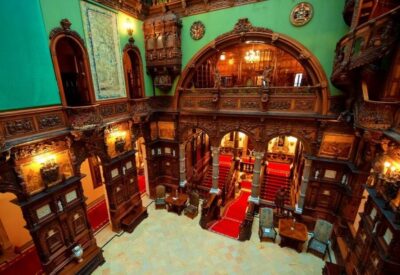
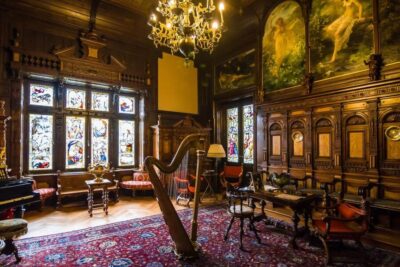
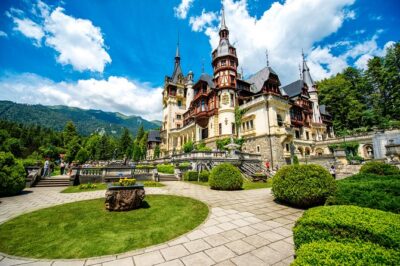
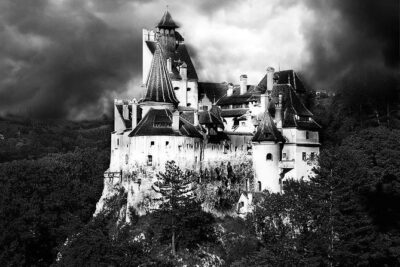
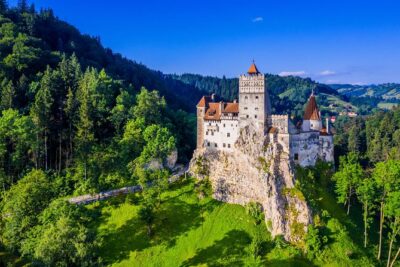
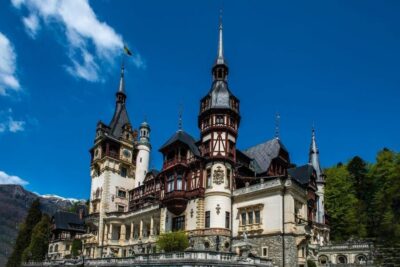
- Two contrasting castles: Bran’s border-fortress vibe and Peles’ elegant, detail-heavy palace rooms.
- Bucharest in one sweep with major landmarks via a panoramic tour.
Deeper into Brasov and Saxon Transylvania
- Bucharest: Dracula’s Castle, Peles Castle, & Brasov Old Town★ 4.5 · 17,858 reviews
- Bucharest: Dracula Castle, Peles Castle & Brasov Old Town★ 4.6 · 10,891 reviews
- Bucharest: Dracula’s Castle, Peleș Castle & Brașov Day Trip★ 4.4 · 6,100 reviews
- Bucharest: Day Trip to Dracula Castle, Peles Castle & Brașov★ 4.4 · 3,049 reviews
Why a driver-guide like George changes the whole trip
Transylvania and Bukovina can be gorgeous on a map. They can also feel confusing if you’re trying to piece the history together on your own. The payoff here is a guide who explains what you’re seeing and why it mattered, without turning everything into a lecture.
George matters because he’s not just pointing at buildings. He’s connecting religious life, ethnic communities, and old borders—then showing how those forces shaped daily life. In the places where the “Dracula” angle gets loud, you still get the deeper context: border towns, old fortifications, and the way faith and culture mixed over centuries.
Small group size helps, too. With only up to 7 people, you’re more likely to ask a follow-up question when something clicks—like why a church looks the way it does, or what a nickname means. It also cuts down on that awkward “wait for everyone” rhythm you can get on larger bus tours.
Day 1: Cozia Monastery and Sibiu’s medieval squares
You start with a heritage stop in the Olt Valley: Cozia Monastery, a 14th-century Wallachian monument tied to Mircea Il the Old. I like this warm-up because it grounds you in Wallachia before the trip slides into Transylvania and the Dracula mythos. The details here are specific: Armenian decorative elements on the façade and richly frescoed interiors.
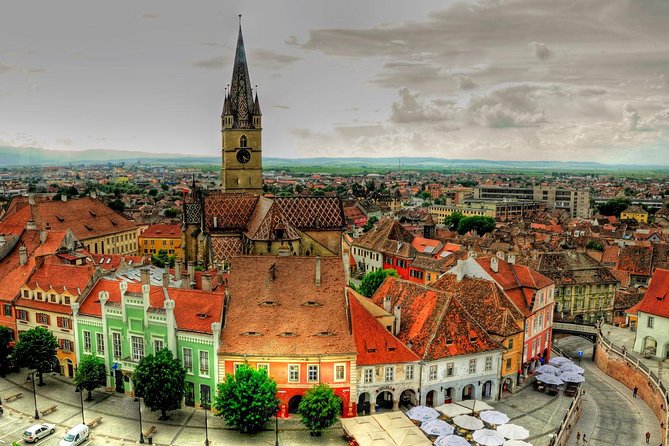
From there you head to Sibiu, one of the region’s most satisfying medieval cities. What makes Sibiu practical and fun is the layout. Three main squares—Big Square, Small Square, and Huet Square—help you orient fast, and they make walking feel like sightseeing instead of wandering. You’ll also get a strong sense of the Saxon and Romanian presence and how Catholic, Orthodox, and Protestant monuments sit side by side.
Two Sibiu details I’d put on your mental checklist:
- The Gothic evangelical church in Transylvania, one of the larger examples in the area.
- The so-called houses with the eyes, a quirky local feature that’s easy to miss if you’re just scanning facades.
Sibiu is also known for culture—being European Capital of Culture in 2007—and you’ll feel that civic pride when the guide points out the places where that identity shows up.
Day 2: Sighisoara, Targu Mures, and Bistrita’s layered churches
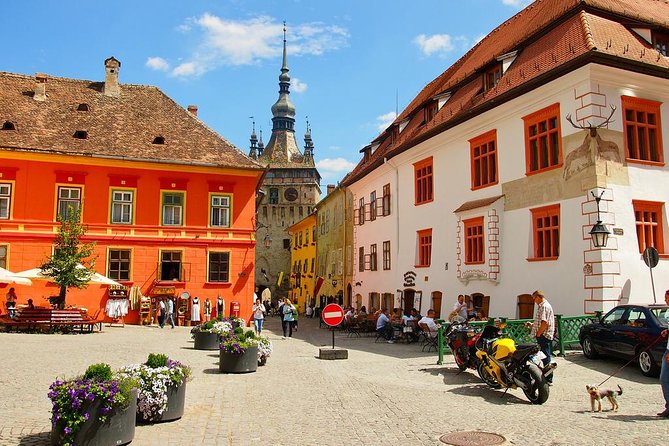
Sighisoara is a highlight day for a reason. The historic center is UNESCO-listed and, importantly, it’s still inhabited. That changes the vibe. You’re not just looking at preserved ruins; you’re walking through a living old town.
Sighisoara’s Clock Tower is the visual anchor. From there, you’ll also visit the church on the hill, reached via the wooden staircase nicknamed the schoolchildren’s ladder. I like this detail because it turns walking into part of the story. You feel the medieval geography instead of treating it like a straight line on a map.
A few other points worth your attention:
- There’s a statue of Petofi Sandor, reflecting the past significance of the Magyar community here.
- You can spot elements that point to community history, including the Catholic church reserved for the Hungarian community and the tower of the shoemakers.
- Lunch is an optional moment: there’s a mention of the house connected to Vlad the Impaler’s birth, but it’s not included—so expect to pay your own way if you want to go in.
After Sighisoara, the tour shifts to Targu Mures, where baroque architecture takes over. The Palace of Culture is the focal point, and it’s the kind of building that makes you slow down even if you don’t usually care about palaces. It also reinforces what the guide is doing throughout the trip: showing how cultural identities left physical marks in stone.
Then comes Bistrita for a walking tour centered on its Lutheran church. The church’s story is layered—Gothic roots from the 14th century, with Renaissance remodeling in the late 1500s. If you like architecture that shows multiple time periods at once, this stop is a strong payoff.
Day 3: Moldovita, Sucevita, Voronet, and the Marginea craft stop
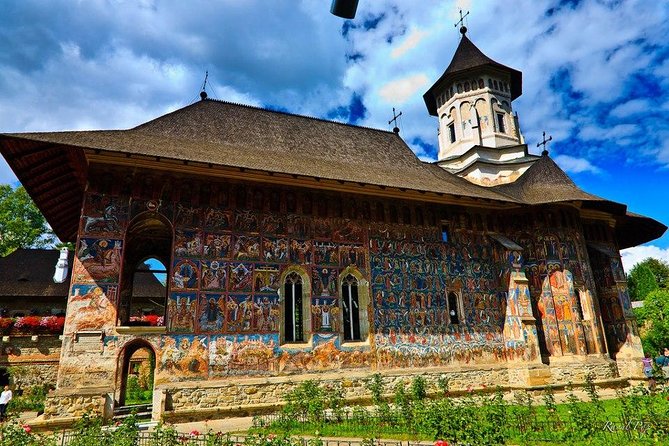
Day 3 is where the trip really flexes its UNESCO value. You’ll visit major painted monasteries in Bucovina—spaces where frescoes do the storytelling.
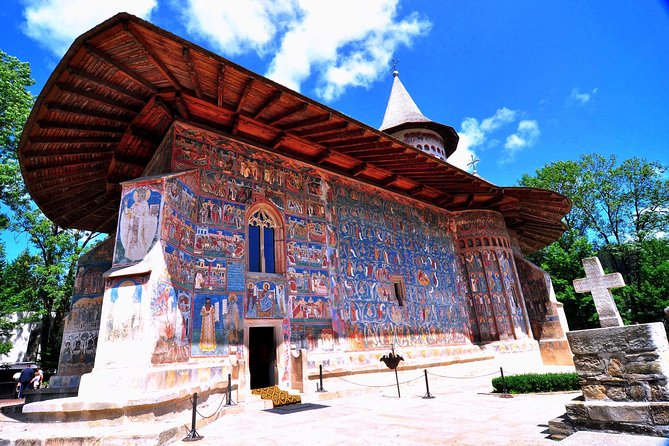
First up is Moldovita Monastery. The interior and exterior frescoes are the star, and it’s the kind of stop that works even if your attention span is shorter. Why? Because the paintings are dense and human. They show the visual language of faith and community.
Then you’ll go to Sucevita Monastery. This one has a very specific selling point: the frescoes on the northern façade are still visible because protective walls were never demolished. That detail matters. It’s the difference between seeing a fragment and seeing a face-to-face panel of art that actually survived.
Next comes an artisan stop at Ceramica neagra in Marginea. This is a welcome change of pace from church interiors. You’ll get to enter the workshop and watch working phases of black ceramic production, plus you can buy small souvenirs like painted eggs and ceramic pieces using traditional Romanian technique.
Finally, Voronet Monastery brings the emotional peak. You’ll hear it described as the Sistine Chapel of the Carpathians, and the reason is the distinctive blue color of the frescoes. I’d treat Voronet like your main photo stop—but also like your main pause stop. Sit, look up, then look again. The guide’s explanations help you see symbols rather than just color.
If you’re the type who wants one day that feels like you did something rare, this is it.
Worth a look before you lock in this Bucharest tour:

Day 4: Piatra Neamt, Bicaz Gorges, Red Lake, and Miercurea Ciuc
This day has a strong mix: quick heritage stops, big nature views, and a few lore-friendly moments.
You’ll have a short stop at Piatra Neamt, known as a ski resort area but also for its citadel linked to Stephen the Great and an 18th-century synagogue. Even with limited time, it helps set context for how this region blended rulers, faiths, and geography.
Next is Bicaz Gorges. Instead of rushing through, the stop is about taking in the road and cliffs that frame the gorge. Along the way, there’s a market where you can browse typical handicrafts and souvenirs. That’s useful because it gives you a casual chance to buy small items without making the rest of the day feel like a store run.
Then you’ll visit Red Lake, a barrier lake formed after a landslide, with trunks of trees still present. What I like here is the way the tour brings in legends tied to the lake’s name. You end up with more than a view—you get a local story thread.
The day continues through a scenic route toward Miercurea Ciuc, a region the tour references as Siberia of Romania for low temperatures and the character of the area. Even if you don’t experience the cold, the name itself gives you a feel for what locals deal with season to season.
Day 5: Brasov’s fortified core and Bran Castle’s border story
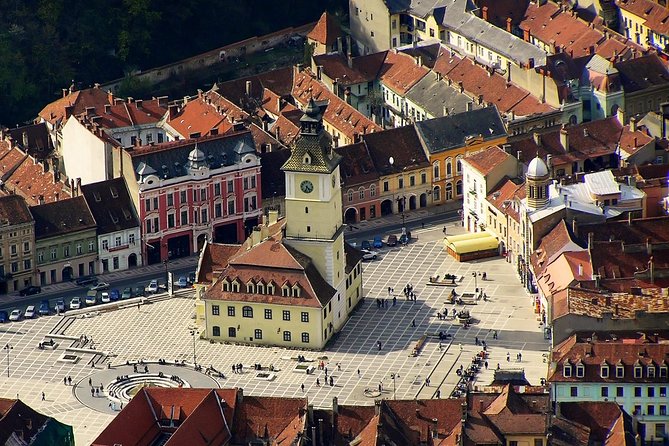
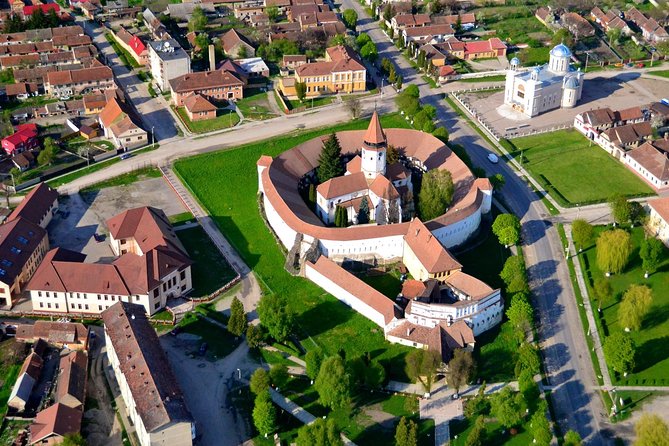
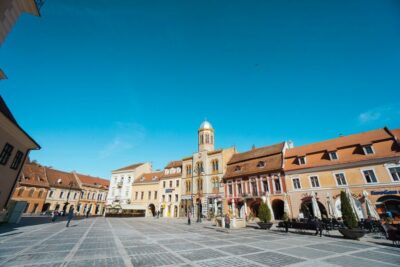
Brasov is the kind of city stop that rewards a guided approach because it’s layered. You’ll see typically German architecture, with Gothic, Baroque, and Renaissance influences mixed together. That mix can make a self-guided visit feel random unless someone explains the pattern.
Two places I’d focus on in Brasov:
- The First Romanian School in the Schei district, a strong reminder that education wasn’t just an abstract idea here.
- The defensive-era gates, including Catherine’s Gate and the Schei Gate, plus the old fortified city identity.
You’ll also visit the Black Church, which gives Brasov a darker, more dramatic anchor. Even if you’ve seen other churches in the region, this stop helps you compare styles and community priorities.
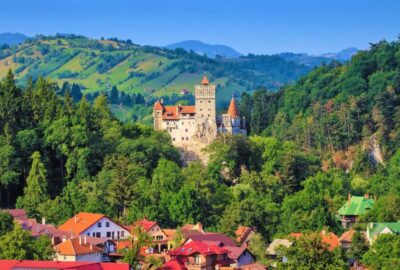
Then you head to Bran Castle, widely known as Dracula’s Castle. Even if you’re not chasing the myth, this is worth it because it sits on the historic border between Wallachia and Transylvania. The guide’s emphasis is on the defensive role it played, which turns the famous name into a historical explanation.
One consideration: castle visits can draw big crowds. A guide who can manage timing matters, and George’s ability to help you get ahead when lines show up is a real advantage for this kind of stop.
The day ends with arrival in Sinaia in late evening, which sets you up for the next morning without losing time.
Day 6: Peles Castle and Bucharest’s big landmarks
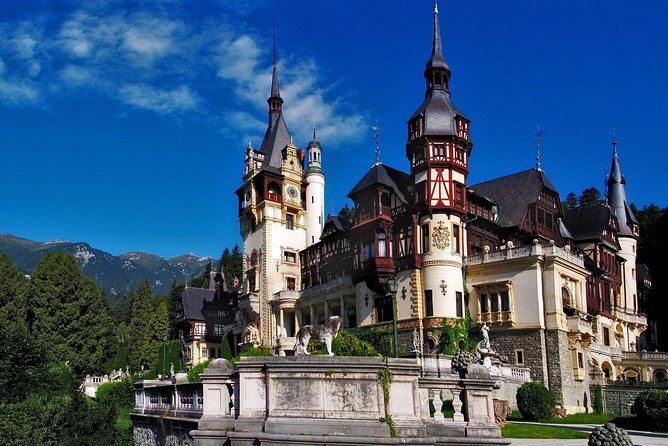
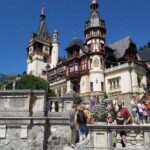
Your final day starts at Peles Castle, one of Romania’s best-known royal palaces. It was the summer residence of the first king of Romania, King Charles I of Hohenzollern. I like that the tour doesn’t just say fancy words—it gives you the architectural credit: designed by a Czech architect and built between the 19th and 20th centuries. The key point is its modern feel for its era, plus the fact that each room has a distinct style.
One specific room to look for is the Florentine room, where you’ll feel the Italian Renaissance atmosphere. This isn’t a “one room then out” stop. You’ll spend enough time to notice the variety rather than just ticking boxes.
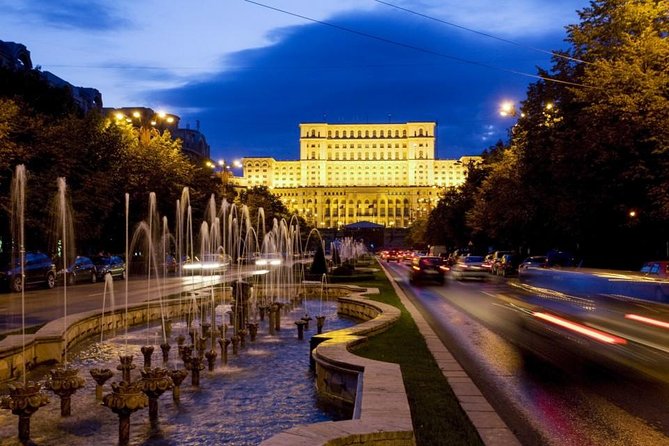
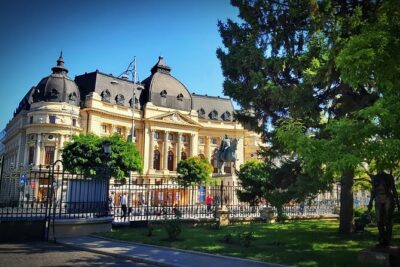
After Peles, you return to Bucharest and get a panoramic tour with major landmarks including Triumph Arch, Atheneum, Revolution Square, and the Parliament Palace. This final section is efficient. It’s not meant to replace a deep Bucharest day, but it helps you get the big picture fast—especially if you’re ending your trip feeling like Romania is a collection of regions, not just one city.
Price and what you’re really paying for
At $1,163.56 per person, this is not a budget grab-and-go. So the honest question is: what are you buying?
You’re paying for:
- A licensed guide who is also your driver
- Air-conditioned group transport between far-flung stops
- 3–4 star hotels
- Five breakfasts included
- A route that strings together Transylvania and Bukovina highlights without forcing you into daily scheduling chaos
Entrance fees aren’t included, and tips are extra. There’s also a €120 single room supplement paid locally if you book solo.
So how do you judge value? If you were doing this independently, you’d spend time figuring out transportation, hotel locations, and the order of sights. Even if your ticket total might look similar at first glance, the time savings and smooth logistics are a big part of what makes the price feel fair.
For solo travelers, the single supplement is something to factor in early, not as an afterthought.
What’s included, what to budget, and the dress-code reality
Most days on this tour will include at least one or two stops where entry tickets may not be included in your package total. The tour’s general rule is simple: entrance fees are not included, and tips for the driver/guide are also not included.
That means you should budget for some on-site payments. You’ll also want cash or a card ready, since you might encounter ticketing at churches, monasteries, or castles.
Then there’s the dress code, and it’s the one detail I’d treat as non-negotiable. For places of worship and selected museums, no shorts or sleeveless tops. Knees and shoulders must be covered. If you pack for a beach day and a casual dinner, you’ll still want a layer that works for church visits.
Who this 6-day Transylvania and Bukovina tour fits best
This tour fits best if you want:
- A guided storyline through towns, faith sites, and border history
- Comfort built into the plan (transport and lodging handled)
- A small group where your questions don’t get swallowed
It’s also a good match if you care about more than Dracula vibes. Yes, you get Bran, but the stronger wins are the painted monasteries, the medieval city core walks, and the artisan craft stop at Marginea.
It may feel less ideal if you prefer total freedom and are the type who wants to choose every lunch spot and arrival time. This is organized, and that’s part of its value.
Should you book? My straight answer
I think you should book this tour if you want a guided best-of route through Transylvania and Bucovina without spending days on logistics. The combination of George’s storytelling, the small group size, and the mix of monasteries, castles, and crafts makes it more than a checklist tour.
I’d only hesitate if you know you’ll struggle with the church dress code or if you want a completely unstructured schedule. Otherwise, it’s a strong way to see a wide range of highlights with less friction than doing it on your own.
FAQ
What time does the tour start?
The tour starts at 8:00 am.
Is pickup included?
Yes, pickup is offered.
How large is the group?
It’s a small group tour with a maximum of 7 travelers.
Are entrance fees included?
No. Entrance fees are not included.
Are meals included?
Breakfast is included for 5 days. Other meals are not listed as included.
Do I need a special dress code?
Yes. For places of worship and selected museums, knees and shoulders must be covered. Shorts and sleeveless tops are not allowed.
What if I’m traveling solo?
There is a single room supplement of 120 euro, paid locally in cash or by credit card.
What happens if the weather is bad?
This experience requires good weather. If it’s canceled due to poor weather, you’ll be offered a different date or a full refund.
Is the booking refundable if I cancel?
No. This experience is non-refundable and cannot be changed for any reason.
More 6-Day Experiences in Bucharest
- 6 Days Private Tour in Romania Spectacular Places from Bucharest
★ 5.0 · 9 reviews - Private 6-Day Dracula Tour in Transylvania from Bucharest
★ 5.0 · 4 reviews - Transylvania & Bucovina Private Tour – 6 days
★ 5.0 · 3 reviews
More Tour Reviews in Bucharest
- Bucharest: Dracula’s Castle, Peles Castle, & Brasov Old Town
★ 4.5 · 17,858 reviews - Bucharest: Dracula Castle, Peles Castle & Brasov Old Town
★ 4.6 · 10,891 reviews - Bucharest: Dracula’s Castle, Peleș Castle & Brașov Day Trip
★ 4.4 · 6,100 reviews - Bucharest: Palace of Parliament Tickets and Guide
★ 4.3 · 3,182 reviews - Bucharest: Day Trip to Dracula Castle, Peles Castle & Brașov
★ 4.4 · 3,049 reviews - Bucharest to Dracula Castle, Peles Castle and Brasov Guided Tour
★ 4.5 · 2,933 reviews
Brasov and Saxon Transylvania
- Bucharest: Dracula’s Castle, Peles Castle, & Brasov Old Town
★ 4.5 · 17,858 reviews - Bucharest: Dracula Castle, Peles Castle & Brasov Old Town
★ 4.6 · 10,891 reviews - Bucharest: Dracula’s Castle, Peleș Castle & Brașov Day Trip
★ 4.4 · 6,100 reviews - Bucharest: Day Trip to Dracula Castle, Peles Castle & Brașov
★ 4.4 · 3,049 reviews - Bucharest to Dracula Castle, Peles Castle and Brasov Guided Tour
★ 4.5 · 2,933 reviews - Dracula’s Castle, Peles Castle and Brasov Day Trip from Bucharest
★ 4.5 · 1,804 reviews
Just In: The Latest Bucharest Reviews

Brașov & Transylvania, compared.
 ★ 4.5Dracula’s Castle, Peles Castle, & Brasov Old TownFrom $4017,858 reviews
 ★ 4.6Dracula Castle, Peles Castle & Brasov Old TownFrom $4010,891 reviews
 ★ 4.4Dracula’s Castle, Peleș Castle & Brașov Day TripFrom $366,100 reviews
 ★ 4.4Day Trip to Dracula Castle, Peles Castle & BrașovFrom $453,049 reviews
 ★ 4.5Bucharest to Dracula Castle, Peles Castle and Brasov Guided TourFrom $332,933 reviews
 ★ 4.5Dracula’s Castle, Peles Castle and Brasov Day Trip from BucharestFrom $331,804 reviews
 ★ 4.5Transylvania and Dracula Castle Full Day Tour from BucharestFrom $351,589 reviews
 ★ 4.5From Bucharest: Brasov Peles & Dracula’s Castle Day TourFrom $651,244 reviews
Browse the lists this tour appears in