
REVIEW · BUCHAREST PRIVATE TOURS
10-Day Private Tour of Romania with Pick Up
Ten days, and Romania never repeats itself. This private trip strings together power politics, medieval towns, Dacian ruins, and the painted monasteries of Bucovina—served with pickup and a licensed English-speaking guide/driver. The mix feels smart: you move city-to-carpathians without wasting time on backtracking.
Two things I like right away: the private car means you’re not stuck waiting for other groups, and Nicolas’s kind of guiding shines through in the experiences people talk about—knowledge, plus a real sense of ease with the route. You also get flexibility once you’re on the road, which matters when weather or timing nudges your day.
One thing to consider: most entrance fees are not included, so you’ll want to budget for tickets as you go. You’ll also spend a good chunk of time traveling between regions, so comfy shoes and a patient mindset help.
In This Review
- Key highlights that make this tour worth a close look
- A private Romania route built for clarity (and comfort)
- Day 1 in Bucharest: Palace of Parliament, Revolution Square, and old streets
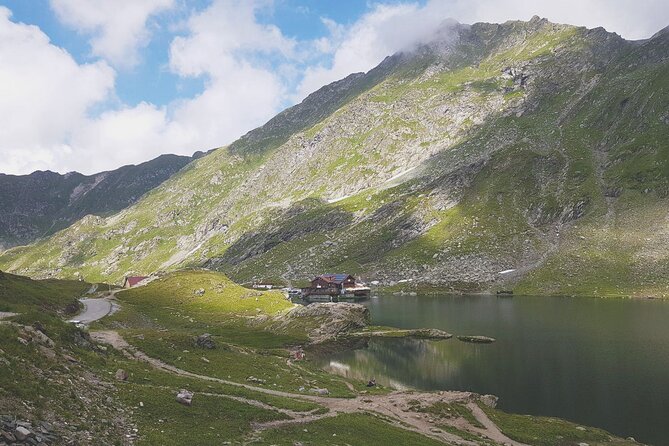
- Day 2 through Wallachia and into mountain drama: Curtea de Argeș, Poienari, and Transfăgărășan
- Day 3 in Hunedoara: Corvin Castle, Densuș Church, and the Dacian capital
- Day 4 in Transylvania: Salt air at Turda, botanical beauty, and wooden church craft
- Day 5 in Maramures: Merry Cemetery and the Memorial of Communism
- Day 6 in Bucovina-style countryside: Barsana’s wooden height, Tihuța Pass, and Ciocănești
- Day 7: The painted monasteries circuit around Voroneț, Humor, Sucevița, and Moldovița
- Day 8: Lucia Condrea’s museum, the Popa Museum, and Bicaz Gorges
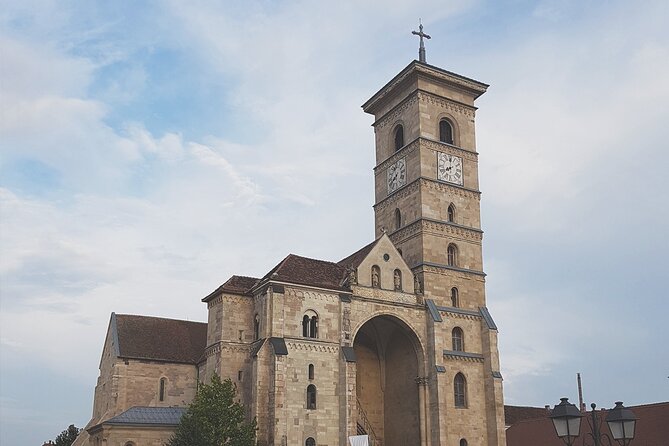
- Day 9 in medieval Transylvania: Sighișoara and Biertan’s fortified church
- Day 10 in Brașov: Black Church, Bran Castle, and Peles Castle
- Price and logistics: is $3,918.13 per person good value?
- Who should book this private Romania tour, and who should skip?
- Should you book this 10-day private Romania tour?
- FAQ
- Pickup and meeting points
- Is pickup included?
- Is the tour private?
- Language and guide
- Do I get an English-speaking guide?
- Timing and duration
- How long is the tour?
- What’s included vs. not included
- Are meals and accommodation included?
- Are entrance fees included?
- What about transportation costs?
- Is WiFi available during travel?
- Changes and cancellation
- Can I cancel for a full refund?
- Are there any limits on who can join?
Key highlights that make this tour worth a close look
- Private pickup plus a car just for your group, with WiFi in the vehicle
- An English-speaking guide/driver who sticks with you for the whole journey
- Big contrasts in one trip: Bucharest’s Revolution story, then wooden churches, then castle country
- Practical flexibility to adjust days after you start
- Several UNESCO-level moments, especially the painted monastery circuit and fortified church stops
Only your group, at your own speed
- Castles of Transylvania: Private Day Trip from Bucharest★ 4.5 · 248 reviews
- Dracula’s Castle, Peles Castle and Brasov – Private Day Trip from Bucharest★ 5.0 · 211 reviews
- Best of Bucharest | Private Walking Tour★ 5.0 · 199 reviews
- Bucharest Panoramic Sightseeing – Private City Tour★ 5.0 · 128 reviews
A private Romania route built for clarity (and comfort)
This is the kind of trip where you trade “figuring it out” for “seeing it properly.” You travel in a private vehicle only for your friends or family, and you have a guide/driver who can explain what you’re looking at—when the question is usually not what you’re seeing, but why it matters.
I also like that the tour is set up for real pacing. Many stops are timed around an hour or two, which keeps you from spending the whole day in a single place. And because you have flexibility once underway, you’re not locked into a rigid timetable if something runs long or a weather day needs a tweak.
Finally, this route is packed with variety. One day you’re staring at a mega administrative building. Next, you’re in the Carpathians chasing mountain passes and gorge walks. Then you’re back to fresco walls in Bucovina that look like they belong in a museum.
Day 1 in Bucharest: Palace of Parliament, Revolution Square, and old streets
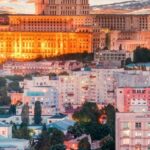
Bucharest starts with the Palace of Parliament, also called the People’s House. It’s controversial for good reasons, and the scale is so huge you’ll feel it in your body when you’re standing close. The building is basically designed to make you feel tiny—hard to fit everything into a selfie, easy to remember for years.
From there, you shift to tradition at the Bucharest National Village Museum (Muzeul Național al Satului Dimitrie Gusti). It’s a smart contrast: you go from communist-era power to Romanian village life, all in one visit. Expect a look at how people built practical homes and communities meant to fit the landscape.
Then comes culture at the Romanian Athenaeum—one of the city’s most recognizable symbols. It’s the kind of place where a guide helps you notice details you’d otherwise gloss over while rushing photos.
After a strong historical beat, you land at Revolution Square (Piața Revoluției). This is where Romania’s December 1989 events began, tied to the ousting of Nicolae Ceaușescu and the long shadow of state security controversies. It’s heavy subject matter, but your time is focused.
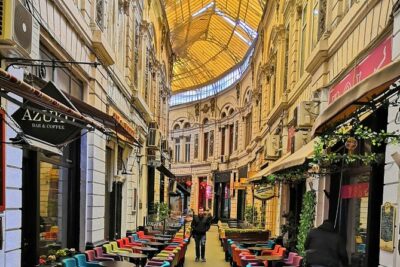
You end in the Old Town, where you can walk around Hanul lui Manuc, the fortified inn that helped make the city a trade and meeting point. It’s also where you’ll find churches, museums, and plenty of places to pause for food and a breather—without turning the day into a nonstop sprint.
Day 2 through Wallachia and into mountain drama: Curtea de Argeș, Poienari, and Transfăgărășan
Day 2 moves you toward royal legends. The stop in Curtea de Argeș pairs ruins with the story of royal tombs and the older princely court area. You’re in a place where beauty and tragedy sit side by side, and the time you have there is short enough that you’ll feel like you got the key points instead of drowning in details.
Next is Poienari Castle, perched high above the Argeș River. This is Vlad-related territory—linked to defense, escape routes, and the idea of cliff-top fortresses that don’t give you an easy way down. If you like dramatic viewpoints, this is a big win. And it’s also a reminder that “castle vibes” here are often tied to real hardship.
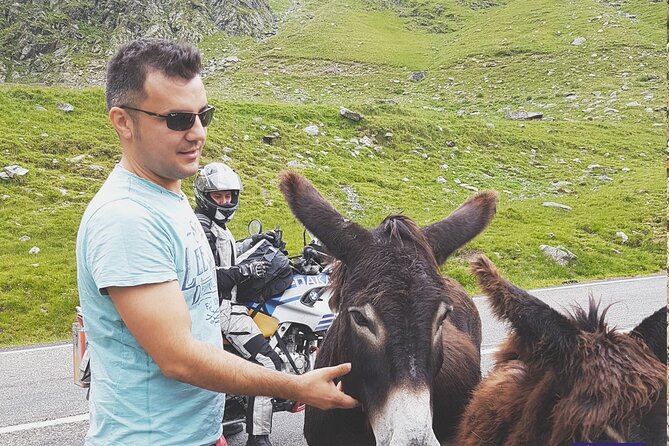
Then you reach the famous Transfăgărășan Highway. This road is Romania’s headline drive, but dates matter: it’s fully open only from June to October. The highest point is at 2,042 meters, and the route includes the tunnel area around Lake Balea, which is why it became so famous. Even if you’ve seen road videos online, being on it still feels like something special.
To finish the day, you swing into the Big Square (Piața Mare) in Sibiu. Sibiu’s core is the kind of old town where street layout and architecture do the heavy lifting—an easy place to wander, take photos, and pick a café without stress.
Day 3 in Hunedoara: Corvin Castle, Densuș Church, and the Dacian capital
Day 3 leans into castles and ancient stonework. You start with Castelul Corvinilor (Corvin Castle), also known as Hunyadi/Hunedoara Castle. It’s Gothic-Renaissance, and it’s one of Europe’s larger castles—so you spend time walking halls and courtyards with that “movie castle” feeling, but grounded in actual history.
Then you move to Densuș Church, the oldest stone church in Romania. What makes it interesting isn’t just the age—it’s the layering: a 2nd-century Roman temple site, materials from Dacian Sarmizegetusa, and mural paintings from later centuries, including depictions where Jesus wears traditional Romanian clothes. It’s a great stop when you want religious art that also reflects local identity.
The day peaks at Sarmizegetusa Regia, the Dacian capital and key military-religious center. You’re on a mountain site (about 1,200 meters) with a strategic defensive system made of multiple citadels. Even if you’re not a “ruins person,” a guide helps you see how the layout served the Dacians—because otherwise it can look like random stone fields.
Day 4 in Transylvania: Salt air at Turda, botanical beauty, and wooden church craft
You start with the Salina Turda (Turda Salt Mine), one of Transylvania’s most memorable experiences. Beyond the spectacle, there’s the practical note that the air is saline, often helpful for breathing comfort. Even if you’re not chasing that benefit, the mine spaces and the way you move through them make it feel like a different world.
Next comes a gentler pace at Gradina Botanica Alexandru Borza. You get city-tour style context here—old city center monuments in a mix of Baroque, Renaissance, and Gothic styles. It’s a nice change from castles and churches, especially if you want a break from heavy history without sacrificing culture.
Then you visit Surdesti Wooden Church, famous for its tall towers (about 54 meters) and the fact it was built back in 1721. Wooden churches are already special, but this one is the kind of stop where craftsmanship feels physical—proof that impressive architecture isn’t only about stone and budgets.
Day 5 in Maramures: Merry Cemetery and the Memorial of Communism
This day balances humor and hard truths, which is exactly what makes it stand out. You begin at Merry Cemetery (Sapânța’s famous site) in Maramures. The colorful crosses and tombstones include humorous poems about the deceased. It’s a cultural approach to grief that’s different from what many visitors expect, and the contrast gives the day energy.
From there you shift to the Memorial Museum for the Victims of Communism and of the Resistance. This is where Romania’s struggle against communist oppression becomes more than a chapter in a textbook. The time you spend here is a concentrated lesson in how totalitarian systems damage people fast—and why resistance mattered.
If your travel style includes both meaning and variety, this is a strong pairing: laughter first, then accountability.
Day 6 in Bucovina-style countryside: Barsana’s wooden height, Tihuța Pass, and Ciocănești
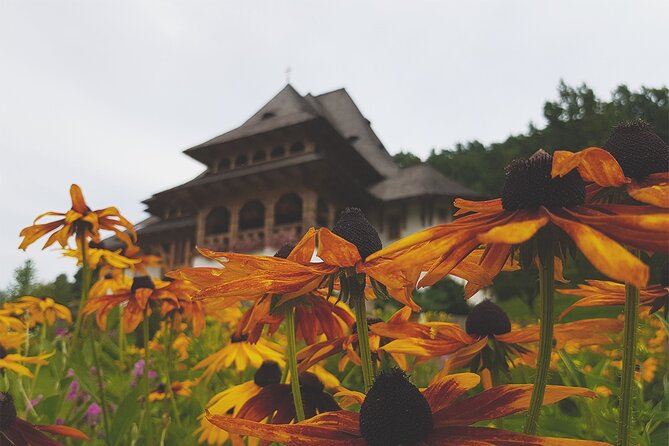
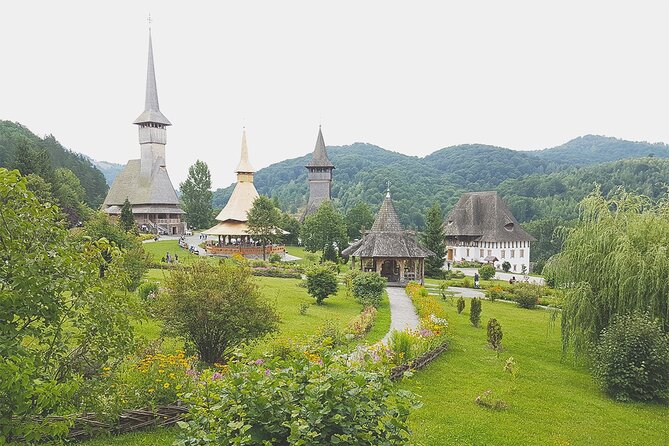
Day 6 goes straight for views and timber beauty. You visit Barsana Monastery, noted for being one of the tallest wooden churches in Romania (about 57 meters). There’s a spiritual tone to the stop that feels tied to the setting as much as the building. Even if you don’t follow the religious side, the architecture and scale make it hard to treat as a quick photo stop.
Next is Tihuța Pass, a mountain pass made famous in Dracula lore as the Borgo Pass (even if Bram Stoker likely didn’t personally visit). The day includes the pass area and nearby attractions like Hotel Castel Dracula, built in 1976 and later renamed after 1989.
Then you head to Ciocănești, known for merry-painted houses. The village sits on both sides of the Golden Bistrița River and is surrounded by pine and meadow scenery. It’s the kind of place where you can slow down and just look at details—patterns, colors, and the simple logic of traditional motifs.
Day 7: The painted monasteries circuit around Voroneț, Humor, Sucevița, and Moldovița
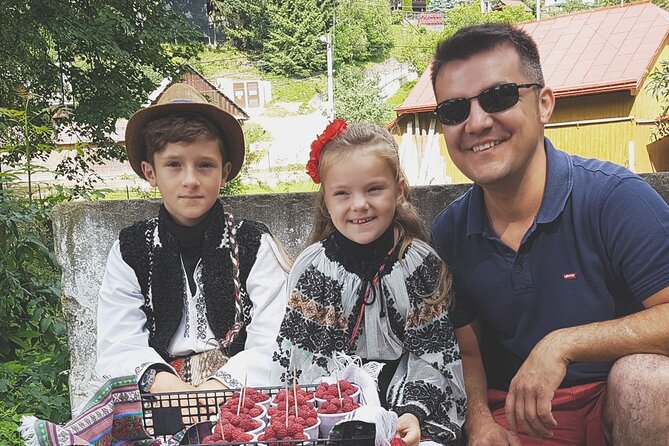
If you’re coming to Romania for the famous monastery art, Day 7 is the heart of it. You start at Voroneț Monastery, often called the Sistine Chapel of the East. It’s famous for its intense blue shade, known in Romania as Voroneț blue. It was built by Stephen the Great in 1488 over about 3 months and 3 weeks, and the time here is well spent because the colors look even stronger in person than in photos.
Then you visit Humor Monastery, a fortified monastery designed to survive destruction. You’ll see thick river rock walls and an idea of worship protected from the outside. The fortified design matters here; it changes how you read the site.
After that comes Sucevița Monastery, another of the painted monasteries included in the same cultural trail. Even if you’re not into biblical studies, the visual scenes and icons give you a quick path into the story of Christianity in this region. Your time is shorter, but focused on what to notice.
Finally you reach Moldovița Monastery, built in 1532. This is another place where the murals are the main event, inside and out, and the fortified church style adds structure to what can otherwise feel like a wall of art.
Day 8: Lucia Condrea’s museum, the Popa Museum, and Bicaz Gorges
Day 8 adds offbeat stops before you get to a classic nature payoff. You start with Muzeul International al Oualor Lucia Condrea in Moldovița—an artist-focused museum holding over 5,500 exhibits arranged in multiple display cases across two levels. If you like art with a human scale rather than only monument-scale sights, this is a great break.
Next is The Popa Museum, founded in the 1970s by Nicolae Popa in his own house. The story is striking: after being wounded in World War II, imprisoned by communists for opposing the regime, and left without personal possessions besides his house, he kept working and built a legacy in sculpture and folklore.
To close the day, you go to Bicaz Gorges for a walk along the riverbanks through mountains and forest. The time here is longer (about 3 hours), and the good news is that your effort matches the payoff—you can’t help but slow down when the terrain pulls you forward.
Day 9 in medieval Transylvania: Sighișoara and Biertan’s fortified church
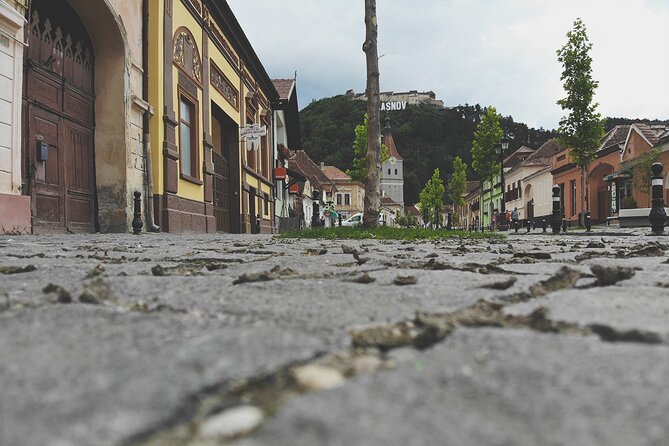
Day 9 is all about living medieval atmosphere. You visit Sighișoara and start with the Clock Tower and the Arms museum. Sighișoara is a true medieval town that stayed inhabited for over 700 years, which is why it feels less like a theme park and more like a real place. This is also tied to Vlad (Dracula) as the area is linked to his birth story.
Then you head to Biertan Fortified Church, a UNESCO World Heritage site and one of the first Saxon settlements. The setting is strong: the church sits on a hillock in the center of town, with three defensive walls and seven bastions surrounding it. It’s the kind of fortified religious site where you can see why defense mattered, not just decorative stone.
Day 10 in Brașov: Black Church, Bran Castle, and Peles Castle
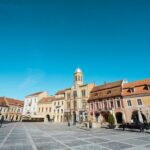
You end in Brașov with a walking focus. You start at the Black Church, then move through the Old Town square and the medieval city walls area. Brașov’s cafés give you breathing room, and the free time is useful for people who want to taste something simple at street level rather than only hitting monuments.
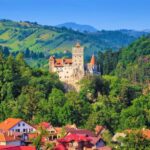
Next is Bran Castle, often called Dracula’s Castle. The tour keeps it balanced by treating the link between the fictional Dracula story and Bran as mostly myth-and-history mix. You also get a chance to try traditional foods outside the castle area, including handmade cheeses, pálinka (plum and pear brandy), and local ham and sausages.
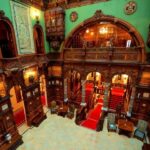
Then comes Peleș Castle, the Romanian royal family’s summer residence. This one is famous for good reason: even with limited time, it’s a final-day “wow” stop where the architecture and interiors do the heavy lifting.
Price and logistics: is $3,918.13 per person good value?
At $3,918.13 per person, this isn’t a budget trip. But it’s also not just a bundle of tickets. You’re paying for a full private car, a licensed English-speaking guide/driver throughout, and all car costs like gasoline, parking, and road tolls. That adds up fast on a 10-day route where you’re crossing regions and bouncing between major attractions.
The entrance-fee structure matters. Most stops list tickets as not included, so you should expect to add that layer on top. Still, the private setup gives you flexibility, meaning your guide can help you manage time around ticket lines, closures, or changing conditions.
If you’re traveling as a small group and can spread the cost, private driving becomes more reasonable. If you’re solo, it’s still doable, but you should be clear-eyed about the premium you’re paying for “no sharing, no waiting.”
Who should book this private Romania tour, and who should skip?
Book this if you want a guided, English-friendly route that moves fast enough to cover major highlights but not so fast that everything feels rushed. It’s especially a good fit for people who like variety—urban history in Bucharest, medieval towns in Transylvania, then the painted monastery circuit in Bucovina.
Skip it if you dislike long road days or you’d rather manage tickets and transport yourself. Also, if you only want a few signature sights and nothing else, the private format and full itinerary may feel like more than you need.
Should you book this 10-day private Romania tour?
If you like being guided through big, meaningful places with context, this tour makes a lot of sense. The best part is the pairing: power and propaganda in Bucharest, then stone-and-fresco Romania in the Carpathians and beyond. Just budget for entrance tickets and plan to enjoy the ride between regions—you’re buying the convenience of a driver, not just sightseeing.
FAQ
Pickup and meeting points
Is pickup included?
Yes. Pickup is offered in Bucharest. You’ll need to share your pickup time and address, and your phone number is helpful for coordination.
Is the tour private?
Yes. It’s a private tour/activity, and only your group participates.
Language and guide
Do I get an English-speaking guide?
Yes. You’ll have a private, licensed English speaking guide/driver available throughout the tour.
Timing and duration
How long is the tour?
It’s listed as 10 days, approximately.
What’s included vs. not included
Are meals and accommodation included?
No. Accommodation, meals, and beverages are not included.
Are entrance fees included?
Usually no. Entrance fees as per the itinerary are not included (with the exception of a couple stops marked as free or included).
What about transportation costs?
Car expenses are included, including gasoline, parking, and road tolls. You also get a private car (tourism or minibus) for your group only.
Is WiFi available during travel?
Yes. There is complimentary wireless internet access in the comfortable car.
Changes and cancellation
Can I cancel for a full refund?
Yes, free cancellation is available up to 24 hours in advance for a full refund.
Are there any limits on who can join?
The tour notes that most travelers can participate.
More Tour Reviews in Bucharest
- Bucharest: Dracula’s Castle, Peles Castle, & Brasov Old Town
★ 4.5 · 17,858 reviews - Bucharest: Dracula Castle, Peles Castle & Brasov Old Town
★ 4.6 · 10,891 reviews - Bucharest: Dracula’s Castle, Peleș Castle & Brașov Day Trip
★ 4.4 · 6,100 reviews - Bucharest: Palace of Parliament Tickets and Guide
★ 4.3 · 3,182 reviews - Bucharest: Day Trip to Dracula Castle, Peles Castle & Brașov
★ 4.4 · 3,049 reviews - Bucharest to Dracula Castle, Peles Castle and Brasov Guided Tour
★ 4.5 · 2,933 reviews
Just the Party You Came With: More Private Days
- Castles of Transylvania: Private Day Trip from Bucharest
★ 4.5 · 248 reviews - Dracula’s Castle, Peles Castle and Brasov – Private Day Trip from Bucharest
★ 5.0 · 211 reviews - Best of Bucharest | Private Walking Tour
★ 5.0 · 199 reviews - Bucharest Panoramic Sightseeing – Private City Tour
★ 5.0 · 128 reviews - THERME “Take It Easy” Pack: Full Spa Access + Private Transfers
★ 4.0 · 117 reviews - 4h Bucharest Private Tour (2h by Car and 2h Walking in Old Town)
★ 5.0 · 90 reviews
Just In: The Latest Bucharest Reviews

Bucharest Private Tours, compared.
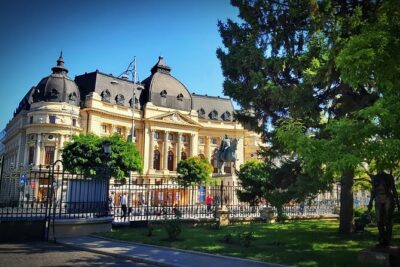
 ★ 4.5Castles of Transylvania: Private Day Trip from BucharestFrom $151248 reviews
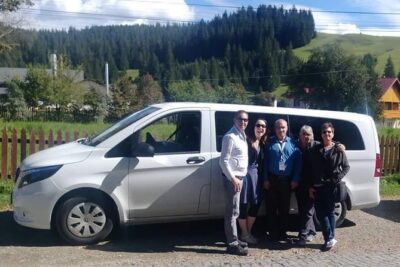
 ★ 5.0Dracula’s Castle, Peles Castle and Brasov – Private Day Trip from BucharestFrom $199211 reviews
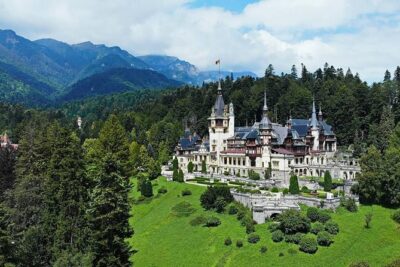
 ★ 5.0Best of Bucharest | Private Walking TourFrom $314199 reviews
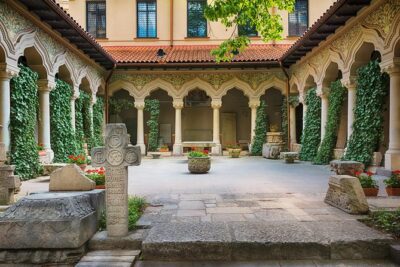 ★ 5.0Bucharest Panoramic Sightseeing – Private City TourFrom $101128 reviews
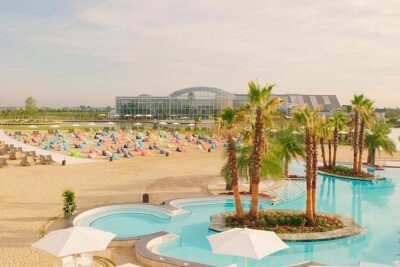 ★ 4.0THERME “Take It Easy” Pack: Full Spa Access + Private TransfersFrom $118117 reviews
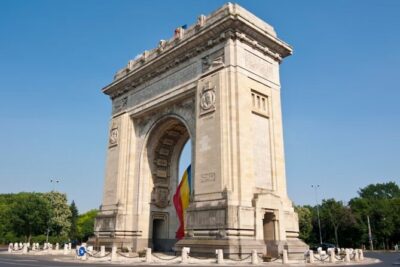 ★ 5.04h Bucharest Private Tour (2h by Car and 2h Walking in Old Town)From $10090 reviews
 ★ 5.0Discover Bucharest: Private Highlights and Traditional Food TourFrom $14386 reviews
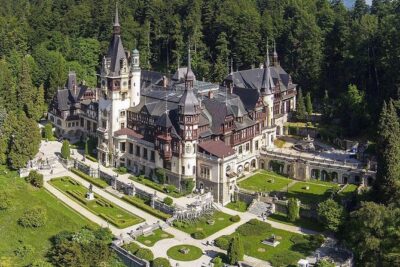 ★ 5.0Dracula Castle, Peles Castle & Brasov-Private Tour from BucharestFrom $16580 reviews
Browse the lists this tour appears in